
Bicolor Blenny
Ecsenius bicolor
Price range: $20.99 through $23.99
| Stock | Variations | Price | Quantity | |
|---|---|---|---|---|
| In Stock | 2.25 - 3.25" - Indian Ocean | Original price was: $44.99.$23.99Current price is: $23.99. |
-
+
|
|
| In Stock | 1.25 - 2.25" - Indian Ocean | Original price was: $39.99.$20.99Current price is: $20.99. |
-
+
|
|
| Out of Stock | 1.25 - 2.25" - Indo-Pacific | Original price was: $73.99.$38.99Current price is: $38.99. | Email me |
Every order ships with our standard 3-hour live arrival guarantee. Need more time? Add our 5-Day Guarantee at checkout.
Full guarantee terms →Ships Monday – Thursday for next-day arrival at your nearest FedEx Hold location — typically ready by 9 AM. We monitor every delivery.
Shipping details →
Monday – Friday 8 AM – 9 PM
Saturday 12 PM – 4 PM
Sunday 12 PM – 9 PM
Healthy, stable animals from vetted suppliers — inspected before packing, shipped overnight. Decades of experience built this model so we can deliver premium livestock at 30%+ less than you'd pay elsewhere.
| Care Level | Easy |
|---|---|
| Temperament | Peaceful |
| Reef Safe | With Caution |
| Functional Benefit | Algae Control |
| Diet Type | Omnivore |
| Mininum Tank Size | 30 gallons |
| Max Size | 4 inches |
| Temperature | 72–78°F |
| pH Range | 8.1–8.4 |
| Specific Gravity | 1.022–1.025 |
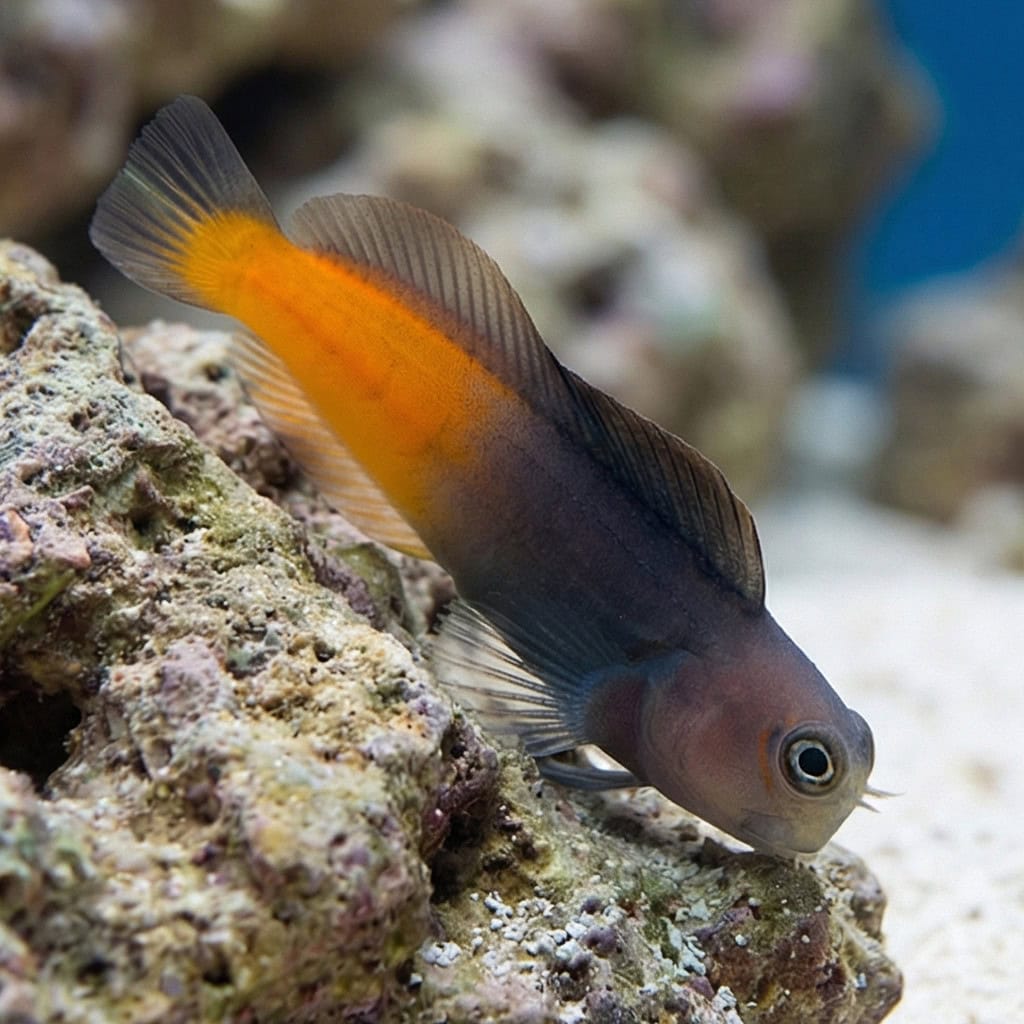
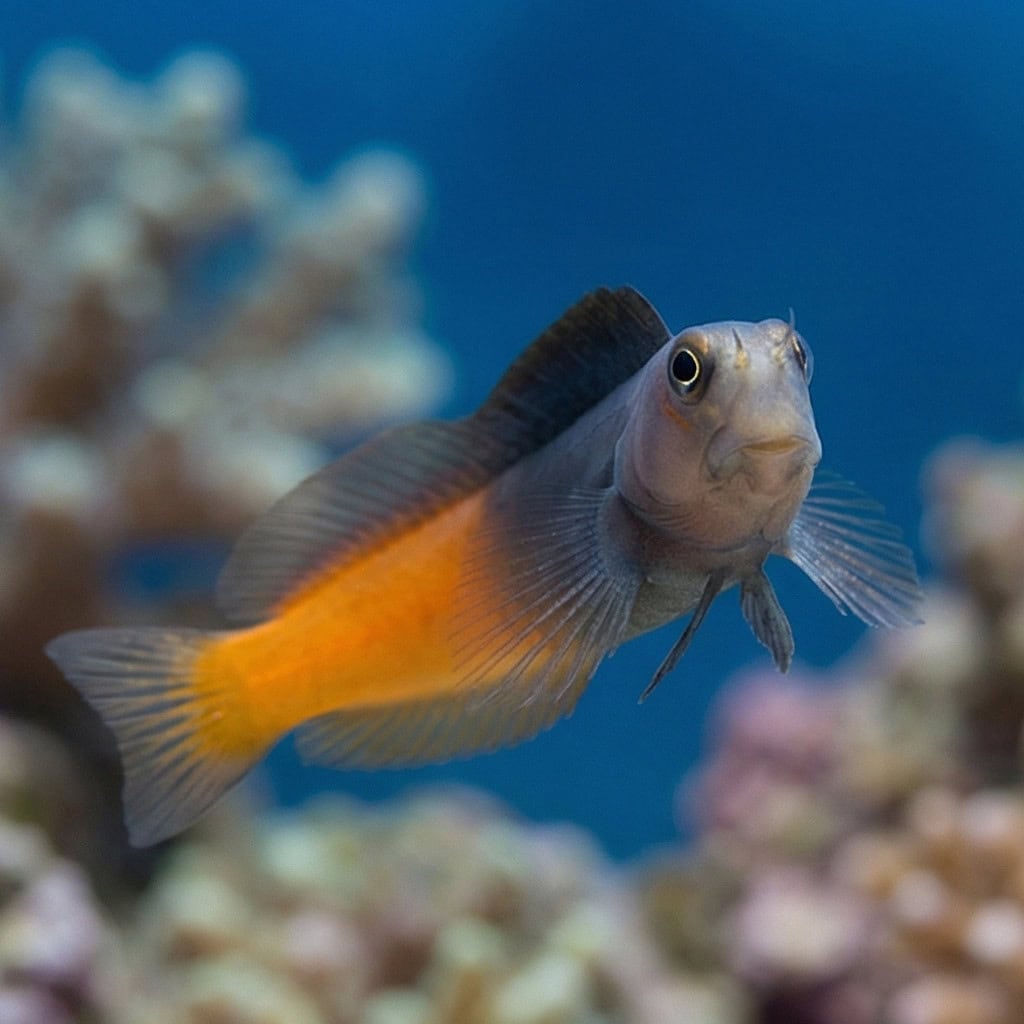
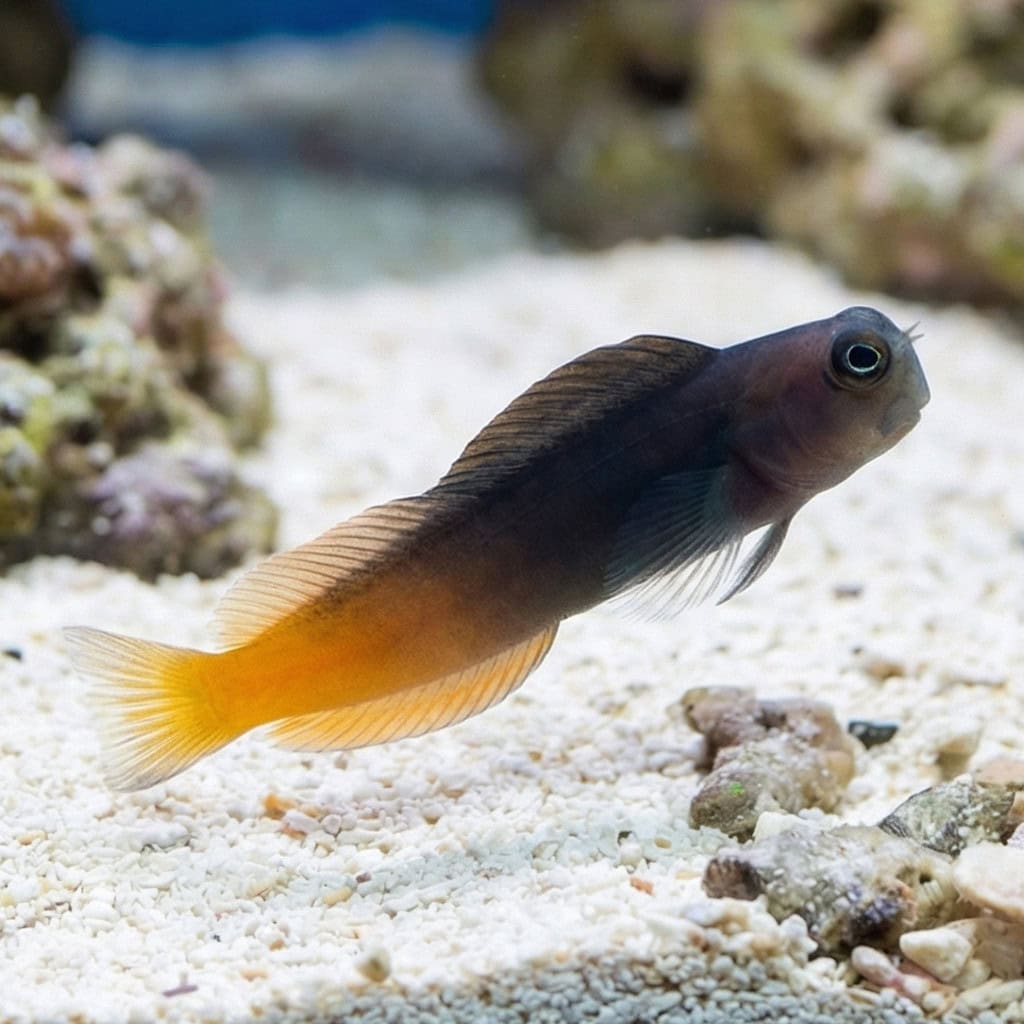
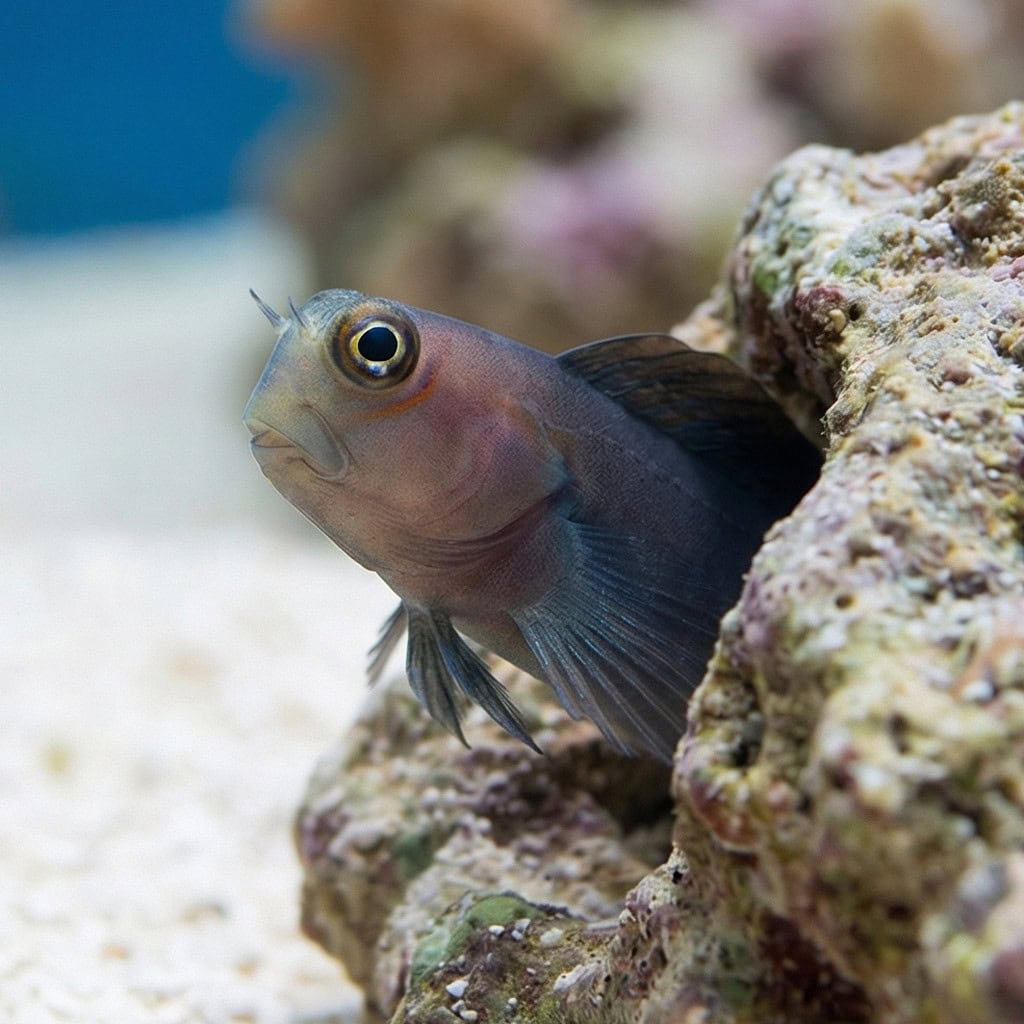
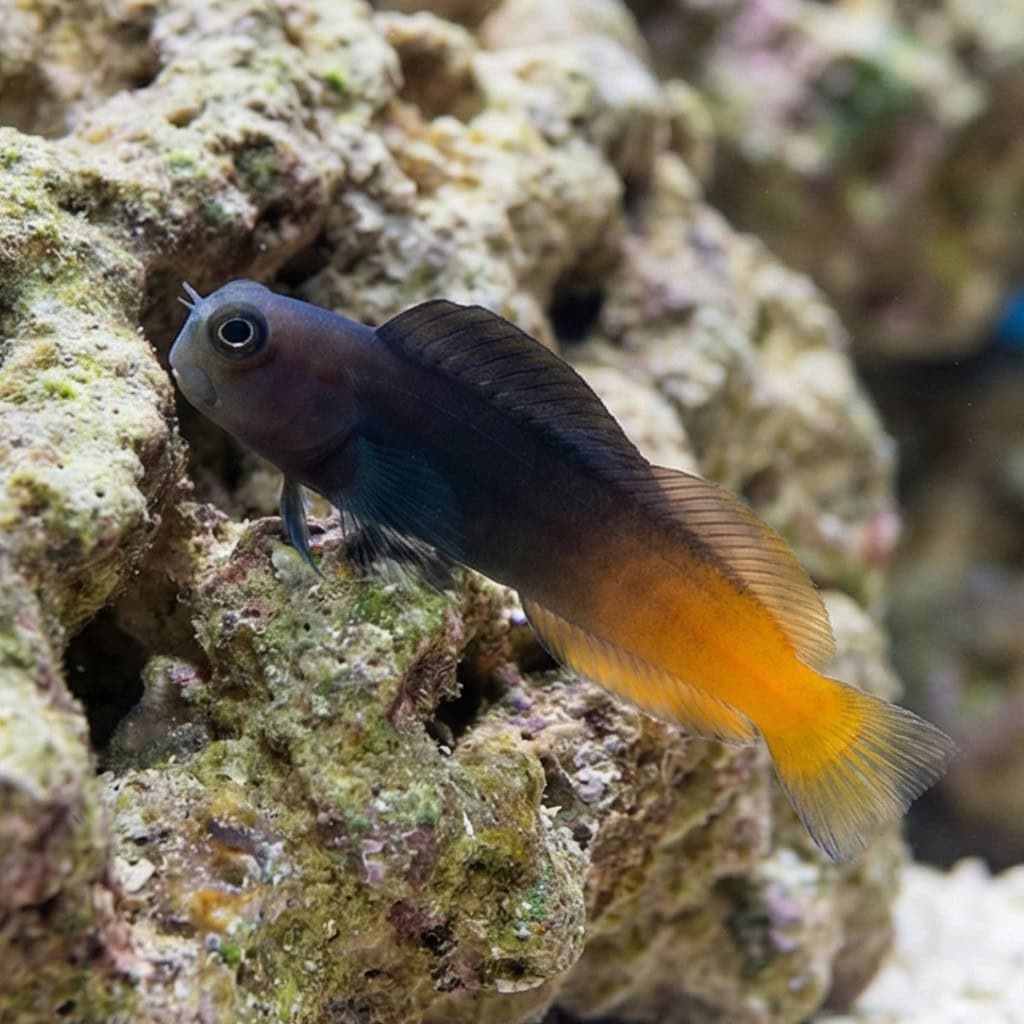
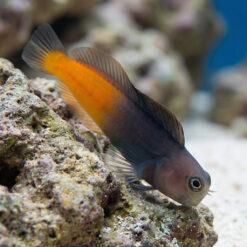
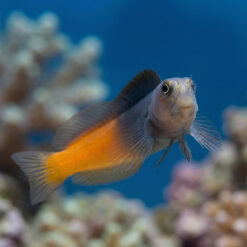
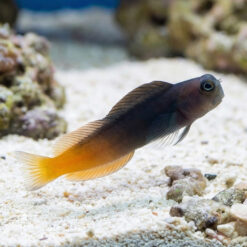
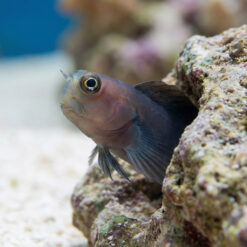
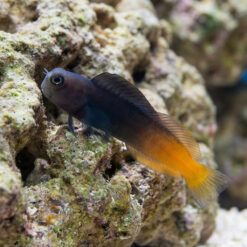
The Bicolor Blenny (Ecsenius bicolor) is a practical algae grazer that spends its day working across rock surfaces while adding constant movement to the lower half of your reef. Adults are recognized for a two-tone pattern with a darker front half and a yellow-to-orange rear, and they’re often seen perched on ledges or tucked into crevices between grazing passes.
What You’ll Observe:
- Perching on rockwork, then hopping or darting a short distance to a new spot
- Repeated “rasping” behavior as it picks film algae from rocks and hard surfaces
- A favorite hole or ledge it uses as a home base, especially at night
- Quick, confident trips to the front glass when feeding time becomes routine
To succeed with this species, provide porous rockwork with multiple holes and ledges so it can perch, graze, and retreat easily. Offer algae-forward foods (pellets/flakes/nori) along with small frozen options so it stays active and engaged. With stable reef parameters and a settled aquascape, it becomes a consistent, day-to-day worker in the tank.
Why do some Bicolor Blennies suddenly start picking at SPS or LPS polyps?
Many keepers report it happens intermittently and can be very individual; increasing feeding variety and ensuring steady algae availability often reduces the behavior.
My Bicolor Blenny is fixated on one coral head—what can I do?
Owners commonly try repositioning the coral, feeding a bit more frequently, and keeping the blenny’s grazing areas well-stocked; some fish simply prefer one “spot” and need a different target area in the aquascape.
Is it normal for a new Bicolor Blenny to stay in one hole most of the day at first?
Yes—many settle in by choosing a single refuge, then expand their grazing route as they learn the tank’s routine.
Can I keep this blenny with other blennies?
It often depends on tank layout and the other blenny’s shape/role; plenty of rockwork with multiple perches helps, but many hobbyists have the smoothest results keeping a single combtooth-style blenny per tank.
Why did my Bicolor Blenny stop coming out to eat after a new fish was added?
Keepers frequently see confidence shift with new, more assertive tankmates; giving the blenny more feeding opportunities (and calm space near its perch) helps it resume normal grazing and taking prepared foods.
Each fish is checked for strong appetite and activity before we approve it for your tank.
Recently viewed products