
Engineer Goby
Pholidichthys leucotaenia
Original price was: $34.99.$18.99Current price is: $18.99.
| Stock | Variations | Price | Quantity | |
|---|---|---|---|---|
| In Stock | 2.25 - 3.5" - Indo-Pacific | Original price was: $34.99.$18.99Current price is: $18.99. |
-
+
|
|
| Out of Stock | 2.25" or smaller - Indo-Pacific | Original price was: $24.99.$12.99Current price is: $12.99. | Email me |
Every order ships with our standard 3-hour live arrival guarantee. Need more time? Add our 5-Day Guarantee at checkout.
Full guarantee terms →Ships Monday – Thursday for next-day arrival at your nearest FedEx Hold location — typically ready by 9 AM. We monitor every delivery.
Shipping details →
Monday – Friday 8 AM – 9 PM
Saturday 12 PM – 4 PM
Sunday 12 PM – 9 PM
Healthy, stable animals from vetted suppliers — inspected before packing, shipped overnight. Decades of experience built this model so we can deliver premium livestock at 30%+ less than you'd pay elsewhere.
| Care Level | Moderate |
|---|---|
| Temperament | Peaceful |
| Reef Safe | With Caution |
| Functional Benefit | Ornamental Only |
| Diet Type | Carnivore |
| Mininum Tank Size | 55 gallons |
| Max Size | 12 inches |
| Temperature | 72–78°F |
| pH Range | 8.1–8.4 |
| Specific Gravity | 1.022–1.025 |
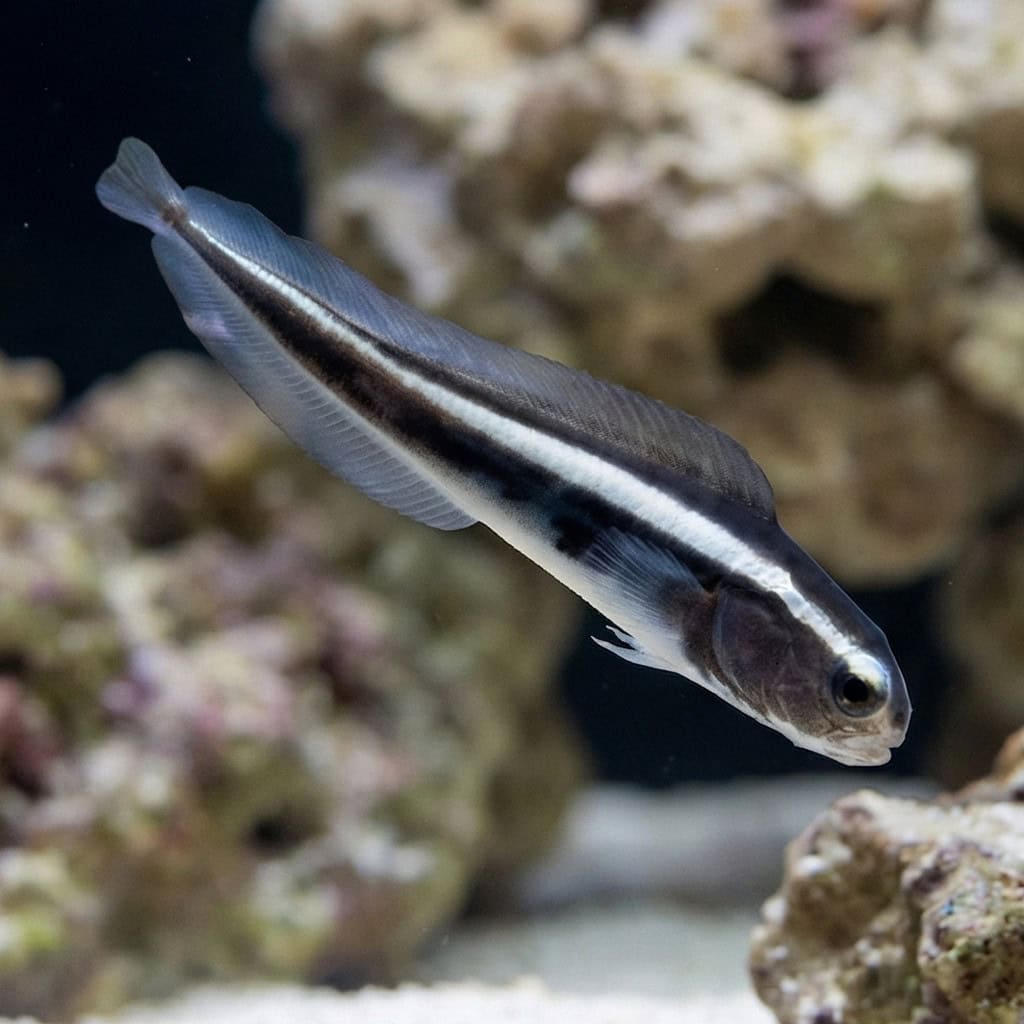
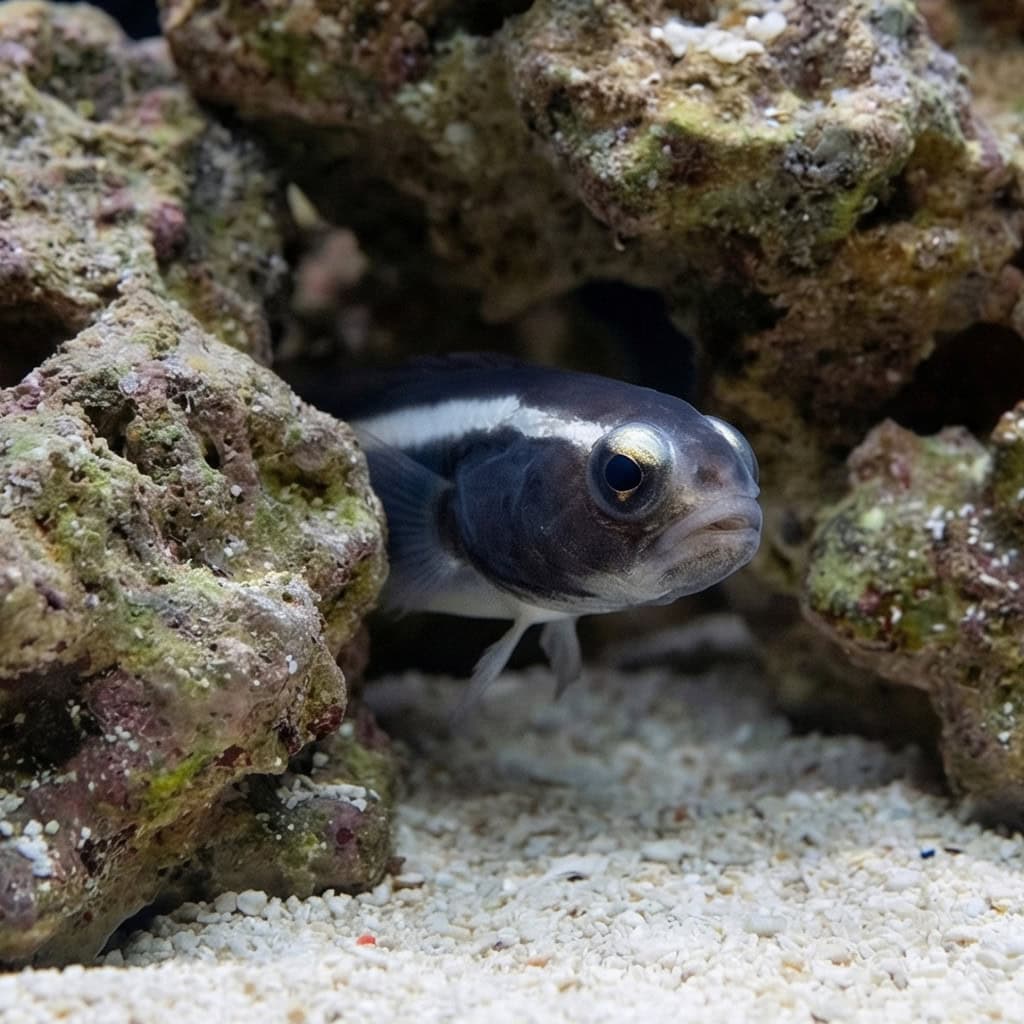
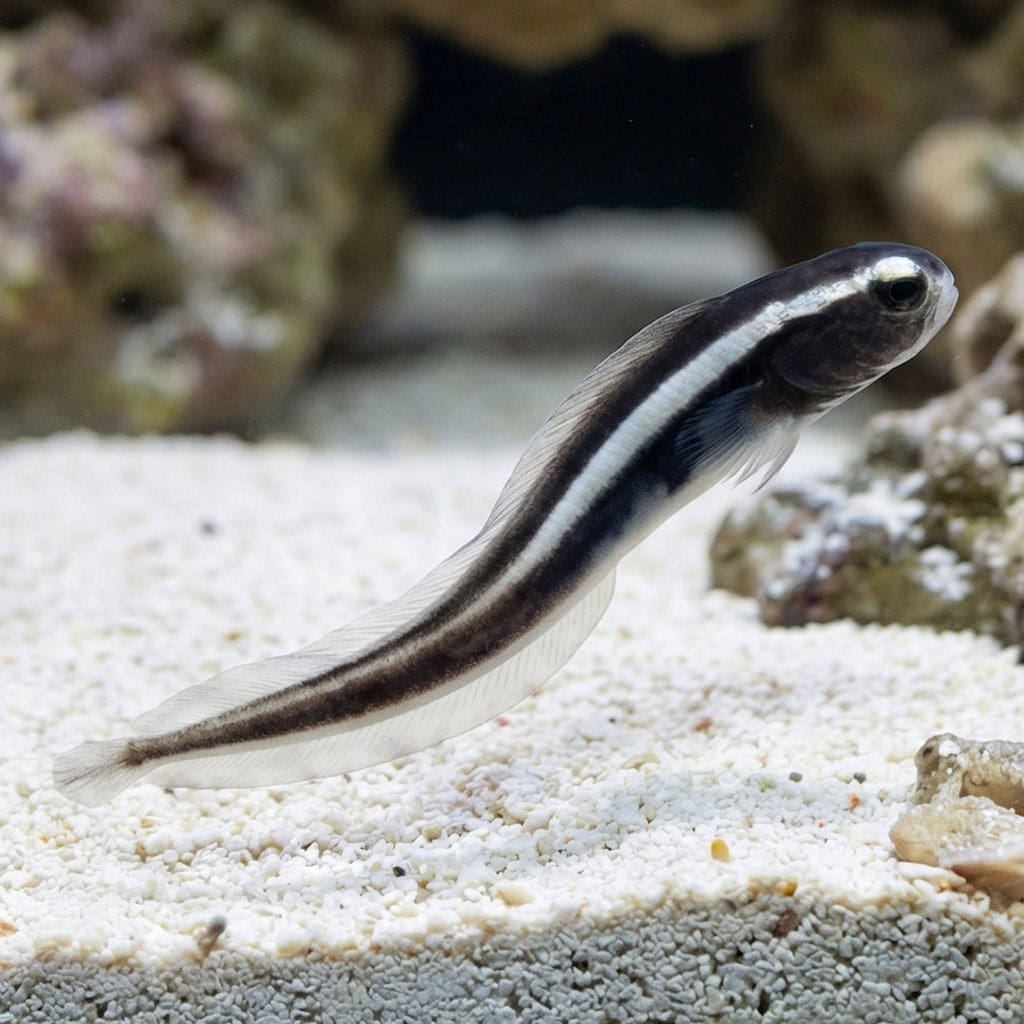
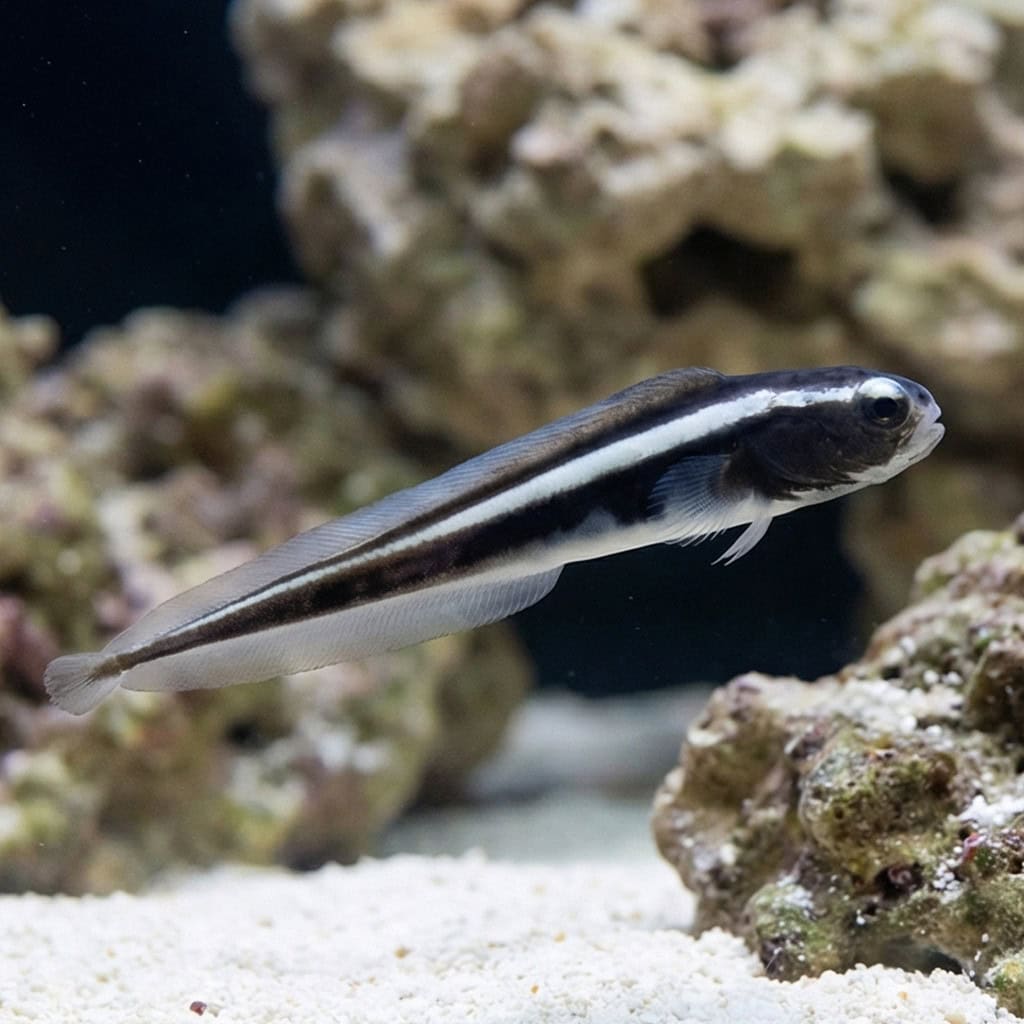
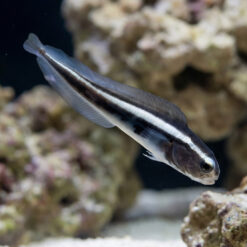
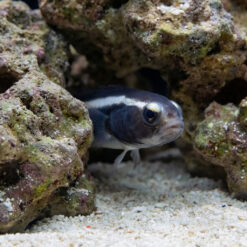
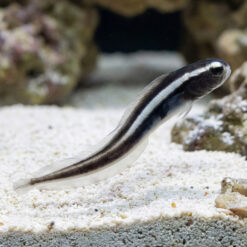
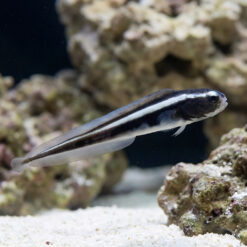
The Engineer Goby (Pholidichthys leucotaenia), also known as the Convict Goby/Convict Blenny, is an eel-shaped reef fish that spends much of its time living in tunnels under rockwork. Juveniles often show a dark body with a light stripe, while older fish develop a barred or mottled convict pattern as they grow.
What You’ll Observe:
- A head-first peek from a burrow entrance, then quick retreats back into its tunnel system
- Regular sand-moving and tunnel maintenance that can shift the look of your substrate over time
- Short, confident feeding laps into the open water column, especially at mealtime
- A noticeable pattern change as it matures, sometimes seeming like a different fish compared to its juvenile look
To succeed with an Engineer Goby, build a stable aquascape with rock set securely on the tank bottom before sand so burrowing can’t undermine the structure. Offer meaty foods like mysis, brine, and other frozen carnivore fare, and consider placing food close to its burrow while it settles in. Keep the sandbed area open and frag-free near its favorite digging zones so its normal tunneling behavior has room to happen.
Why did my Engineer Goby disappear after the first week or two?
It’s common for them to switch into burrow mode and stay hidden for long stretches, especially as they establish tunnels. Look for fresh sand piles or new openings near the base of rockwork as a sign it’s active.
Is it normal for them to change from a clean stripe to bars/blotches?
Yes—pattern shifts are part of their normal growth, and many keepers notice a big change as the fish matures. The juvenile stripe look often gives way to a more barred or mottled adult pattern.
Will it redecorate my sandbed and bury items near the bottom?
Many Engineer Gobies move sand into piles and build tunnel systems that can cover low-placed frags or décor. Planning coral placement higher up (or leaving a clear digging zone) usually solves most day-to-day annoyances.
Do they need to burrow under the main rock structure to be comfortable?
Not always—some will build tunnels between rocks and along the edges, piling sand to shape entrances even if the main scape is well supported. Providing multiple sheltered areas gives them options.
Should I keep one, or can they be kept as a pair/group?
They’re often kept singly, but hobbyists also keep them in pairs or small groups in larger systems with enough space and multiple hiding areas. When kept together, giving several potential burrow zones helps spread activity out.
Our selection process means you get robust, well-adjusted specimens that settle in quickly.
Recently viewed products