
4-Wheel Drive Goby
Signigobius biocellatus
Original price was: $49.99.$25.99Current price is: $25.99.
| Stock | Variations | Price | Quantity | |
|---|---|---|---|---|
| In Stock | 1.25 - 2.25" - Indo-Pacific | Original price was: $49.99.$25.99Current price is: $25.99. |
-
+
|
Every order ships with our standard 3-hour live arrival guarantee. Need more time? Add our 5-Day Guarantee at checkout.
Full guarantee terms →Ships Monday – Thursday for next-day arrival at your nearest FedEx Hold location — typically ready by 9 AM. We monitor every delivery.
Shipping details →
Monday – Friday 8 AM – 9 PM
Saturday 12 PM – 4 PM
Sunday 12 PM – 9 PM
Healthy, stable animals from vetted suppliers — inspected before packing, shipped overnight. Decades of experience built this model so we can deliver premium livestock at 30%+ less than you'd pay elsewhere.
| Care Level | Expert |
|---|---|
| Temperament | Peaceful |
| Reef Safe | Yes |
| Functional Benefit | Sand Sifting |
| Diet Type | Carnivore |
| Mininum Tank Size | 10 gallons |
| Max Size | 3 inches |
| Temperature | 72–78°F |
| pH Range | 8.1–8.4 |
| Specific Gravity | 1.022–1.025 |
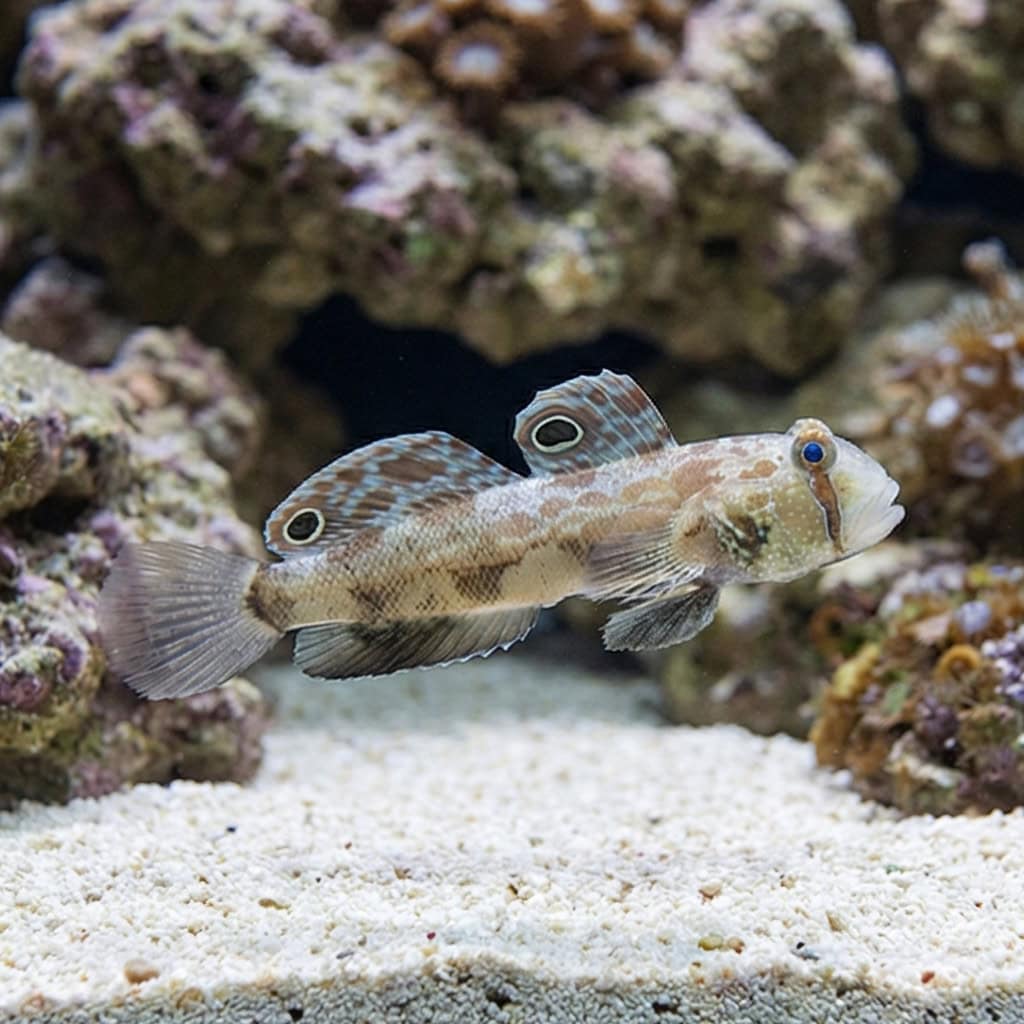
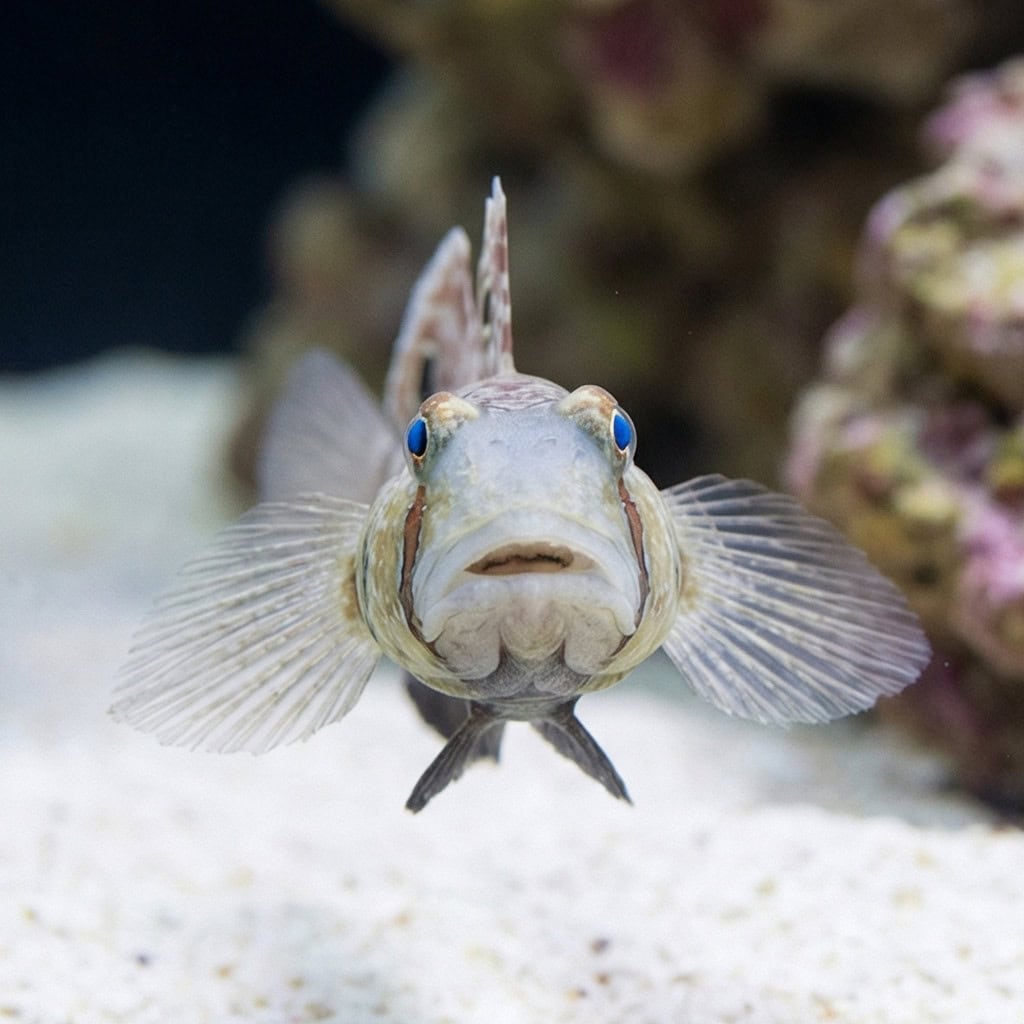
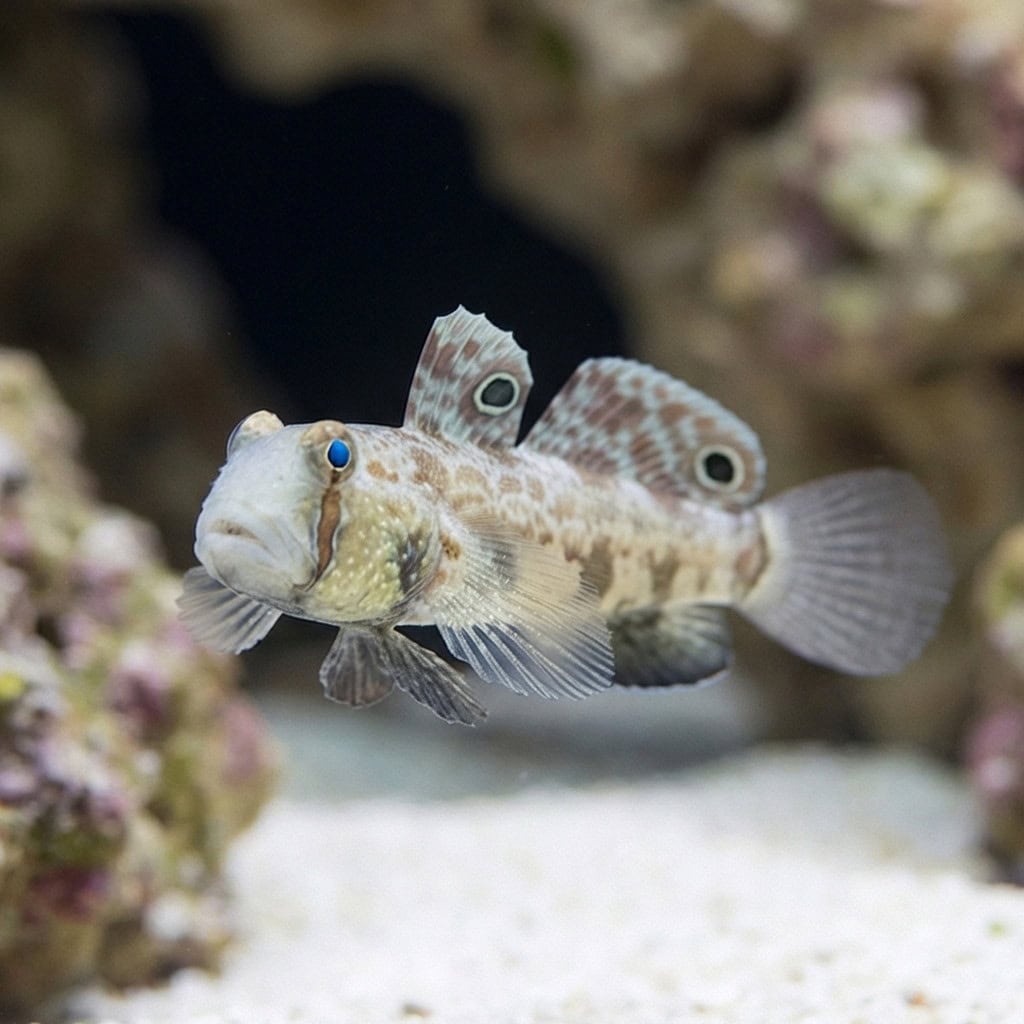
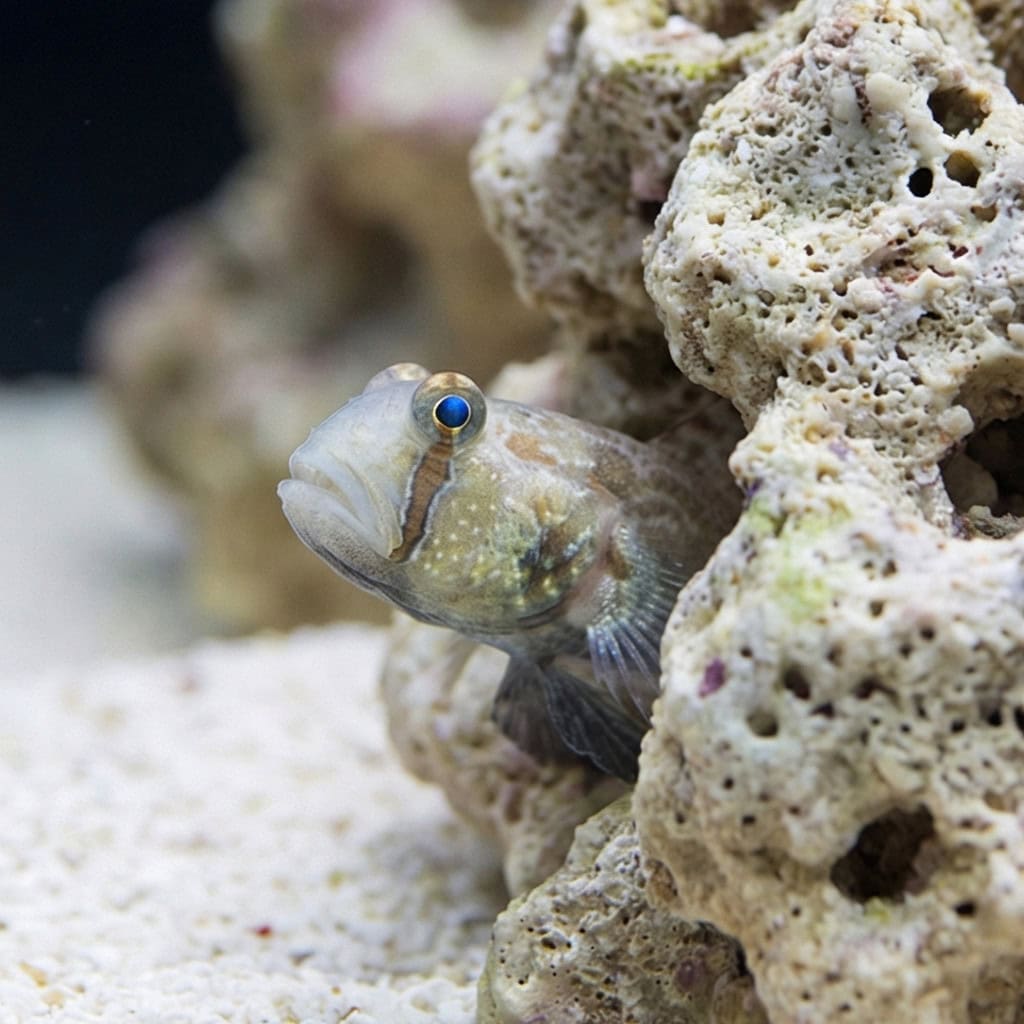
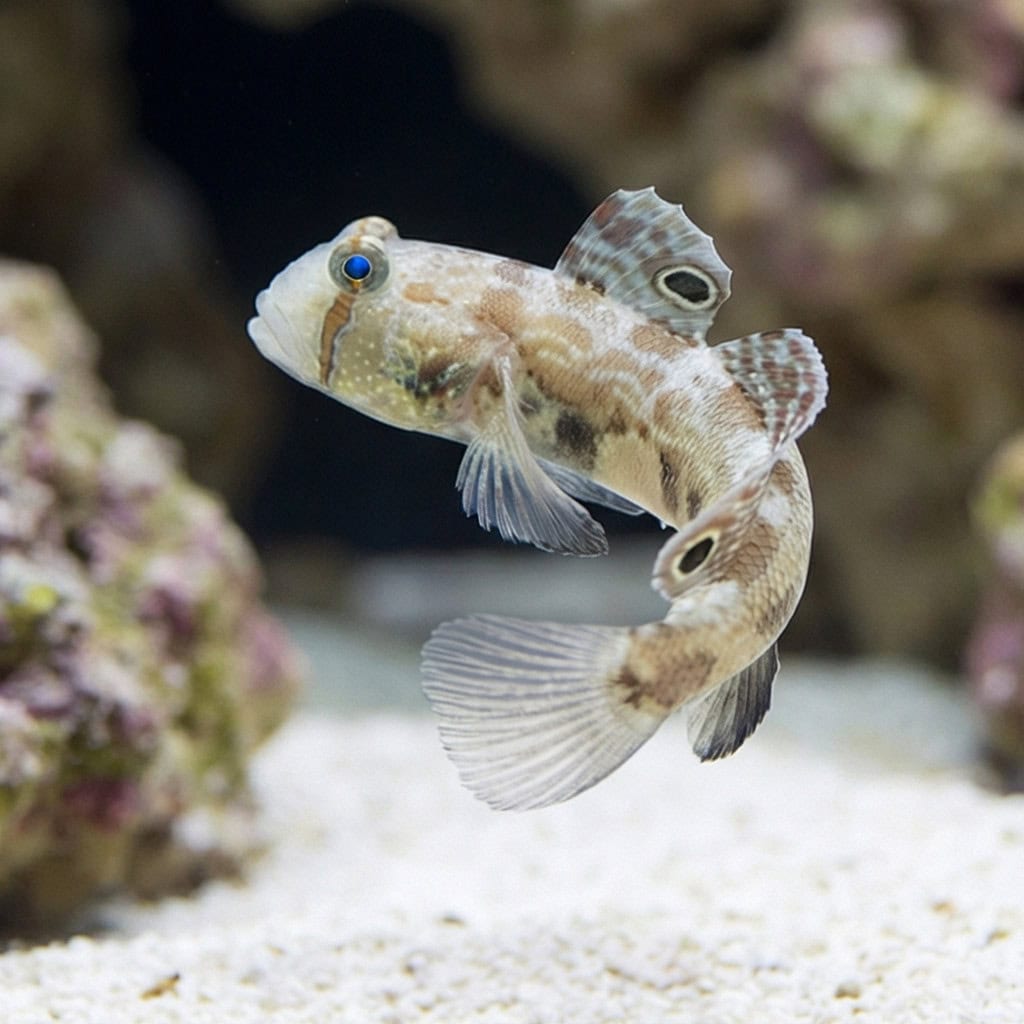
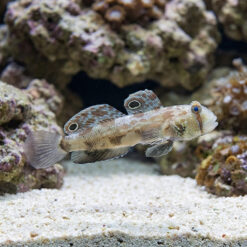
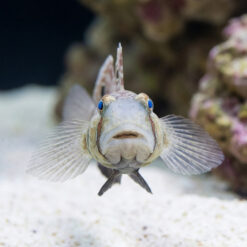
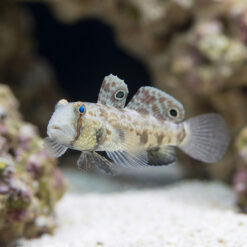
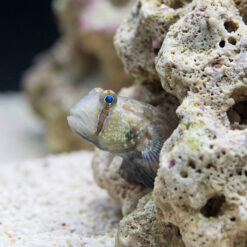
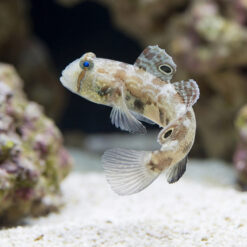
The 4-Wheel Drive Goby (Signigobius biocellatus), also known as the Two Spot, Twinspot, Signal, or Crabeye Goby, is an active sand-sifting goby with two bold eyespots on its dorsal fins and orange-tan speckling over a pale body. It spends the day taking small mouthfuls of sand, filtering out tiny foods, and releasing clean sand back onto the bed.
What You’ll Observe:
- Patrolling open sand in short, repeatable “routes,” with quick stops along the rock edge
- Regular sand-sifting passes that leave faint trails and small piles as it works
- Short “hop and land” movements as it repositions, then resumes sifting
- Increased activity around feeding time once it learns where food lands
Provide a fine, live-sand bed with open areas plus nearby rubble or rockwork for quick cover. A mature system (often paired with a refugium) supports the natural microfauna it hunts, and offering small meaty foods that reach the sand helps it settle into a steady routine. With calm tankmates and consistent feeding, it becomes a constant, visible part of the sandbed’s daily activity.
Is it normal for this goby to “disappear” after introduction?
Many will spend time tucked under a ledge or partially under the sand while they map out a territory, then reappear for longer stretches as they settle in.
Why does it look like it’s “hopping” or doing quick takeoffs and landings?
That start-stop movement is a common foraging pattern—short bursts, then a landing to sift the next spot.
How can I keep sand from landing on low corals?
Keep the main open sand “runway” in front of the rockwork and place low frags slightly back on stable rock shelves so the sand it releases falls away from coral bases.
Can I keep two together?
Mated Pairs are often very close and will work the same area; adding a known pair tends to produce more consistent “together” behavior than mixing two singles.
How do I get it reliably eating frozen foods?
Feed small pieces that sink to the sand (so it can find them in its normal pattern) and use the same feeding spot daily so it learns where food lands.
Our selection process means you get robust, well-adjusted specimens that settle in quickly.
Recently viewed products