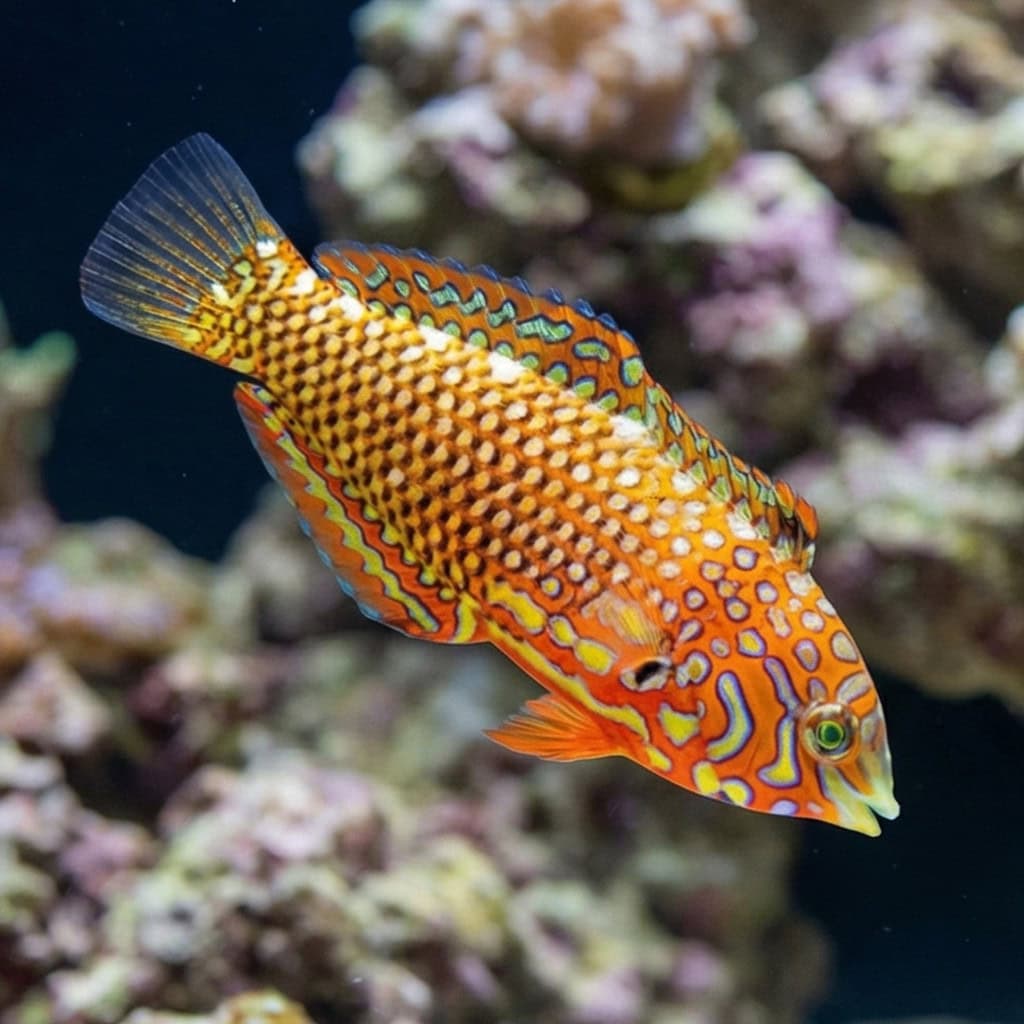
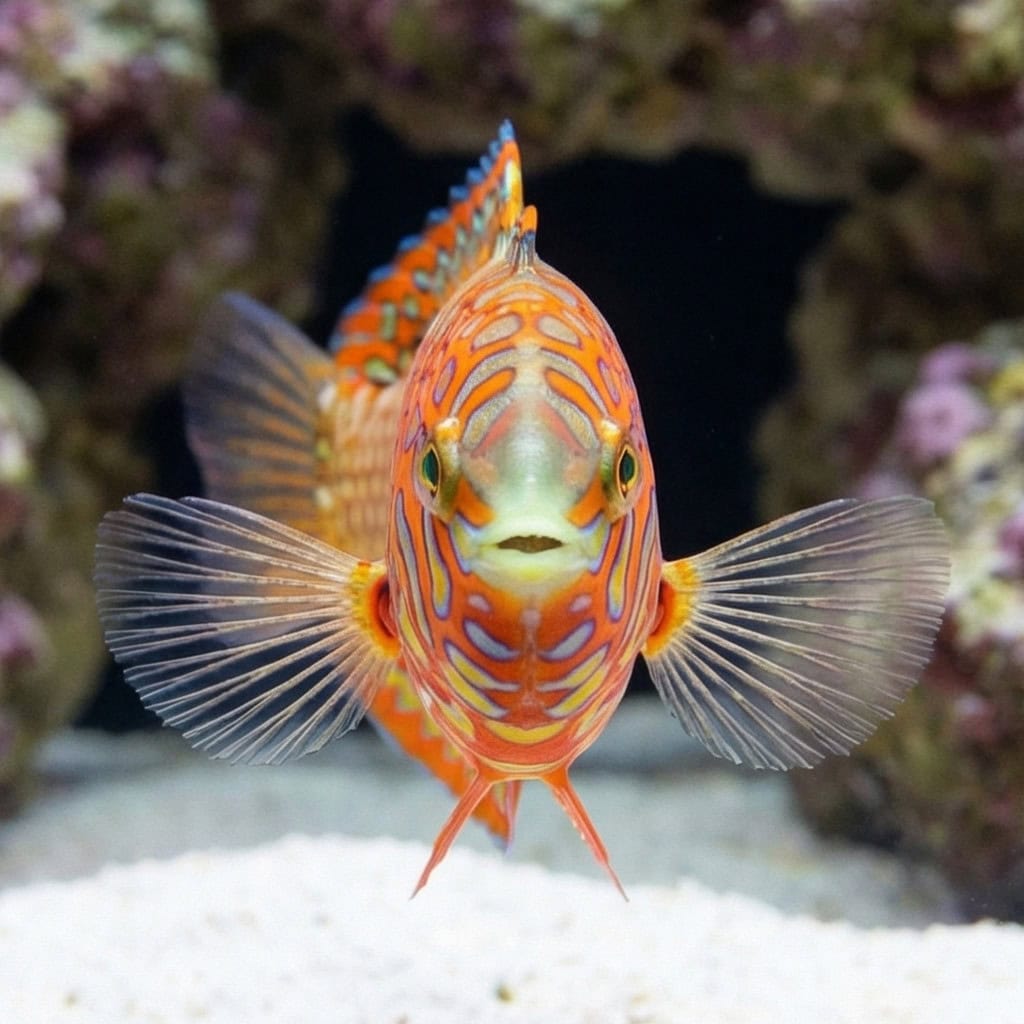
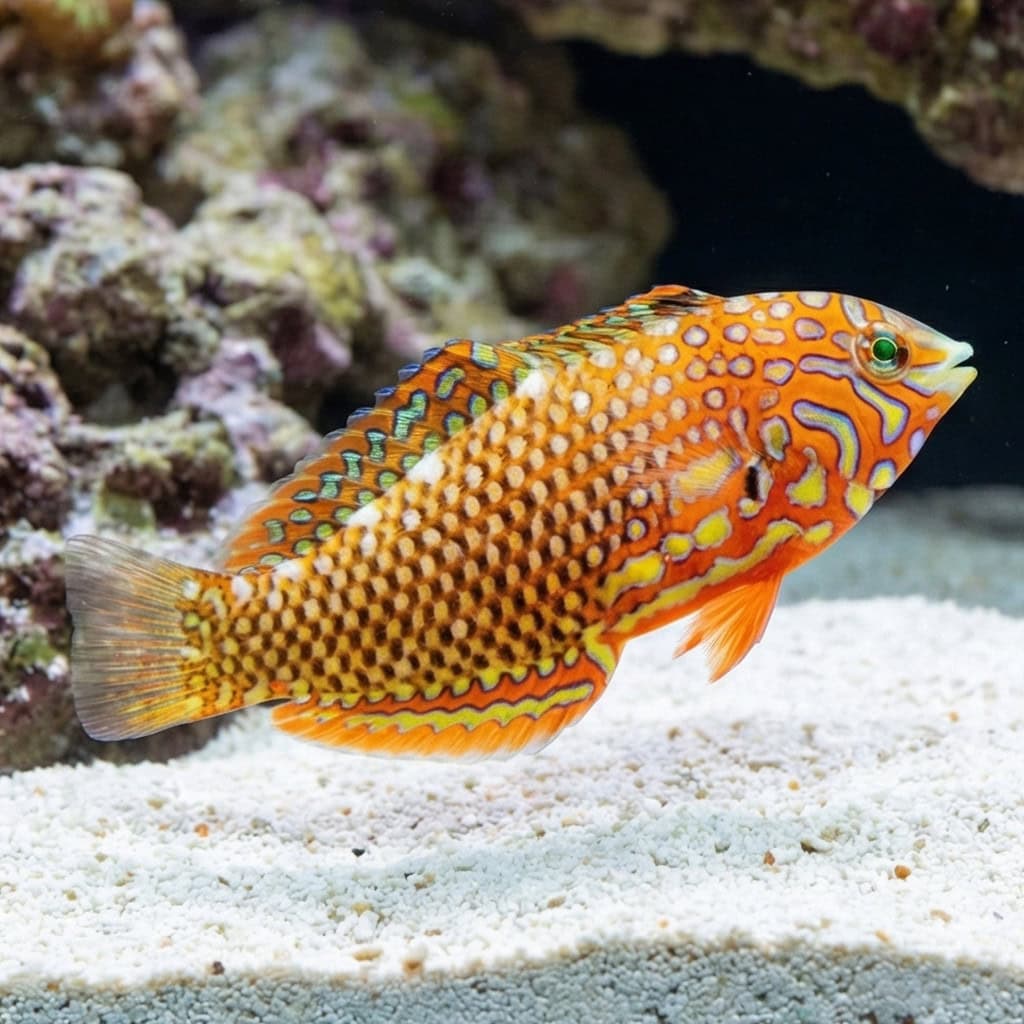
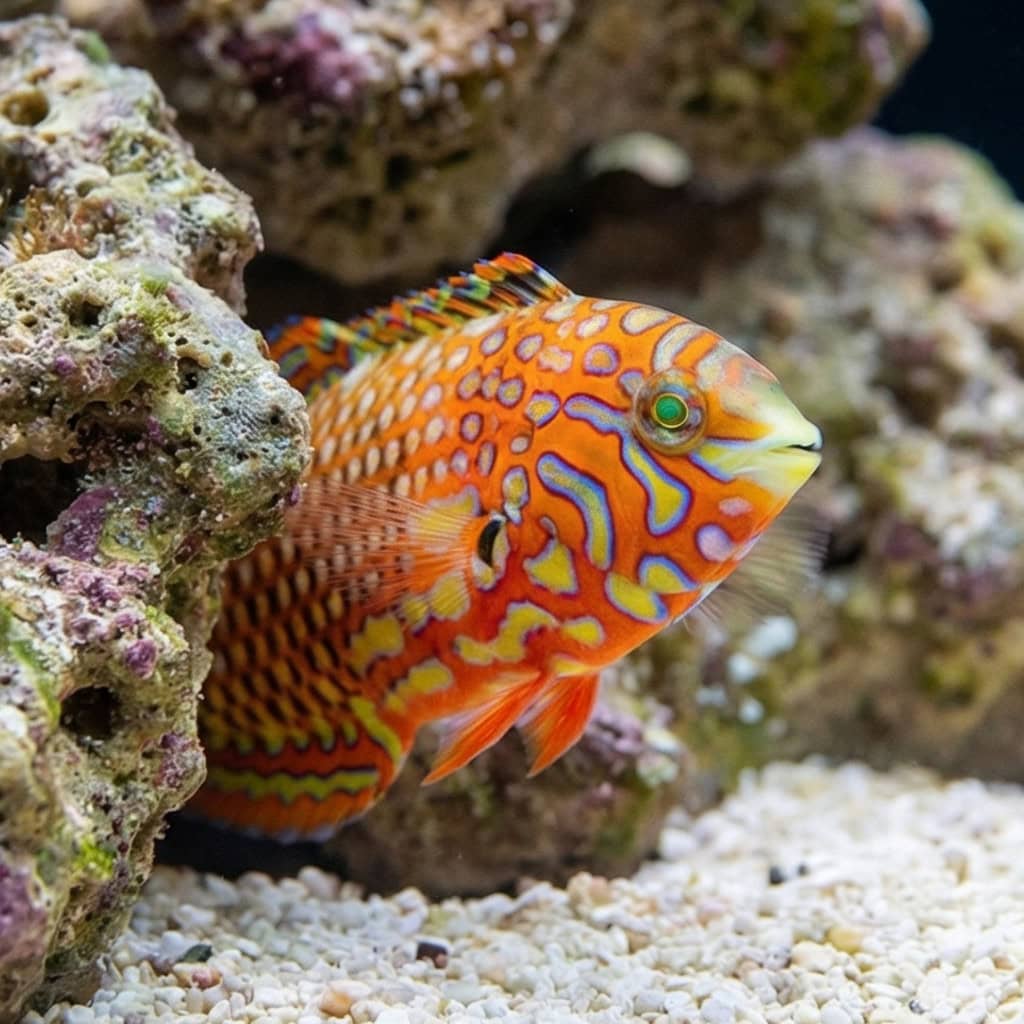
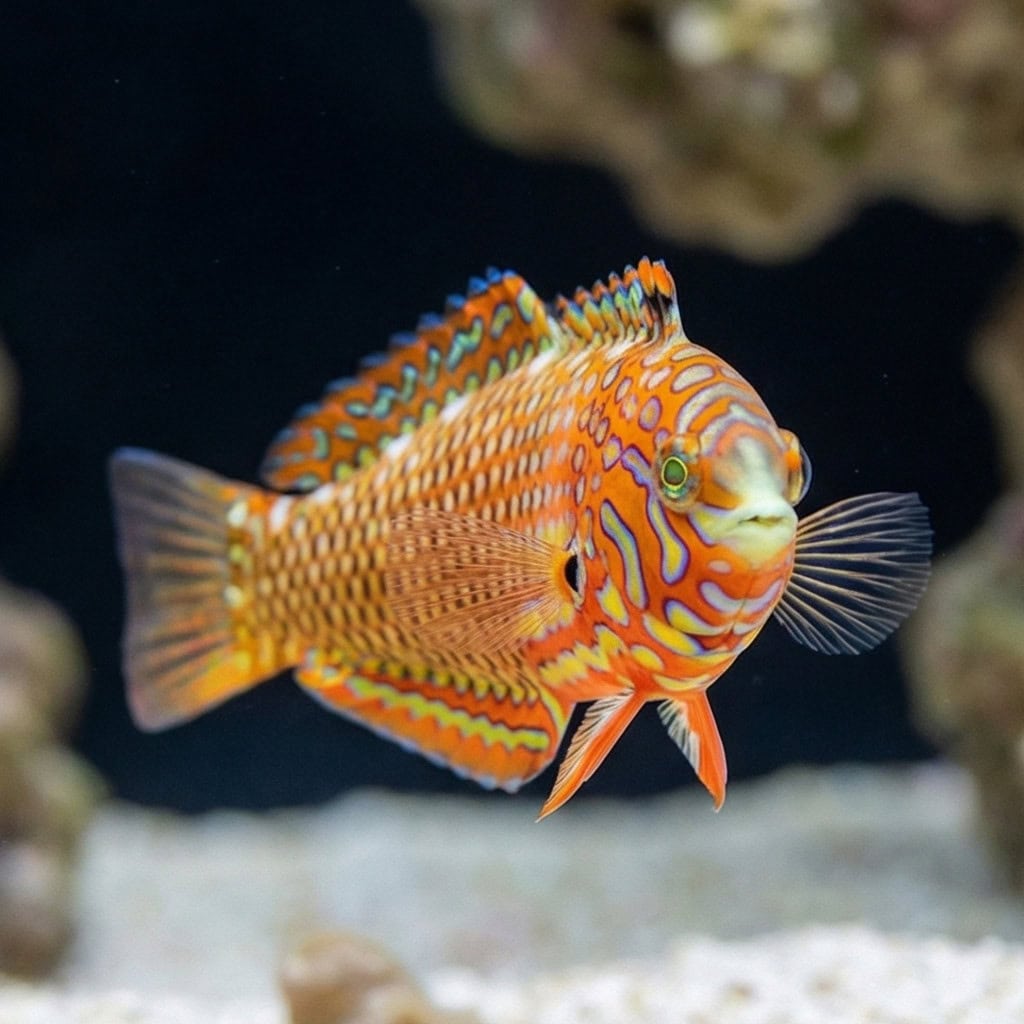
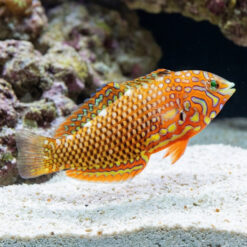
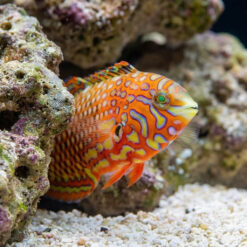
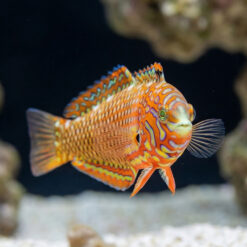
Ornate Leopard Wrasse
Macropharyngodon ornatus
Price range: $61.99 through $90.99
| Stock | Variations | Price | Quantity | |
|---|---|---|---|---|
| Only 3 left | 2.25" or smaller - Indo-Pacific | Original price was: $117.99.$61.99Current price is: $61.99. |
-
+
|
|
| Only 4 left | 2.25 - 3.5" - Indo-Pacific | Original price was: $122.99.$64.99Current price is: $64.99. |
-
+
|
|
| Only 5 left | 2.25 - 3.5" - Indian Ocean | Original price was: $171.99.$90.99Current price is: $90.99. |
-
+
|
|
| Only 4 left | 2.25" or smaller - Indian Ocean | Original price was: $166.99.$87.99Current price is: $87.99. |
-
+
|
Every order ships with our standard 3-hour live arrival guarantee. Need more time? Add our 5-Day Guarantee at checkout.
Full guarantee terms →Ships Monday – Thursday for next-day arrival at your nearest FedEx Hold location — typically ready by 9 AM. We monitor every delivery.
Shipping details →
Monday – Friday 8 AM – 9 PM
Saturday 12 PM – 4 PM
Sunday 12 PM – 9 PM
Healthy, stable animals from vetted suppliers — inspected before packing, shipped overnight. Decades of experience built this model so we can deliver premium livestock at 30%+ less than you'd pay elsewhere.
| Care Level | Expert |
|---|---|
| Temperament | Peaceful |
| Reef Safe | Yes |
| Functional Benefit | Ornamental Only |
| Diet Type | Carnivore |
| Mininum Tank Size | 55 gallons |
| Max Size | 5 inches |
| Temperature | 72–78°F |
| pH Range | 8.1–8.4 |
| Specific Gravity | 1.022–1.025 |
The Ornate Leopard Wrasse (Macropharyngodon ornatus) is a sand-sleeping leopard wrasse with a tight, maze-like patterning that reads as oranges, reds, and greens under reef lighting. It naturally comes from Indo-Pacific reef areas where sand and coral rubble meet, and it tends to stay close to the bottom while it forages.
What You’ll Observe:
- A steady “patrol” along the sand line and lower rockwork, with frequent short stops to inspect surfaces
- Quick, precise pecking at tiny items in the rock and sand throughout the day
- A predictable routine of emerging with the lights and tucking into the sand to rest
- Occasional bursts of speed between rock islands, then back to low, controlled cruising
Provide a fine sand bed deep enough for nightly burying and plenty of mature live rock surfaces to explore. Offer a mix of small meaty foods in several small feedings, and you’ll usually see more confident daytime foraging over time.
Why does it disappear into the sand for long stretches after being added?
Many individuals set a new sleep/comfort routine by burying early on, then begin showing up on a consistent daily schedule.
How do I get it eating frozen foods more reliably?
Start with smaller particle foods (roe-sized items, finely chopped meaty blends) and feed in short “passes” so it can grab pieces while it cruises.
Does sand grain size matter for this species?
Fine, smooth sand supports normal burying behavior; many keepers aim for an area of finer sand even if the rest of the tank is mixed.
How can I tell if mine is male or female?
Leopard wrasses can shift sex over time; males are typically more boldly marked and “cleaner” in contrast as they mature.
Can I keep two Ornate Leopard Wrasses together long-term?
Pairs and small groups are kept successfully in larger, mature systems; introductions done close together often go more smoothly than adding a second much later.
Each fish is checked for strong appetite and activity before we approve it for your tank.
Recently viewed products