
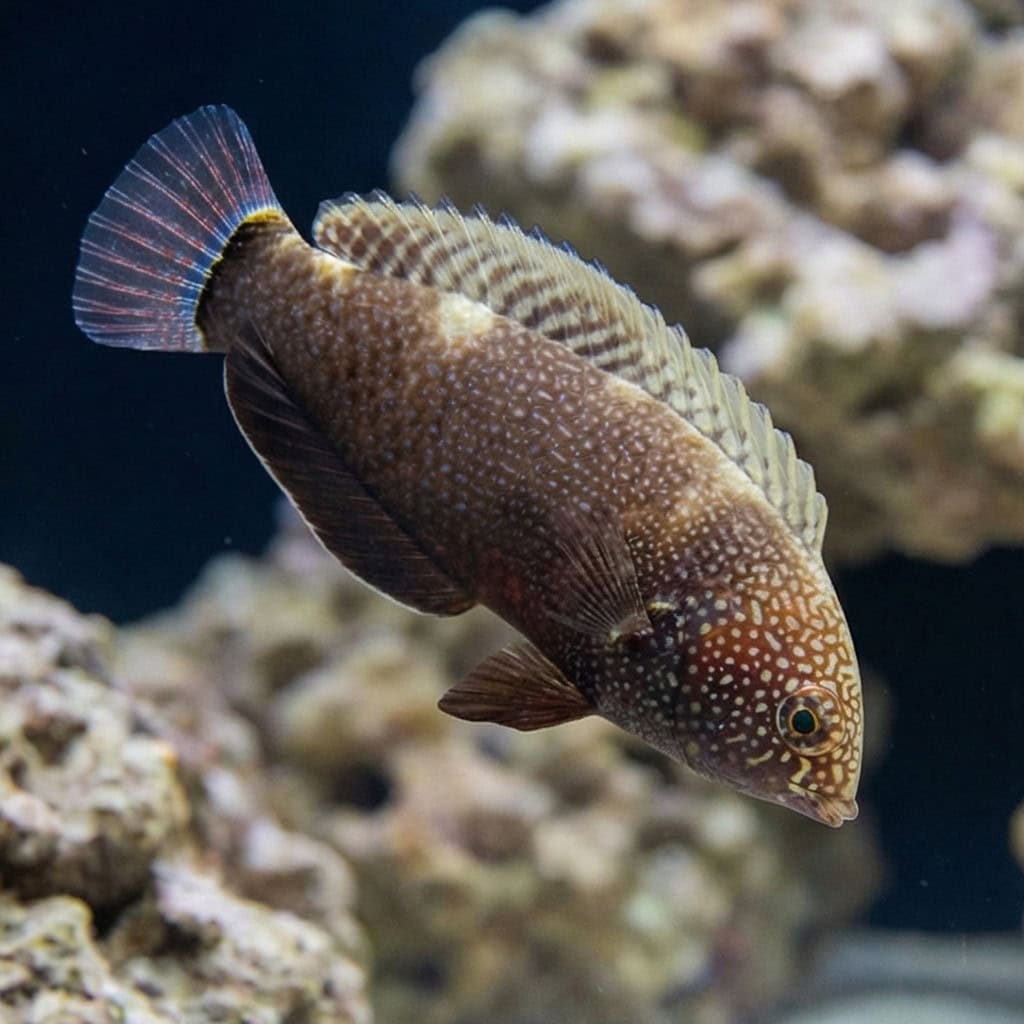
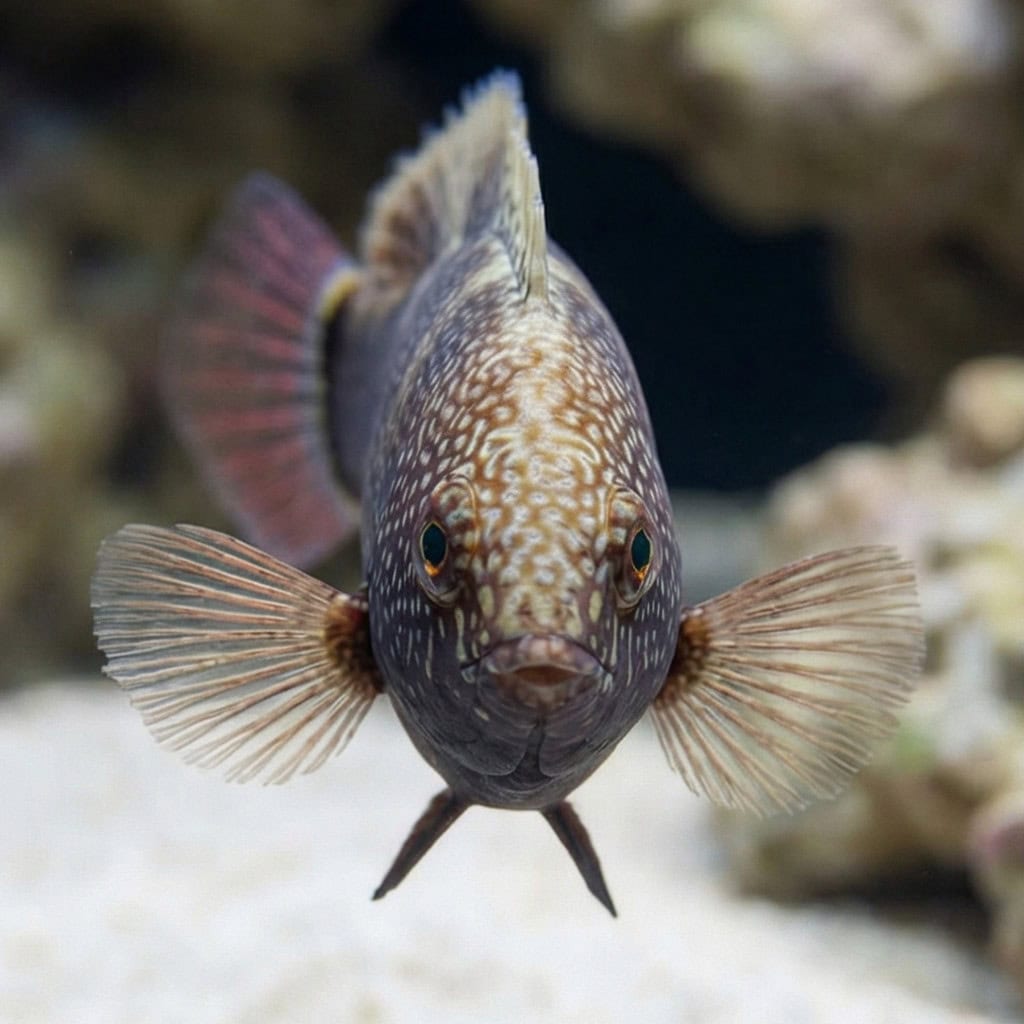
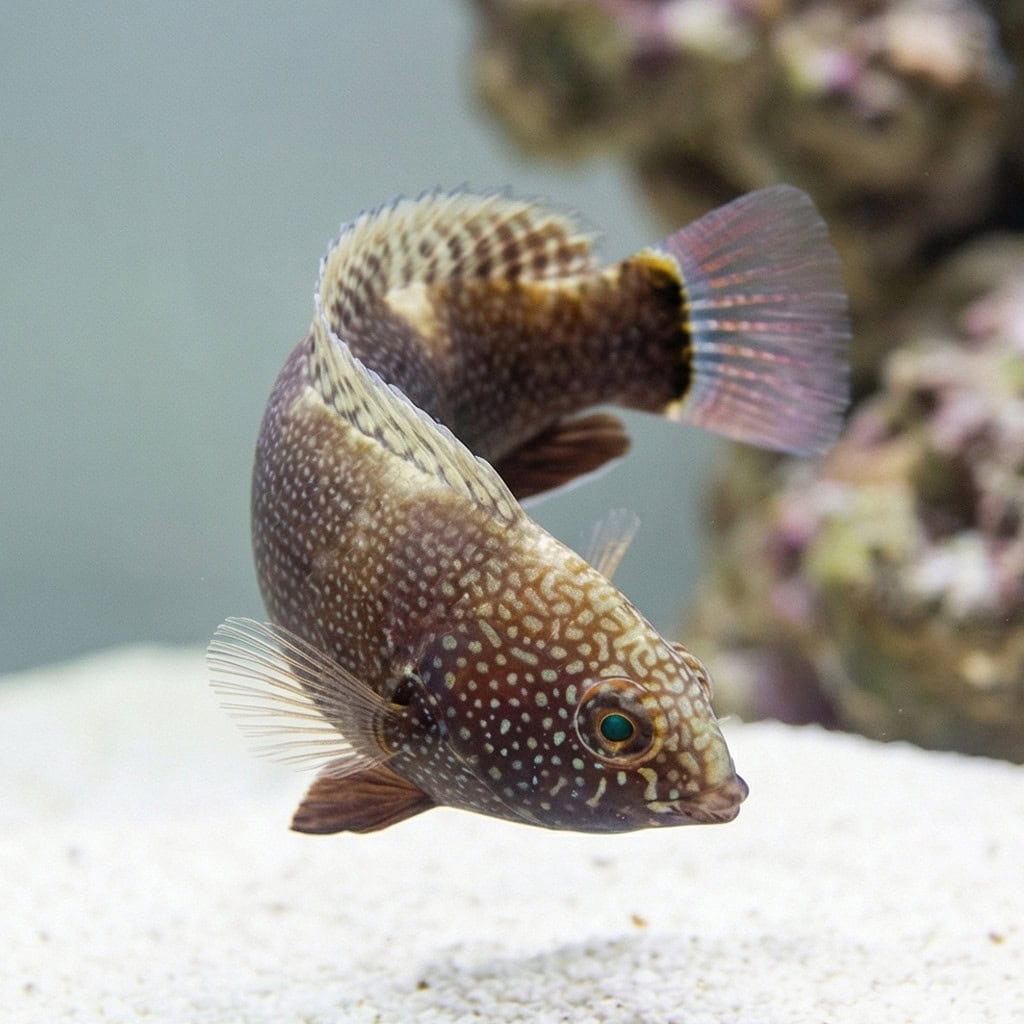
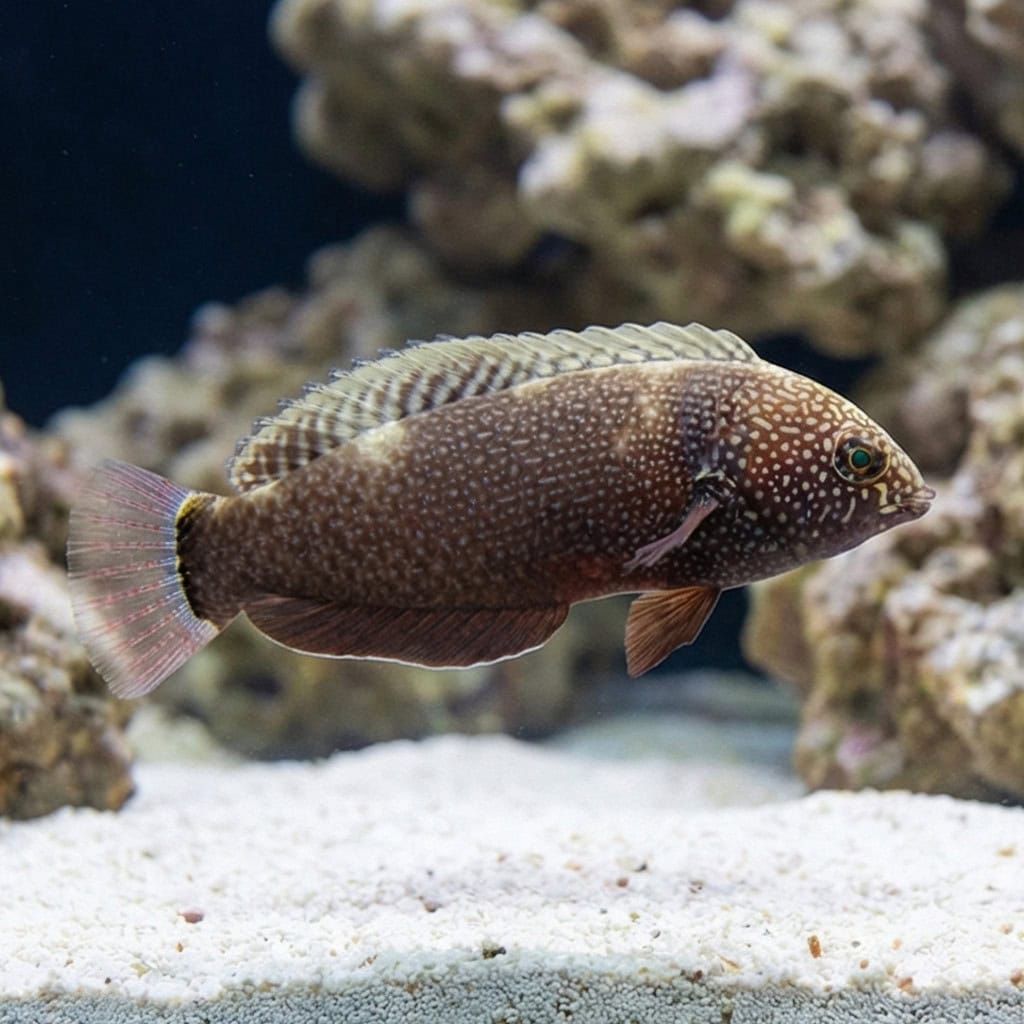
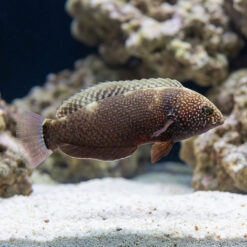
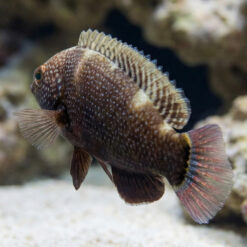
Black Leopard Wrasse
Macropharyngodon negrosensis
Price range: $65.99 through $121.99
| Stock | Variations | Price | Quantity | |
|---|---|---|---|---|
| Out of Stock | 2" or smaller - Indian Ocean | Original price was: $122.99.$64.99Current price is: $64.99. | Email me | |
| Only 2 left | 3 - 4" - South Pacific | Original price was: $230.99.$121.99Current price is: $121.99. |
-
+
|
|
| Out of Stock | 2 - 3" - South Pacific | Original price was: $196.99.$103.99Current price is: $103.99. | Email me | |
| Only 1 left | 3.5 - 4.75" - SSC Certified - Central Pacific | Original price was: $146.99.$76.99Current price is: $76.99. |
-
+
|
|
| Out of Stock | 2.25 - 3.5" - SSC Certified - Central Pacific | Original price was: $124.99.$65.99Current price is: $65.99. | Email me | |
| Out of Stock | 2.25" or smaller - SSC Certified - Central Pacific | Original price was: $110.99.$58.99Current price is: $58.99. | Email me | |
| Out of Stock | 2" or smaller - Indo-Pacific | Original price was: $107.99.$56.99Current price is: $56.99. | Email me |
Every order ships with our standard 3-hour live arrival guarantee. Need more time? Add our 5-Day Guarantee at checkout.
Full guarantee terms →Ships Monday – Thursday for next-day arrival at your nearest FedEx Hold location — typically ready by 9 AM. We monitor every delivery.
Shipping details →
Monday – Friday 8 AM – 9 PM
Saturday 12 PM – 4 PM
Sunday 12 PM – 9 PM
Healthy, stable animals from vetted suppliers — inspected before packing, shipped overnight. Decades of experience built this model so we can deliver premium livestock at 30%+ less than you'd pay elsewhere.
| Care Level | Expert |
|---|---|
| Temperament | Peaceful |
| Reef Safe | Yes |
| Functional Benefit | Ornamental Only |
| Diet Type | Carnivore |
| Mininum Tank Size | 120 gallons |
| Max Size | 5 inches |
| Temperature | 72–78°F |
| pH Range | 8.1–8.4 |
| Specific Gravity | 1.022–1.025 |
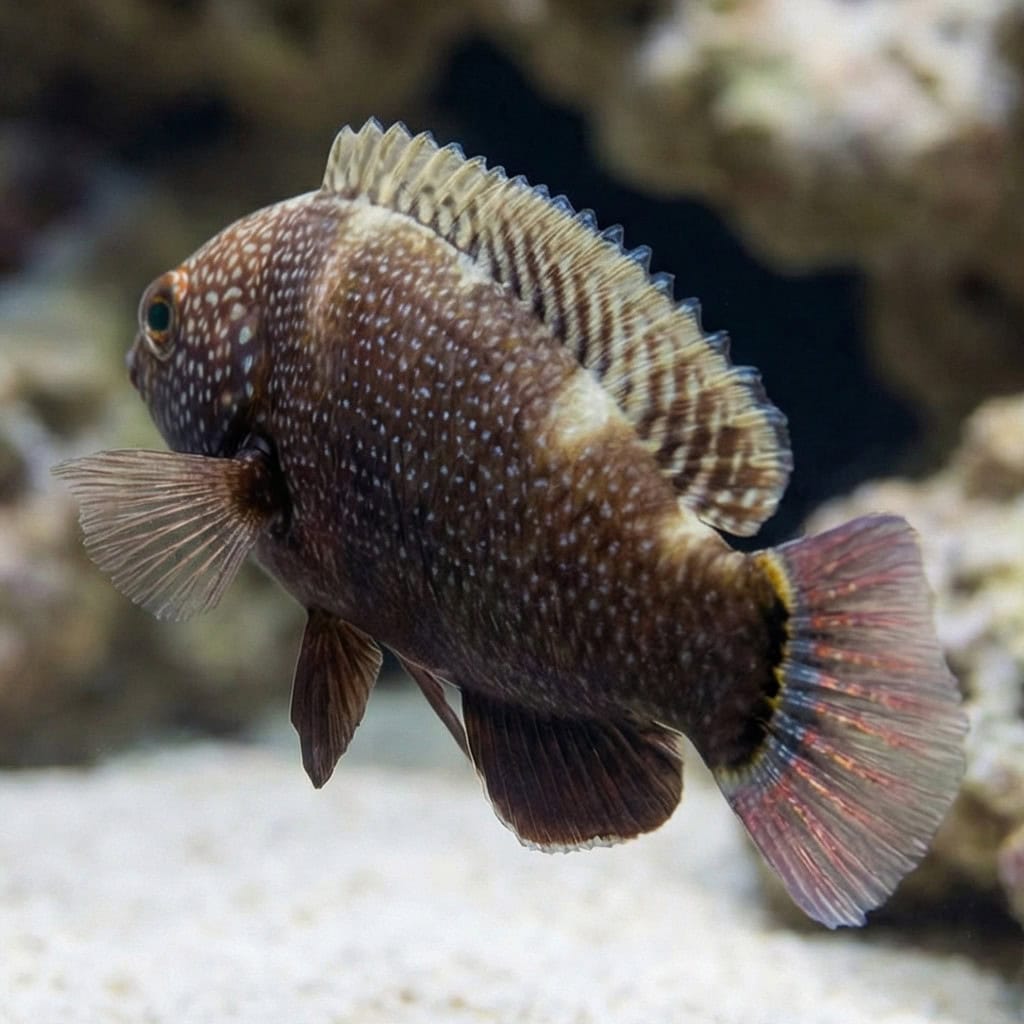
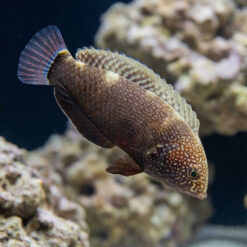
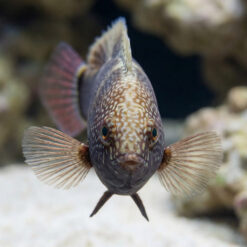
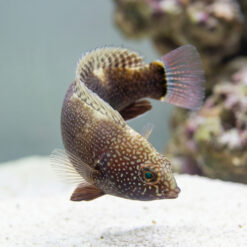
The Black Leopard Wrasse (Macropharyngodon negrosensis) is a sand-associated leopard wrasse with a dark base color, often showing pale spotting in females and pale-edged scales in males. It comes from Indo-Pacific reef zones and is typically found around mixed sand-and-coral areas where it stays close to the bottom while foraging.
What You’ll Observe:
- Low, deliberate cruising over sand and rock, with frequent “pecking” stops as it hunts tiny benthic prey
- A consistent daily routine where it patrols favorite zones and then settles into the sand to rest
- Short, quick dashes between rockwork and open sand patches during active foraging
- An introduction period where it may spend extended time buried, then begins appearing more regularly
To succeed, provide a mature reef aquarium with a fine, smooth sand bed (sugar-fine aragonite style) and plenty of established rockwork so it can forage naturally. Offer small meaty foods in appropriately sized bites (and keep natural microfauna production strong) so your wrasse can feed confidently throughout the day.
Why does it disappear into the sand right after being added?
This is a normal “settling” behavior for many sand-sleeping wrasses, especially right after shipping and acclimation.
Will it eat frozen foods, or does it need live pods?
Many individuals learn frozen foods over time, but most do best when the tank also has a steady supply of natural microfauna to hunt.
How deep does the sand bed need to be for normal behavior?
Most keepers focus less on an exact number and more on having a consistent area of fine, easy-to-bury-in sand across part of the tank.
Can I quarantine this species without a sand bed?
If you quarantine, many hobbyists use a container of fine sand so it can bury normally, rather than forcing it to stay exposed.
Is it normal for this wrasse to only show up at certain times of day at first?
Yes—after it “sets” a routine, you usually see a more predictable pattern of morning/afternoon activity and evening burial.
Each fish is checked for strong appetite and activity before we approve it for your tank.
Recently viewed products