
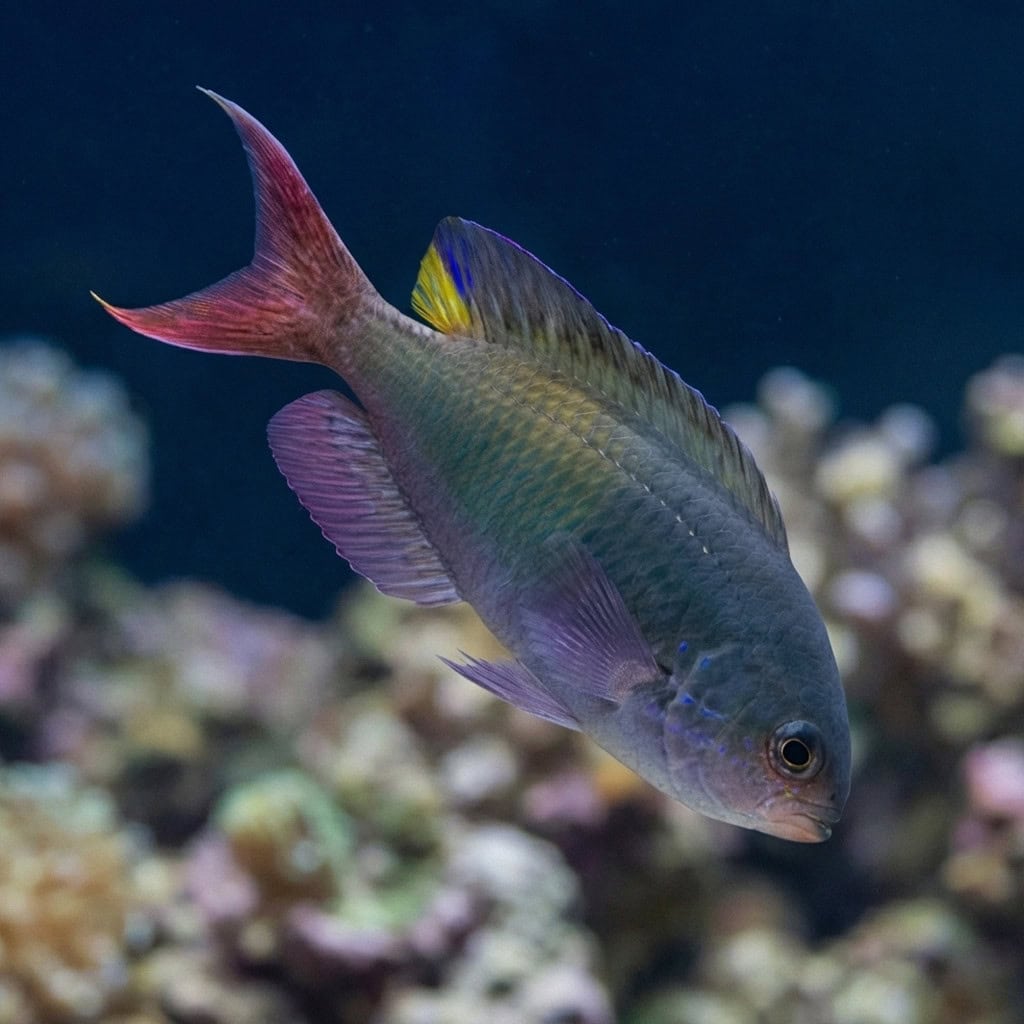
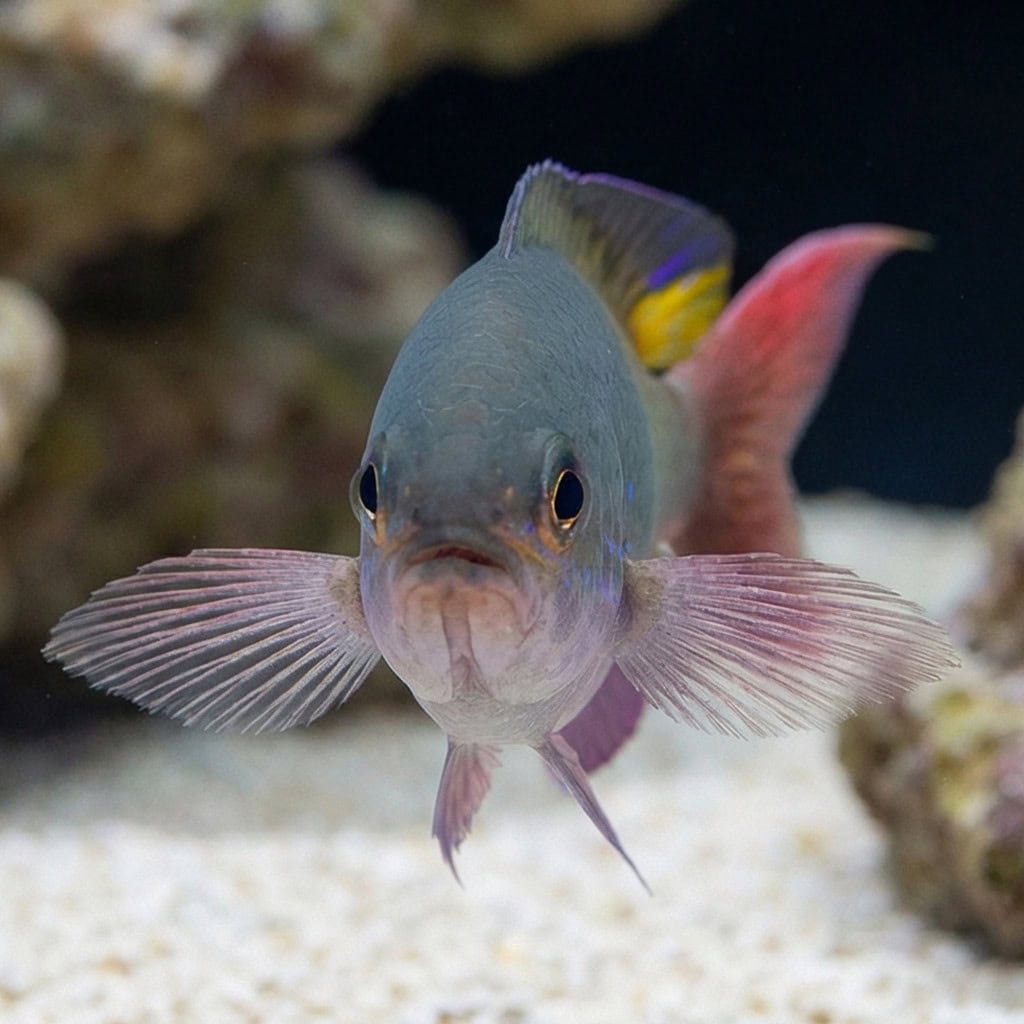
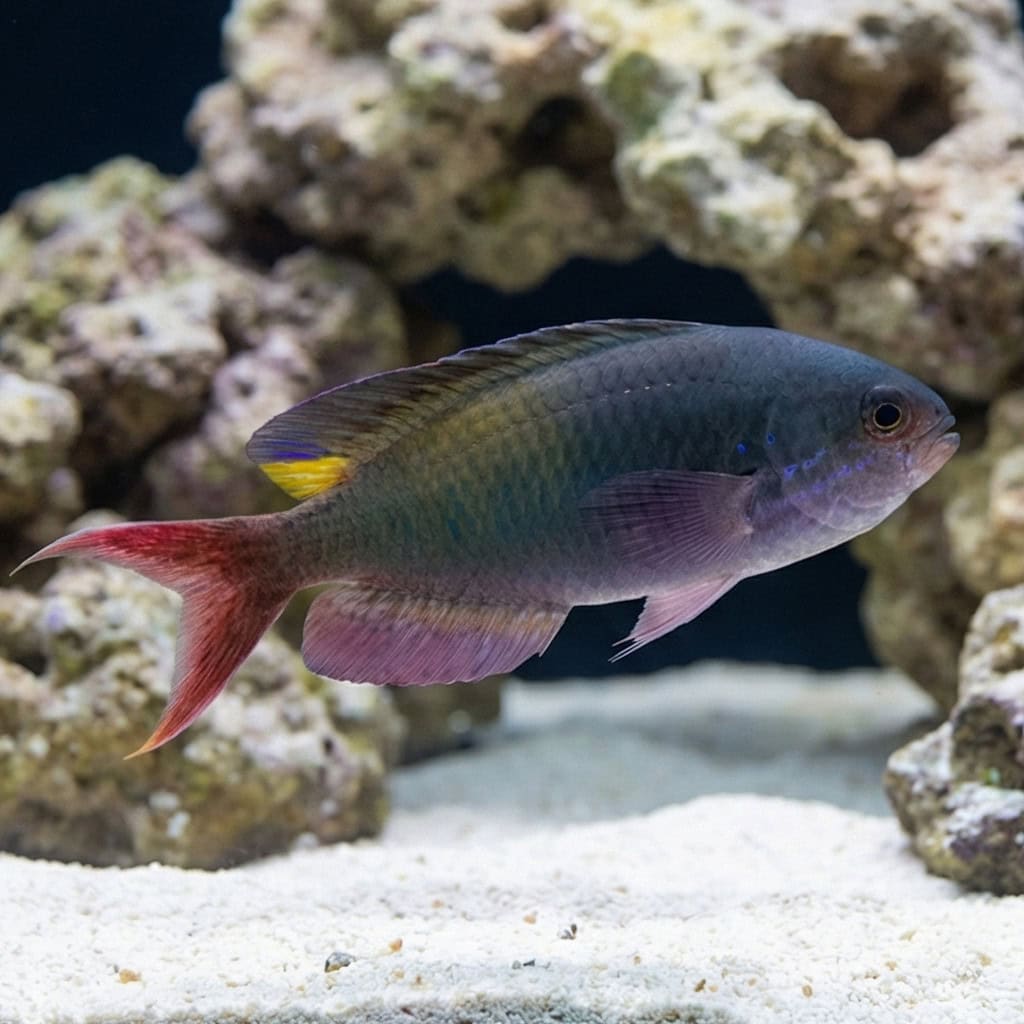
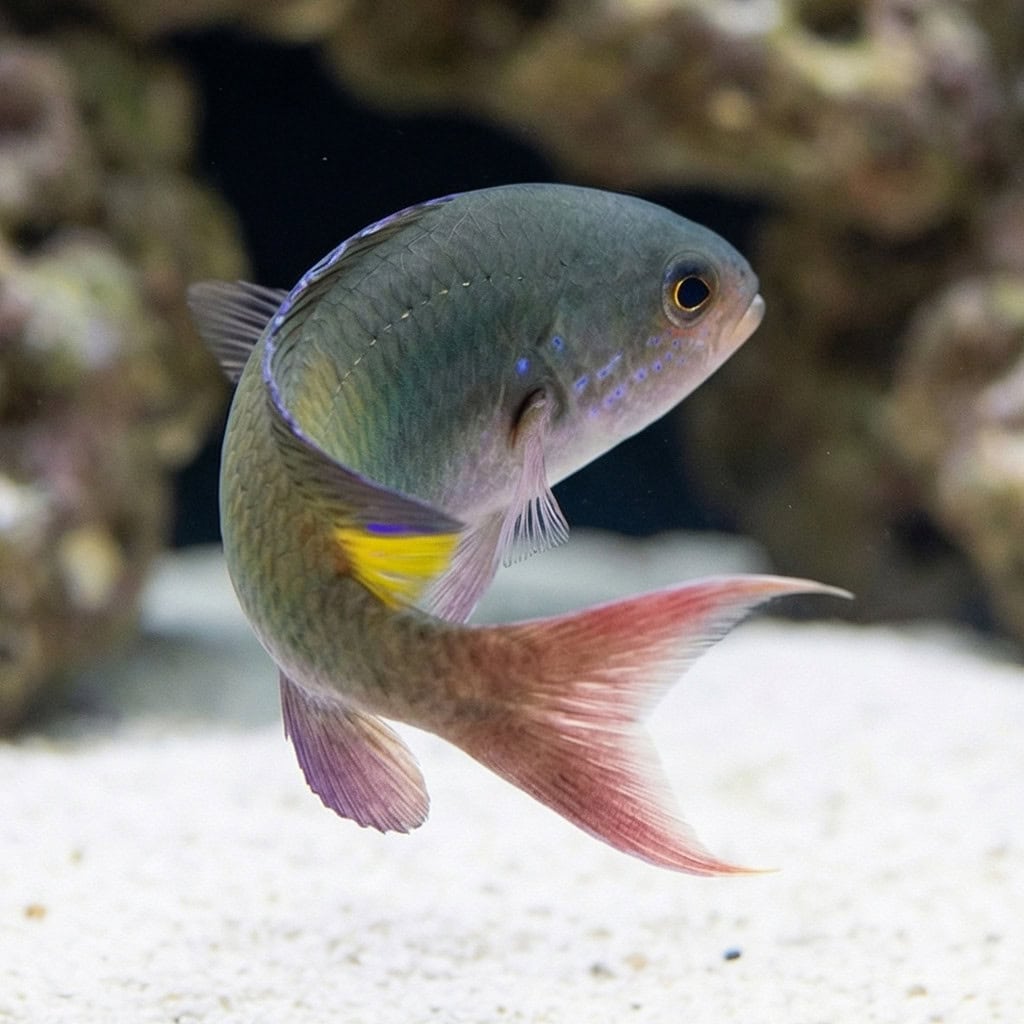
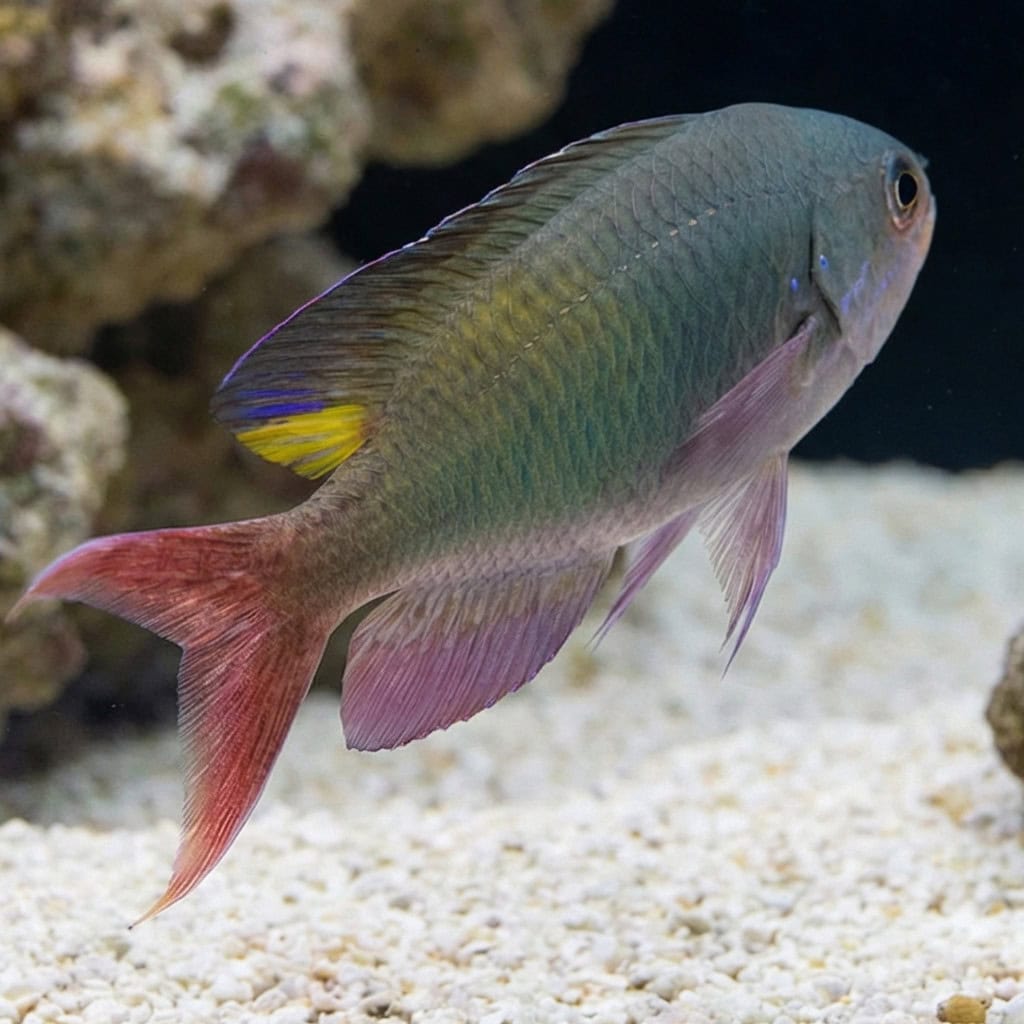
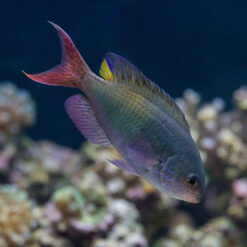
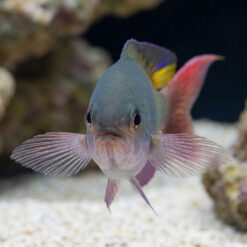
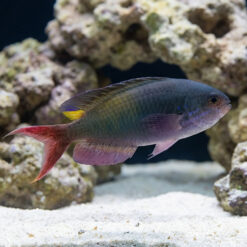
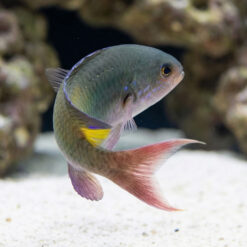
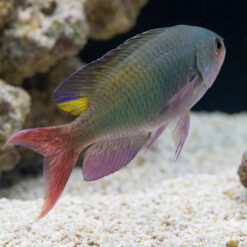
Fulsilier Damsel
Lepidozygus tapeinosoma
Price range: $28.99 through $36.99
| Stock | Variations | Price | Quantity | |
|---|---|---|---|---|
| Only 1 left | 3 - 4" - SSC Certified - Central Pacific | Original price was: $68.99.$36.99Current price is: $36.99. |
-
+
|
|
| Only 1 left | 2 - 3" - SSC Certified - Central Pacific | Original price was: $58.99.$30.99Current price is: $30.99. |
-
+
|
|
| Only 9 left | 2" or smaller - SSC Certified - Central Pacific | Original price was: $54.99.$28.99Current price is: $28.99. |
-
+
|
Every order ships with our standard 3-hour live arrival guarantee. Need more time? Add our 5-Day Guarantee at checkout.
Full guarantee terms →Ships Monday – Thursday for next-day arrival at your nearest FedEx Hold location — typically ready by 9 AM. We monitor every delivery.
Shipping details →
Monday – Friday 8 AM – 9 PM
Saturday 12 PM – 4 PM
Sunday 12 PM – 9 PM
Healthy, stable animals from vetted suppliers — inspected before packing, shipped overnight. Decades of experience built this model so we can deliver premium livestock at 30%+ less than you'd pay elsewhere.
| Care Level | Easy |
|---|---|
| Temperament | Semi-Aggressive |
| Reef Safe | Yes |
| Functional Benefit | Ornamental Only |
| Diet Type | Omnivore |
| Mininum Tank Size | 55 gallons |
| Max Size | 4 inches |
| Temperature | 72–78°F |
| pH Range | 8.1–8.4 |
| Specific Gravity | 1.022–1.025 |
The Fulsilier Damsel (Lepidozygus tapeinosoma) is a streamlined, mid-water damselfish from the Indo-Pacific that’s often kept as an active “shoaling” fish in reef aquariums. Adults reach about 4 inches and tend to show subtle color shifts depending on activity and lighting.
What You’ll Observe:
- Spends most of the day cruising the open water column rather than sitting on the rocks
- In a group, forms a loose shoal and often moves in the same general direction together
- Quick, darting feeding responses once it recognizes your routine (especially at the front glass)
- Color tone that can look different at rest vs. during active swimming
To help it settle in, provide a clear swimming lane plus rockwork with a few crevices for night-time retreat. Offer a mixed diet of quality pellets/flake and frozen foods, including options with some algae content, and feed small portions consistently. This species is commonly kept in groups when added together to a stable reef.
Do they “school” tightly like baitfish?
They typically form a loose shoal in aquariums—more coordinated in larger displays and when kept as a small group added at the same time.
How many should I add if I want a group look?
Most hobbyists aim for several individuals so attention is spread out and the fish spend more time in the water column together.
Do they behave more like Chromis or like typical damsels?
They’re often chosen as a Chromis alternative, but still have a damselfish “confidence,” especially once established.
Will they eat prepared foods quickly?
Many specimens transition well to prepared foods (pellets, flake, and frozen mixes) once they learn the feeding schedule.
Why does the color look different day to day?
Keepers commonly notice tone shifts with activity level, lighting spectrum, and how “settled” the fish is in the tank.
Our selection process means you get robust, well-adjusted specimens that settle in quickly.
Recently viewed products