
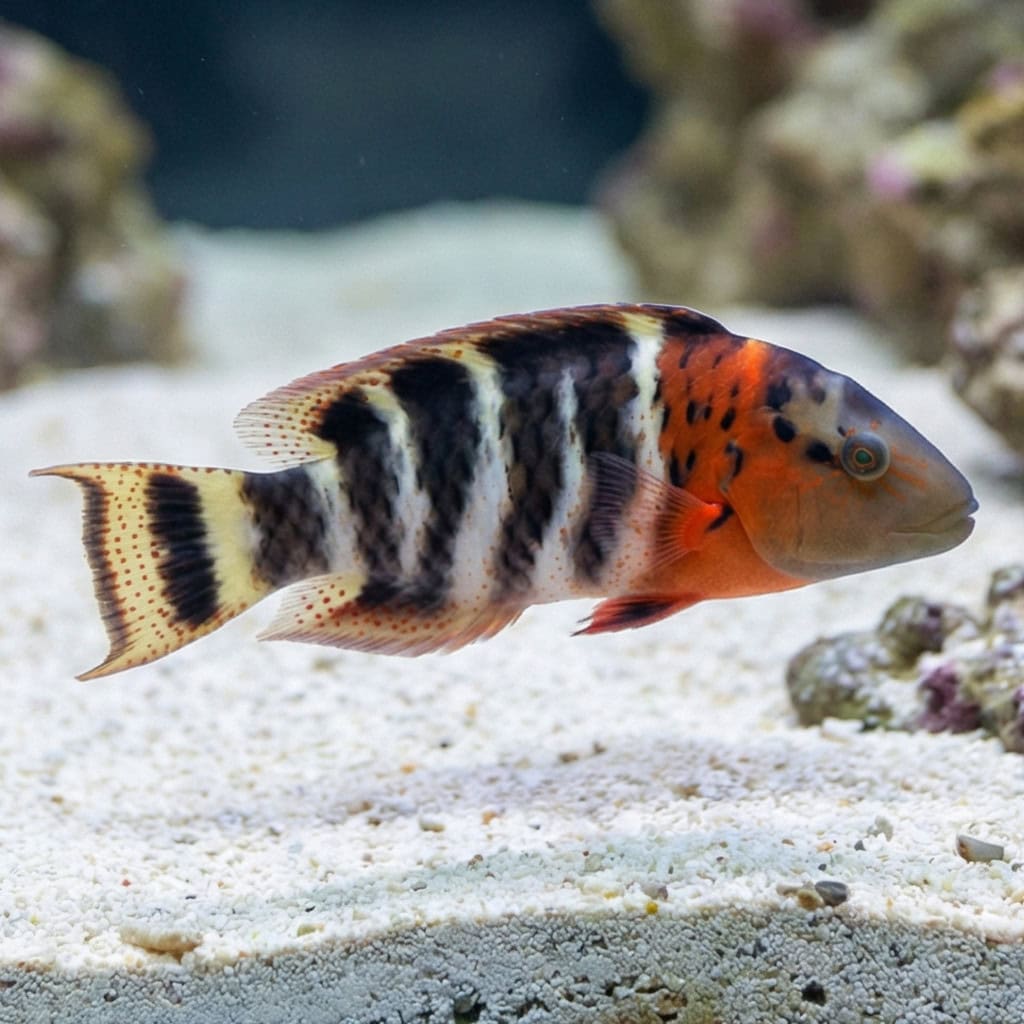
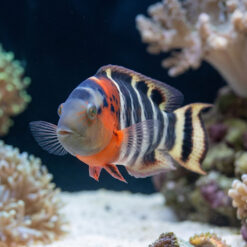
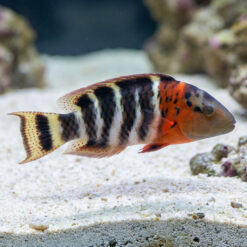
Red Breasted Maori Wrasse
Cheilinus fasciatus
| Stock | Variations | Price | Quantity |
|---|
Every order ships with our standard 3-hour live arrival guarantee. Need more time? Add our 5-Day Guarantee at checkout.
Full guarantee terms →Ships Monday – Thursday for next-day arrival at your nearest FedEx Hold location — typically ready by 9 AM. We monitor every delivery.
Shipping details →
Monday – Friday 8 AM – 9 PM
Saturday 12 PM – 4 PM
Sunday 12 PM – 9 PM
Healthy, stable animals from vetted suppliers — inspected before packing, shipped overnight. Decades of experience built this model so we can deliver premium livestock at 30%+ less than you'd pay elsewhere.
| Care Level | Moderate |
|---|---|
| Temperament | Peaceful |
| Reef Safe | No |
| Functional Benefit | Ornamental Only |
| Diet Type | Carnivore |
| Mininum Tank Size | 180 gallons |
| Max Size | 18 inches |
| Temperature | 72–78°F |
| pH Range | 8.1–8.4 |
| Specific Gravity | 1.022–1.025 |
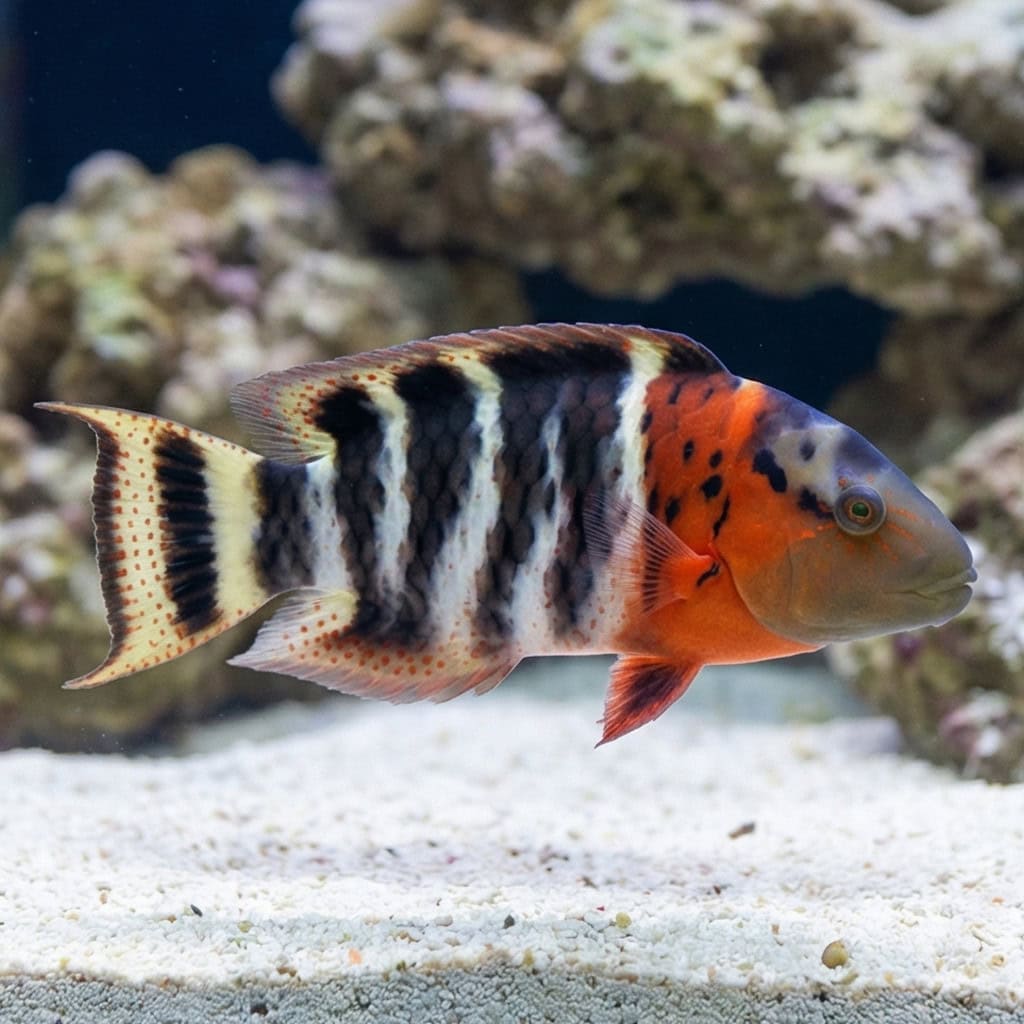
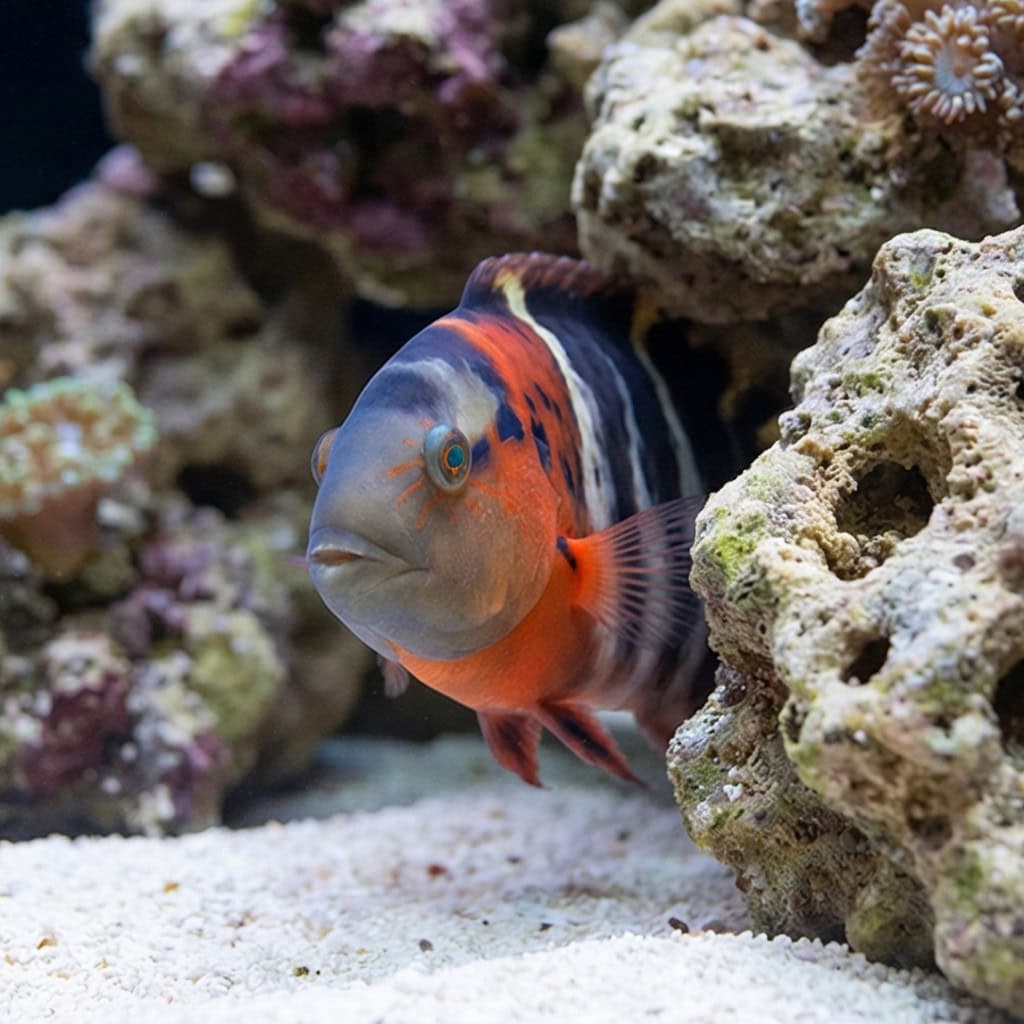
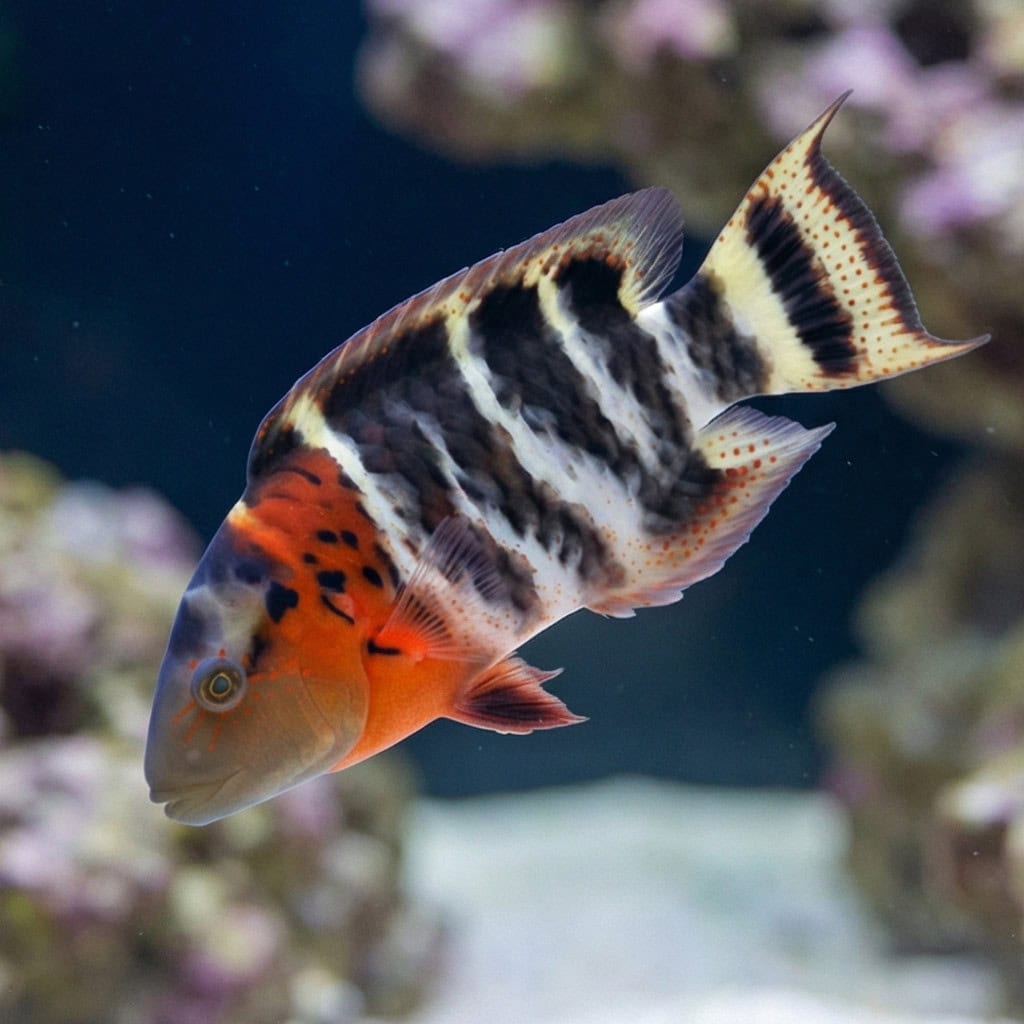
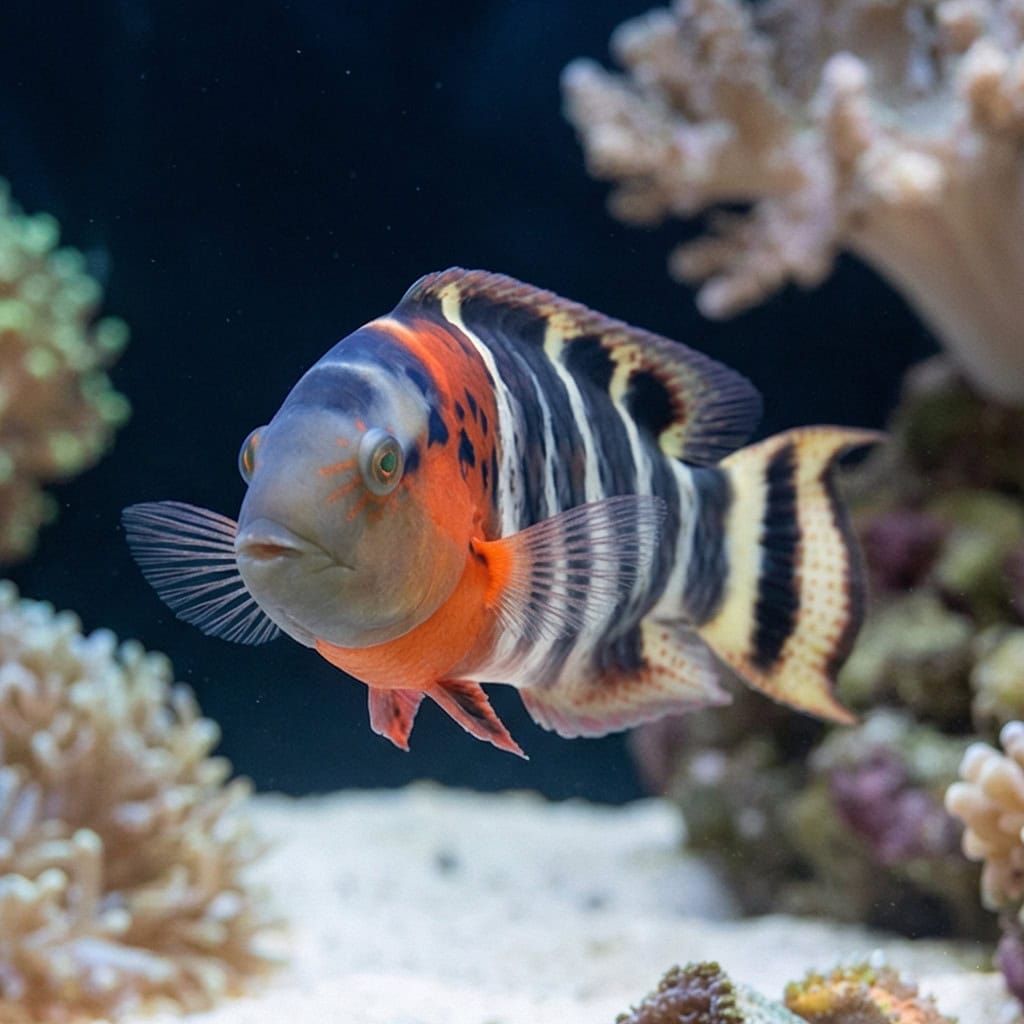
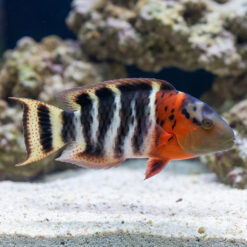
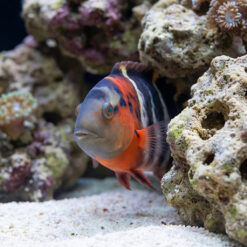
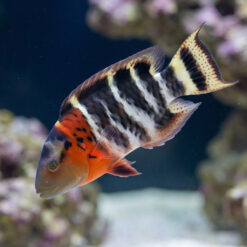
The Red Breasted Maori Wrasse (Cheilinus fasciatus) is a large Indo-Pacific wrasse with bold vertical light bars over a reddish-brown body, plus a bright orange-red patch near the pectoral area. Adults are often seen cruising reef edges and rubble zones where sand meets rockwork.
What You’ll Observe:
- Methodical “patrolling” along rock faces and sand lines, with frequent stops to inspect the bottom
- Periodic resting on the seafloor or settling into protected areas of the rockwork
- Short bursts of activity when food hits the water, followed by slower, deliberate foraging
- A routine of covering different zones of the tank through the day rather than hovering in one spot
Provide a spacious aquascape with open swim lanes plus sturdy live rock and a sandy area the fish can work through while searching for food. Offer meaty, carnivore-leaning foods (like mysis, chopped seafood, and quality prepared foods) on a consistent schedule so it learns your feeding routine. With calm, established tankmates and stable water parameters, it tends to spend more time out in the open where you can observe its full range of movement.
Will it always eat right away in quarantine?
Some keepers find it settles in fastest when offered a mix of frozen options and smaller pieces, given a few quiet feeding attempts per day.
Does it need sand, or can it be kept bare-bottom temporarily?
A sand area in the display helps it act more naturally while it forages; in temporary bare-bottom setups, stable shelter and low-stress surroundings help it transition smoothly.
Is it normal for this wrasse to rest on the sand or wedge into rockwork at night?
Yes—many owners describe a clear day/night routine where it “beds down” in a protected spot and resumes normal patrol behavior after lights come on.
Will it move sand enough to bother frags or rockwork?
It can shift sand while searching for food, so it helps to keep loose frags secure and place unstable items where digging won’t undermine them.
Do its colors and pattern change as it grows?
Yes—hobbyists commonly notice stronger contrast and more pronounced adult patterning as the fish matures, especially once it’s fully settled into the tank.
Each fish is checked for strong appetite and activity before we approve it for your tank.
Recently viewed products