
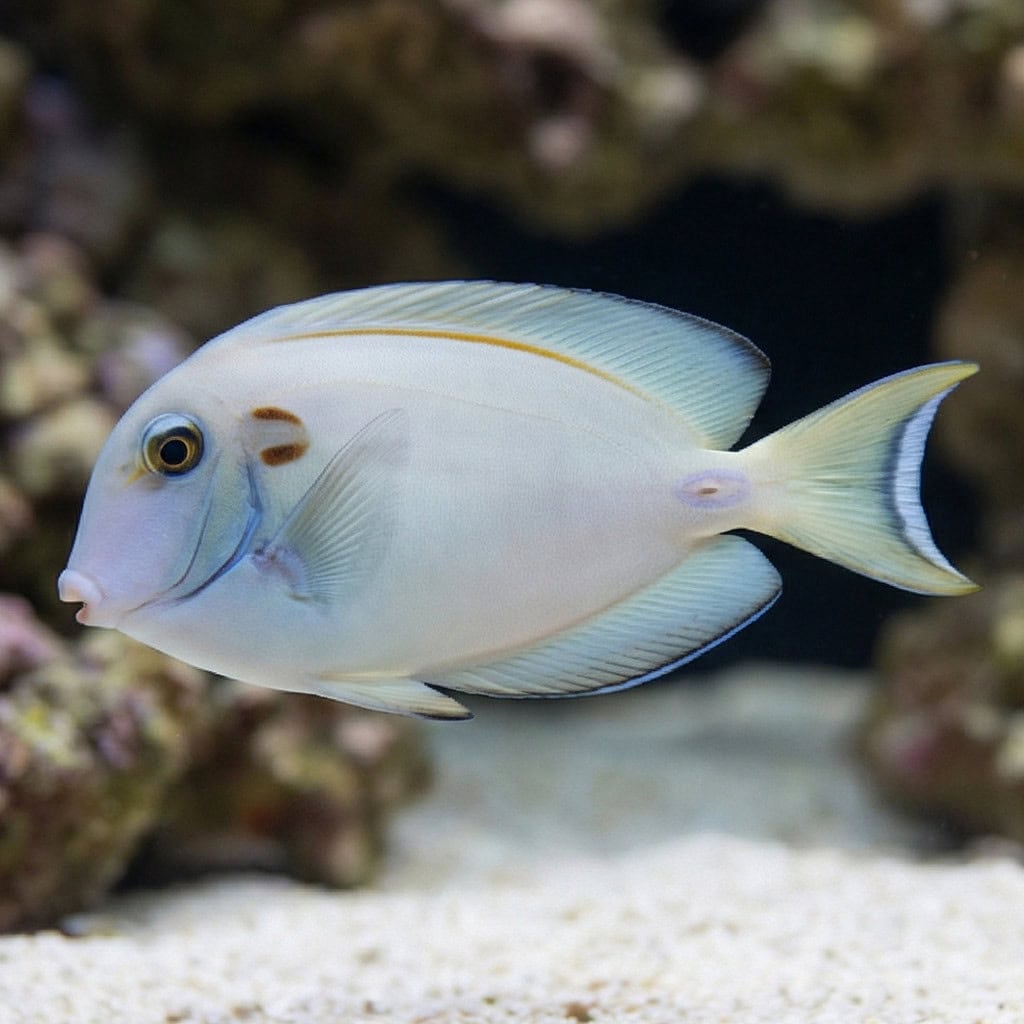
Tennenti Tang
Acanthurus tennentii
Price range: $104.99 through $180.99
| Stock | Variations | Price | Quantity | |
|---|---|---|---|---|
| Only 1 left | 2.75 - 3.75" - Indo-Pacific | Original price was: $343.99.$180.99Current price is: $180.99. |
-
+
|
|
| Only 9 left | 2.75 - 3.75" - Indian Ocean | Original price was: $199.99.$104.99Current price is: $104.99. |
-
+
|
|
| Out of Stock | 1.75 - 2.75" - Indian Ocean | Original price was: $172.99.$90.99Current price is: $90.99. | Email me |
Every order ships with our standard 3-hour live arrival guarantee. Need more time? Add our 5-Day Guarantee at checkout.
Full guarantee terms →Ships Monday – Thursday for next-day arrival at your nearest FedEx Hold location — typically ready by 9 AM. We monitor every delivery.
Shipping details →
Monday – Friday 8 AM – 9 PM
Saturday 12 PM – 4 PM
Sunday 12 PM – 9 PM
Healthy, stable animals from vetted suppliers — inspected before packing, shipped overnight. Decades of experience built this model so we can deliver premium livestock at 30%+ less than you'd pay elsewhere.
| Care Level | Moderate |
|---|---|
| Temperament | Semi-Aggressive |
| Reef Safe | Yes |
| Functional Benefit | Algae Control |
| Diet Type | Herbivore |
| Mininum Tank Size | 180 gallons |
| Max Size | 12 inches |
| Temperature | 72–78°F |
| pH Range | 8.1–8.4 |
| Specific Gravity | 1.022–1.025 |
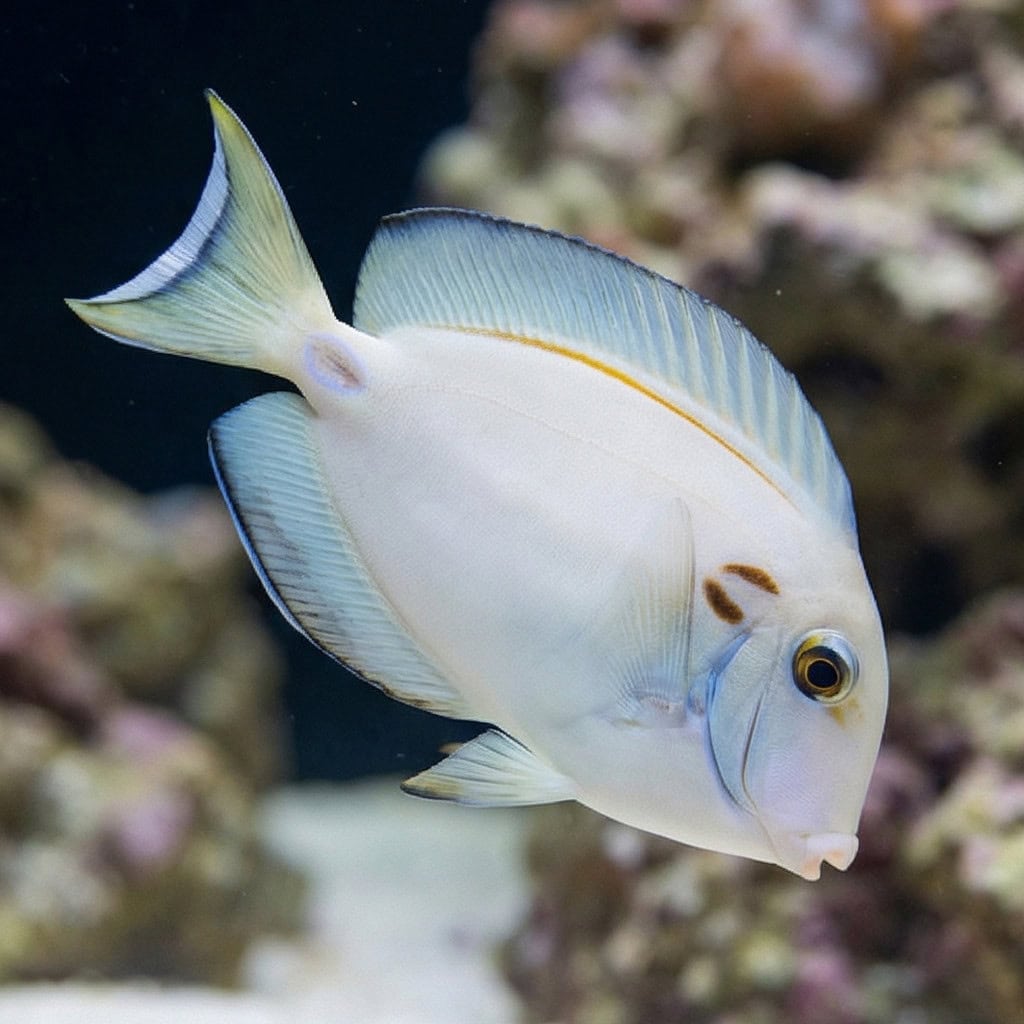
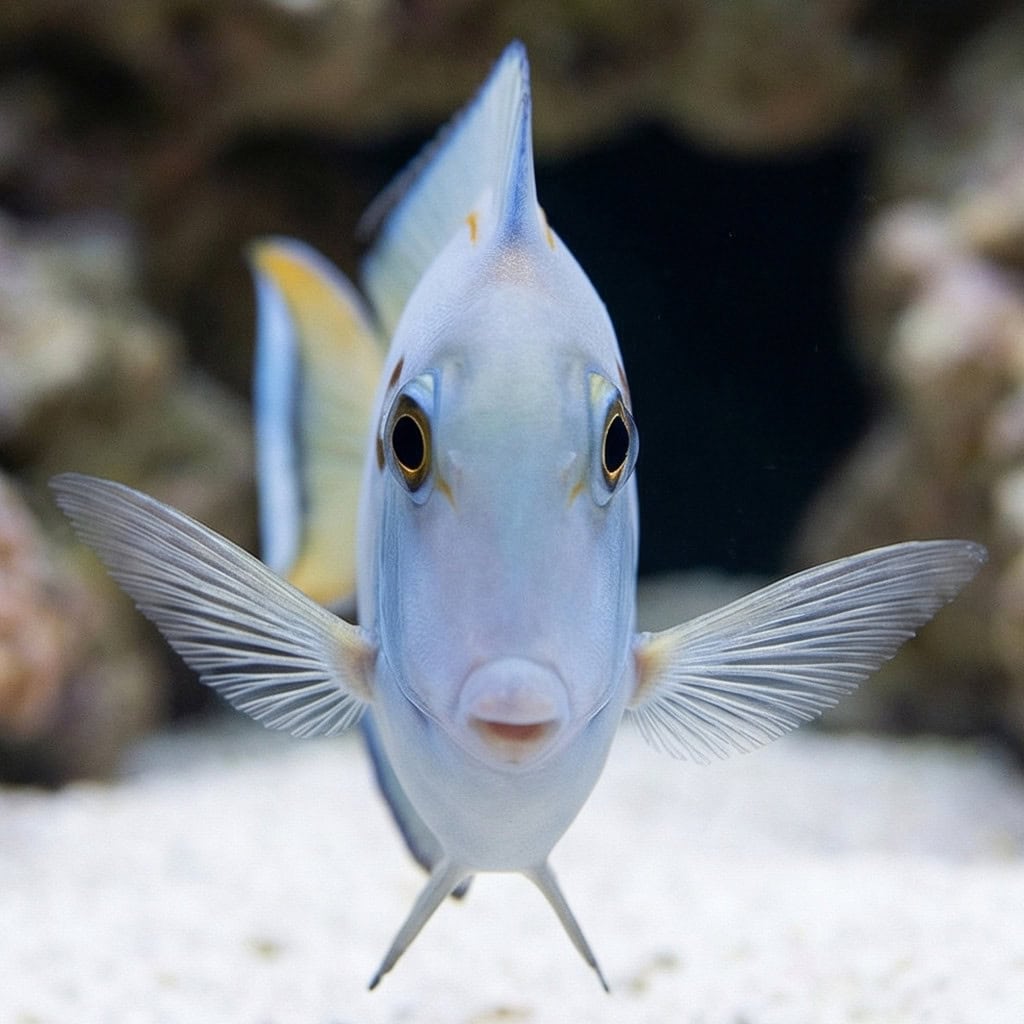
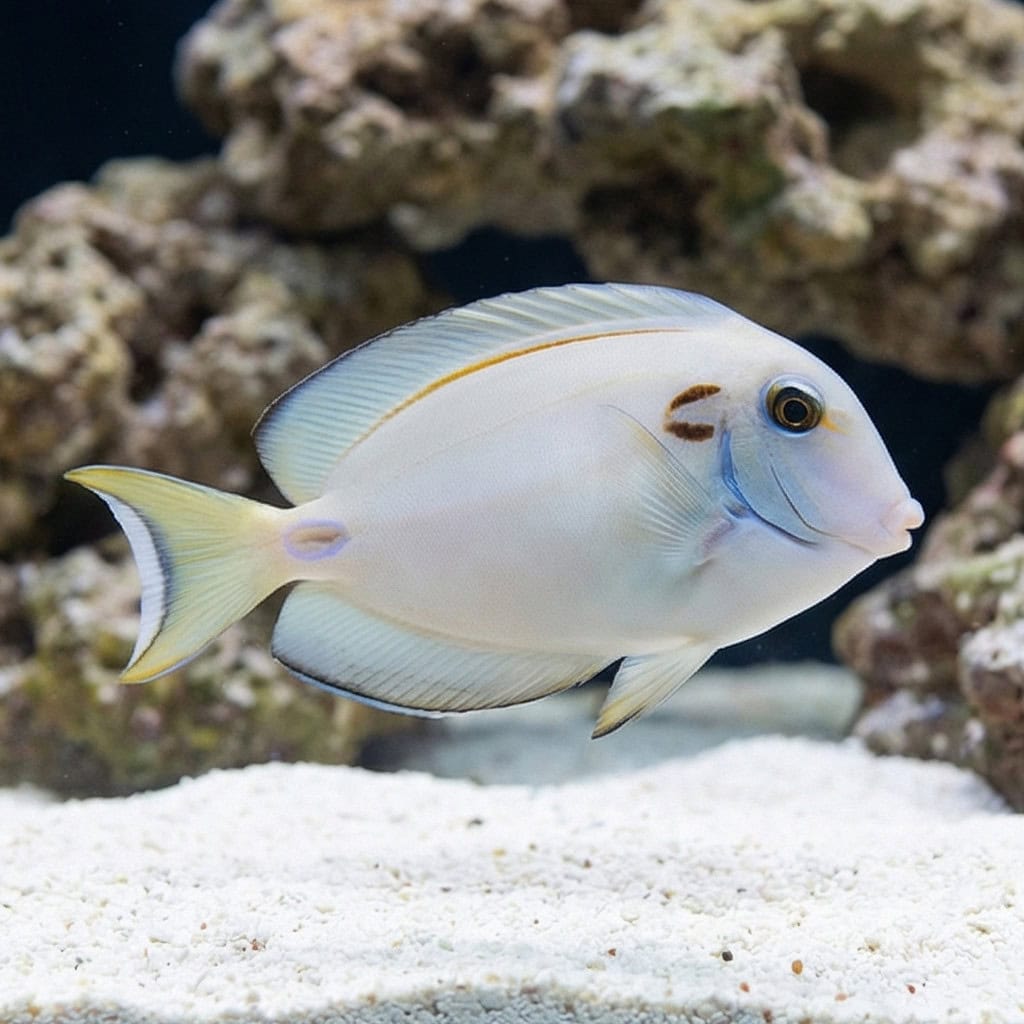
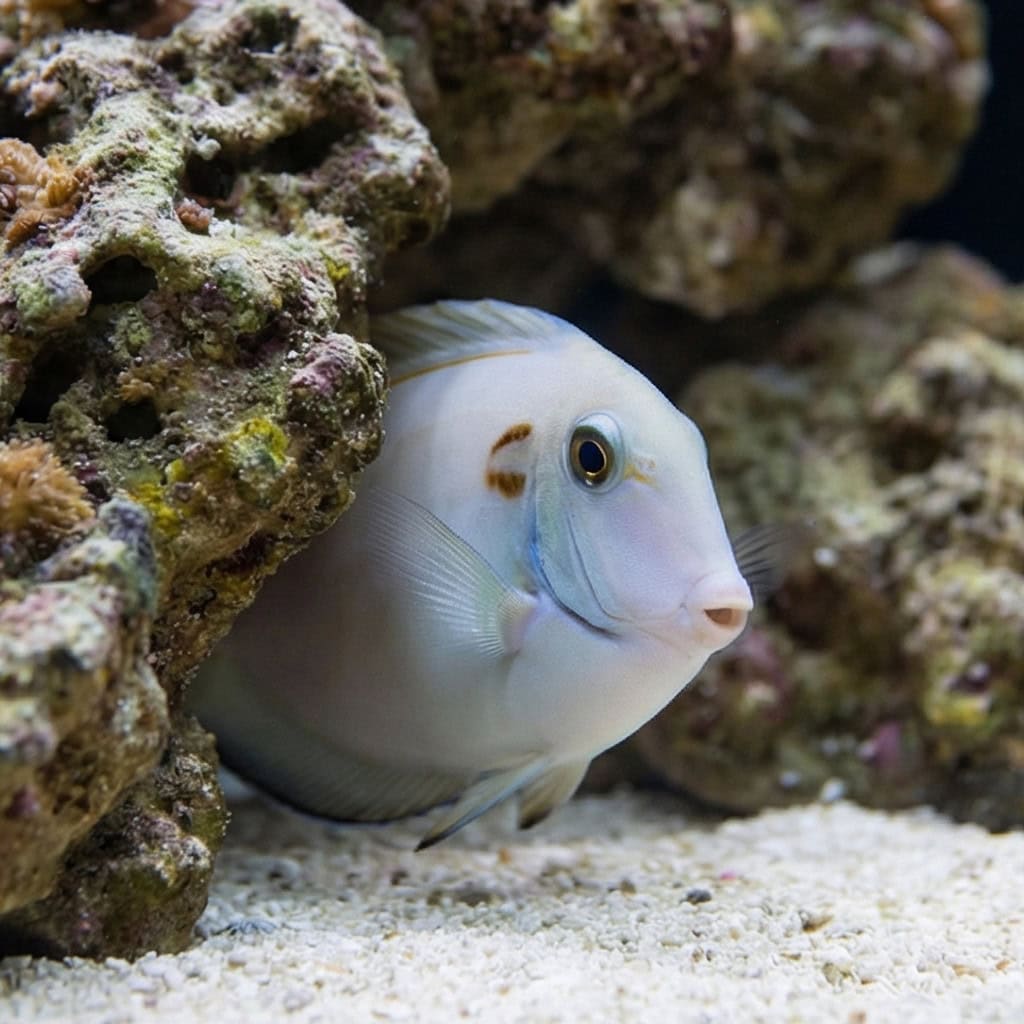
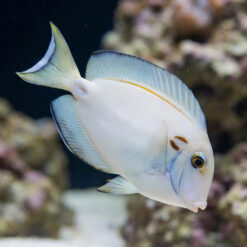
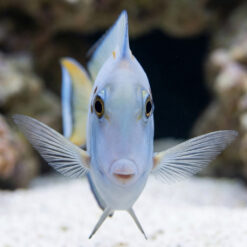
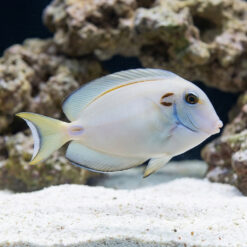
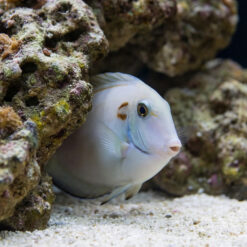
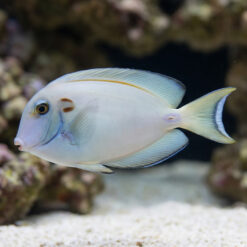
The Tennenti Tang (Acanthurus tennentii), also sold as the Lieutenant Tang or Doubleband Surgeonfish, is a constant grazer that helps manage film algae on rockwork and hard surfaces. Adults are typically tan-to-olive or steel-gray with distinctive dark markings behind the eye, while juveniles show a “horseshoe” shoulder mark that shifts into double bands as they mature.
What You’ll Observe:
- Long, steady cruising laps with frequent stops to “inspect” rock and sand edges
- Regular grazing sessions where it methodically picks at surfaces throughout the day
- Noticeable color shifting during feeding and when moving between bright and shaded areas
- A preference for open swim lanes, then quick turns back to a favorite section of rockwork
Provide plenty of open swimming room plus mature live rock so it can graze naturally and settle into a consistent routine. Offer multiple feeding points (like a veggie clip and a second strip on the opposite side) so it can feed without feeling rushed. With stable parameters and a predictable schedule, it typically stays active and visible.
How fast does a Tennenti Tang usually grow once it’s established?
Many keepers report a noticeable size jump over the first year or two, especially when it’s eating consistently and has room to swim.
Why does my Tennenti Tang turn darker when it’s grazing or wedging into rocks?
Color changes are commonly reported and often happen during feeding, posturing, or when it moves into shaded areas—then it lightens again afterward.
How do I get it to recognize nori/algae sheets quickly?
Try offering a small sheet daily in the same spot, and leave it long enough for “drive-by” bites—once it takes the first few bites, it usually repeats the behavior.
Can it be added to a tank that already has other tangs?
Hobbyists most often have success when there are clear swim lanes, multiple grazing/feeding stations, and the new fish is introduced during a calmer lights schedule.
What’s a normal “settling in” pattern during the first week?
It’s common to see it pick one area of rockwork as a home base, then expand its routes over several days as it learns the tank’s flow and feeding routine.
Each fish is checked for strong appetite and activity before we approve it for your tank.
Recently viewed products