
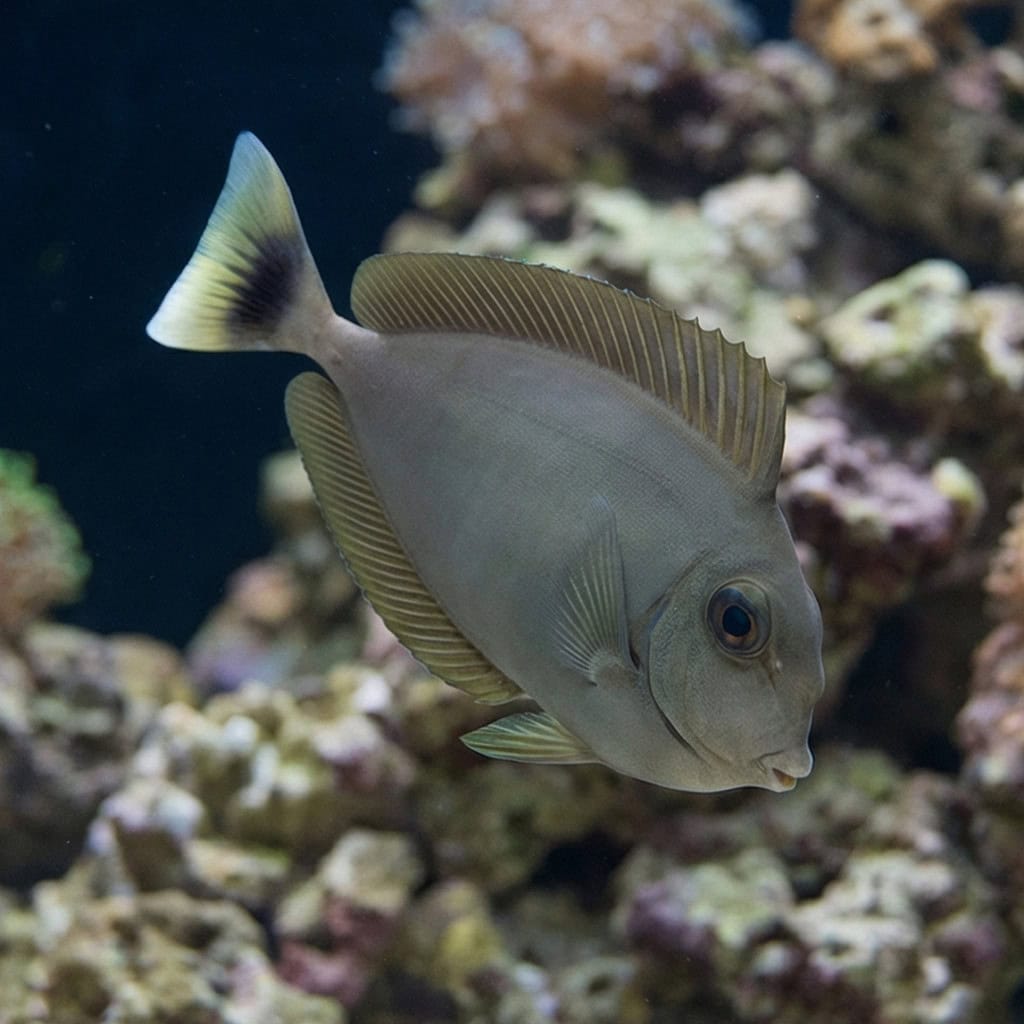
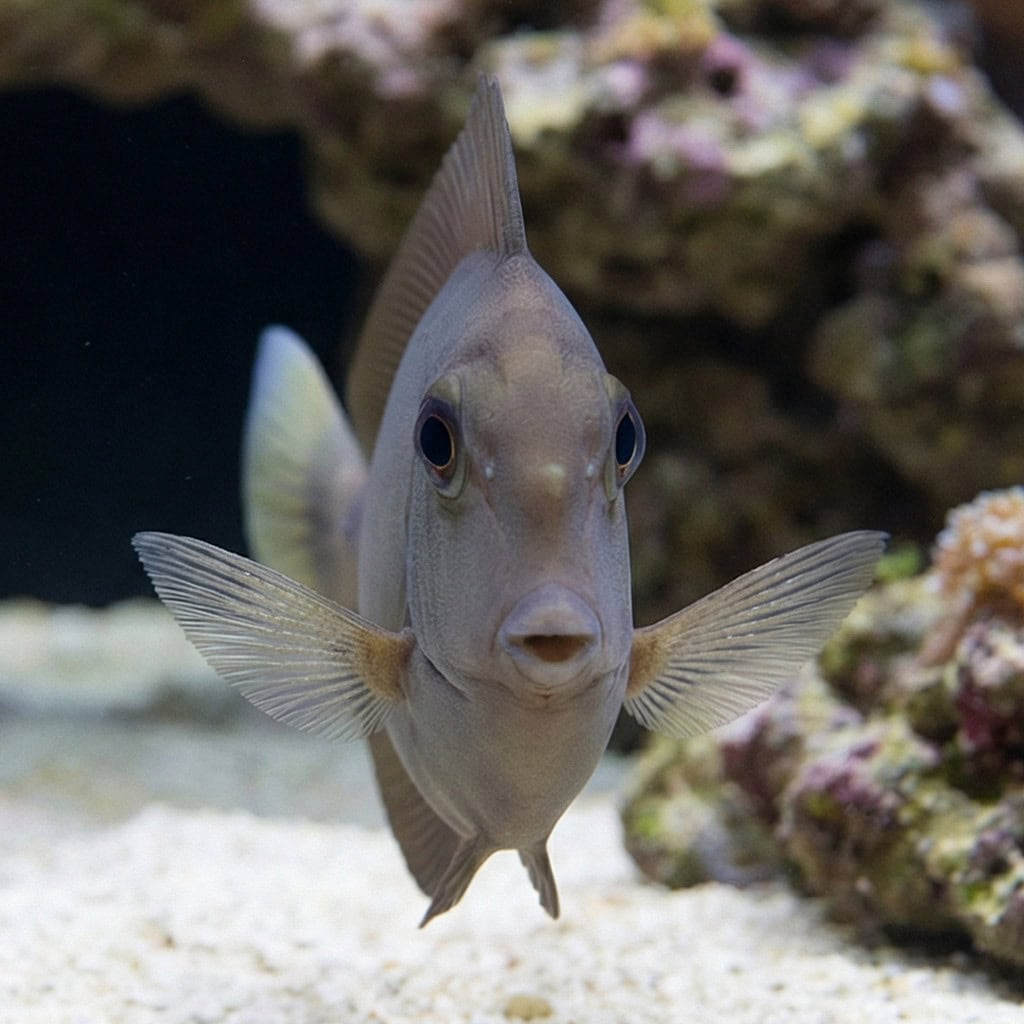
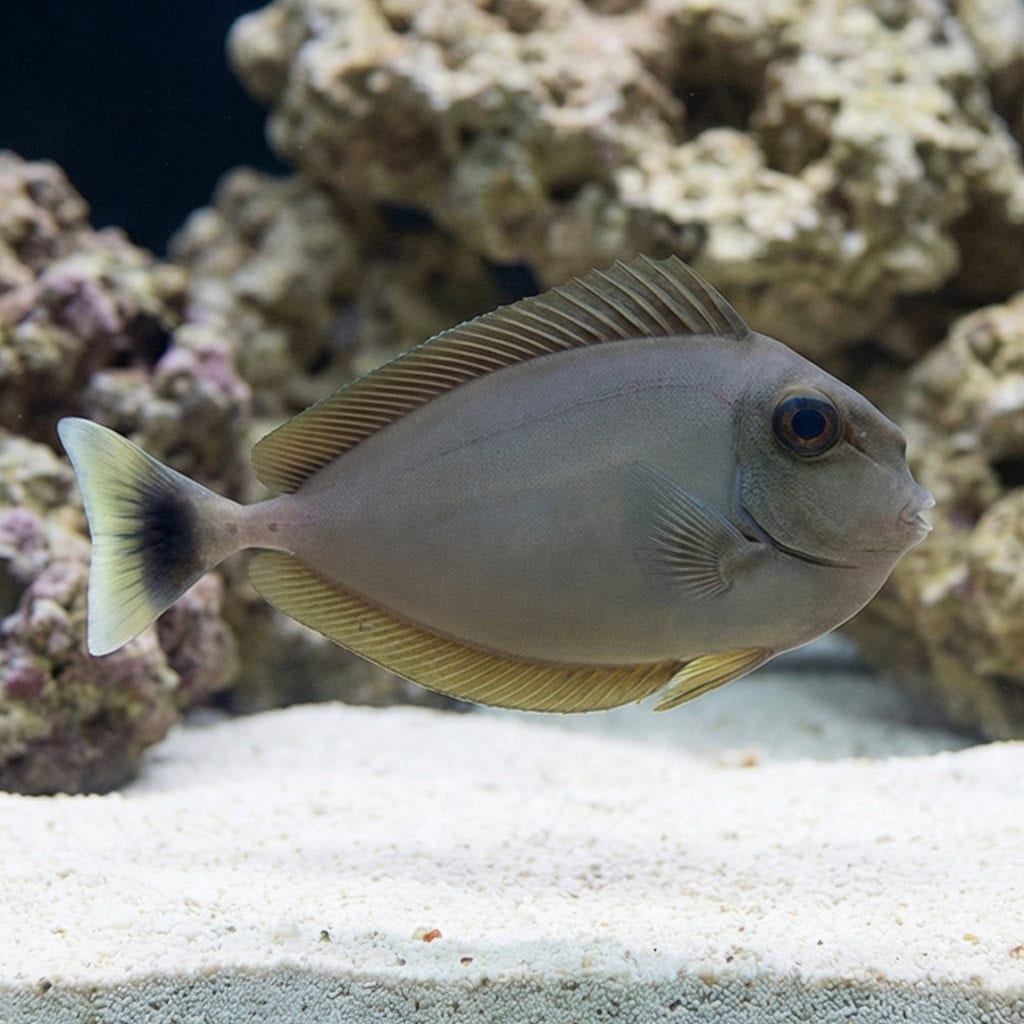
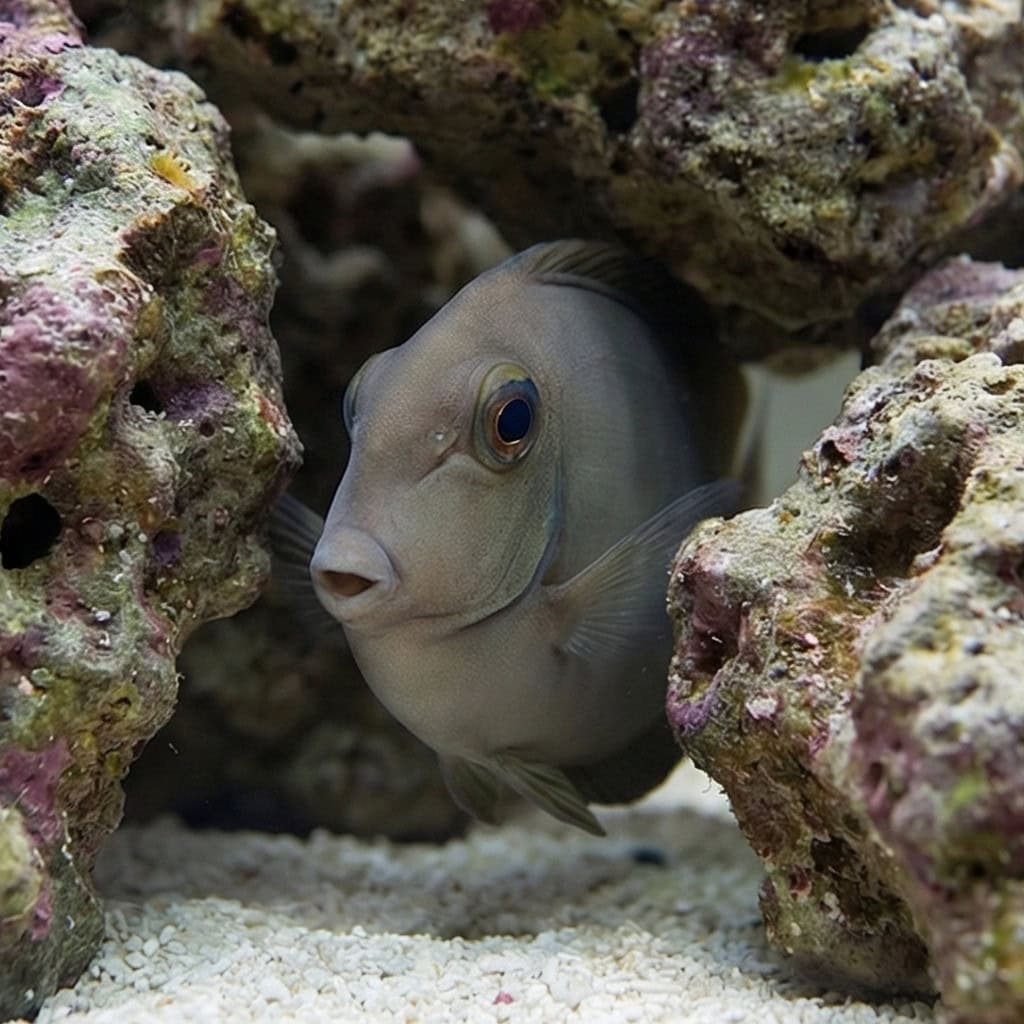
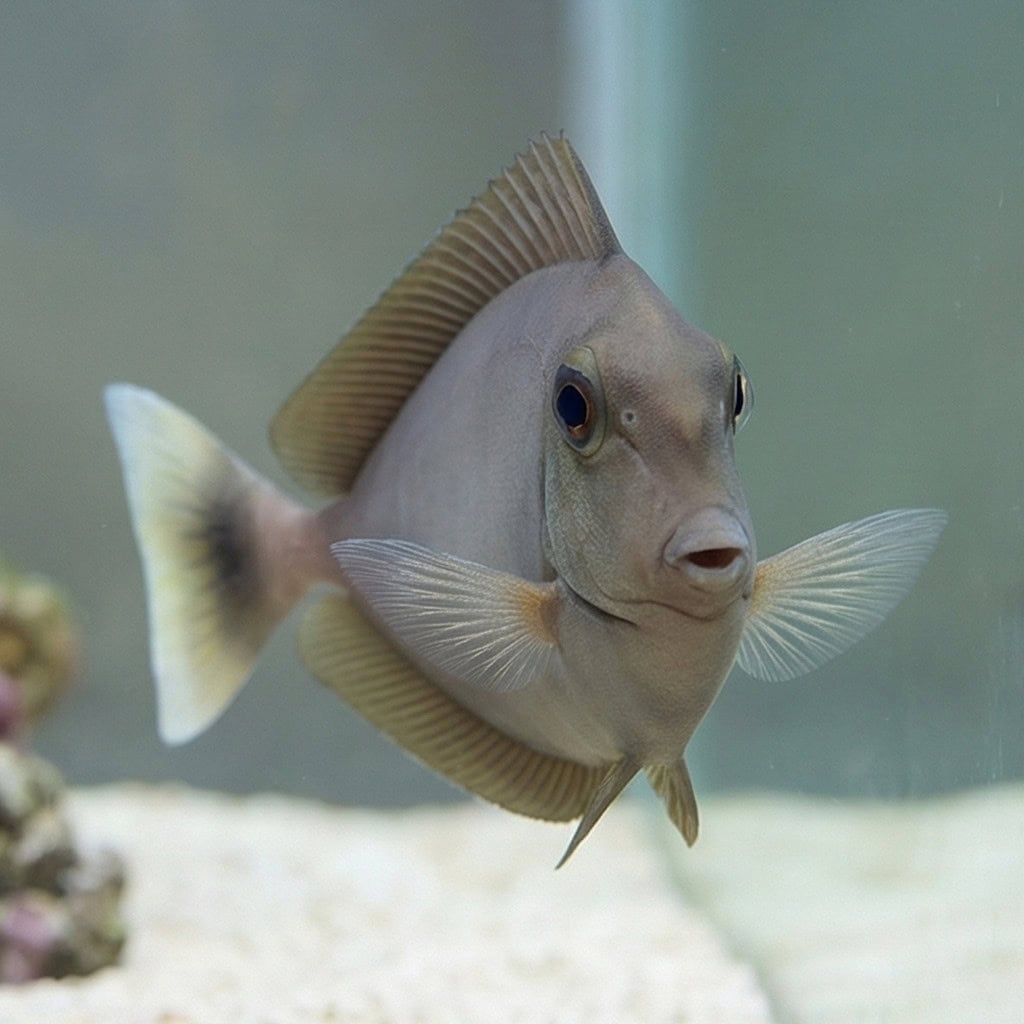
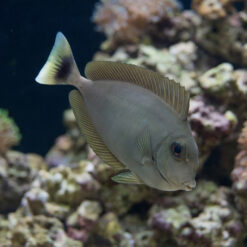
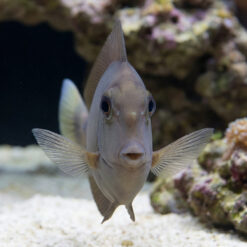
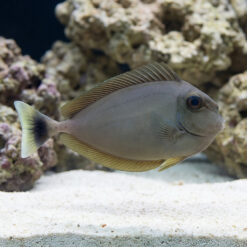
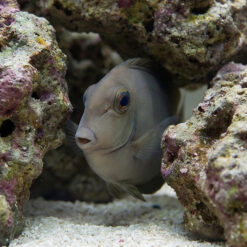
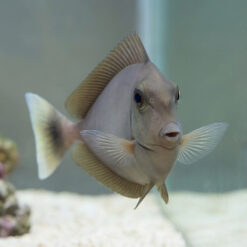
Blue Unicorn Tang
Naso brevirostris
| Stock | Variations | Price | Quantity | |
|---|---|---|---|---|
| Out of Stock | 2.25" or smaller - Indo-Pacific | Original price was: $158.99.$83.99Current price is: $83.99. | Email me |
Every order ships with our standard 3-hour live arrival guarantee. Need more time? Add our 5-Day Guarantee at checkout.
Full guarantee terms →Ships Monday – Thursday for next-day arrival at your nearest FedEx Hold location — typically ready by 9 AM. We monitor every delivery.
Shipping details →
Monday – Friday 8 AM – 9 PM
Saturday 12 PM – 4 PM
Sunday 12 PM – 9 PM
Healthy, stable animals from vetted suppliers — inspected before packing, shipped overnight. Decades of experience built this model so we can deliver premium livestock at 30%+ less than you'd pay elsewhere.
| Care Level | Moderate |
|---|---|
| Temperament | Semi-Aggressive |
| Reef Safe | Yes |
| Functional Benefit | Algae Control |
| Diet Type | Omnivore |
| Mininum Tank Size | 300 gallons+ |
| Max Size | 24 inches |
| Temperature | 72–78°F |
| pH Range | 8.1–8.4 |
| Specific Gravity | 1.022–1.025 |
The Blue Unicorn Tang (Naso brevirostris) provides ongoing algae control by grazing on rockwork and other hard surfaces. It’s a large unicornfish/surgeonfish from the Indo-Pacific, typically gray to olive with fine spotting, and adults develop a horn-like projection on the forehead as they mature.
What You’ll Observe:
- Long, steady cruising in open water with regular loops around the full length of the tank
- Frequent “drive-by” grazing passes over rockwork between feedings
- A noticeable change in head profile over time as the horn begins to develop with growth
- A fish that becomes a consistent, daily presence once it settles into a routine
Provide a long tank with clear swimming lanes and stable rockwork so it can move naturally and graze throughout the day. Offer a varied menu (algae-based foods plus meaty frozen options and quality pellets) in multiple small feedings so it stays active and engaged. In larger systems, it does best when you plan tang tankmates thoughtfully and introduce new additions with space and structure in mind.
How long does it usually take a new Blue Unicorn Tang to start eating confidently?
Many hobbyists find they start sampling foods after they learn the tank’s routine, then become much more consistent over the next several days.
What’s the most reliable way to get it interested in nori/seaweed sheets?
Keep the sheet in a predictable spot (same clip location daily) and swap in a fresh piece on a schedule so it learns where to check for it.
When does the “unicorn” horn actually show up?
Keepers commonly report the head bump becomes more noticeable as the fish grows out of the juvenile look, rather than appearing right away in small specimens.
Is it normal for it to have a “favorite lap” around the tank?
Yes—owners often describe a repeated patrol route, especially in long tanks with open lanes and a few consistent grazing stops.
Can it share space with other tangs if the aquascape has multiple grazing zones?
Often yes in very large setups—people have better results when the rockwork creates more than one grazing area and fish aren’t forced into the same paths.
Each fish is checked for strong appetite and activity before we approve it for your tank.
Recently viewed products