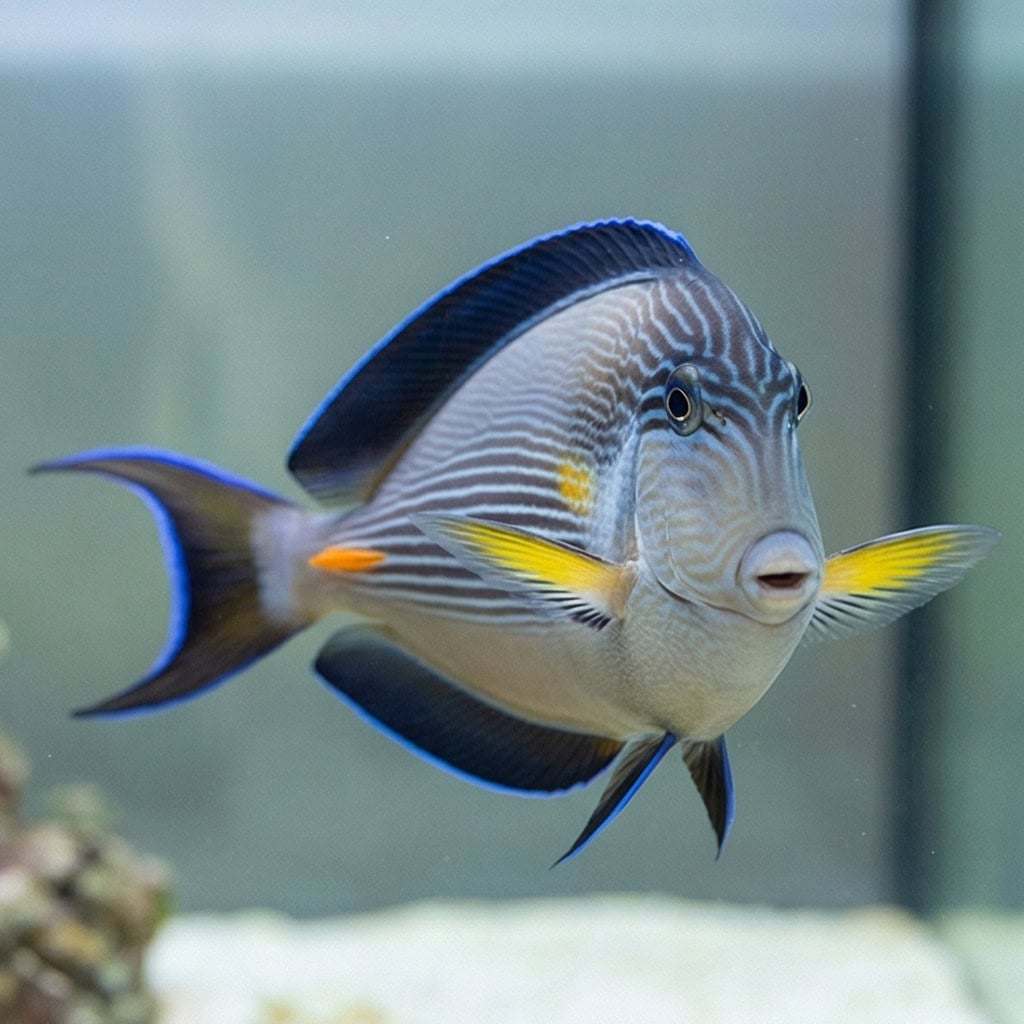
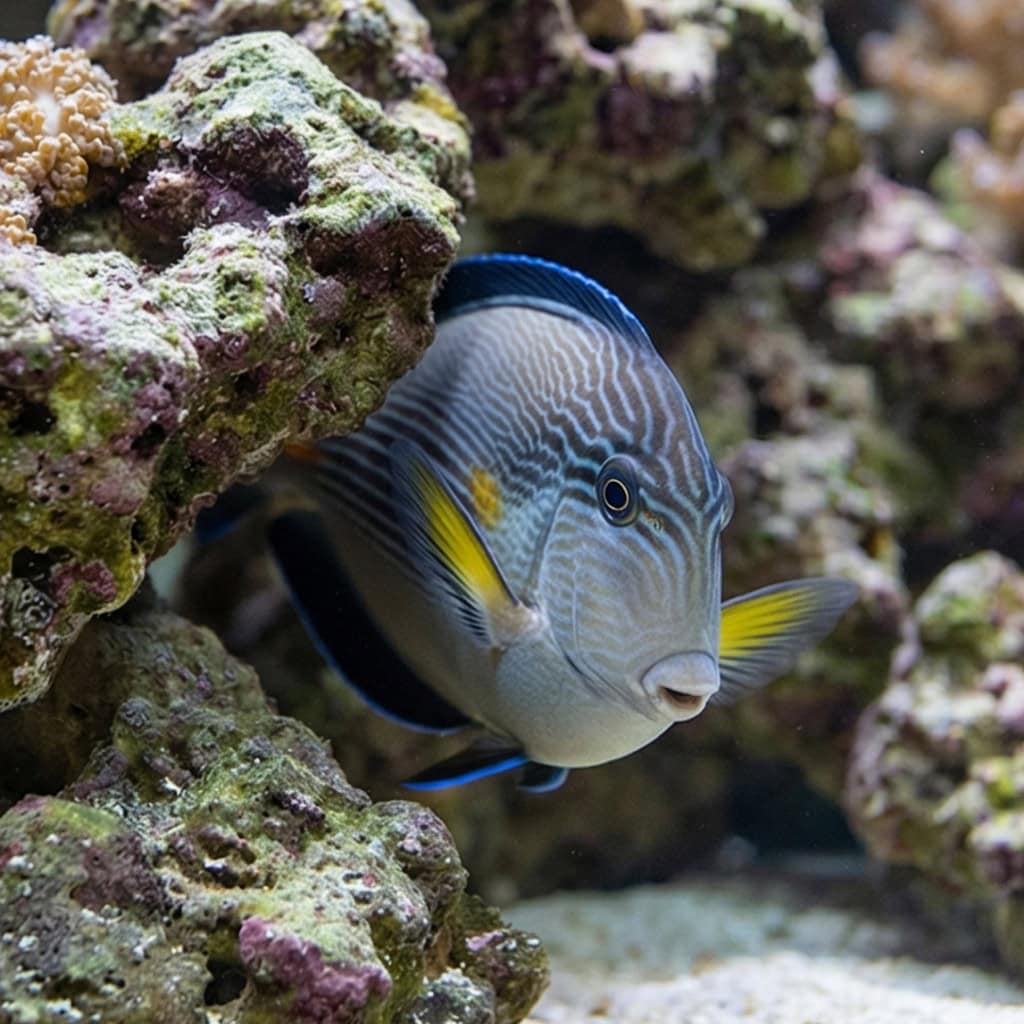
Sohal Tang
Acanthurus sohal
Original price was: $575.99.$302.99Current price is: $302.99.
| Stock | Variations | Price | Quantity | |
|---|---|---|---|---|
| In Stock | 1.75 - 2.75" - Africa | Original price was: $575.99.$302.99Current price is: $302.99. |
-
+
|
|
| Out of Stock | 1.25 - 1.75" - Africa | Original price was: $531.99.$279.99Current price is: $279.99. | Email me |
Every order ships with our standard 3-hour live arrival guarantee. Need more time? Add our 5-Day Guarantee at checkout.
Full guarantee terms →Ships Monday – Thursday for next-day arrival at your nearest FedEx Hold location — typically ready by 9 AM. We monitor every delivery.
Shipping details →
Monday – Friday 8 AM – 9 PM
Saturday 12 PM – 4 PM
Sunday 12 PM – 9 PM
Healthy, stable animals from vetted suppliers — inspected before packing, shipped overnight. Decades of experience built this model so we can deliver premium livestock at 30%+ less than you'd pay elsewhere.
| Care Level | Expert |
|---|---|
| Temperament | Aggressive |
| Reef Safe | Yes |
| Functional Benefit | Algae Control |
| Diet Type | Herbivore |
| Mininum Tank Size | 250 gallons |
| Max Size | 18 inches |
| Temperature | 72–78°F |
| pH Range | 8.1–8.4 |
| Specific Gravity | 1.022–1.025 |
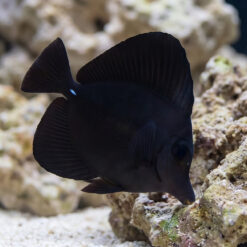
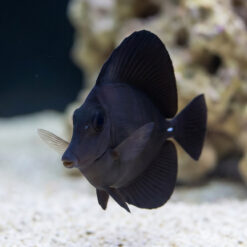
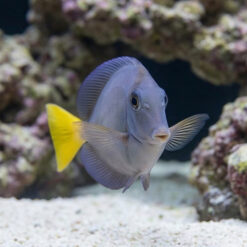
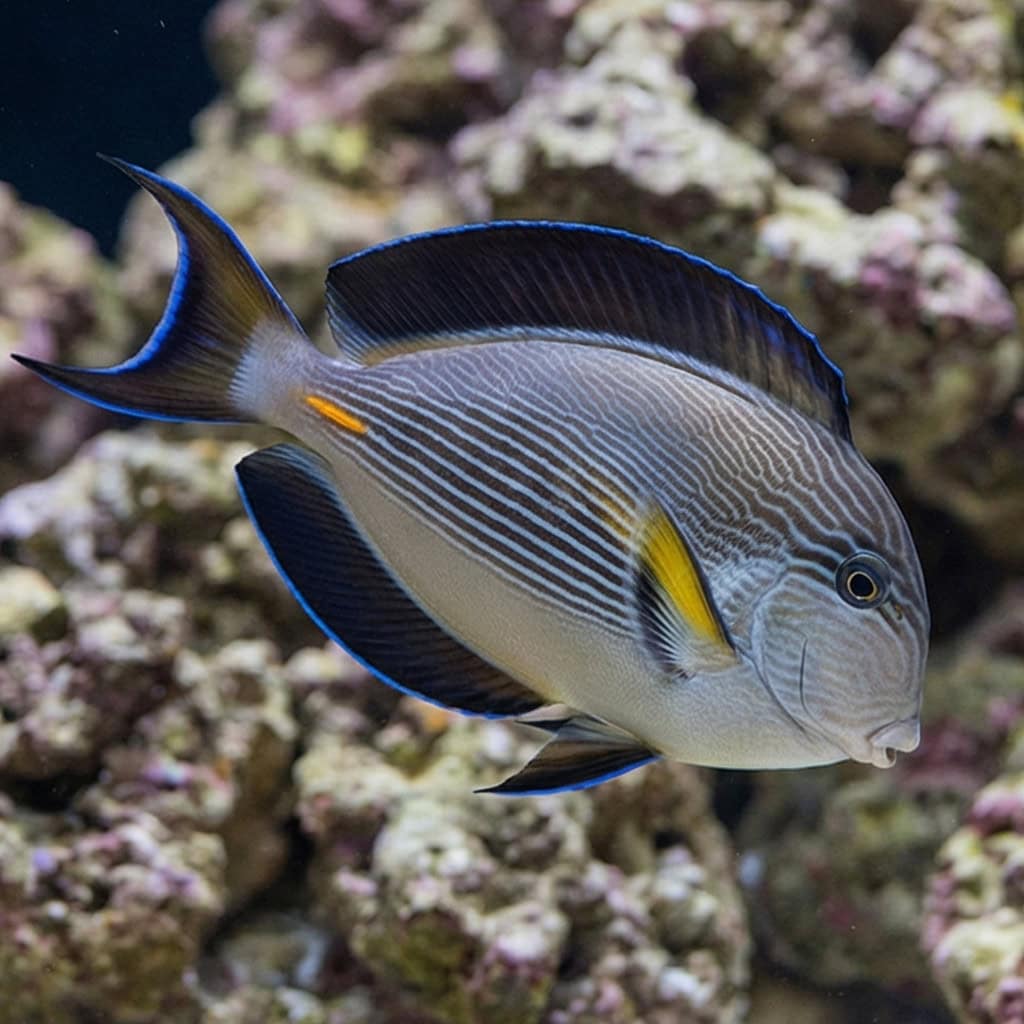
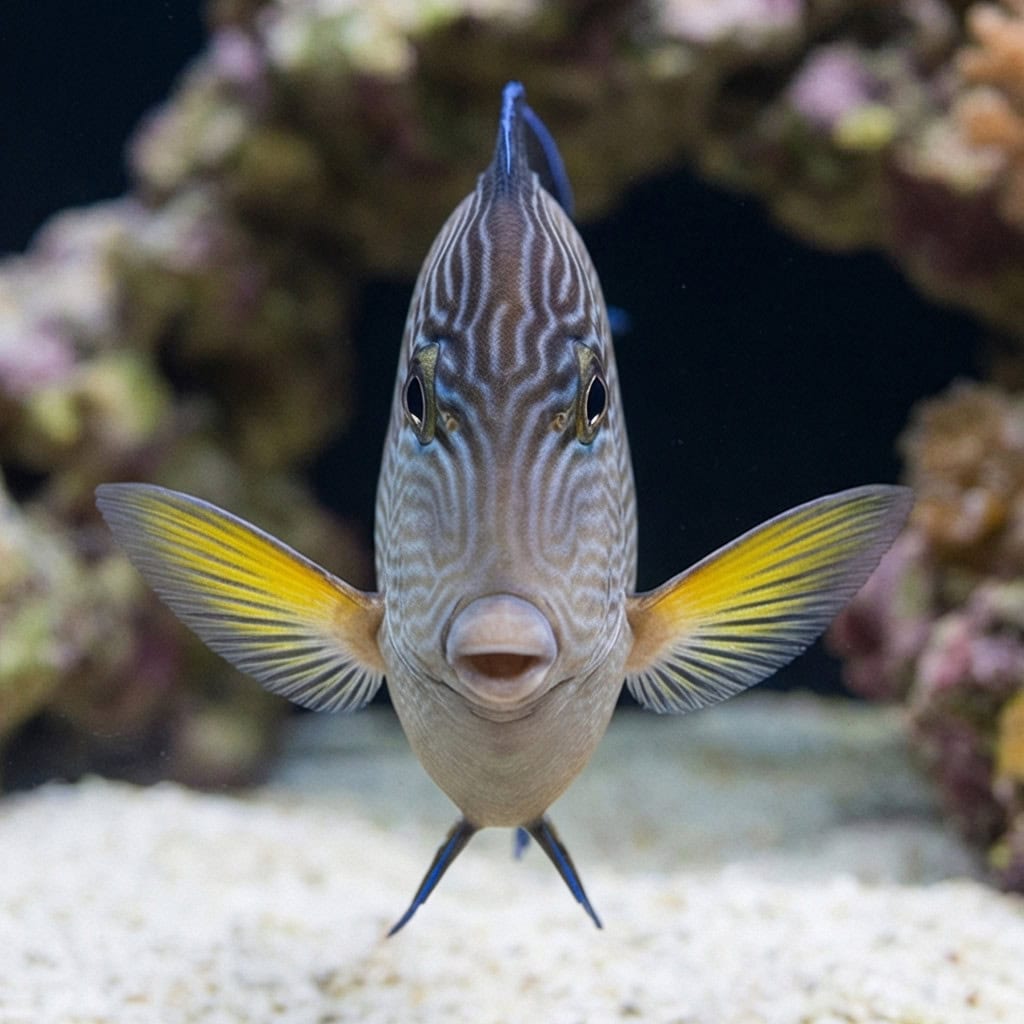
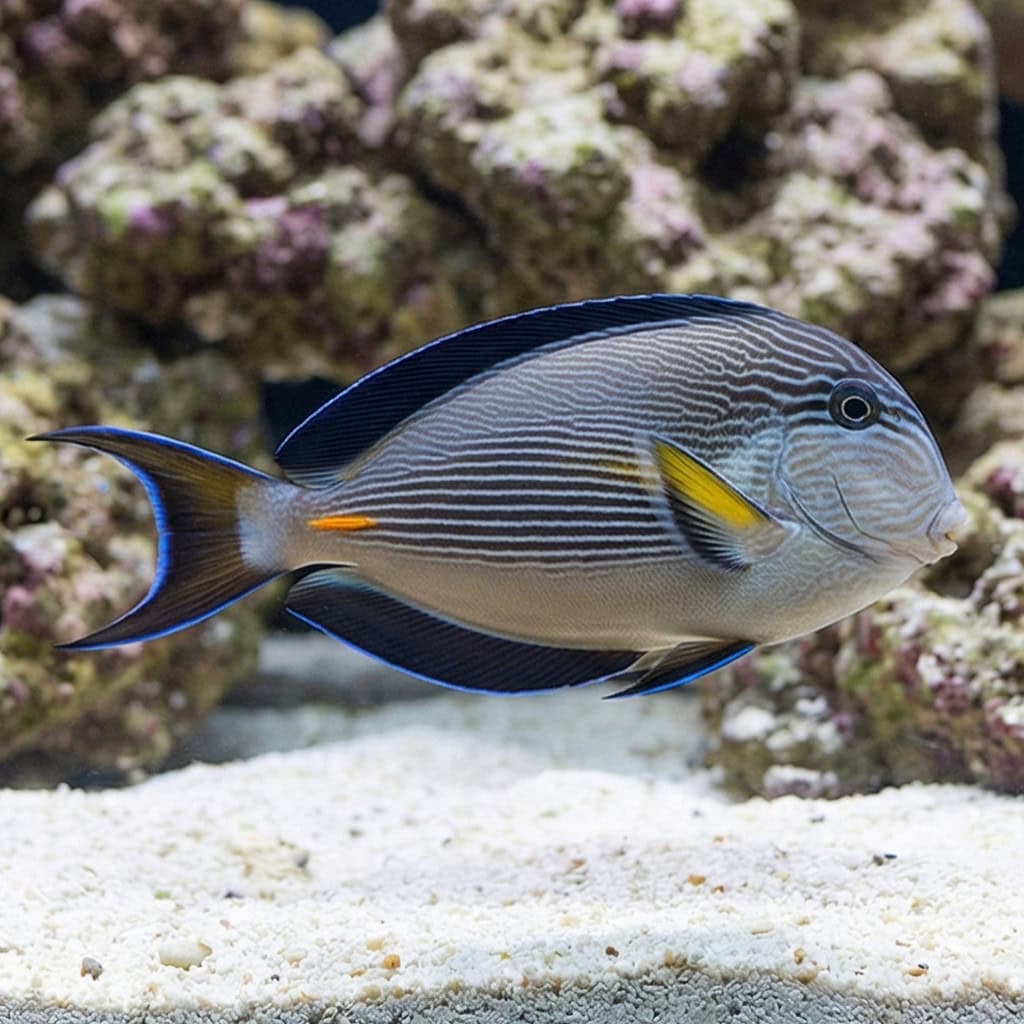
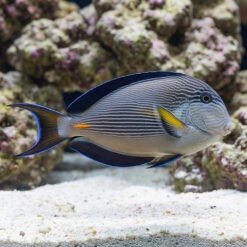
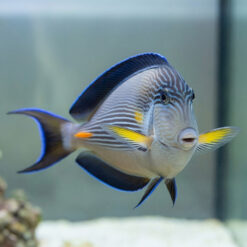
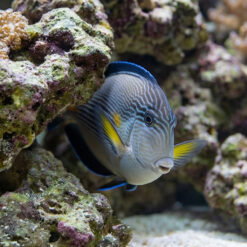
The Sohal Tang (Acanthurus sohal) is a large Red Sea surgeonfish that spends the day grazing film and filamentous algae from rock and glass. It has narrow horizontal blue-and-white striping, dark fins edged in blue, and a bright orange accent near the tail.
What You’ll Observe:
- Patrolling long swim lanes and making repeated circuits around the rockwork
- Quick “investigations” of new objects in the tank, including algae clips and magnets
- Strong interest in grazing surfaces throughout the day, with bursts of speed between stops
- A clear “favorite zone” it returns to regularly once it maps out the aquascape
To do well with this tang, provide a large, mature reef with open water for cruising and sturdy rock structures that break up sight lines. Offer frequent algae-based feedings (nori on a clip plus spirulina-based foods) so it can graze between meals. In mixed communities, it typically settles best when introduced after the rest of your fish are established.
Will a Sohal Tang become less aggressive over time?
Many owners report the opposite—once it grows and feels established, it often becomes more territorial. Planning your stocking order early usually leads to the smoothest long-term outcome.
Is it normal for a new Sohal Tang to hover, “stand vertical,” or ignore food at first?
This is commonly reported right after transfer to a new tank. Most begin exploring more normally as they learn the rockwork layout and recognize feeding routines.
How do hobbyists add new fish when a Sohal Tang already “owns” the tank?
A frequently used approach is a short acclimation-box period for the new fish so everyone can see each other without contact. Some also use brief “distraction” techniques (like a mirror on the glass) to redirect attention during introductions.
How do you get a Sohal Tang to accept prepared foods instead of only grazing?
Many keepers start with nori or other algae-based foods in a consistent spot, then mix in pellets or frozen foods at the same time each day. Using multiple feeding points can help it feed confidently without competing at one clip.
What’s a realistic way to catch one in a reef tank if you need to rehome it?
Common strategies include using a fish trap baited with its usual algae sheet, or attempting a low-light capture when it’s resting. Consistent trap placement and patience tend to work better than repeated net attempts.
Each fish is checked for strong appetite and activity before we approve it for your tank.
Recently viewed products