
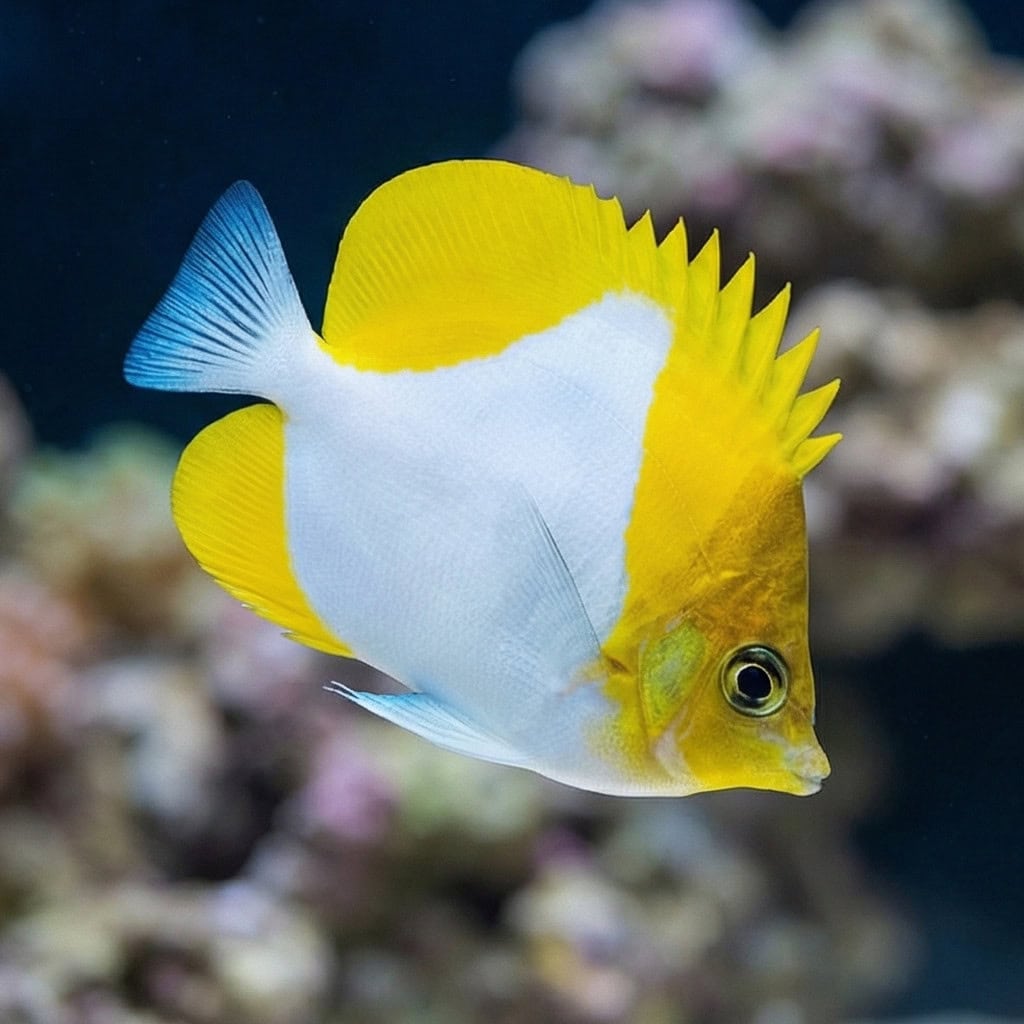
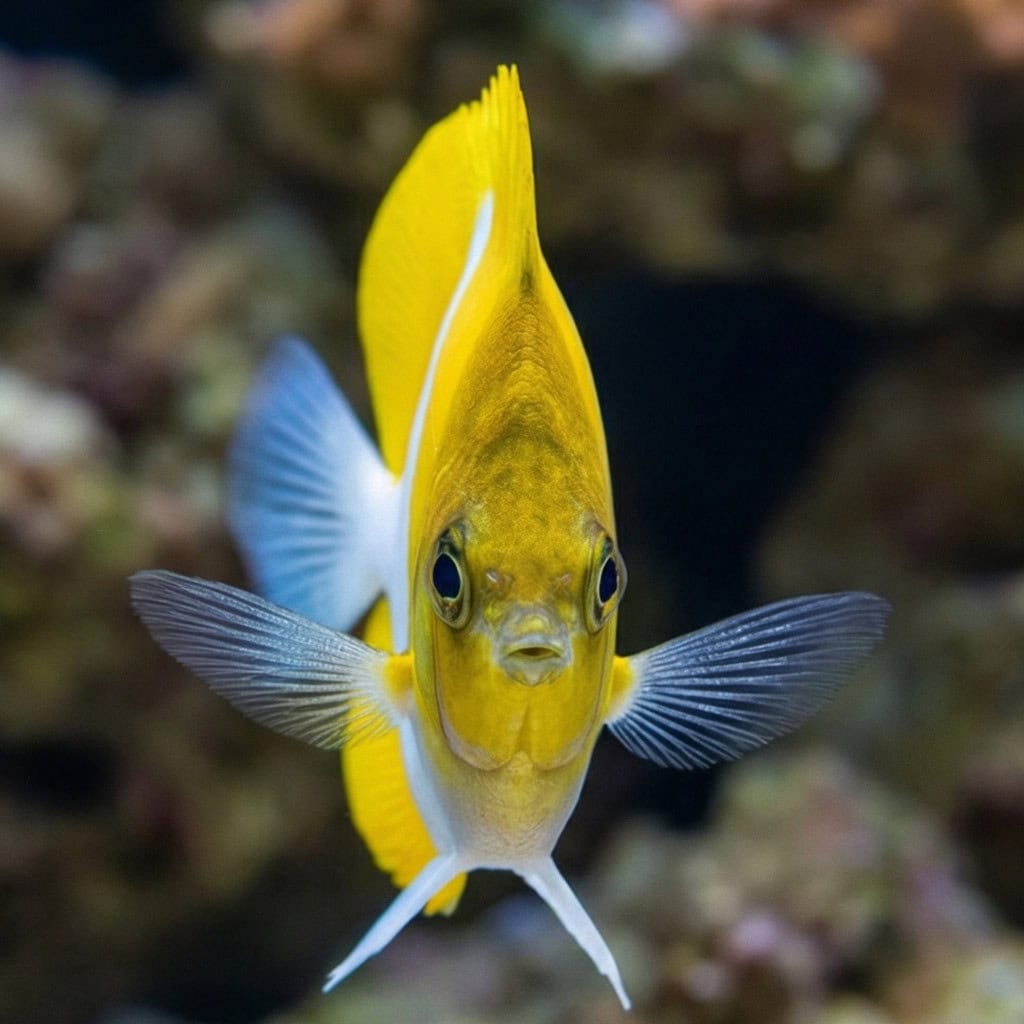
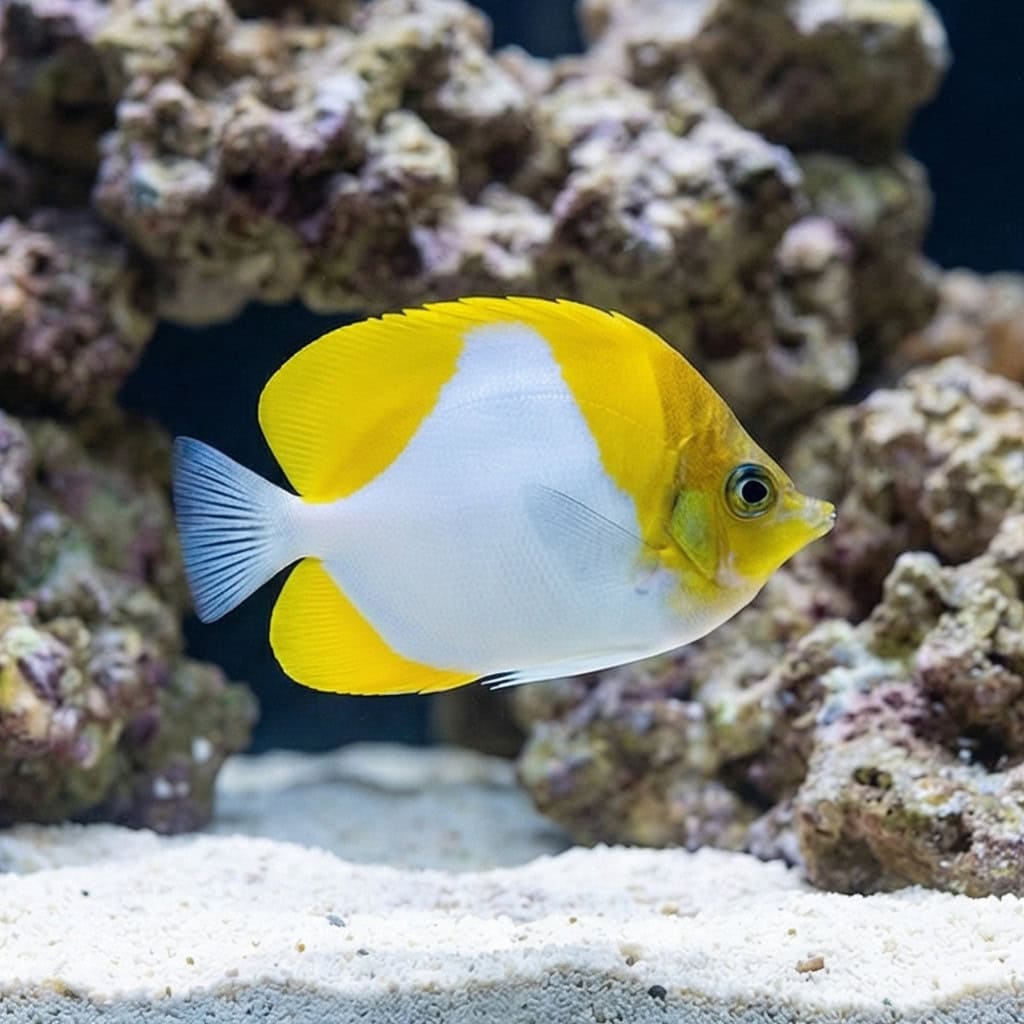
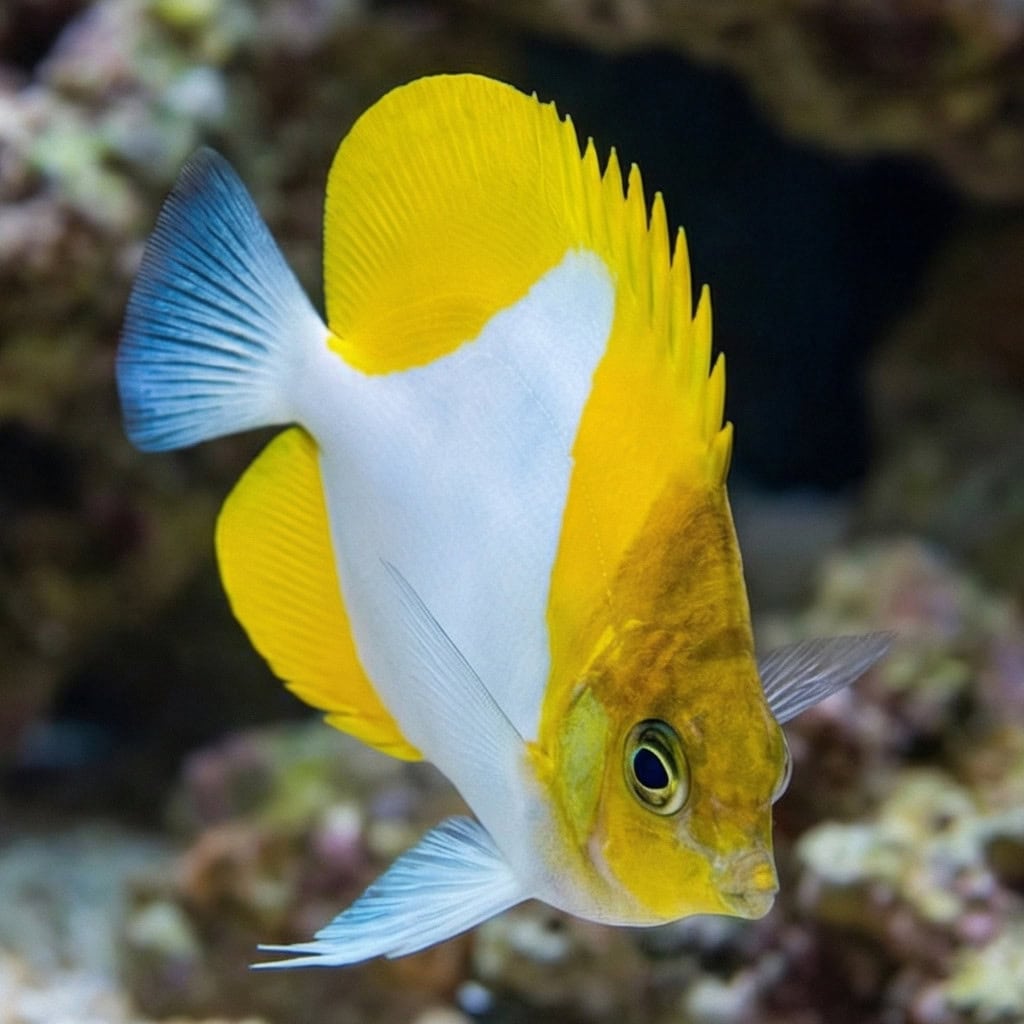
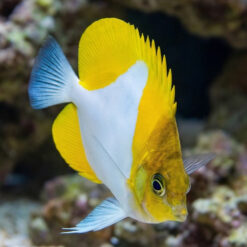
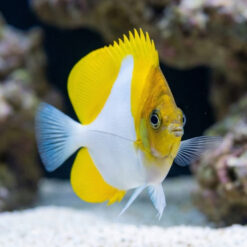
Yellow Pyramid Butterfly
Hemitaurichthys polylepis
| Stock | Variations | Price | Quantity | |
|---|---|---|---|---|
| Out of Stock | 3.5 - 4.75" - Indo-Pacific | Original price was: $487.99.$255.99Current price is: $255.99. | Email me | |
| Out of Stock | 2.25 - 3.5" - Indo-Pacific | Original price was: $425.99.$223.99Current price is: $223.99. | Email me |
Every order ships with our standard 3-hour live arrival guarantee. Need more time? Add our 5-Day Guarantee at checkout.
Full guarantee terms →Ships Monday – Thursday for next-day arrival at your nearest FedEx Hold location — typically ready by 9 AM. We monitor every delivery.
Shipping details →
Monday – Friday 8 AM – 9 PM
Saturday 12 PM – 4 PM
Sunday 12 PM – 9 PM
Healthy, stable animals from vetted suppliers — inspected before packing, shipped overnight. Decades of experience built this model so we can deliver premium livestock at 30%+ less than you'd pay elsewhere.
| Care Level | Moderate |
|---|---|
| Temperament | Semi-Aggressive |
| Reef Safe | With Caution |
| Functional Benefit | Ornamental Only |
| Diet Type | Planktivore |
| Mininum Tank Size | 120 gallons |
| Max Size | 8 inches |
| Temperature | 72–78°F |
| pH Range | 8.1–8.4 |
| Specific Gravity | 1.022–1.025 |
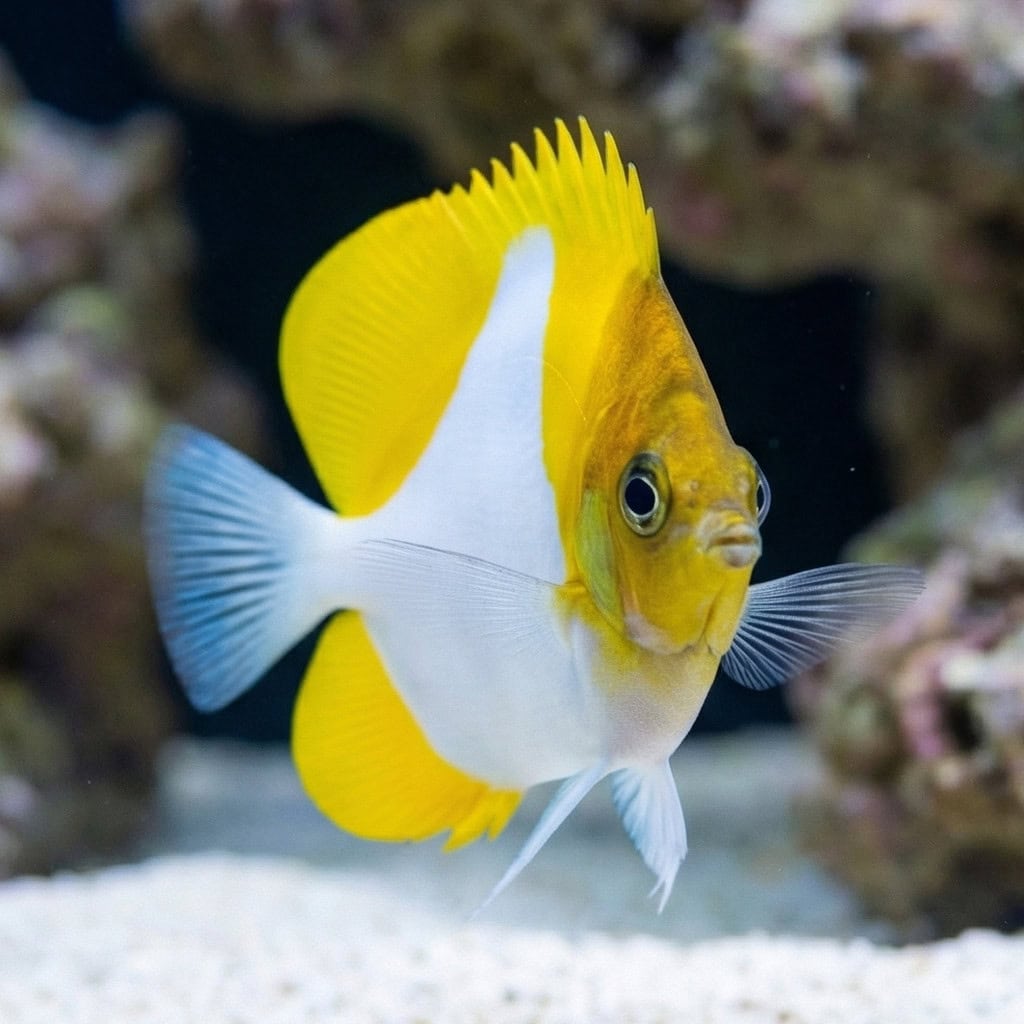
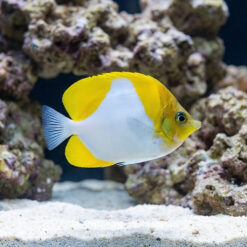
The Yellow Pyramid Butterfly (Hemitaurichthys polylepis) is a yellow-and-white butterflyfish with a bold triangular “pyramid” pattern and a dark face mask. In reef aquariums it’s best known as a zooplankton-feeding butterflyfish that spends much of the day cruising open water above the rockwork.
What You’ll Observe:
- Active mid-water swimming, often following the same looping paths around the tank
- A strong “feed response,” quickly moving into the water column when food hits the surface
- More confident behavior after it has a few familiar caves/overhangs to pass through
- Natural grouping behavior when kept as a pair or small group introduced together
How to Succeed: Provide ample swimming room with live rock arranged to create a few shaded retreats. Offer small meaty foods (like mysis and other fine frozen blends) in multiple small feedings for best long-term consistency at mealtime, and keep tankmates that won’t dominate the water column during feeding.
Does it do better as a single fish or in a group?
Many keepers prefer a single specimen in mixed reefs, while pairs/small groups tend to work best when all are added at the same time and given open swimming space.
Why do some people call it reef safe, while others say “with caution”?
It’s widely kept in reefs because it’s a planktivore, but individual fish can still develop a habit of sampling certain corals, especially fleshy LPS, even in well-fed systems.
What foods get the most consistent feeding response?
Small, suspended meaty items (like mysis and similar fine frozen foods) offered more than once daily tend to keep them engaged and feeding in the water column.
Will it hide a lot right after introduction?
It’s common for new arrivals to spend more time near rockwork early on, then transition to more open-water swimming once it has “routes” and shelter points it recognizes.
Does it bother other fish during feeding time?
It’s often fast and assertive in the water column at mealtime; spreading food across the tank helps multiple fish feed comfortably.
We source from vetted suppliers known for healthy, long-lived specimens.
Recently viewed products