
Spotted Sweetlips
Plectorhinchus chaetodonoides
Original price was: $122.99.$64.99Current price is: $64.99.
| Stock | Variations | Price | Quantity | |
|---|---|---|---|---|
| Only 6 left | 2.25 - 4.25" - Indo-Pacific | Original price was: $122.99.$64.99Current price is: $64.99. |
-
+
|
|
| Out of Stock | 2.25" or smaller - Indo-Pacific | Original price was: $107.99.$56.99Current price is: $56.99. | Email me |
Every order ships with our standard 3-hour live arrival guarantee. Need more time? Add our 5-Day Guarantee at checkout.
Full guarantee terms →Ships Monday – Thursday for next-day arrival at your nearest FedEx Hold location — typically ready by 9 AM. We monitor every delivery.
Shipping details →
Monday – Friday 8 AM – 9 PM
Saturday 12 PM – 4 PM
Sunday 12 PM – 9 PM
Healthy, stable animals from vetted suppliers — inspected before packing, shipped overnight. Decades of experience built this model so we can deliver premium livestock at 30%+ less than you'd pay elsewhere.
| Care Level | Expert |
|---|---|
| Temperament | Semi-Aggressive |
| Reef Safe | No |
| Functional Benefit | Ornamental Only |
| Diet Type | Carnivore |
| Mininum Tank Size | 300 gallons+ |
| Max Size | 24 inches |
| Temperature | 72–78°F |
| pH Range | 8.1–8.4 |
| Specific Gravity | 1.022–1.025 |
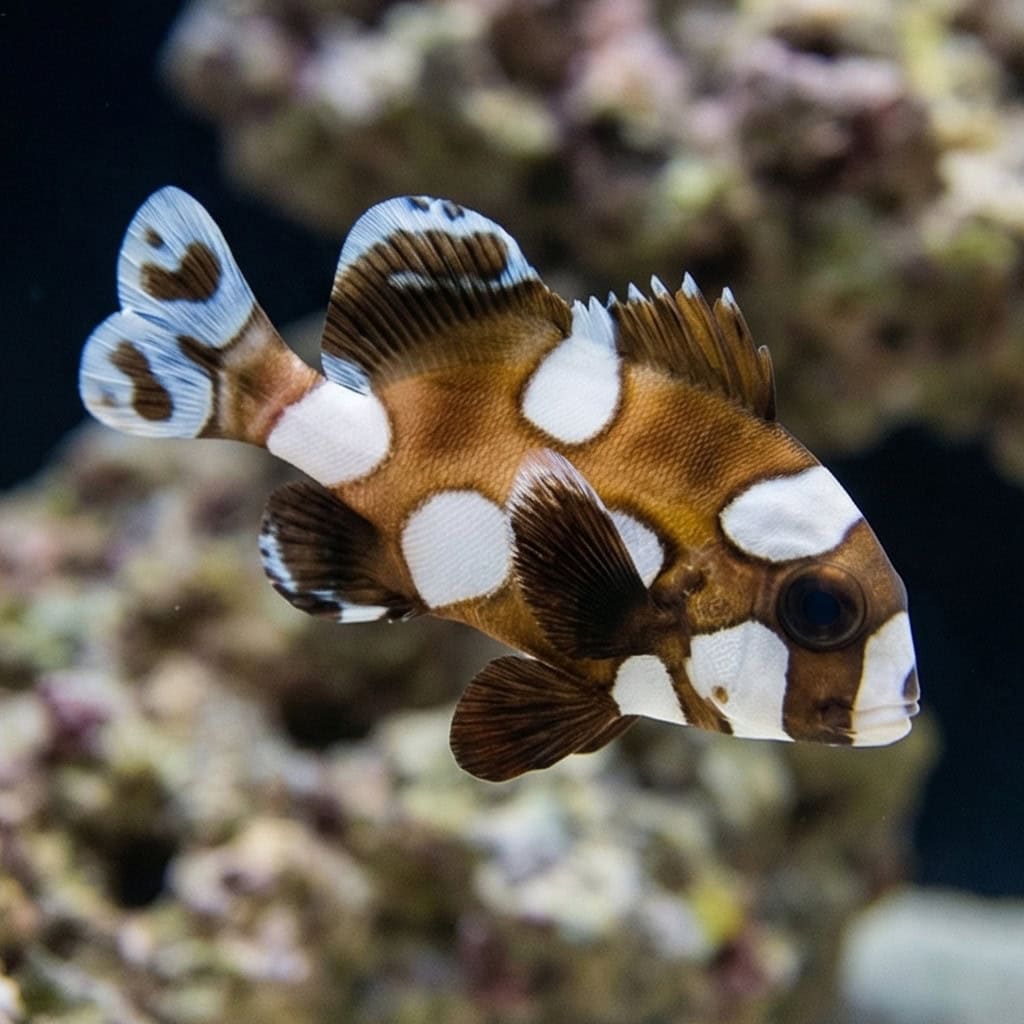
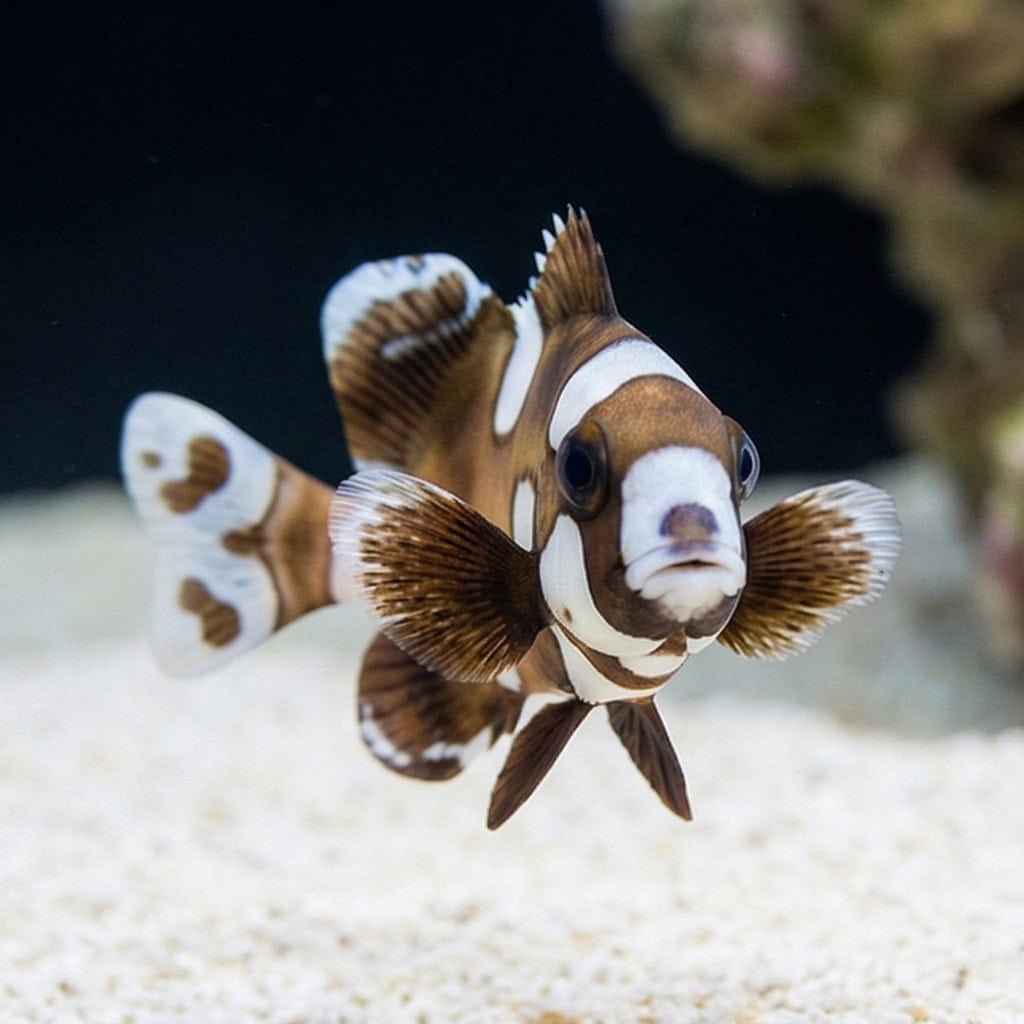
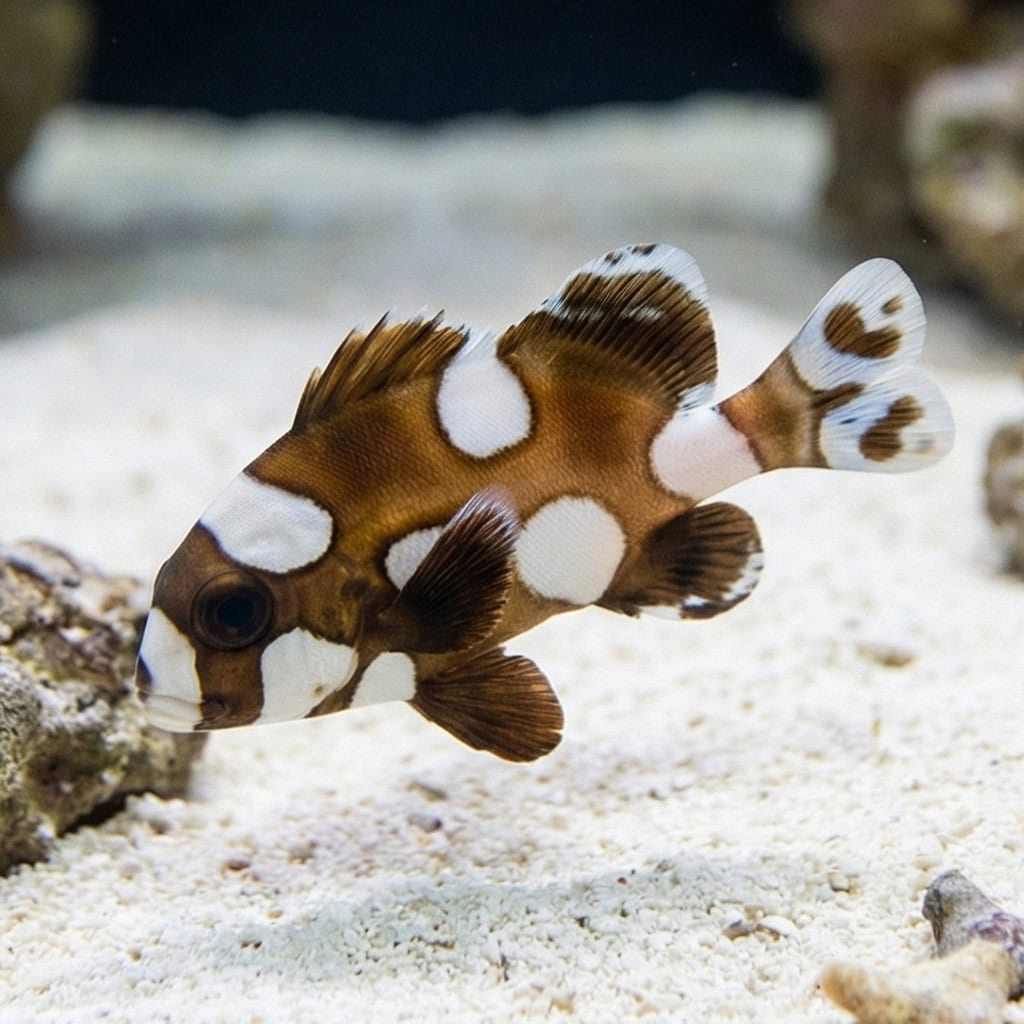
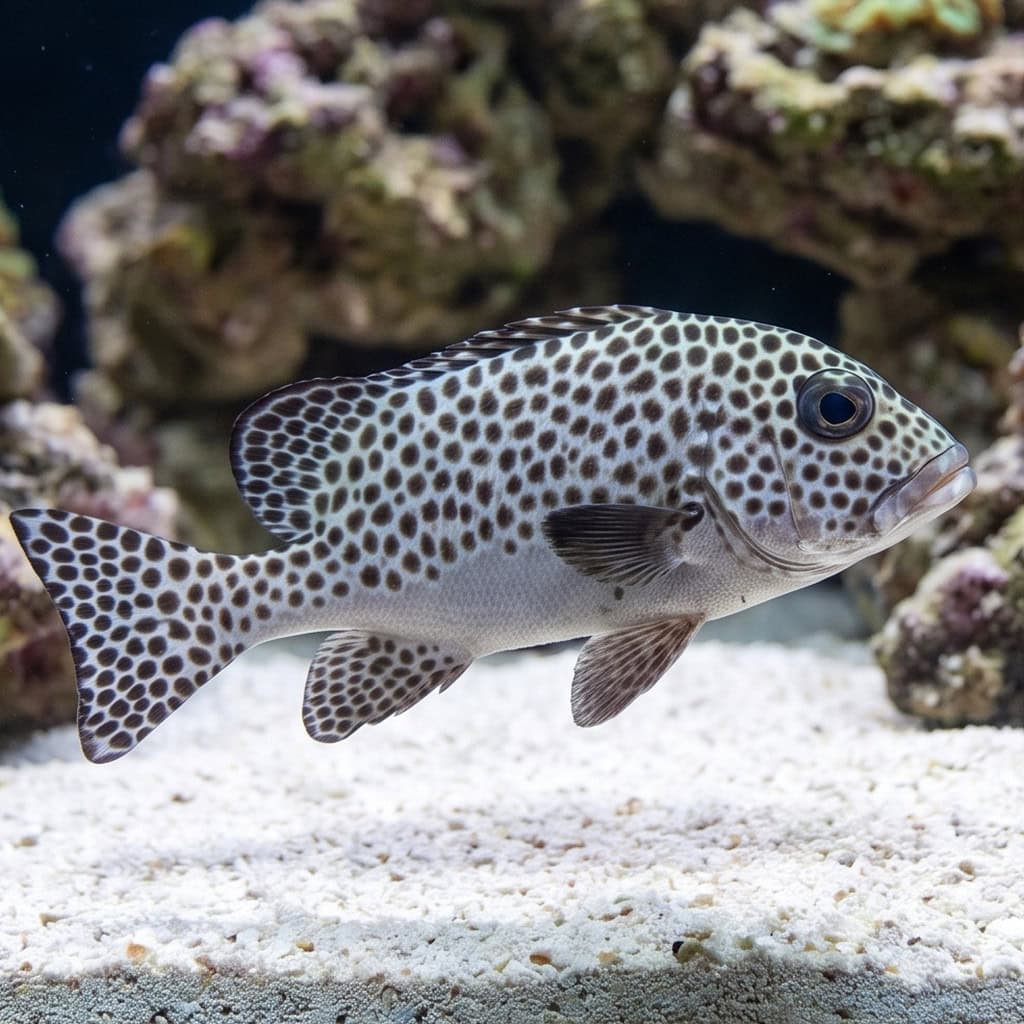
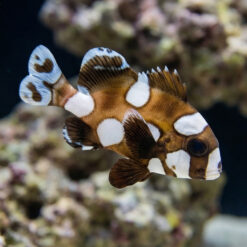
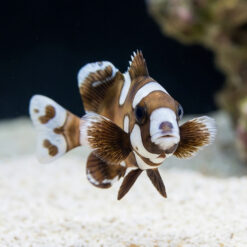
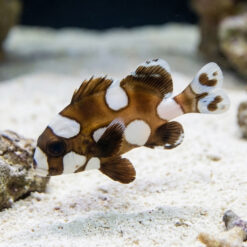
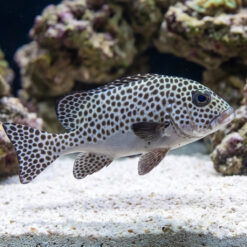
The Spotted Sweetlips (Plectorhinchus chaetodonoides) is an Indo-Pacific sweetlips known for its high-contrast juvenile pattern that gradually transitions into an adult look with thicker lips and large dark spotting.
What You’ll Observe:
- Uses caves and ledges as a daytime “home base,” then cruises the rockwork more as the tank dims
- Spends time hovering near structure, with slower turns and deliberate movement as it grows
- Investigates the sand/rock interface and picks at small items it finds while roaming
- Often becomes most visible at consistent feeding times, learning your routine
Provide a spacious, established aquarium with sturdy rockwork, shaded overhangs, and open lanes for cruising. Offer meaty foods (shrimp, clam, squid, and quality frozen blends) and use a feeding clip or target-feeding stick to build a reliable feeding response. Maintain calm spacing with tankmates so it can settle into a predictable day/night routine.
Are “Spotted,” “Clown,” and “Harlequin” Sweetlips the same fish?
They’re commonly used trade names for Plectorhinchus chaetodonoides, especially tied to its juvenile pattern and adult color change.
What’s the easiest way to get a new Sweetlips to recognize prepared foods?
Start with strongly scented meaty items (like chopped shrimp or clam), feed in the same spot, and keep portions small but frequent until it learns the routine.
Why do juveniles sometimes swim with an exaggerated, wiggling motion?
Many keepers notice a “dancing” swim style in juveniles that looks odd at first but is a normal behavior for the species.
Should I expect it to be more active after the lights go out?
Yes—owners often report a noticeable uptick in roaming and foraging behavior in the evening and at night.
Can two Sweetlips be kept together if added at the same time?
Most hobbyists have the smoothest long-term results keeping a single specimen, unless the system is extremely large with multiple distinct shelter zones.
We work with trusted suppliers who keep our specimens healthy and well-fed before shipping.
Recently viewed products