
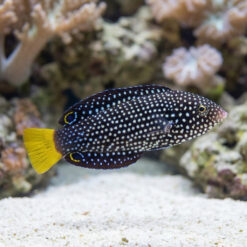
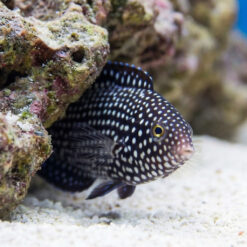
Yellowtail Tamarin Wrasse
Anampses meleagrides
| Stock | Variations | Price | Quantity | |
|---|---|---|---|---|
| Out of Stock | 2.25 - 3.5" - Indian Ocean | Original price was: $196.99.$103.99Current price is: $103.99. | Email me |
Every order ships with our standard 3-hour live arrival guarantee. Need more time? Add our 5-Day Guarantee at checkout.
Full guarantee terms →Ships Monday – Thursday for next-day arrival at your nearest FedEx Hold location — typically ready by 9 AM. We monitor every delivery.
Shipping details →
Monday – Friday 8 AM – 9 PM
Saturday 12 PM – 4 PM
Sunday 12 PM – 9 PM
Healthy, stable animals from vetted suppliers — inspected before packing, shipped overnight. Decades of experience built this model so we can deliver premium livestock at 30%+ less than you'd pay elsewhere.
| Care Level | Expert |
|---|---|
| Temperament | Peaceful |
| Reef Safe | With Caution |
| Functional Benefit | Ornamental Only |
| Diet Type | Carnivore |
| Mininum Tank Size | 90 gallons |
| Max Size | 10 inches |
| Temperature | 72–78°F |
| pH Range | 8.1–8.4 |
| Specific Gravity | 1.022–1.025 |
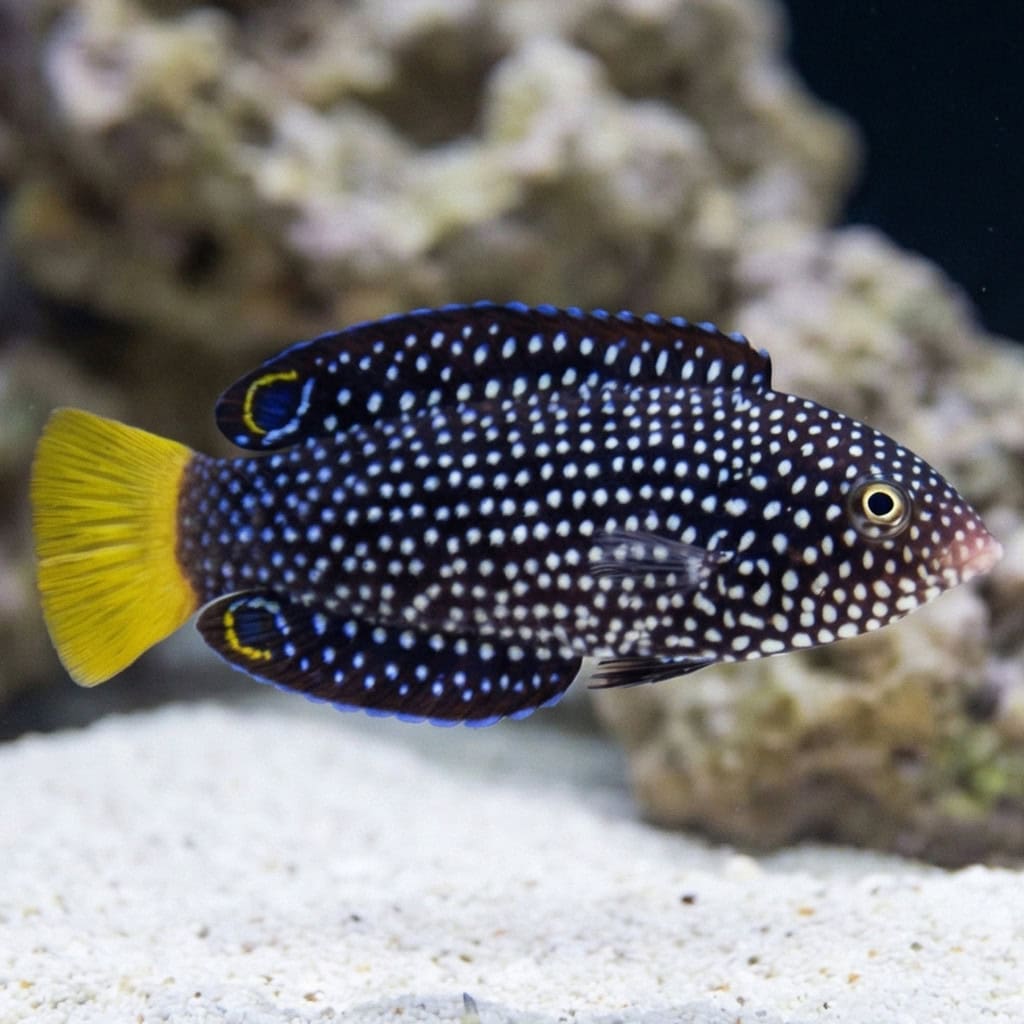
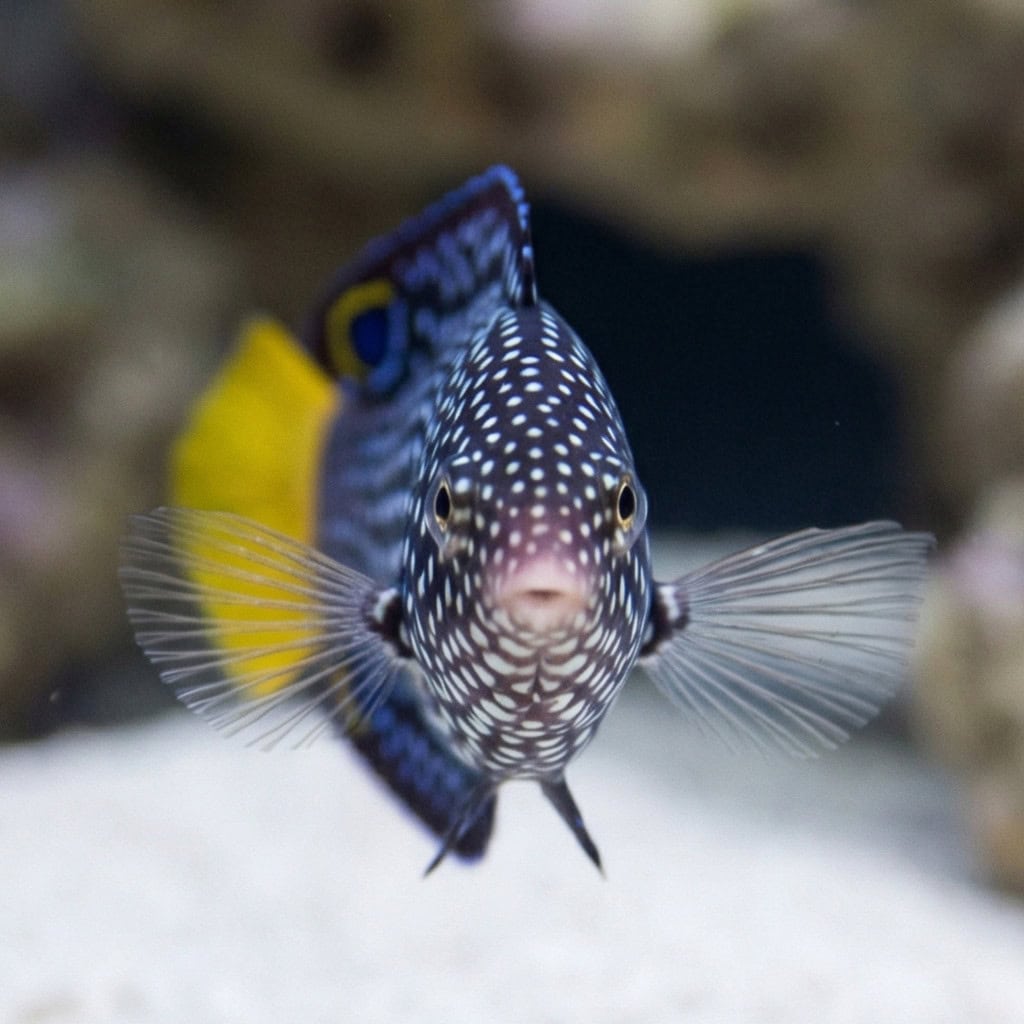
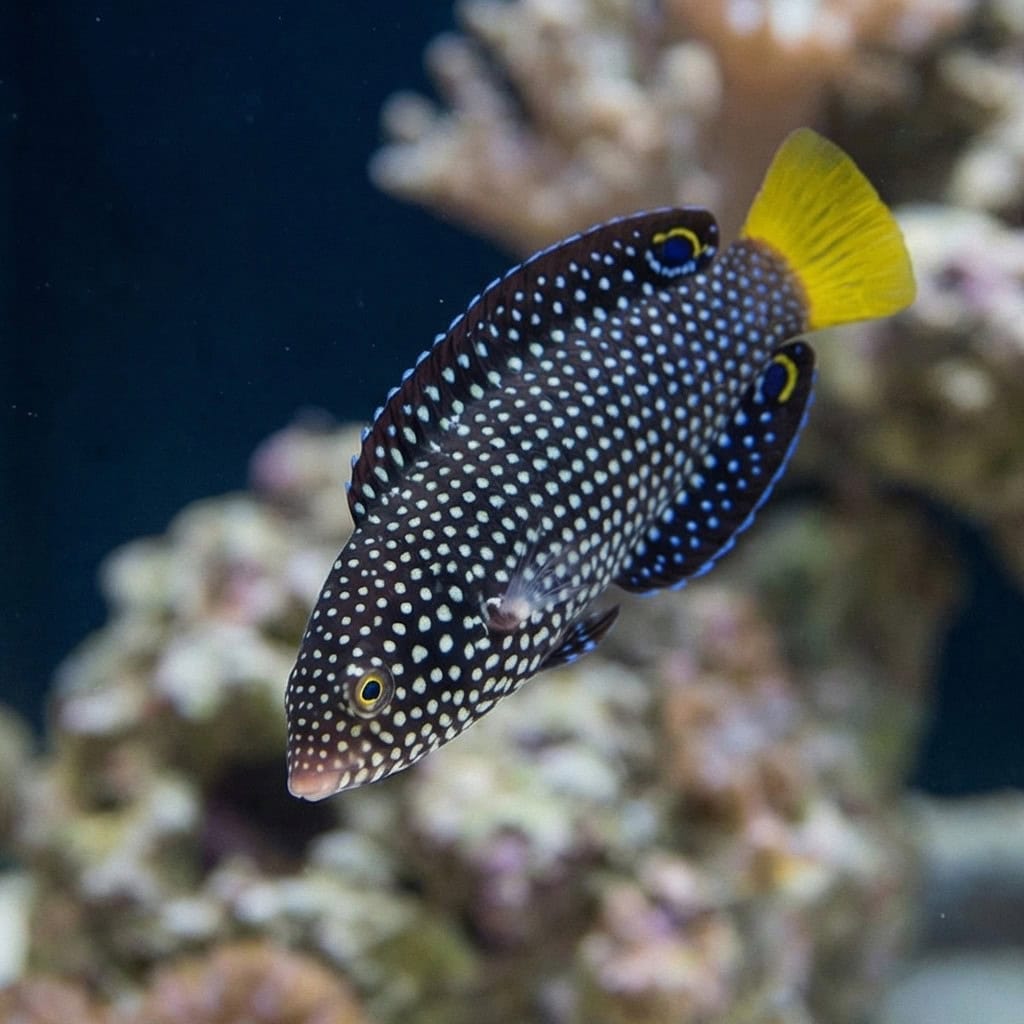
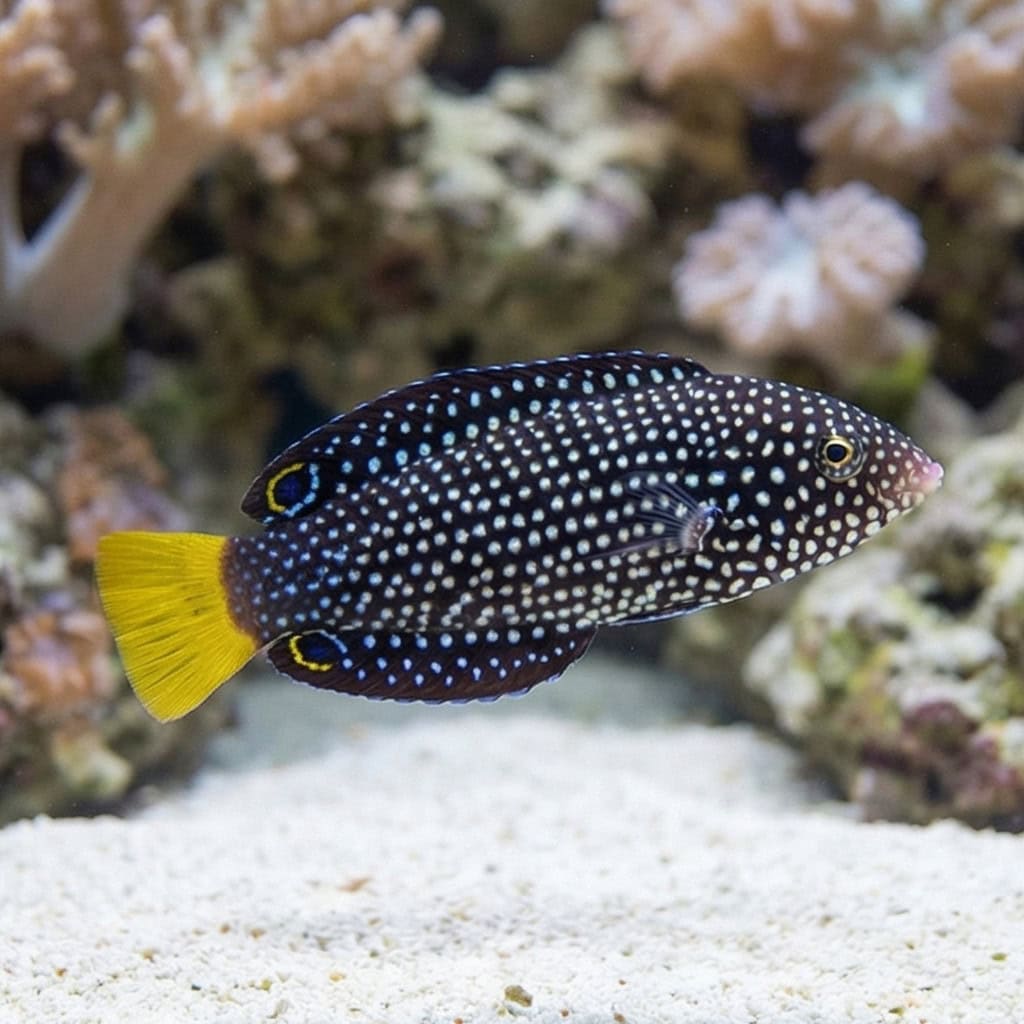
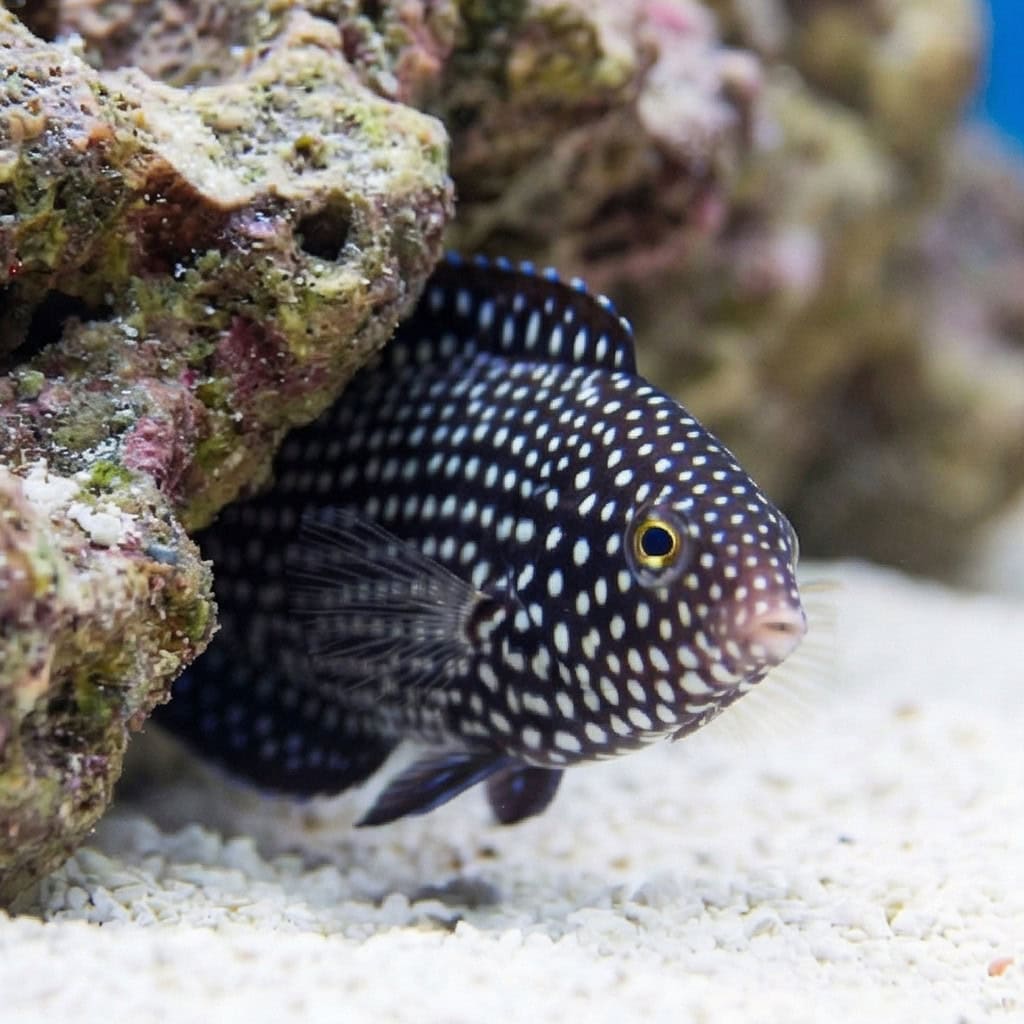
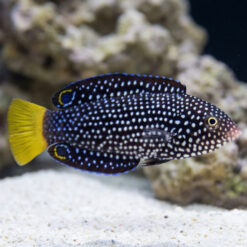
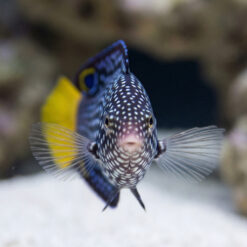
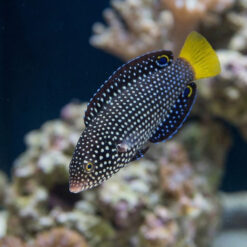
The Yellowtail Tamarin Wrasse (Anampses meleagrides) is a sand-sleeping wrasse known for a black body covered in small white spots and a solid yellow tail. It’s commonly listed as the yellowtail wrasse or spotted wrasse, and it’s most often seen in juvenile/female coloration.
What You’ll Observe:
- Methodical “picking” and foraging along rock and sand as it searches for small bites
- A quick dive into the sand at lights-out, and brief sand-burrowing when startled
- An adjustment period where it may stay out of sight, then begin making longer, more confident laps
- Most activity centered around feeding time, with repeated passes through the same areas
How to Succeed: Provide a mature, stable reef with plenty of rockwork to inspect and a fine sand area for nightly burrowing. Offer small meaty foods multiple times daily, and keep feeding consistent so it can settle into a routine. A secure lid helps keep active wrasses contained.
Is it normal if it stays buried for several days after introduction?
Yes—keepers commonly report “sand time” ranging from a few days to about a week (and occasionally longer) before it resumes regular daytime activity.
How deep should the sand be for normal behavior?
Most hobbyists have the best results when there’s a deeper section of fine sand available so it can fully bury at night instead of resting on the surface.
What’s a good approach if it ignores frozen food at first?
Start with smaller particle foods (like enriched brine/finely chopped frozen), then transition to more variety once it’s taking food confidently, feeding in smaller portions more often.
Will it wipe out my copepods?
It will actively hunt microfauna; a refugium/sump “pod zone” (plus rubble in the display) helps keep a steady supply circulating.
Do they change color/sex over time?
Most imports are juveniles/females; mature males are less common and look very different, with stronger patterning and blue-green facial markings reported in established specimens.
Each fish is checked for strong appetite and activity before we approve it for your tank.
Recently viewed products