
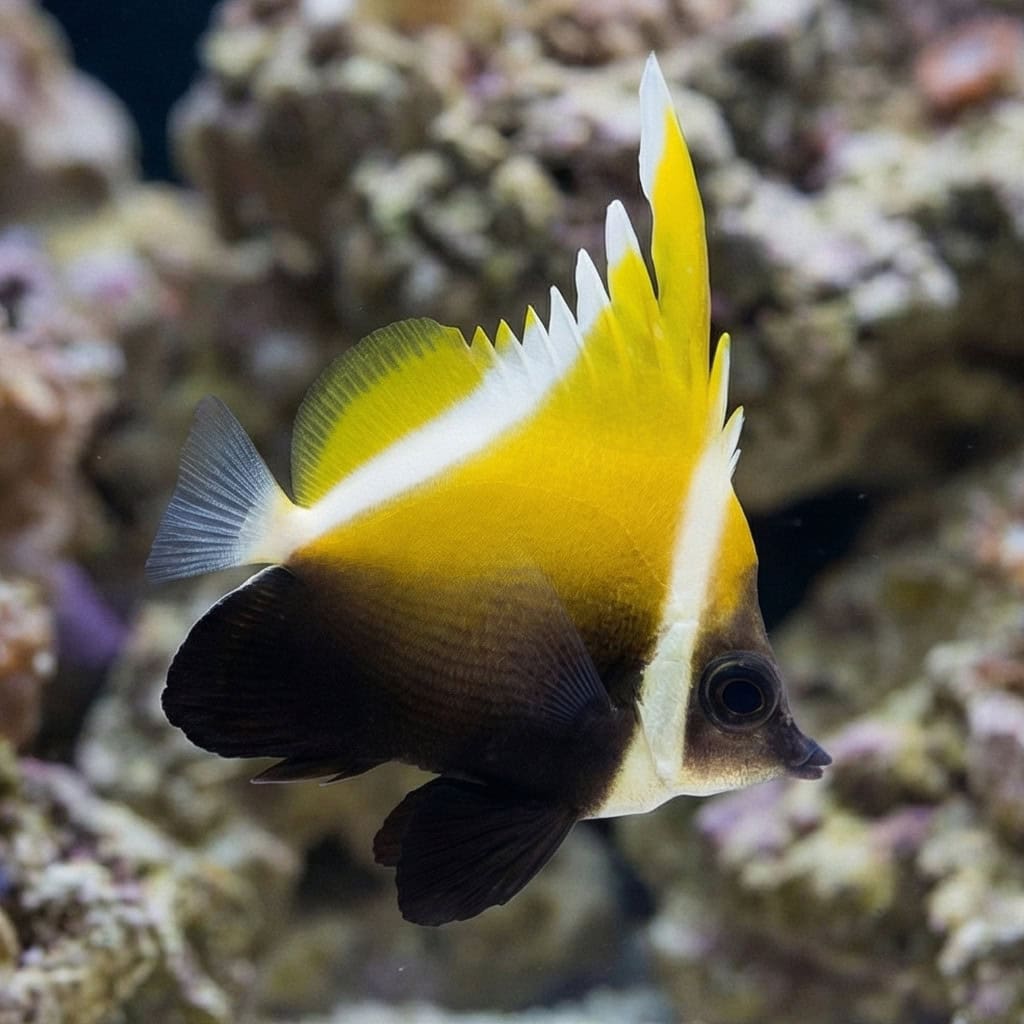
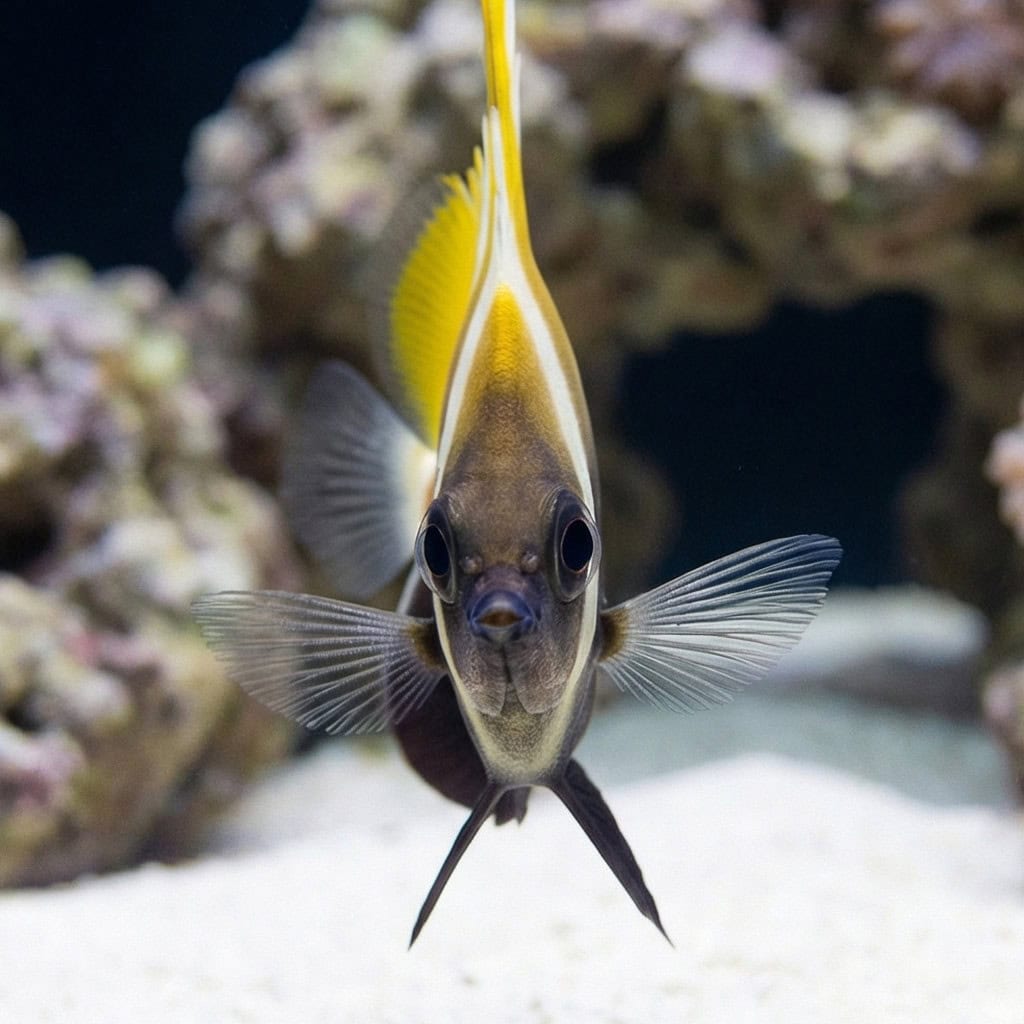
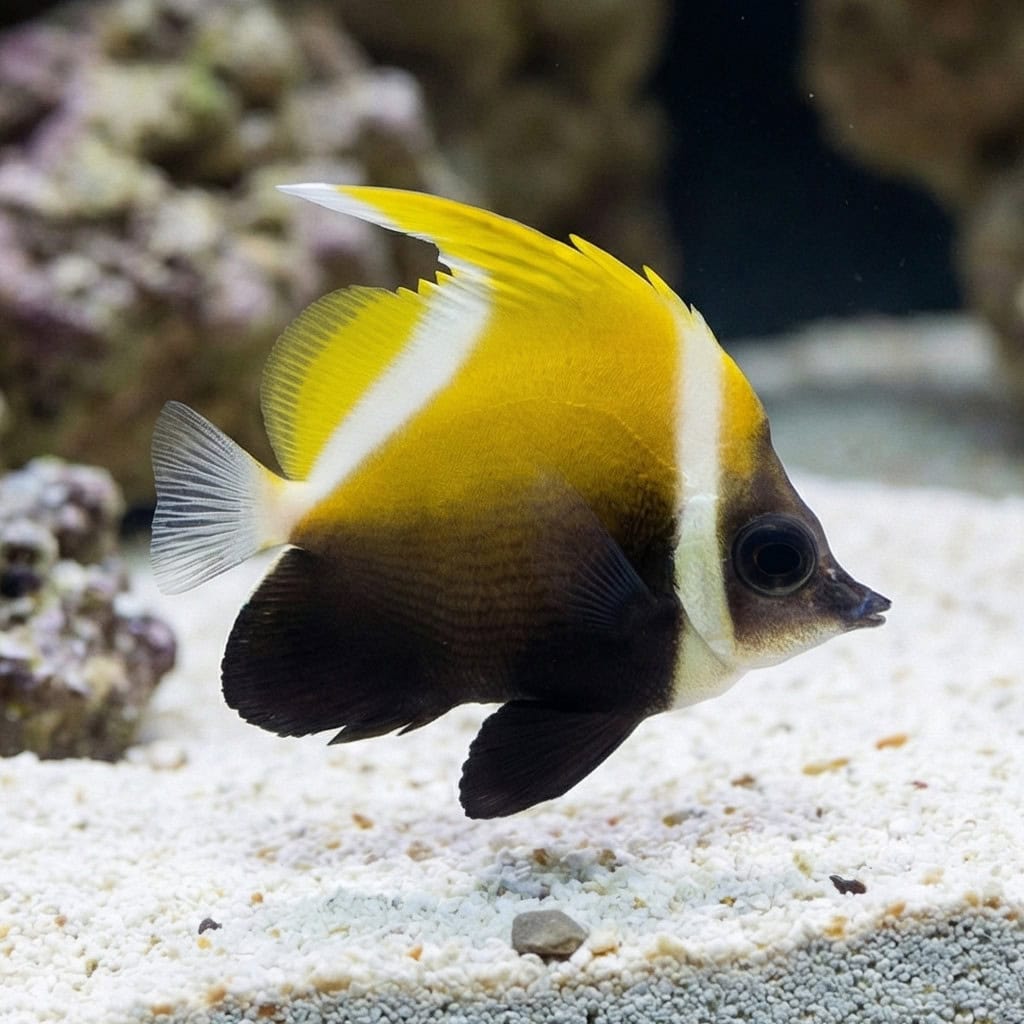
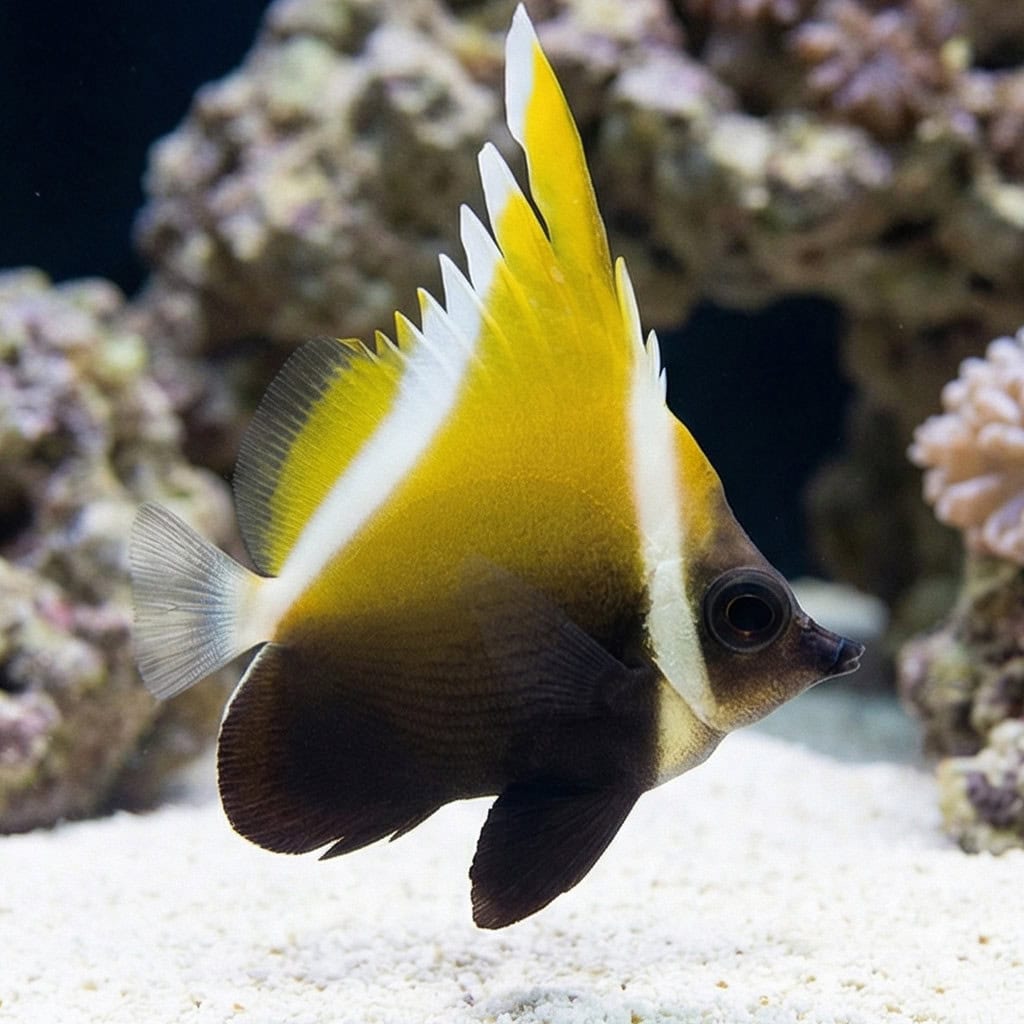
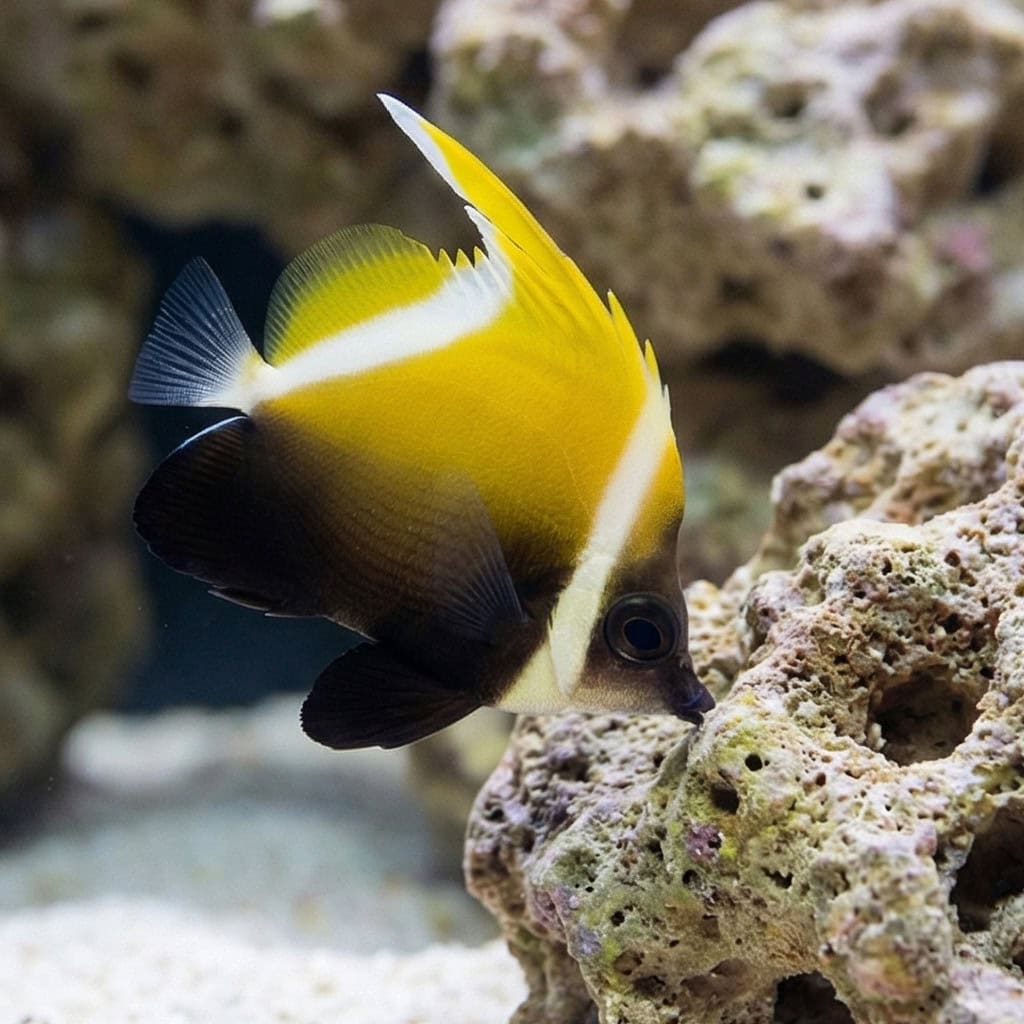
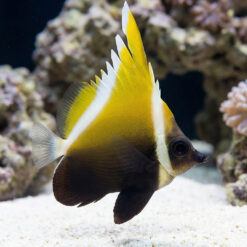
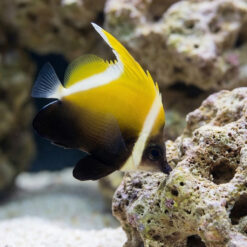
Humphead Bannerfish
Heniochus varius
| Stock | Variations | Price | Quantity | |
|---|---|---|---|---|
| Out of Stock | 2.25 - 3.5" - SSC Certified - Central Pacific | Original price was: $92.99.$48.99Current price is: $48.99. | Email me |
Every order ships with our standard 3-hour live arrival guarantee. Need more time? Add our 5-Day Guarantee at checkout.
Full guarantee terms →Ships Monday – Thursday for next-day arrival at your nearest FedEx Hold location — typically ready by 9 AM. We monitor every delivery.
Shipping details →
Monday – Friday 8 AM – 9 PM
Saturday 12 PM – 4 PM
Sunday 12 PM – 9 PM
Healthy, stable animals from vetted suppliers — inspected before packing, shipped overnight. Decades of experience built this model so we can deliver premium livestock at 30%+ less than you'd pay elsewhere.
| Care Level | Moderate |
|---|---|
| Temperament | Peaceful |
| Reef Safe | No |
| Functional Benefit | Ornamental Only |
| Diet Type | Omnivore |
| Mininum Tank Size | 120 gallons |
| Max Size | 8 inches |
| Temperature | 72–78°F |
| pH Range | 8.1–8.4 |
| Specific Gravity | 1.022–1.025 |
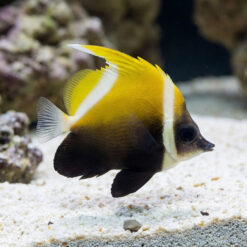
The Humphead Bannerfish (Heniochus varius), also called the horned bannerfish, is a deep-bodied Indo-Pacific butterflyfish with a dark brown-to-black base color, two crisp white bands, and a raised forehead profile.
What You’ll Observe:
- Makes smooth loops in the open water and then returns to the rockwork to inspect surfaces
- Spends time “picking” at small items on rocks and along edges while cruising the reef structure
- Often settles into a consistent routine over the first few weeks, showing stronger feeding response as it adjusts
- In larger systems, it’s commonly kept as a single specimen or introduced as a pair at the same time
To succeed, provide open swimming space plus live rock with ledges and overhangs so it can move between open water and cover. Offer a mix of finely chopped meaty foods along with herbivore-focused frozen blends, given in multiple small feedings for best consistency.
Will it eat Aiptasia?
Some hobbyists report Heniochus varius picking out visible Aiptasia soon after introduction, especially when it’s actively browsing rock and frag plugs.
Is it normal if it “tests” corals without obvious damage?
Keepers commonly describe short, repeated pecks that turn out to be aimed at film, detritus, or microfauna on the coral’s surface rather than the living tissue.
Does “well fed” always mean it will ignore corals long-term?
Many aquarists see a range of outcomes—some individuals coexist for a while, while others gradually expand what they sample as they get comfortable in the tank.
How long until it really starts eating aggressively?
A recurring theme is that the species can take longer than many fish to fully settle, with hobbyists often watching for a clear, confident feeding response over several weeks.
Do they do better alone or as a pair?
Discussion threads frequently recommend choosing either a single specimen or adding two at the same time if attempting a pair, rather than adding a second later.
We work with trusted suppliers who keep our specimens healthy and well-fed before shipping.
Recently viewed products