
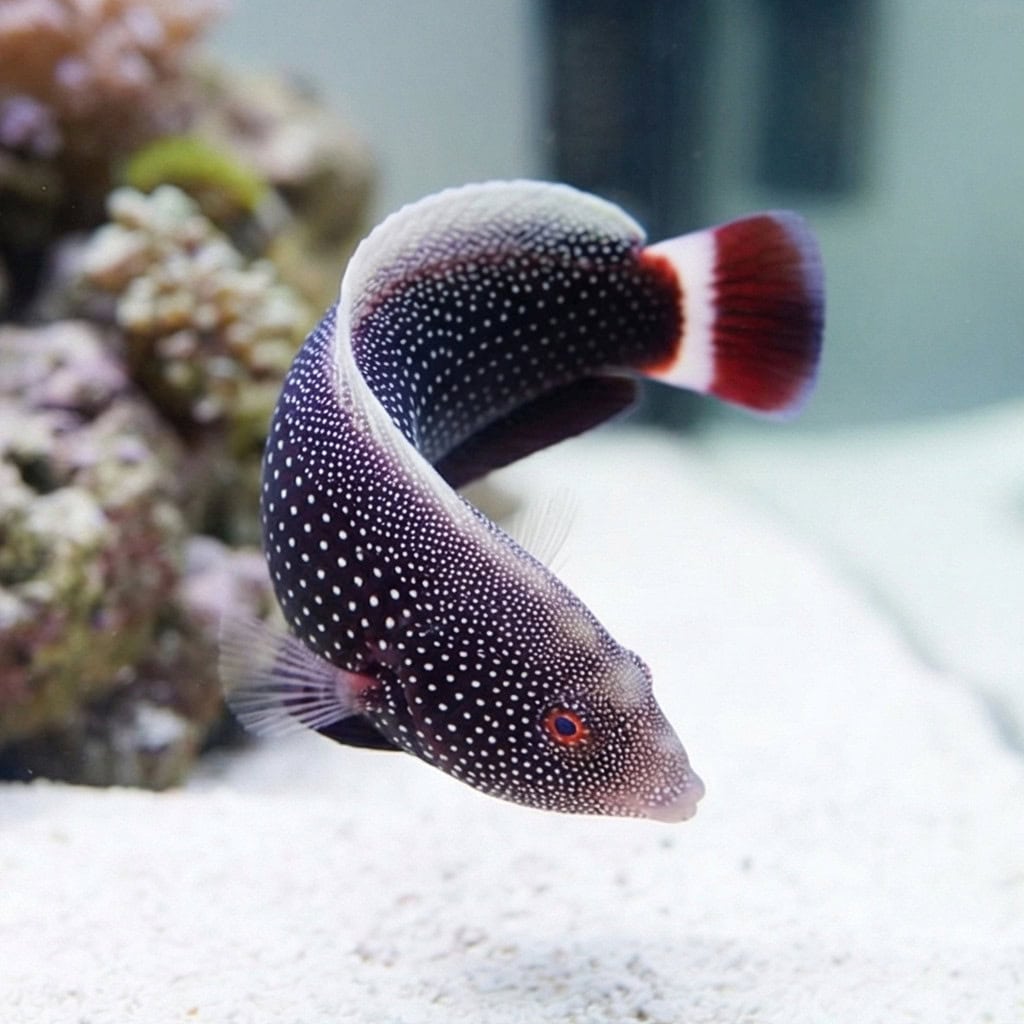
Red Tail Wrasse
Anampses chrysocephalus
| Stock | Variations | Price | Quantity |
|---|
Every order ships with our standard 3-hour live arrival guarantee. Need more time? Add our 5-Day Guarantee at checkout.
Full guarantee terms →Ships Monday – Thursday for next-day arrival at your nearest FedEx Hold location — typically ready by 9 AM. We monitor every delivery.
Shipping details →
Monday – Friday 8 AM – 9 PM
Saturday 12 PM – 4 PM
Sunday 12 PM – 9 PM
Healthy, stable animals from vetted suppliers — inspected before packing, shipped overnight. Decades of experience built this model so we can deliver premium livestock at 30%+ less than you'd pay elsewhere.
| Care Level | Expert |
|---|---|
| Temperament | Peaceful |
| Reef Safe | With Caution |
| Functional Benefit | Ornamental Only |
| Diet Type | Carnivore |
| Mininum Tank Size | 90 gallons |
| Max Size | 8 inches |
| Temperature | 72–78°F |
| pH Range | 8.1–8.4 |
| Specific Gravity | 1.022–1.025 |
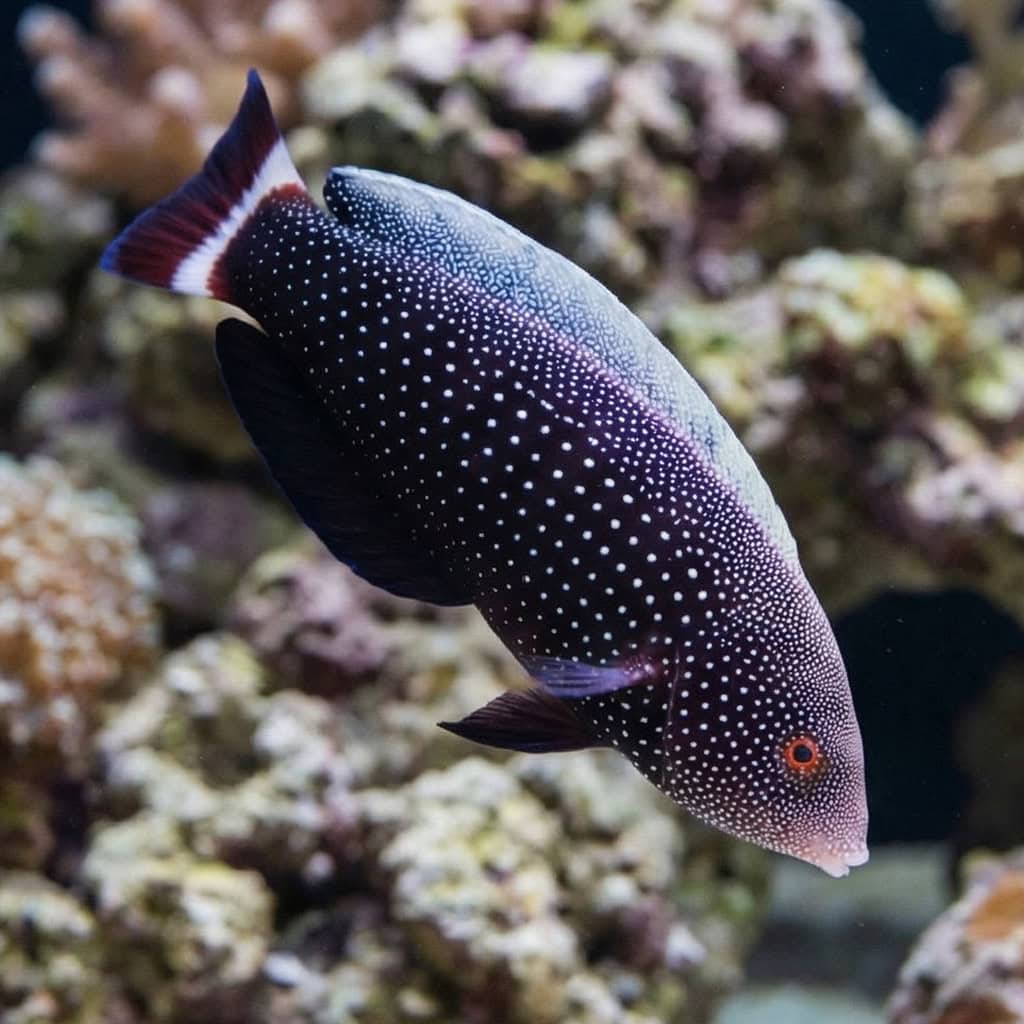
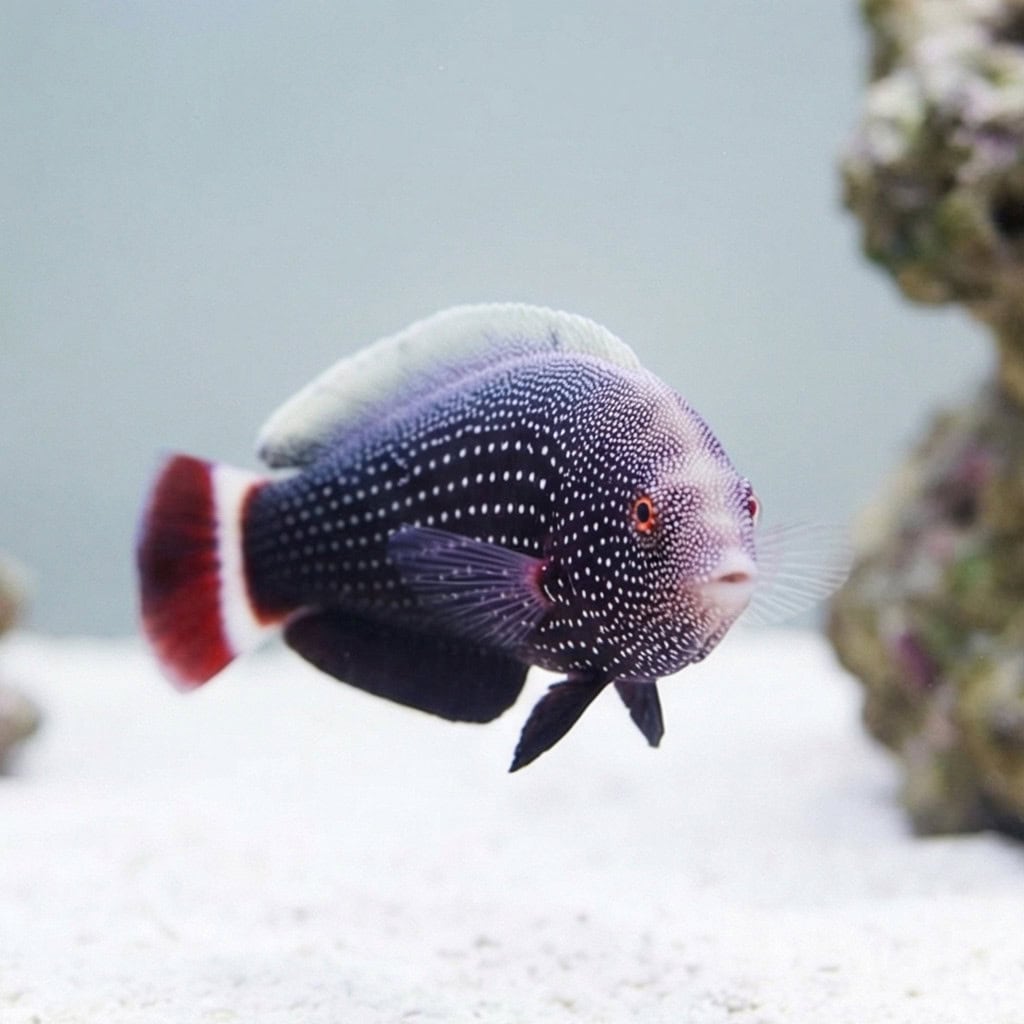
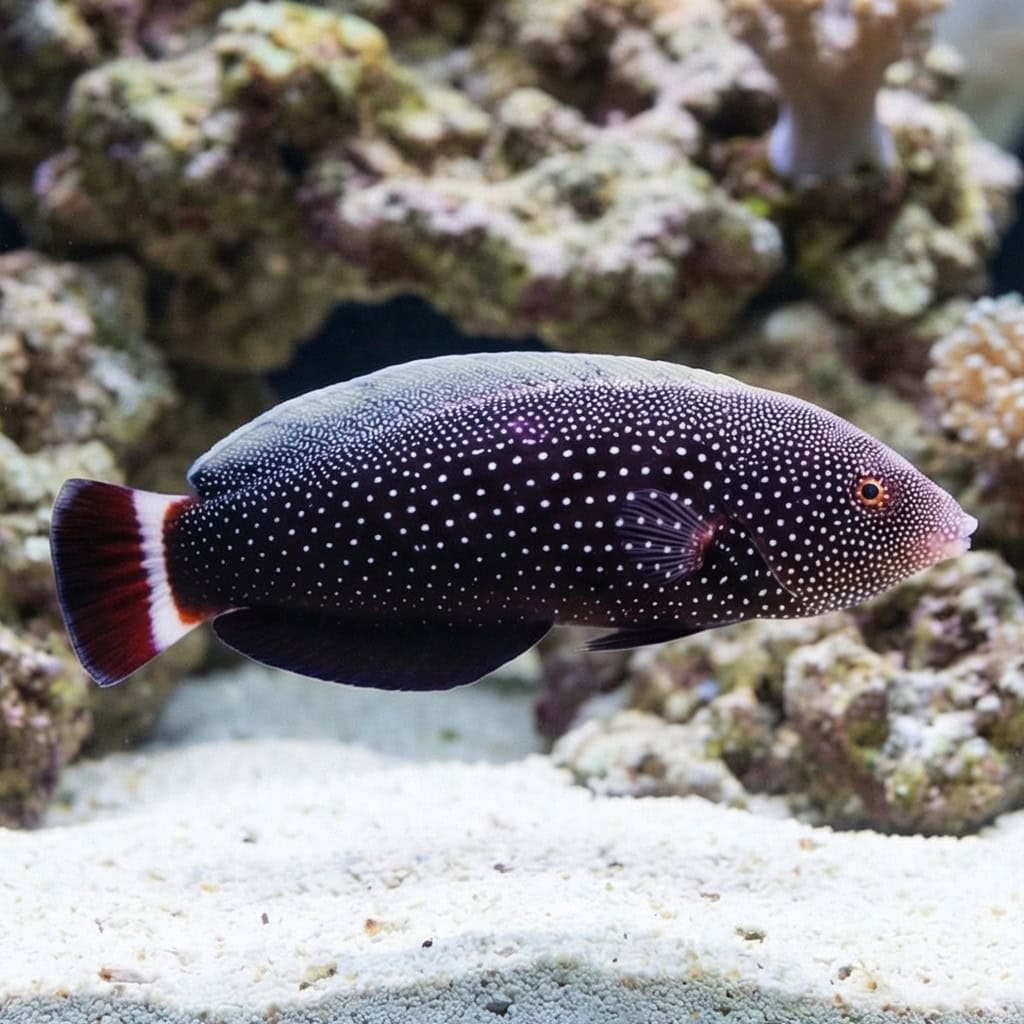
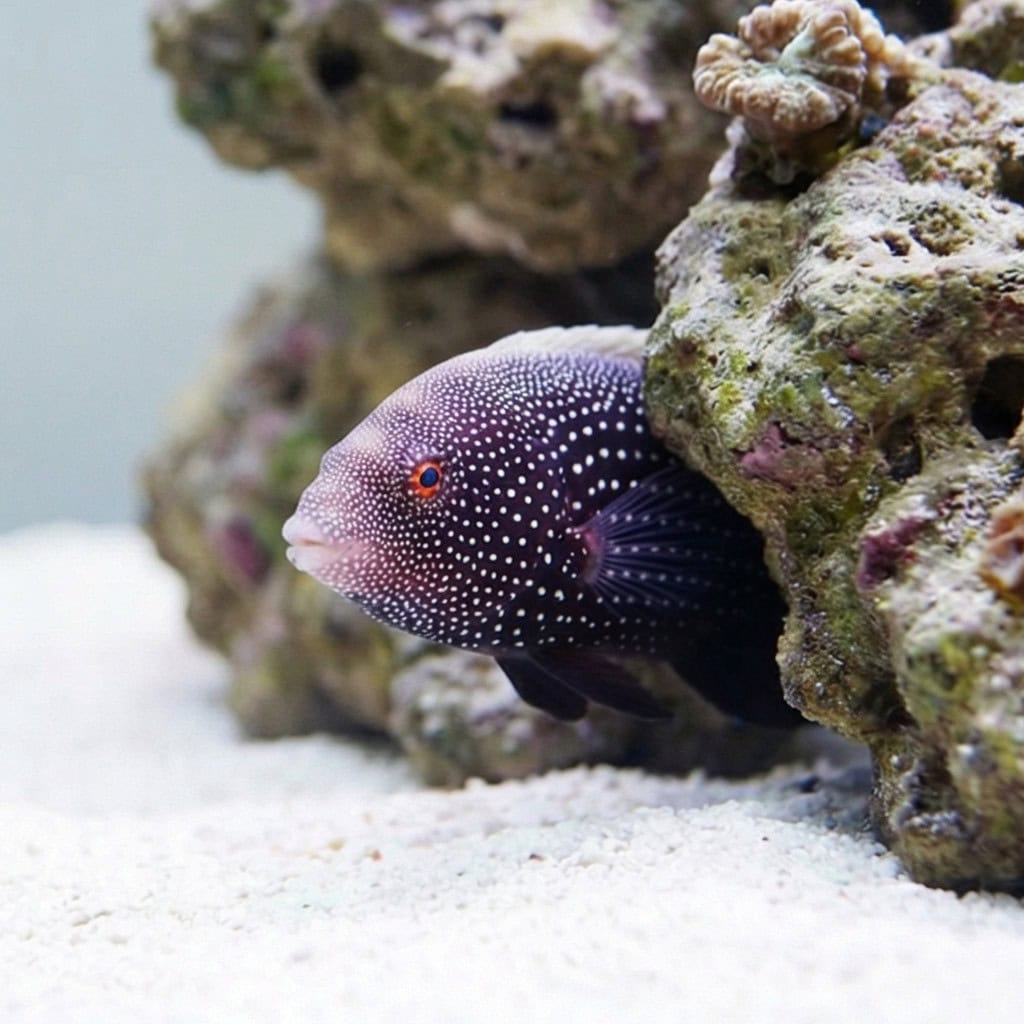
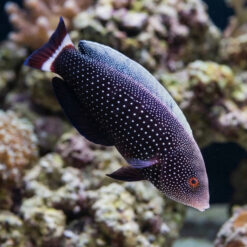
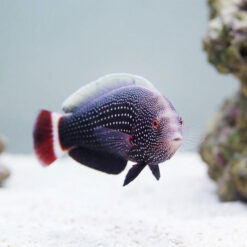
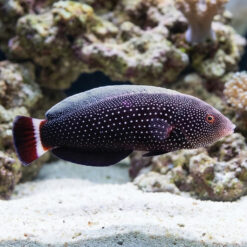
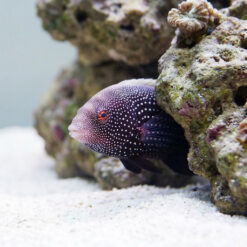
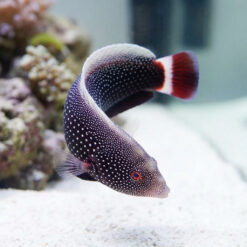
The Red Tail Wrasse (Anampses chrysocephalus, female) is a Hawaiian tamarin wrasse with a dark body patterned in fine white spots and a distinct red tail. It’s a sand-sleeping wrasse that spends the day working the rockwork and sand edge, then disappears into the substrate to rest. This species is also commonly associated with the “Psychedelic Wrasse” name for its male color phase.
What You’ll Observe:
- Steady daytime cruising along the rockwork, pausing often to peck at tiny foods
- Regular “dive and vanish” routines into the sand, especially at lights-out
- A noticeable increase in daytime visibility as it settles into a predictable schedule
- Fast, precise feeding strikes, with most activity clustered around feeding times
Provide an established reef aquarium with ample live rock for foraging space and a fine sand bed for nightly burying. Offer small meaty foods (like mysis, chopped seafood, and roe) in multiple small feedings so it can eat while continuing its natural picking behavior. A well-fitted lid helps keep its active swimming style contained and consistent.
Is it normal for this wrasse to stay buried for days after introduction?
Yes—many sand-sleeping wrasses spend extended time under the sand while they adjust, then begin coming out on a regular schedule, often around feeding.
Why does it take food into its mouth and spit it back out?
This is commonly seen when pieces are too large; offering smaller items (or finely chopped foods) usually results in more consistent swallowing.
Will a female ever develop “male” psychedelic coloration?
This species can transition from female to male depending on social conditions; in a home aquarium, this is most likely when no male is present.
When will I see it most—morning, mid-day, or evening?
Many keepers report the most consistent activity in the hours surrounding feedings, with a noticeable “wind-down” as lights dim.
Does it need time to learn prepared foods, even if it’s picking all day?
Often, yes—steady access to natural microfauna plus repeated small feedings helps it build a routine around frozen and pellet options.
We work with trusted suppliers who keep our specimens healthy and well-fed before shipping.
Recently viewed products