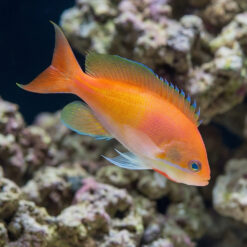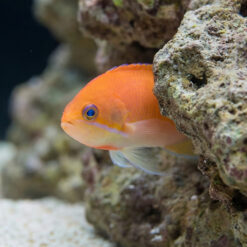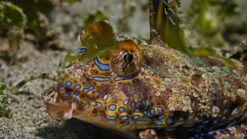
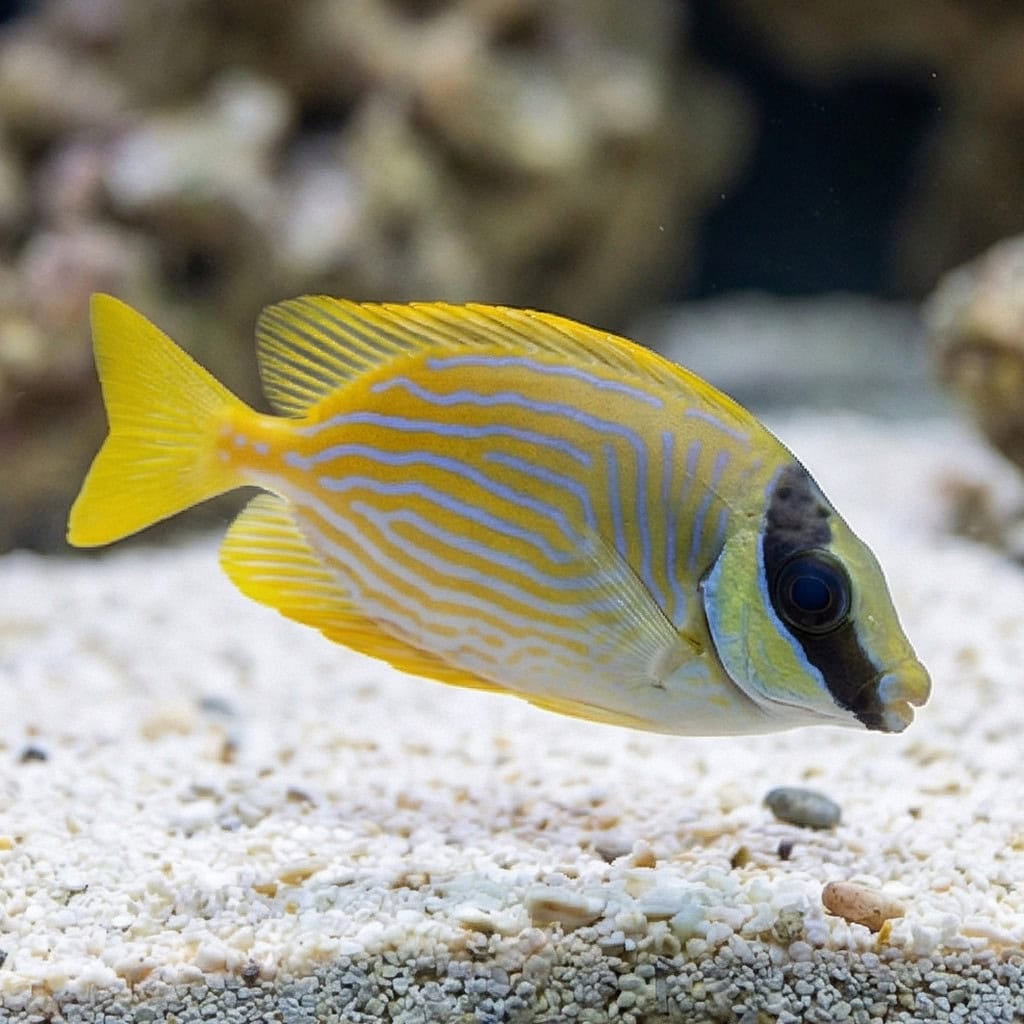
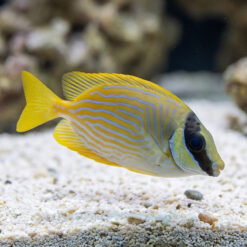
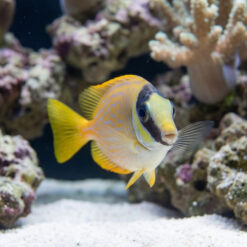
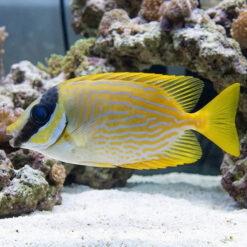
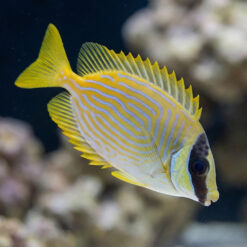
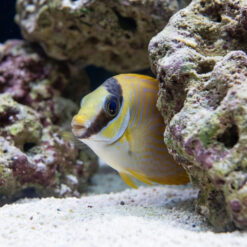
Blue Lined Rabbitfish
Siganus puellus
| Stock | Variations | Price | Quantity |
|---|
Every order ships with our standard 3-hour live arrival guarantee. Need more time? Add our 5-Day Guarantee at checkout.
Full guarantee terms →Ships Monday – Thursday for next-day arrival at your nearest FedEx Hold location — typically ready by 9 AM. We monitor every delivery.
Shipping details →
Monday – Friday 8 AM – 9 PM
Saturday 12 PM – 4 PM
Sunday 12 PM – 9 PM
Healthy, stable animals from vetted suppliers — inspected before packing, shipped overnight. Decades of experience built this model so we can deliver premium livestock at 30%+ less than you'd pay elsewhere.
| Care Level | Moderate |
|---|---|
| Temperament | Peaceful |
| Reef Safe | With Caution |
| Functional Benefit | Algae Control |
| Diet Type | Omnivore |
| Mininum Tank Size | 180 gallons |
| Max Size | 18 inches |
| Temperature | 72–78°F |
| pH Range | 8.1–8.4 |
| Specific Gravity | 1.022–1.025 |
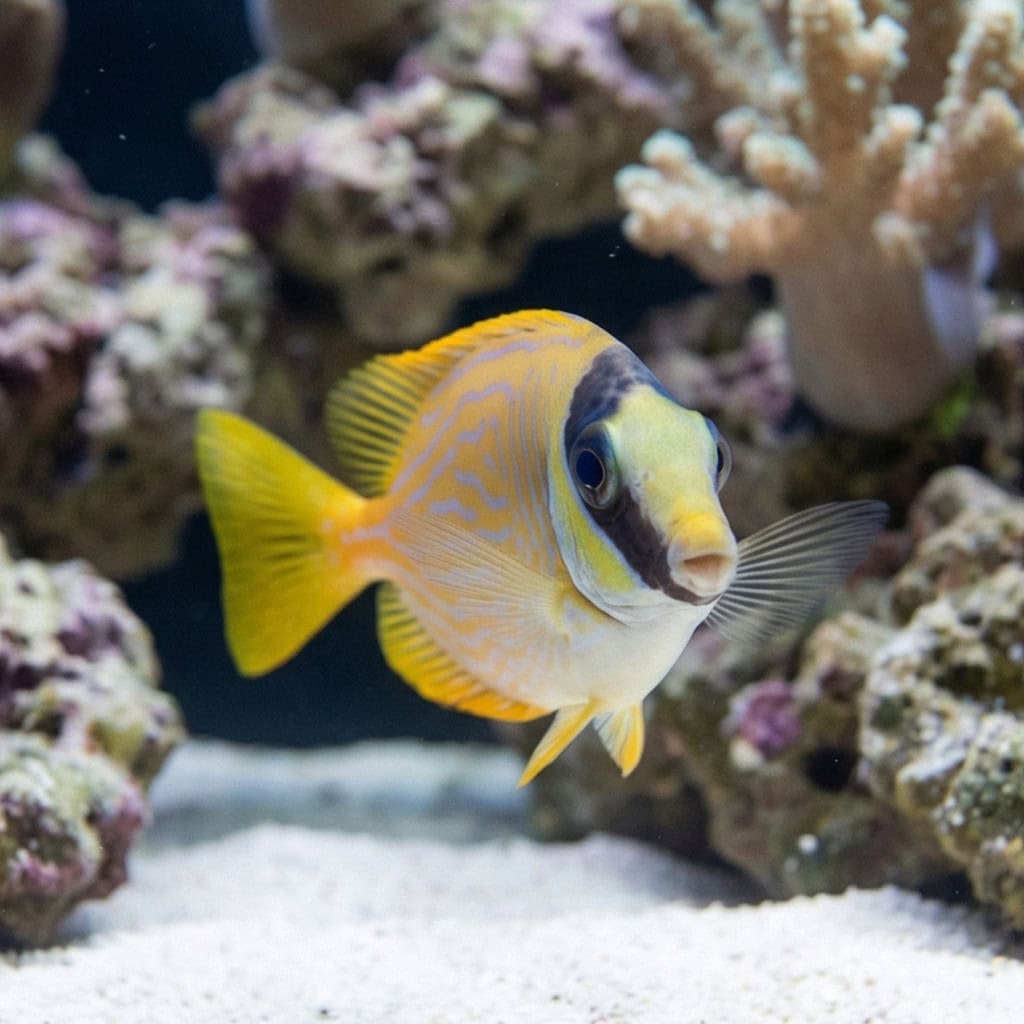
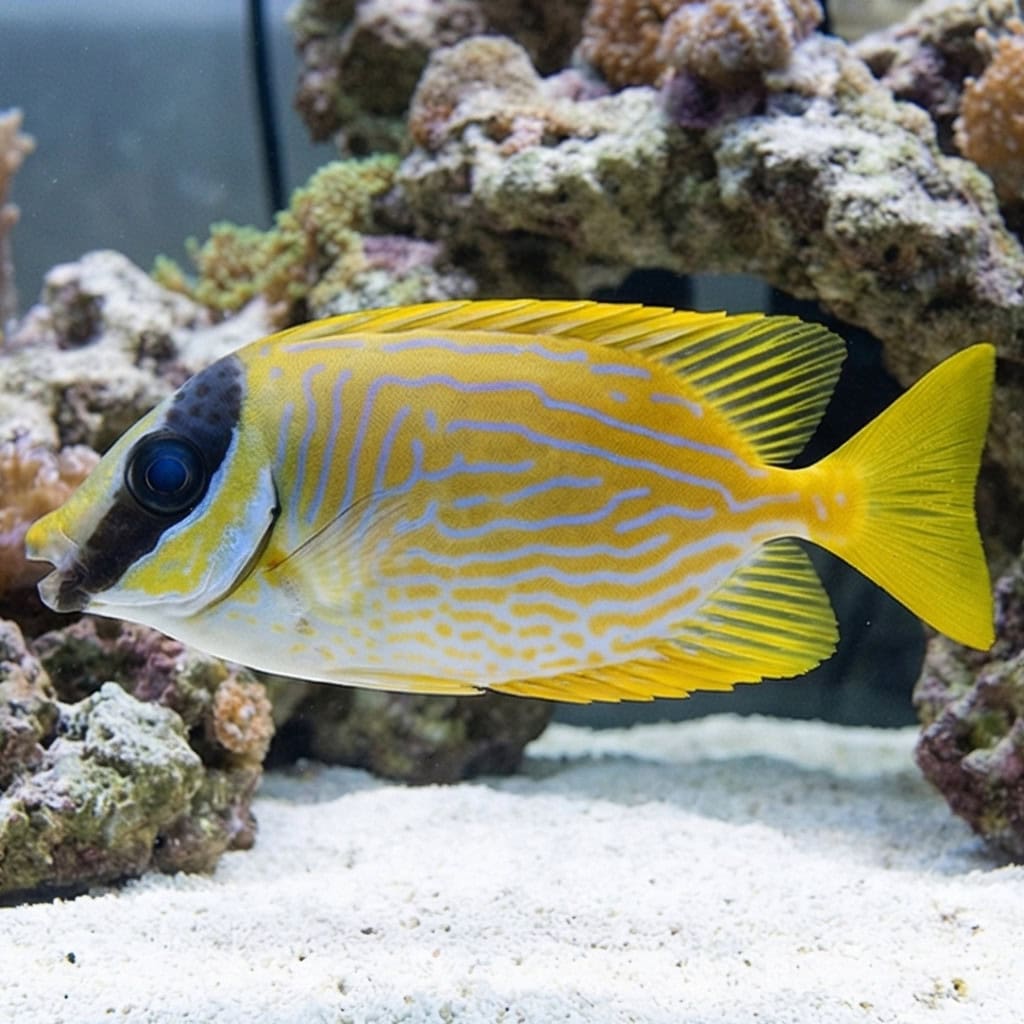
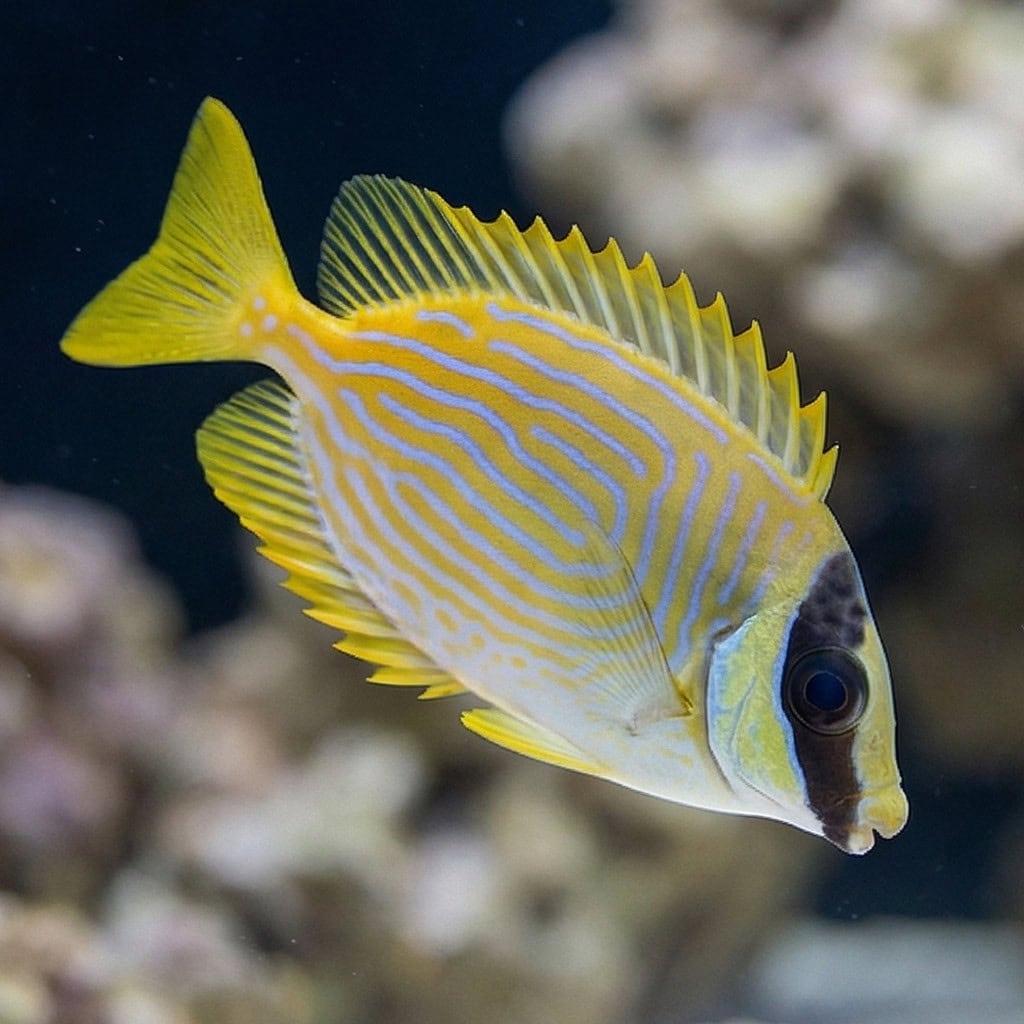
The Blue Lined Rabbitfish (Siganus puellus) is a constant grazer that helps manage film algae on rockwork while adding a yellow body with fine blue lines and a dark mask through the face. In the aquarium it behaves like a classic rabbitfish/algae eater and appreciates open swimming room plus plenty of surfaces to pick at.
What You’ll Observe:
- Cruises the rockwork and glass, stopping often to peck at algae and biofilm
- Learns a daily feeding loop, visiting the same grazing lanes around the tank
- Takes repeated bites from a nori clip once it recognizes it as a food source
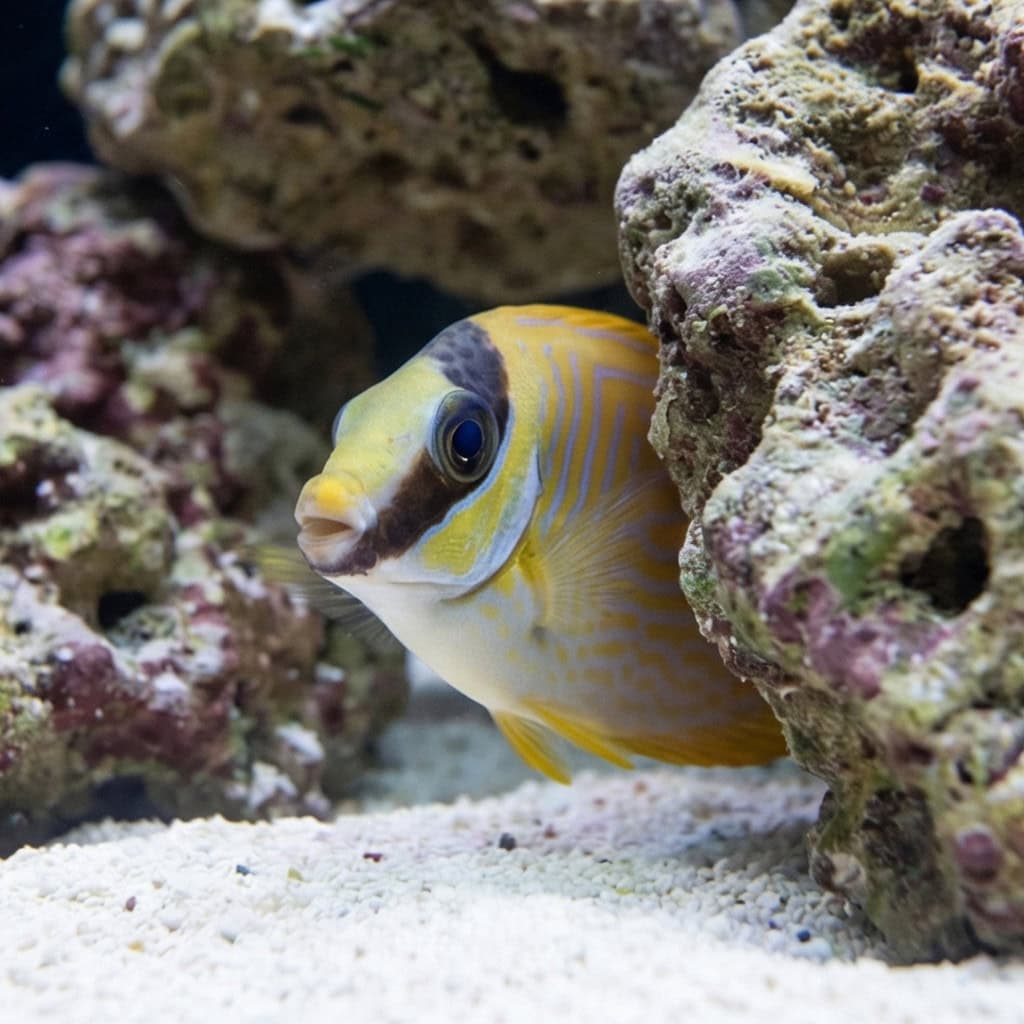
- Uses caves and overhangs as a regular resting spot, especially after lights dim
Provide a mature tank with abundant live rock for grazing and steady access to algae-based foods (nori, spirulina-forward foods) alongside mixed frozen fare. Most hobbyists keep this species singly, and it does best when it has multiple grazing zones and consistent feeding times. When moving the fish, use a specimen container rather than a net to protect fins and spines.
Will a Blue Lined Rabbitfish suddenly start sampling specific corals even if it was fine at first?
Some individuals periodically test bite fleshy polyps; keeping a daily algae sheet available and consistent veggie-forward feeding often redirects that grazing behavior.
What’s the easiest way to get it eating nori reliably?
Place the clip near its favorite rockwork path, start with smaller pieces, and keep it in the same spot so the fish associates that location with grazing.
Is it normal for it to wedge into the rockwork at night?
Yes—many rabbitfish choose a consistent crevice or overhang as a nighttime resting spot once they’ve mapped the tank.
How do I reduce food competition during feeding time?
Use two feeding points (one nori clip, one meaty-food zone) so it can graze while faster fish take the water-column foods.
What’s the safest way to catch or transfer it?
Guide it into a rigid specimen container (or bag inside a container) underwater; this avoids tangled fins and reduces the chance of spines catching in mesh.
Shipped with pure oxygen and temperature control so it arrives stress-free and ready to eat.
Recently viewed products