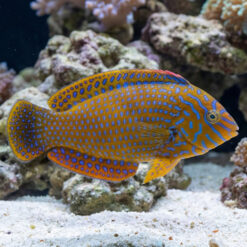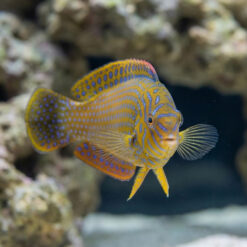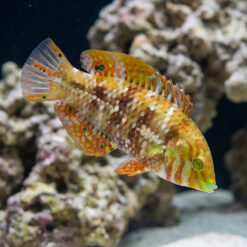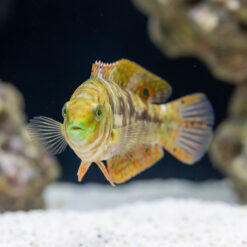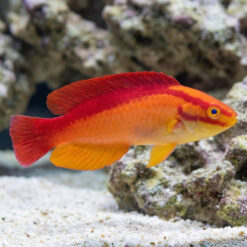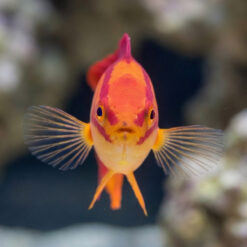
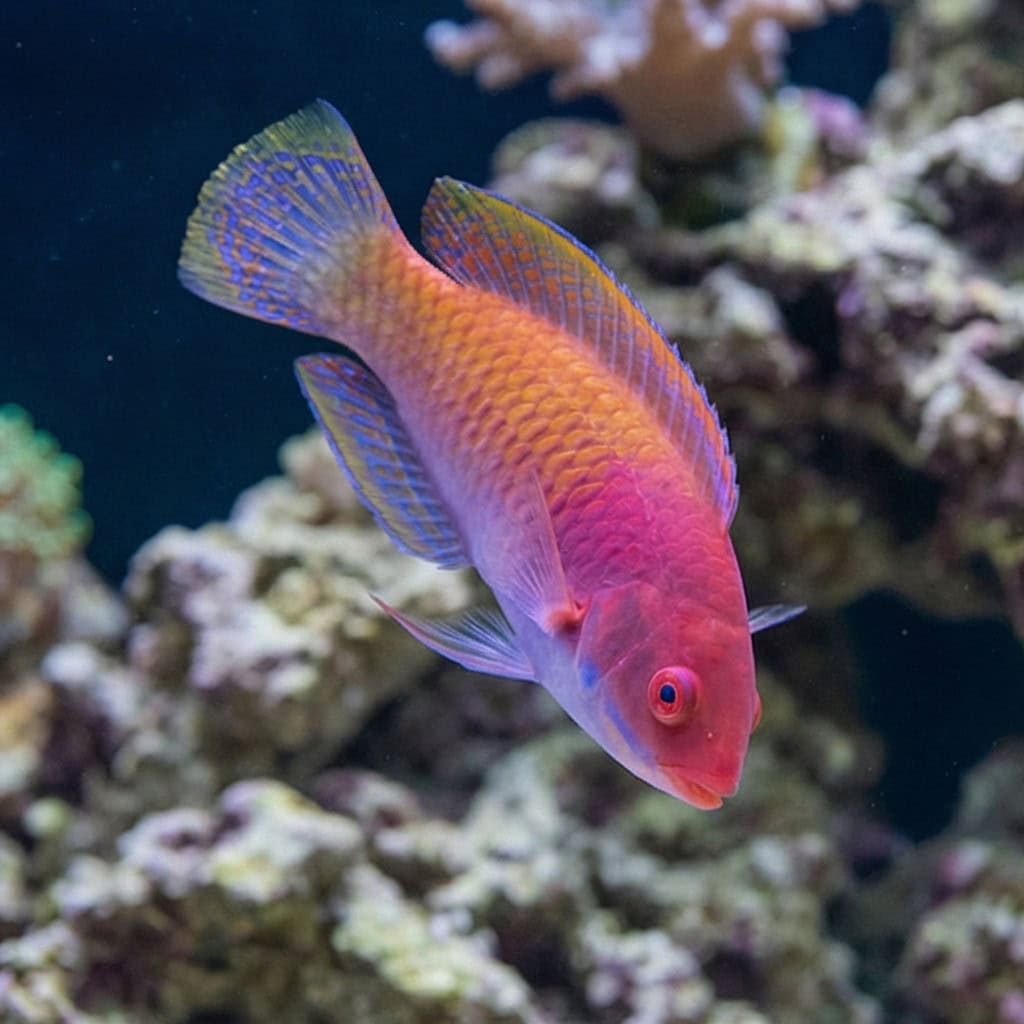
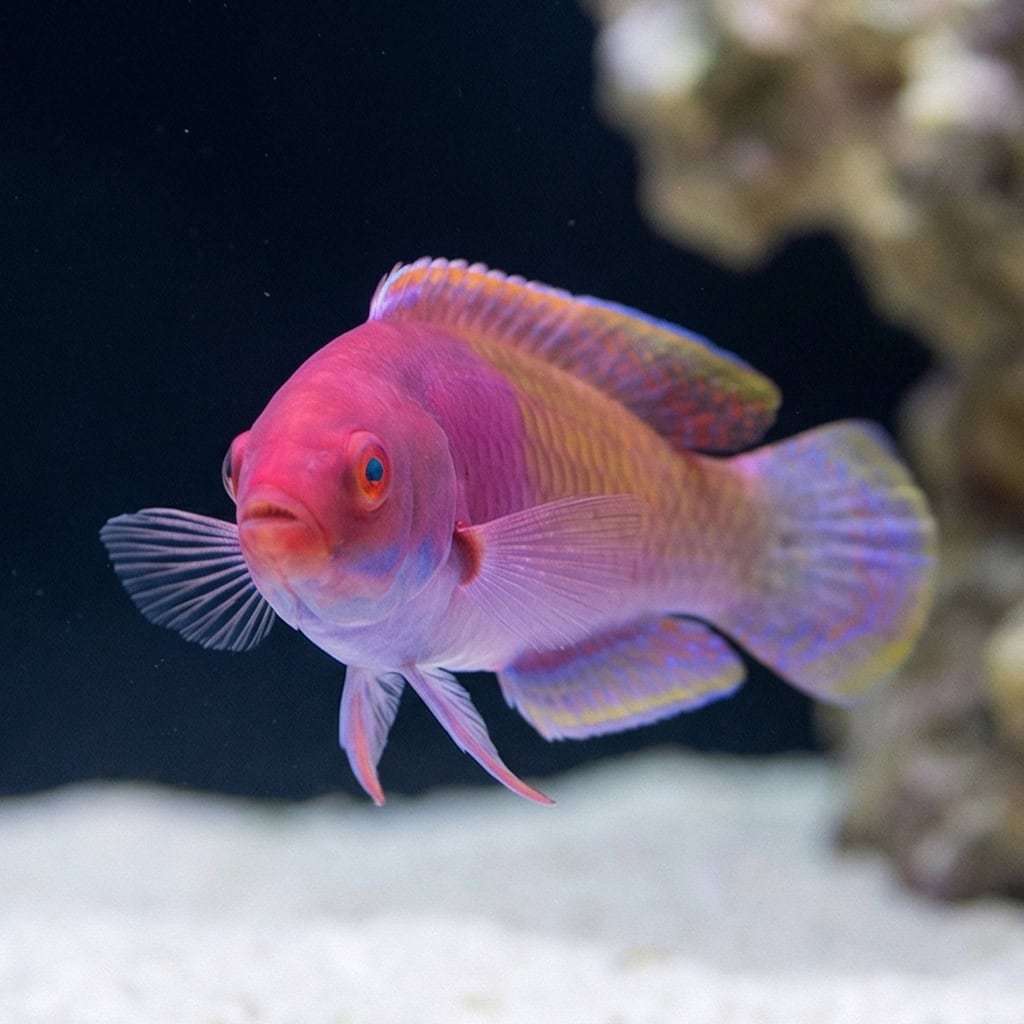
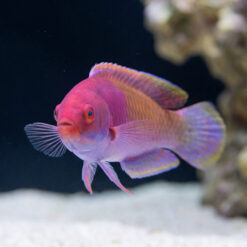
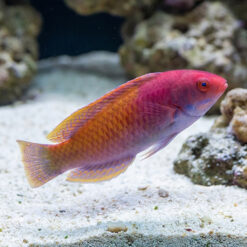
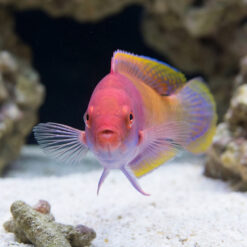
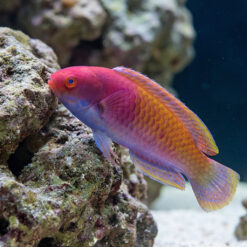
Blue Sided Fairy Wrasse
Cirrhilabrus chaliasi
| Stock | Variations | Price | Quantity | |
|---|---|---|---|---|
| Out of Stock | 3 - 4" - Indo-Pacific | Original price was: $177.99.$93.99Current price is: $93.99. | Email me | |
| Out of Stock | 2 - 3" - Indo-Pacific | Original price was: $155.99.$81.99Current price is: $81.99. | Email me |
Every order ships with our standard 3-hour live arrival guarantee. Need more time? Add our 5-Day Guarantee at checkout.
Full guarantee terms →Ships Monday – Thursday for next-day arrival at your nearest FedEx Hold location — typically ready by 9 AM. We monitor every delivery.
Shipping details →
Monday – Friday 8 AM – 9 PM
Saturday 12 PM – 4 PM
Sunday 12 PM – 9 PM
Healthy, stable animals from vetted suppliers — inspected before packing, shipped overnight. Decades of experience built this model so we can deliver premium livestock at 30%+ less than you'd pay elsewhere.
| Care Level | Moderate |
|---|---|
| Temperament | Peaceful |
| Reef Safe | Yes |
| Functional Benefit | Ornamental Only |
| Diet Type | Carnivore |
| Mininum Tank Size | 70 gallons |
| Max Size | 5 inches |
| Temperature | 72–78°F |
| pH Range | 8.1–8.4 |
| Specific Gravity | 1.022–1.025 |
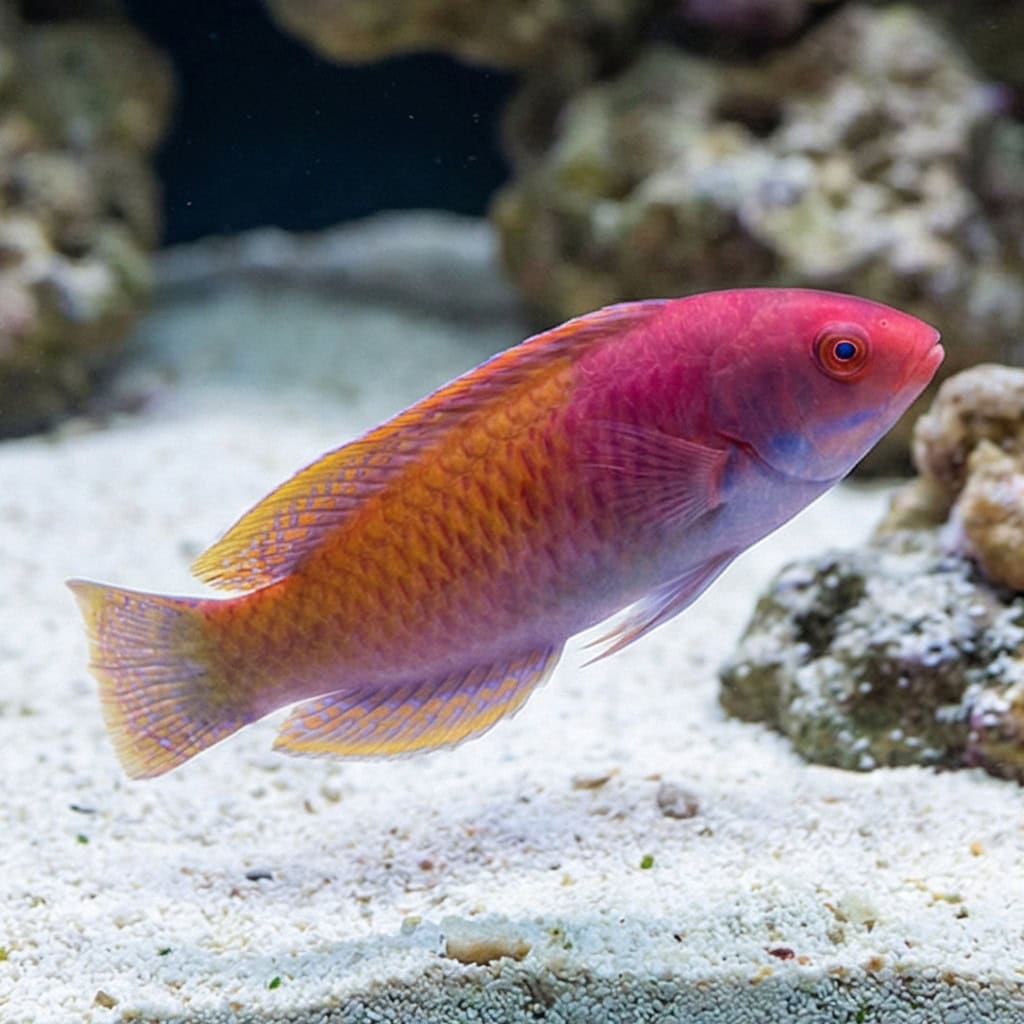
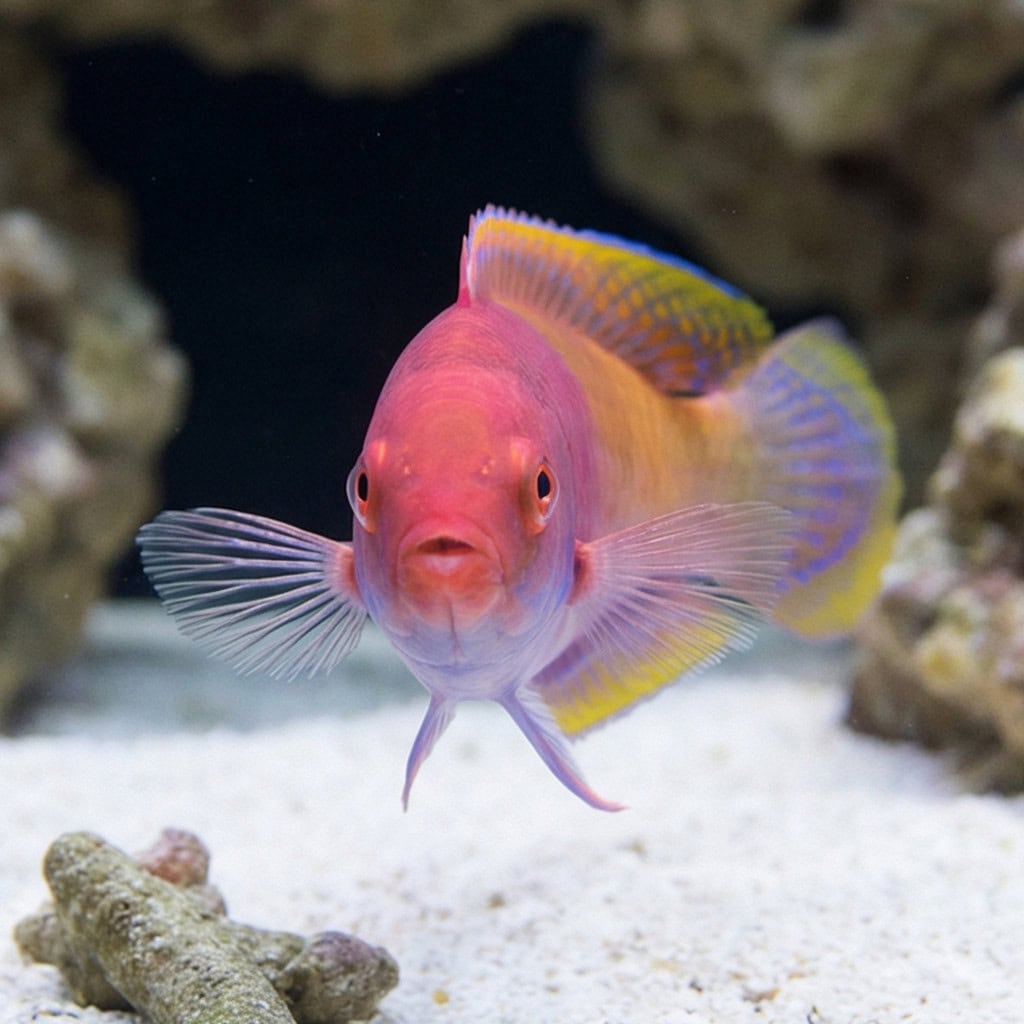
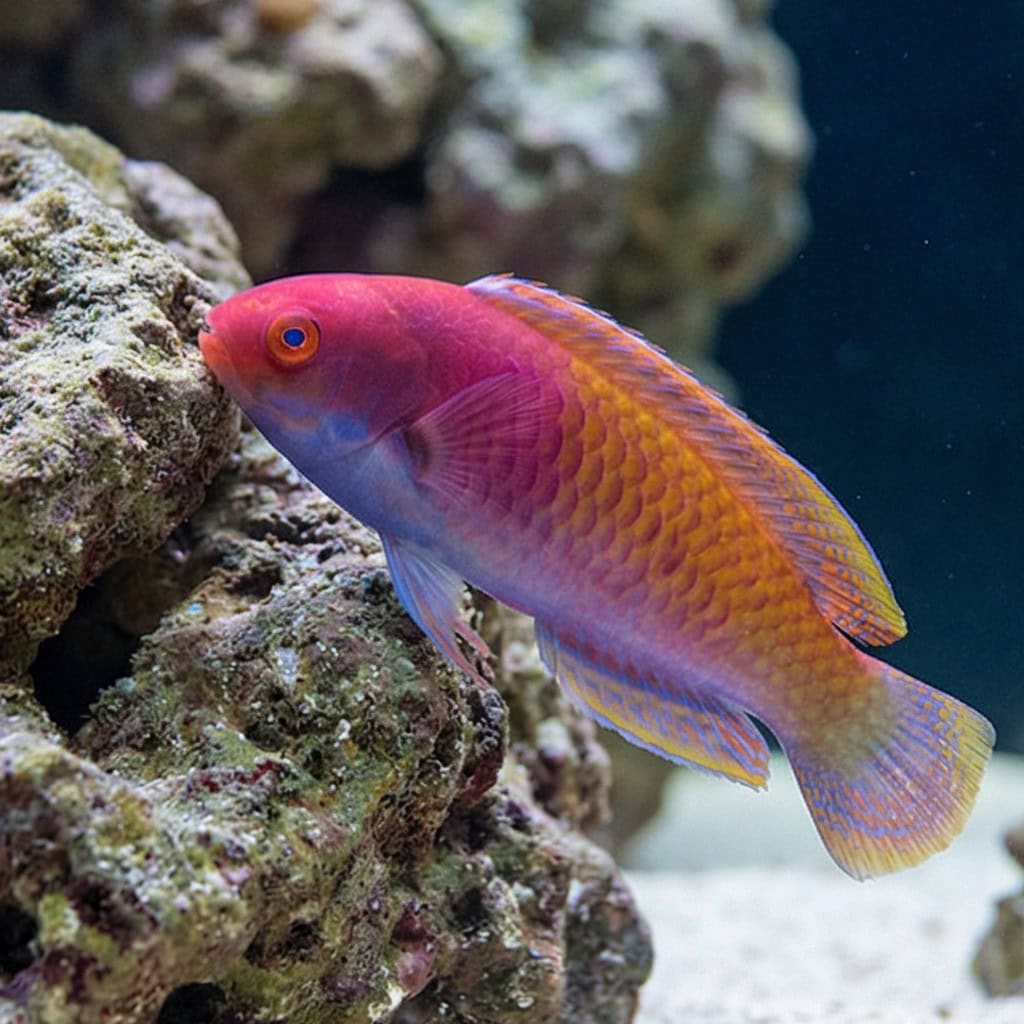
The Blue Sided Fairy Wrasse (Cirrhilabrus chaliasi) is an active reef fish often recognized by a deep red head with blue-green body tones and dark-edged scales, and it reaches about 5 inches in aquariums.
It’s a Western Pacific Cirrhilabrus from the Coral Triangle region, with reports placing it around the Lesser Sundas and nearby island groups.
What You’ll Observe:
- Steady mid-water cruising with quick loops through open swim lanes
- Short “flashing” color displays, especially when other wrasses are nearby
- A predictable lights-out routine—disappears into rockwork and reappears soon after lights-on
- Confident, always-moving behavior that draws attention without dominating the tank
Provide an established reef with plenty of rockwork (caves and crevices) plus open water to pace and display. Offer small, meaty foods in multiple small feedings each day so it can keep up with its active metabolism.
Will this wrasse jump even if my tank is “mostly covered”?
Fairy wrasses are well known for finding small gaps—cover feeding doors and overflow cutouts as carefully as the main lid.
Does Cirrhilabrus chaliasi need sand to sleep?
This species is commonly described as a rock-sleeper that wedges into crevices at night rather than burying in sand.
How do I introduce it if I already have another fairy wrasse?
Many hobbyists use an acclimation box first so the established wrasse can see the newcomer without immediate contact, then release once interest drops.
Why does it look dull at first and then color up later?
It’s normal for coloration to shift with settling-in, social rank, and “flashing” displays; many males show stronger contrast once comfortable.
Is it normal for it to vanish into the rocks early on?
Yes—many newly added fairy wrasses spend short periods tucked into structure between patrols, then become more visible as they learn the tank’s routine.
Shipped with pure oxygen and temperature control so it arrives stress-free and ready to eat.
Recently viewed products