
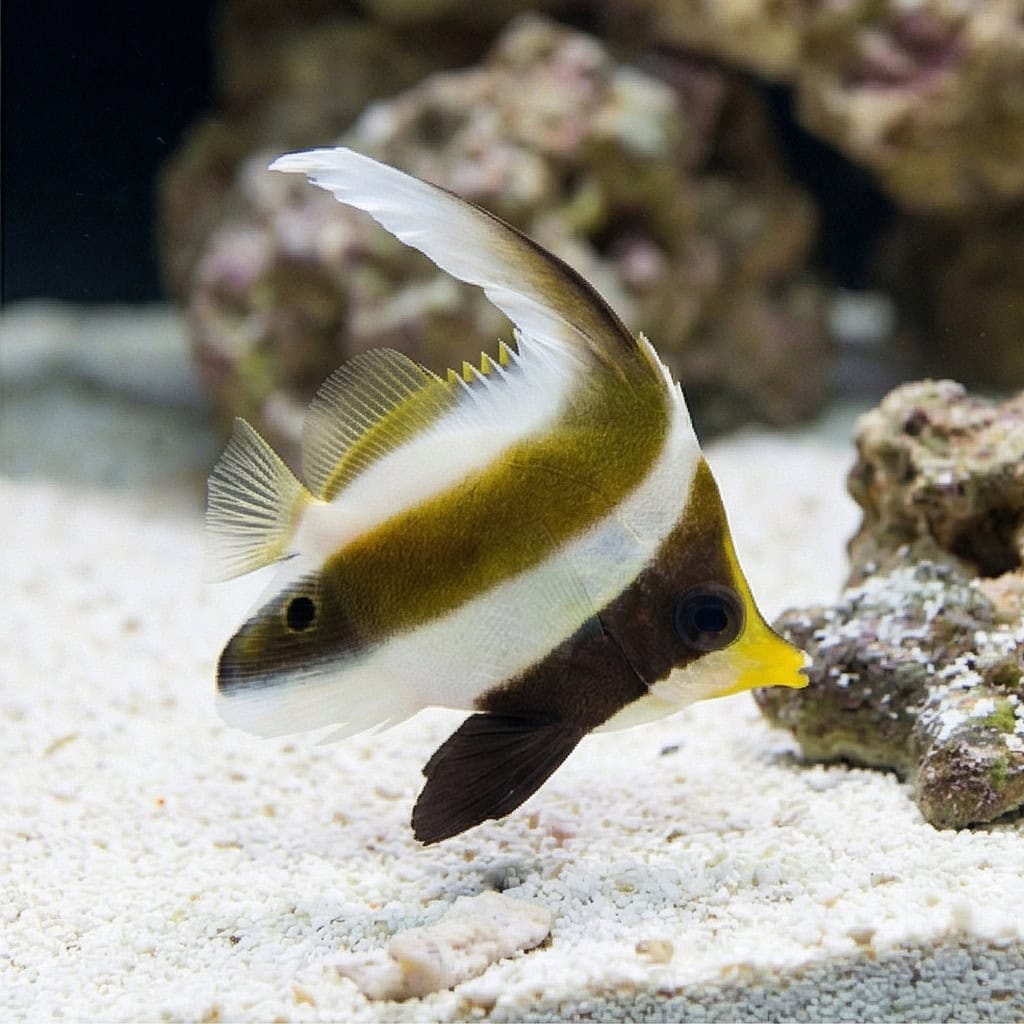
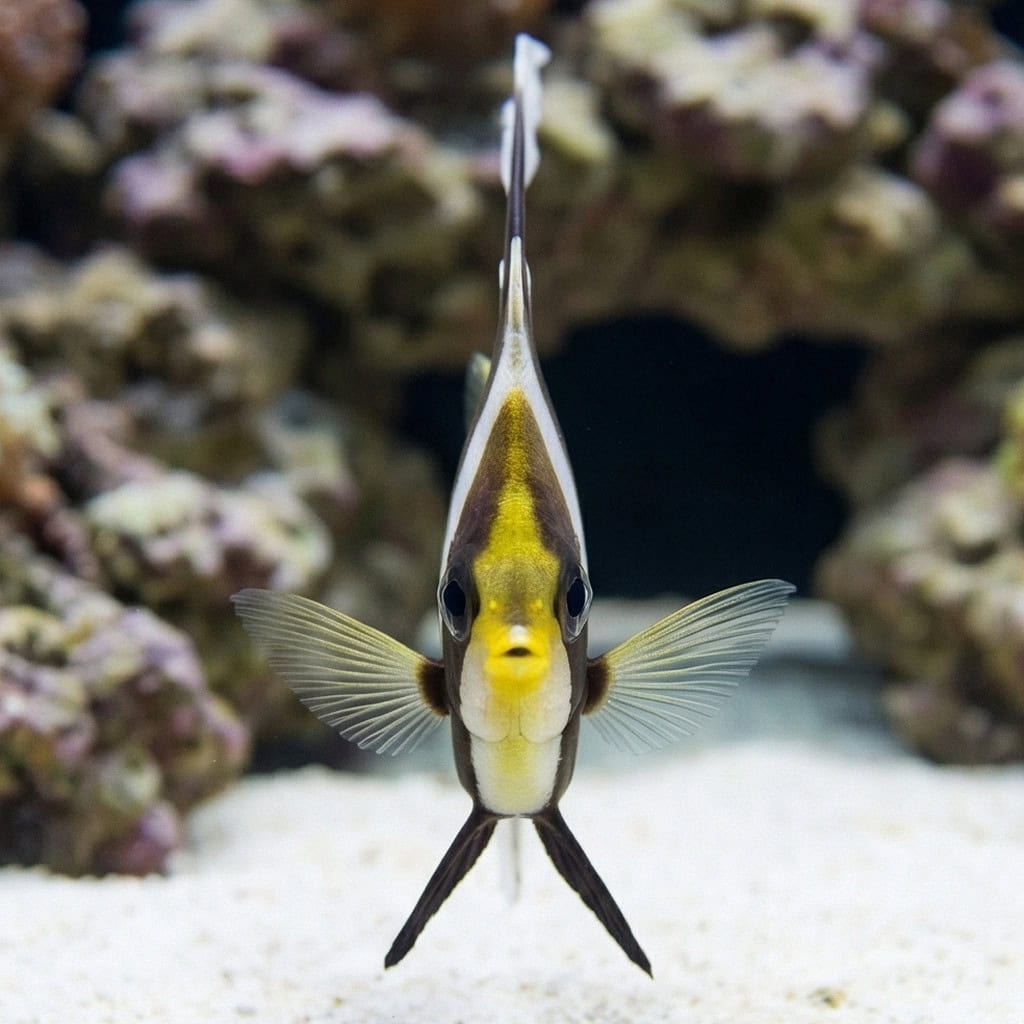
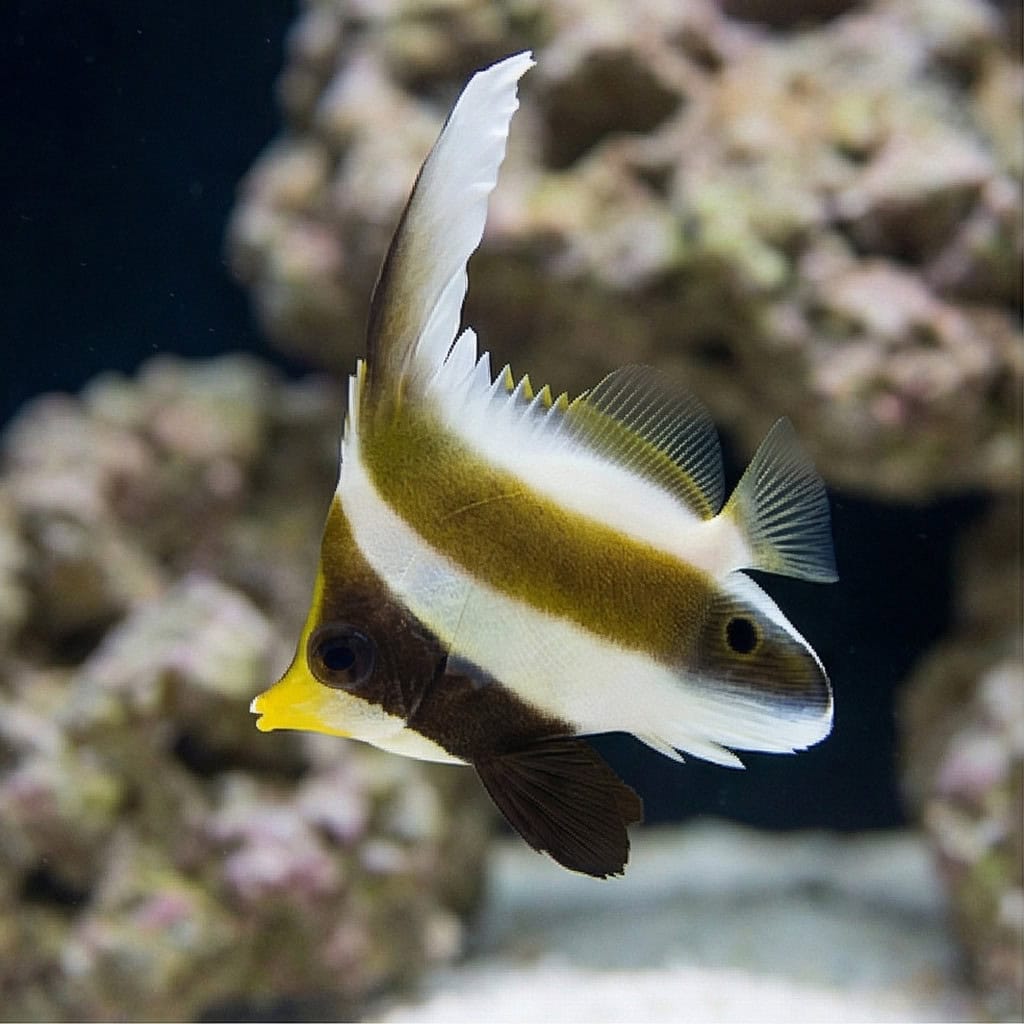
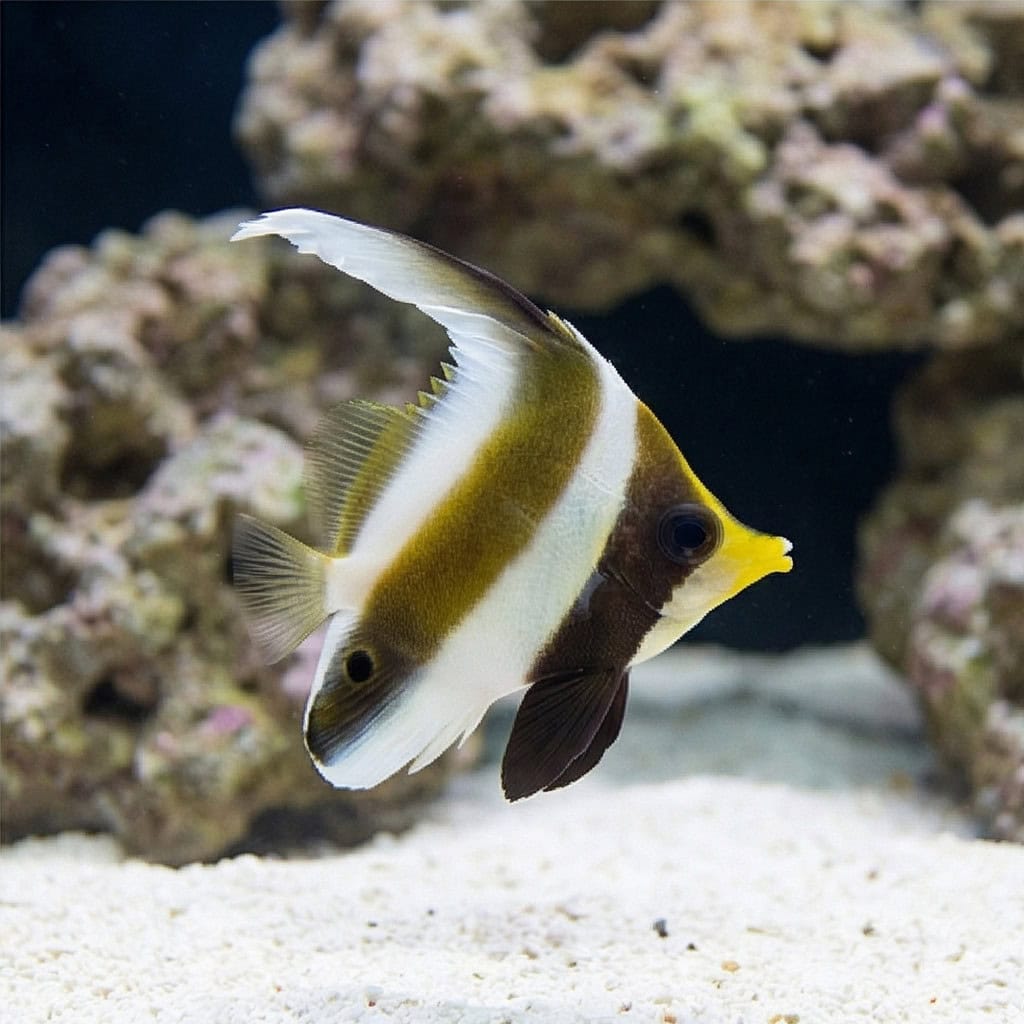
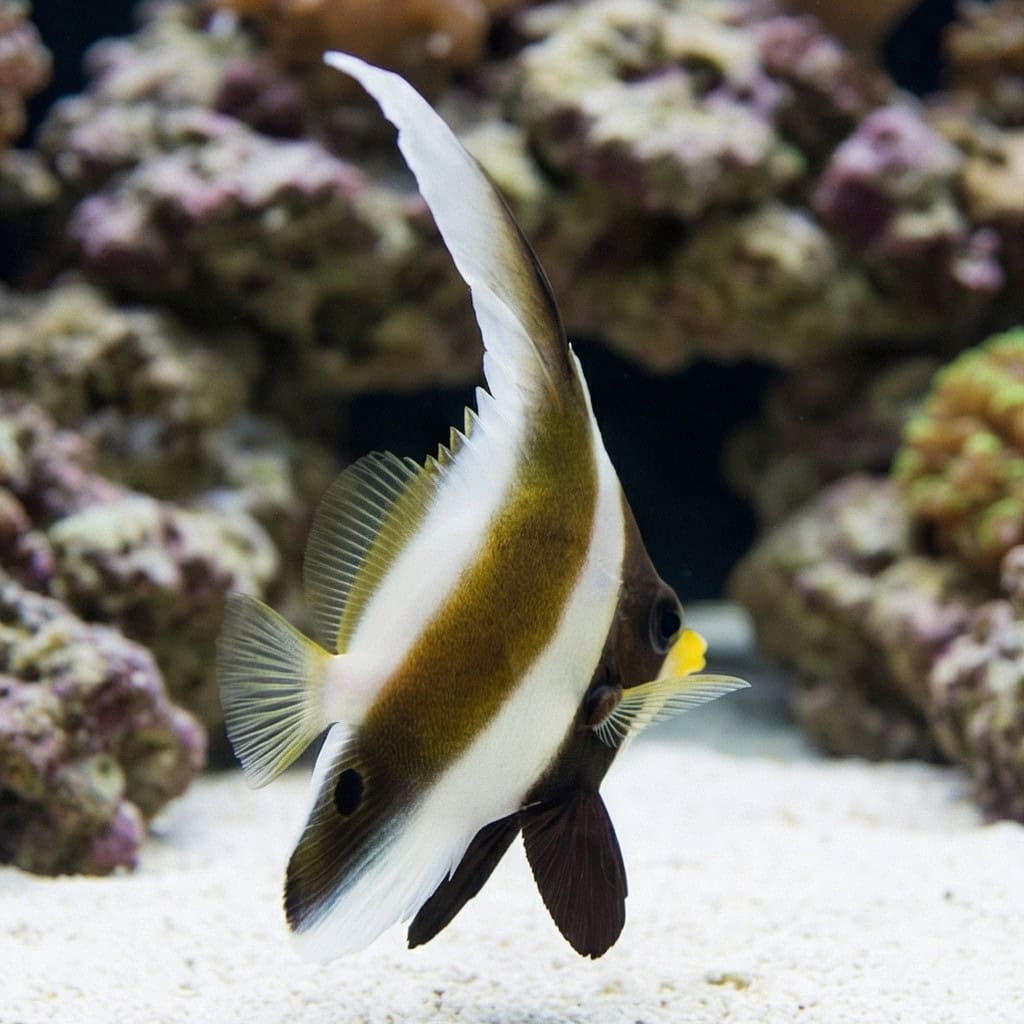
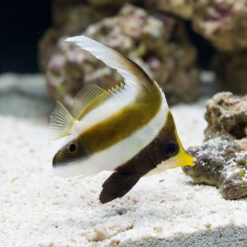
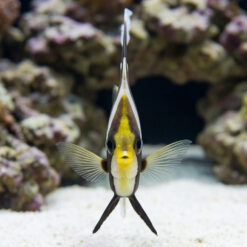
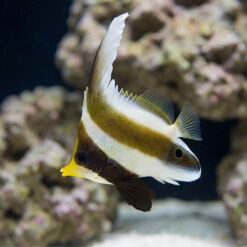
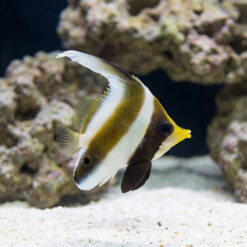
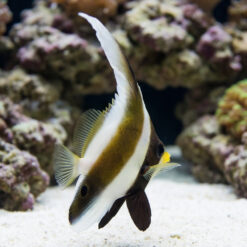
Threeband Heniochus (Pennant)
Heniochus chrysostomus
| Stock | Variations | Price | Quantity | |
|---|---|---|---|---|
| Out of Stock | 2 - 3" - Central Pacific | Original price was: $122.99.$64.99Current price is: $64.99. | Email me |
Every order ships with our standard 3-hour live arrival guarantee. Need more time? Add our 5-Day Guarantee at checkout.
Full guarantee terms →Ships Monday – Thursday for next-day arrival at your nearest FedEx Hold location — typically ready by 9 AM. We monitor every delivery.
Shipping details →
Monday – Friday 8 AM – 9 PM
Saturday 12 PM – 4 PM
Sunday 12 PM – 9 PM
Healthy, stable animals from vetted suppliers — inspected before packing, shipped overnight. Decades of experience built this model so we can deliver premium livestock at 30%+ less than you'd pay elsewhere.
| Care Level | Moderate |
|---|---|
| Temperament | Peaceful |
| Reef Safe | No |
| Functional Benefit | Ornamental Only |
| Diet Type | Omnivore |
| Mininum Tank Size | 120 gallons |
| Max Size | 8 inches |
| Temperature | 72–78°F |
| pH Range | 8.1–8.4 |
| Specific Gravity | 1.022–1.025 |
The Threeband Heniochus (Pennant) is a bannerfish with a tall dorsal “pennant,” a white body crossed by three darker bands, and a yellow mouth area. It’s an Indo-Pacific butterflyfish that brings steady cruising movement and bold contrast to larger marine aquariums.
What You’ll Observe:
- Cruises open water, then makes slow passes along rockwork to inspect cracks and overhangs
- Uses the long dorsal pennant like a visual flag as it turns and brakes in the water column
- Settles into a predictable daily route and often becomes one of the first fish you notice at feeding time
- When kept as a matched pair, they may swim side-by-side and share the same shelter zones
Provide a mature aquarium with plenty of live rock, caves, and open swimming lanes so it can alternate between cover and mid-water movement. Offer a varied mix of meaty frozen foods plus herbivore-focused blends, split into multiple smaller feedings to keep behavior active and consistent. In larger systems, introducing two at the same time can help you observe natural pairing behavior.
How can I tell Heniochus chrysostomus from similar “bannerfish” sold as Heniochus?
Look for three main body bands (not two) and the distinct yellow coloration around the mouth area; photos taken straight-on from the side help with ID.
Is it normal for the long pennant fin to look shortened or bent at first?
Yes—many keepers see minor fin wear from handling or shipping, and the pennant commonly improves in appearance with stable conditions and regular feeding.
Will it help with Aiptasia?
Some hobbyists report Heniochus will pick at Aiptasia, but it’s not consistent enough to treat as a primary control method.
Which corals do people most often mention it sampling first?
When it does “test bite,” hobbyists most often mention soft, fleshy polyps (commonly zoanthid-type polyps) rather than ignoring all corals equally.
Can it live peacefully with tangs and other fast swimmers?
Usually yes in appropriately sized tanks—most success stories focus on giving plenty of swim room and distributing food so it can eat without needing to race faster fish.
Shipped with pure oxygen and temperature control so it arrives stress-free and ready to eat.
Recently viewed products