
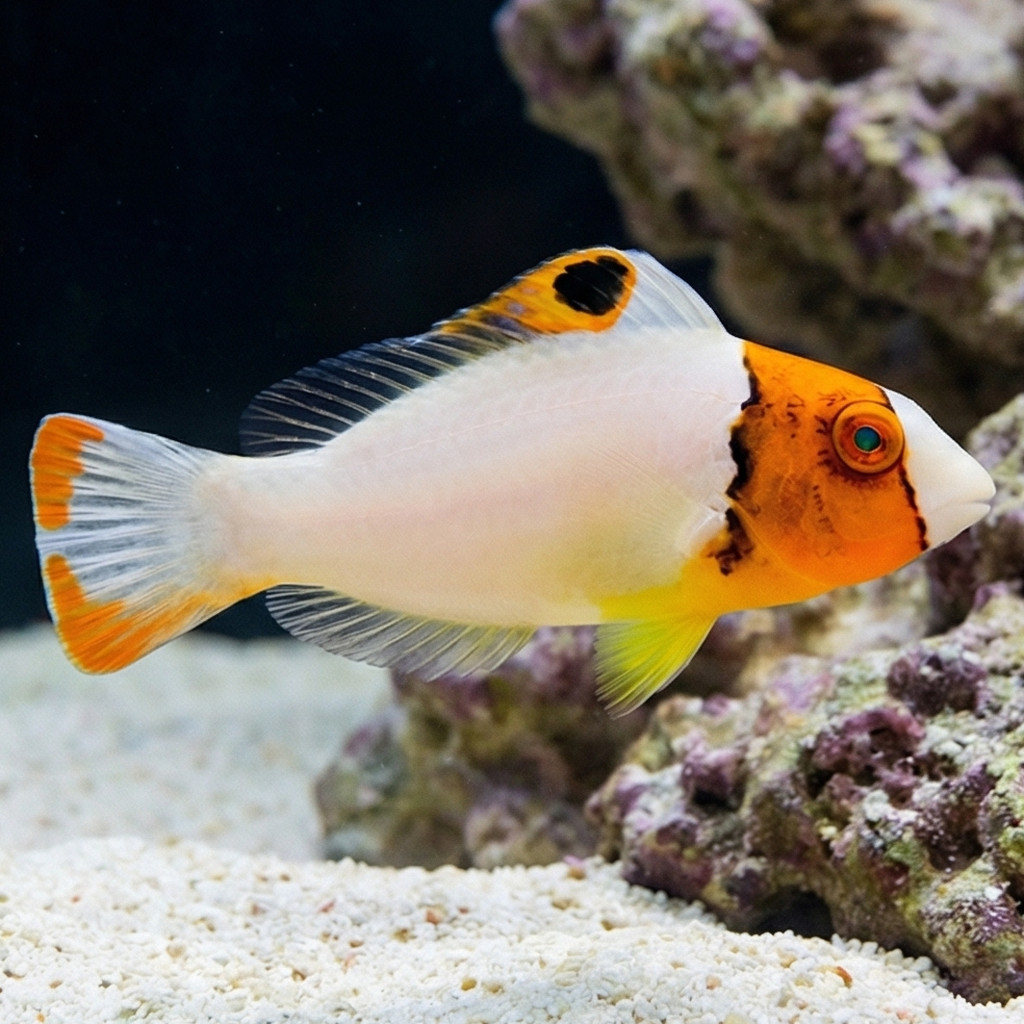
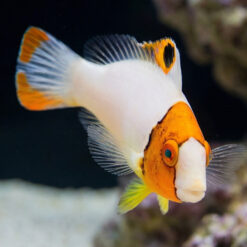
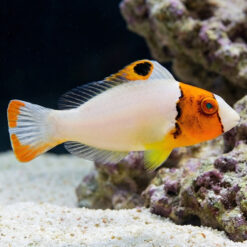
Bicolor Parrotfish
Cetoscarus bicolor
Original price was: $147.99.$77.99Current price is: $77.99.
| Stock | Variations | Price | Quantity | |
|---|---|---|---|---|
| Out of Stock | 2.25" or smaller - Indo-Pacific | Original price was: $122.99.$64.99Current price is: $64.99. | Email me |
Every order ships with our standard 3-hour live arrival guarantee. Need more time? Add our 5-Day Guarantee at checkout.
Full guarantee terms →Ships Monday – Thursday for next-day arrival at your nearest FedEx Hold location — typically ready by 9 AM. We monitor every delivery.
Shipping details →
Monday – Friday 8 AM – 9 PM
Saturday 12 PM – 4 PM
Sunday 12 PM – 9 PM
Healthy, stable animals from vetted suppliers — inspected before packing, shipped overnight. Decades of experience built this model so we can deliver premium livestock at 30%+ less than you'd pay elsewhere.
| Care Level | Expert |
|---|---|
| Temperament | Semi-Aggressive |
| Reef Safe | No |
| Functional Benefit | Algae Control |
| Diet Type | Omnivore |
| Mininum Tank Size | 300 gallons+ |
| Max Size | 24 inches |
| Temperature | 72–78°F |
| pH Range | 8.1–8.4 |
| Specific Gravity | 1.022–1.025 |
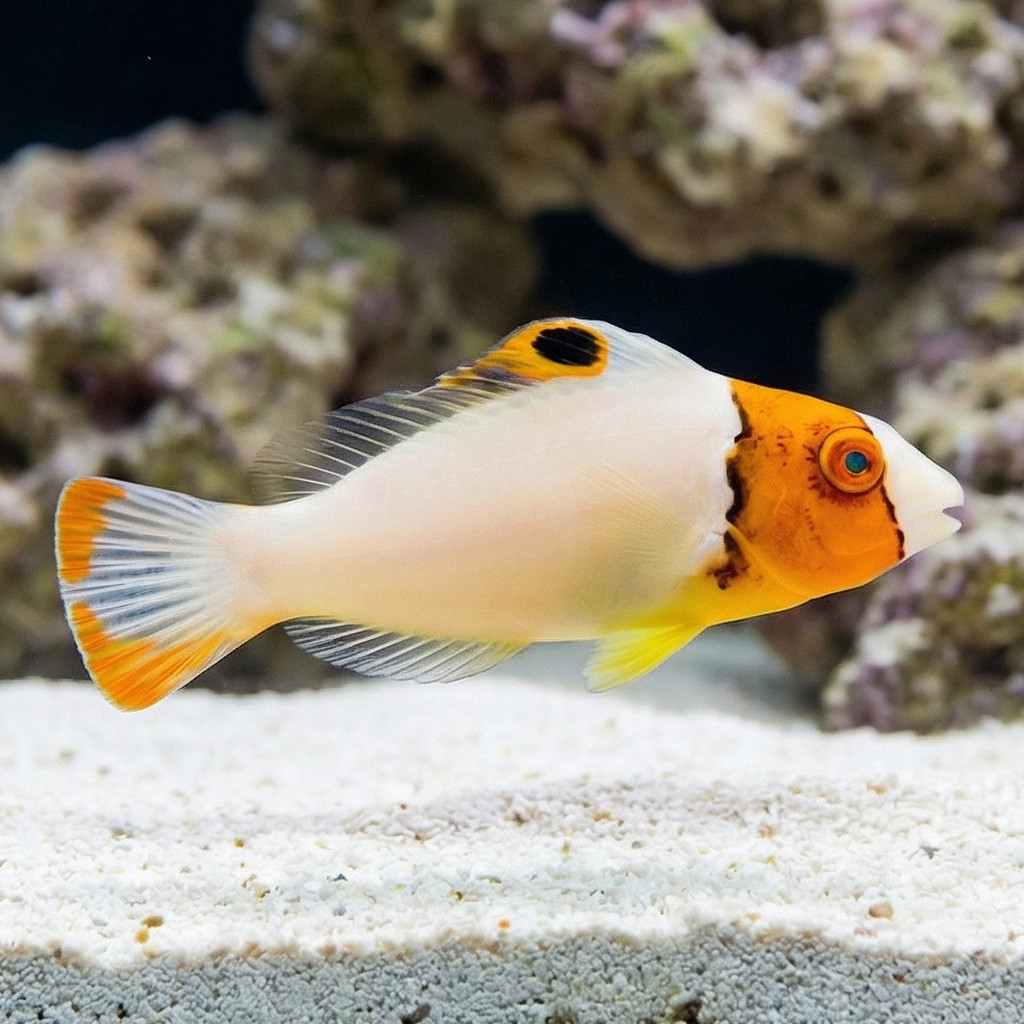
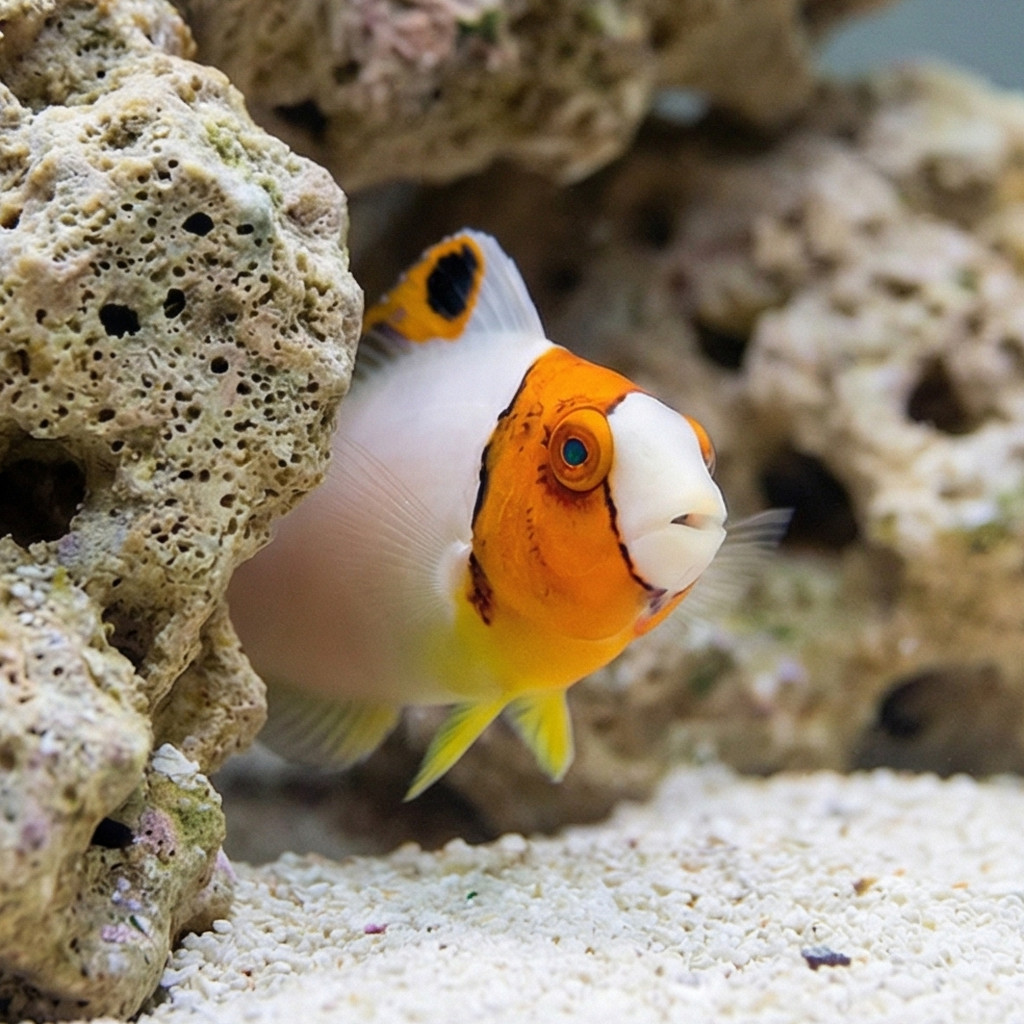
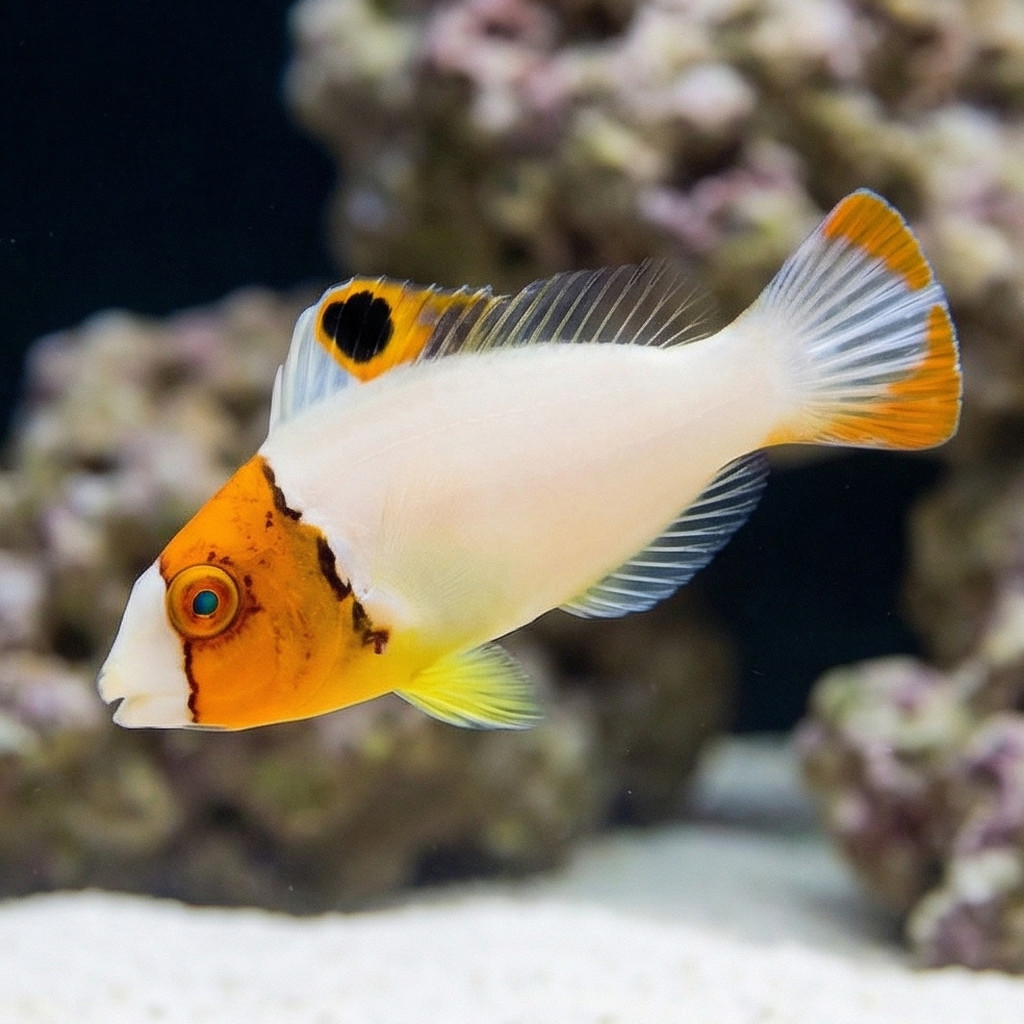
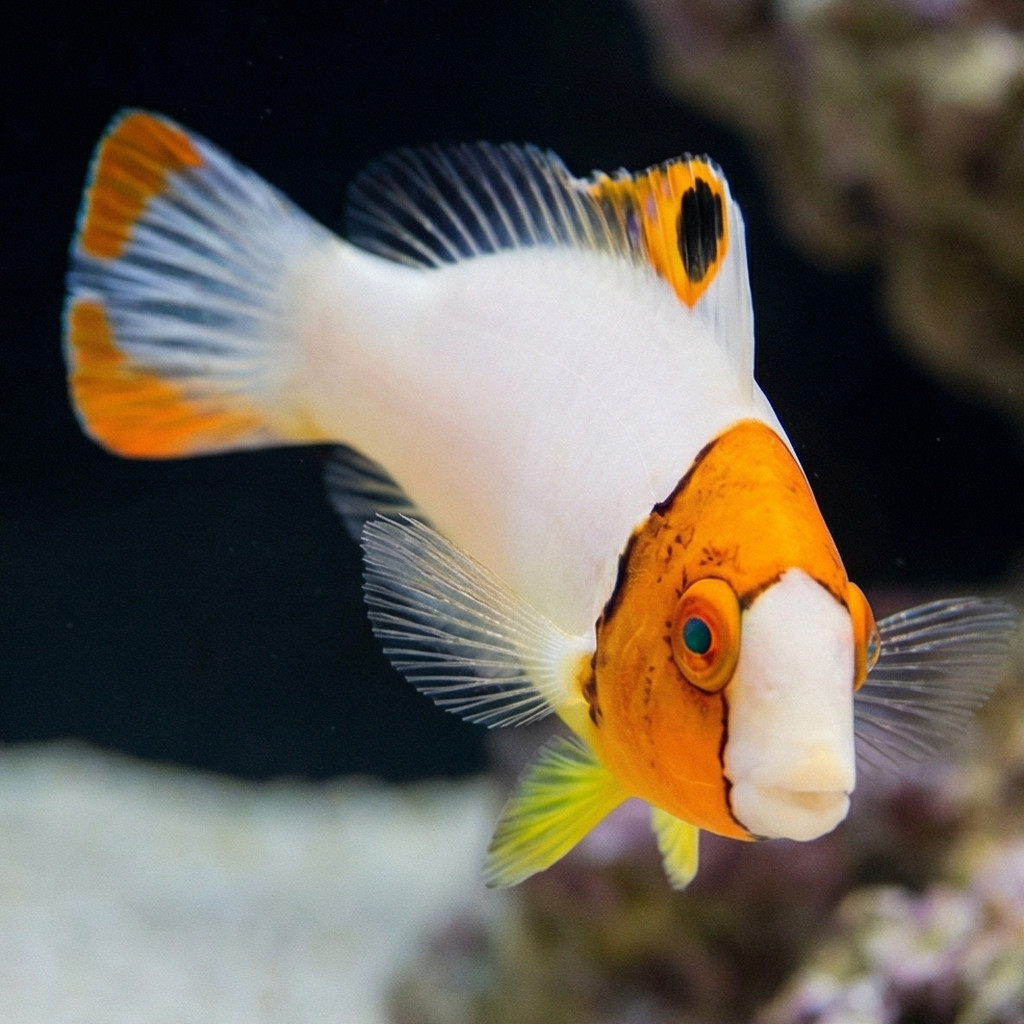
The Bicolor Parrotfish (Cetoscarus bicolor) is a large, rock-grazing parrotfish that spends much of its day scraping algae from reef surfaces. Adults can show very different color phases over time—terminal-phase fish are commonly green with pink markings, while initial-phase fish are darker with a pale patch, and juveniles may show a light body with an orange band.
What You’ll Observe:
- Repeated “beak” scraping on rock as it moves along the reef structure looking for algae films
- Regular cruising laps through open water, then returning to graze the same rock faces
- A pattern of using caves and overhangs as a home base, especially during the first couple of weeks
- Interest in sheet algae (like nori) and frequent “sampling” bites of new items placed on the rock
Provide a very large aquarium with open swimming room, heavy rockwork, and strong filtration so your fish can graze throughout the day. Offer sheet algae plus a mix of herbivore-focused frozen foods and chopped meaty foods, and feed multiple times daily to match its active lifestyle. Keep it with other large, robust fish that allow it space to move and feed.
Does a Bicolor Parrotfish make a “slime cocoon” at night?
Many parrotfish produce a mucus cocoon or “bubble” while resting, especially when newly introduced. In aquariums, this can show up as a nighttime routine in a favorite cave.
Why is it scraping rocks (and sometimes leaving lighter patches)?
This species grazes by scraping algae and biofilm from hard surfaces, and that can expose cleaner-looking rock underneath. In established systems, the scraped areas usually re-film over naturally.
How do I get it onto prepared foods if it only wants to graze?
Most keepers have better results by placing nori on a clip near rockwork and pressing foods onto a small rock so it can bite naturally. Consistent, frequent offerings typically build a reliable feeding response.
Why is it scraping the glass or hard equipment?
Some individuals “test” hard surfaces while grazing and may also use them as a place to rub the beak. Giving it plenty of natural rock grazing area and attaching foods to rock helps redirect that behavior.
Will its color pattern change over time?
Yes—Cetoscarus bicolor can change coloration as it matures, and like many parrotfish it can undergo sex-related phase changes. It’s normal for the same fish to look noticeably different as it grows.
Shipped with pure oxygen and temperature control so it arrives stress-free and ready to eat.
Only logged in customers who have purchased this product may leave a review.
Recently viewed products
Reviews
There are no reviews yet.