
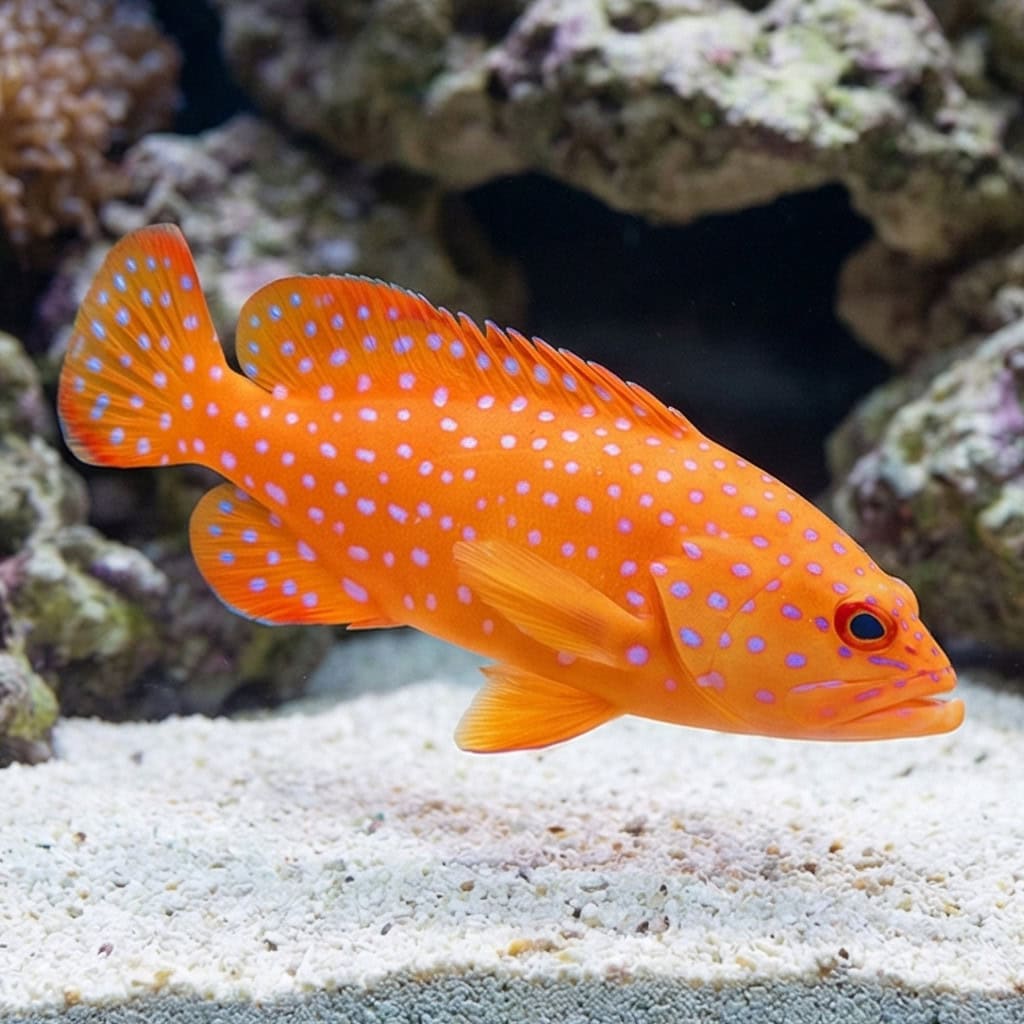
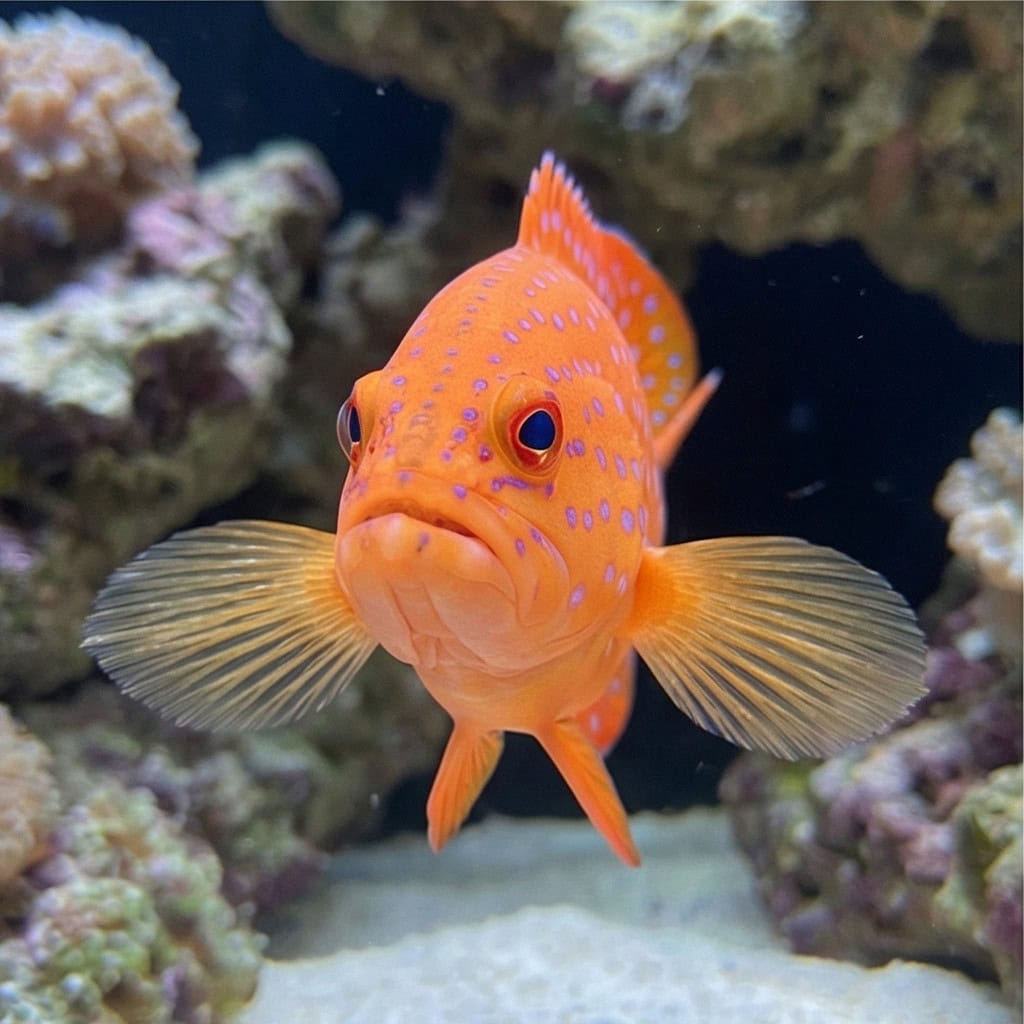
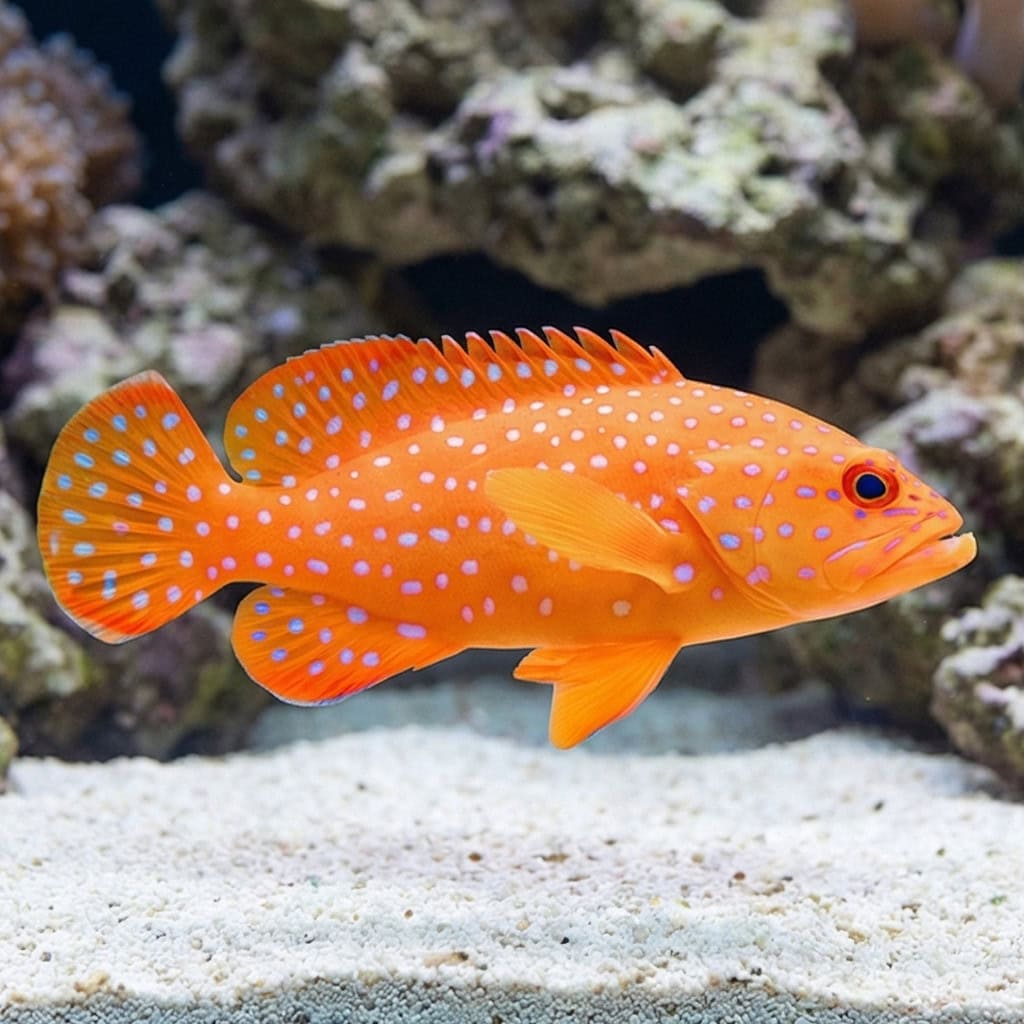
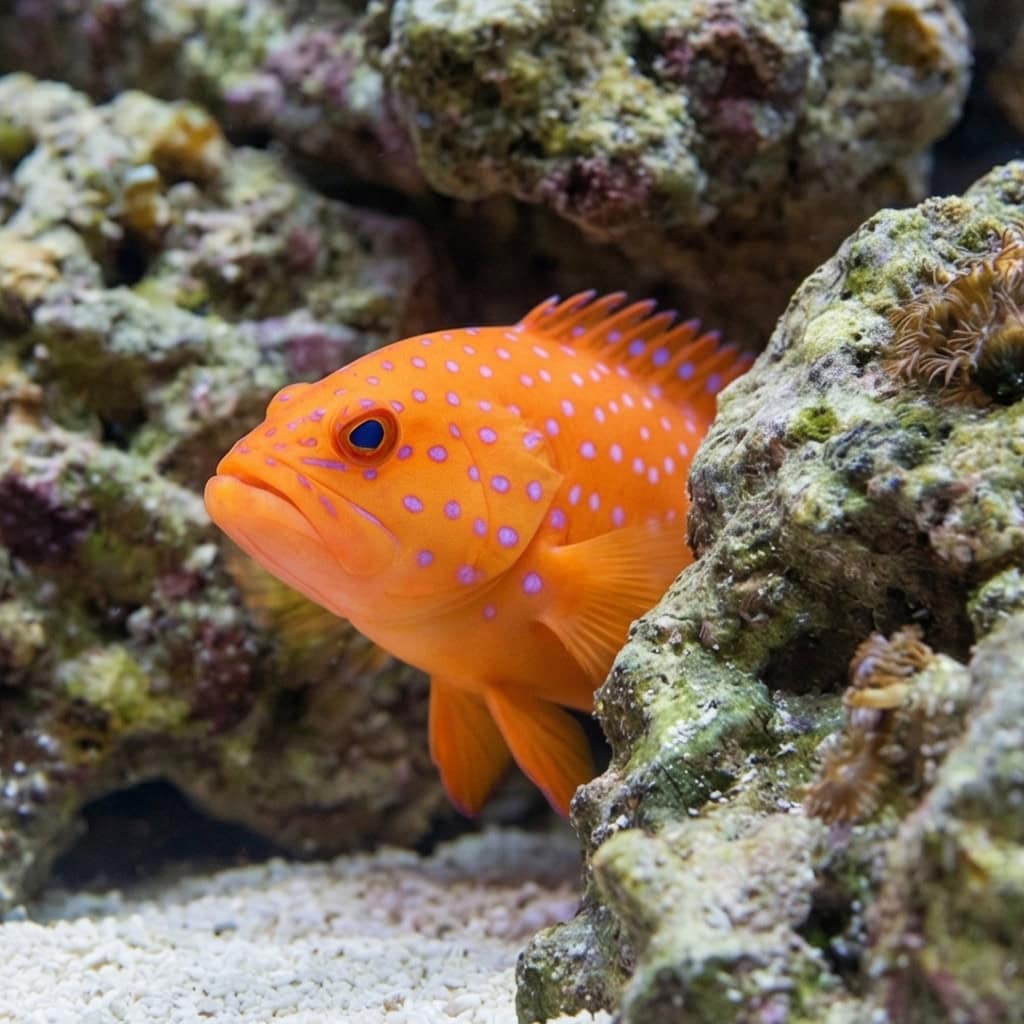
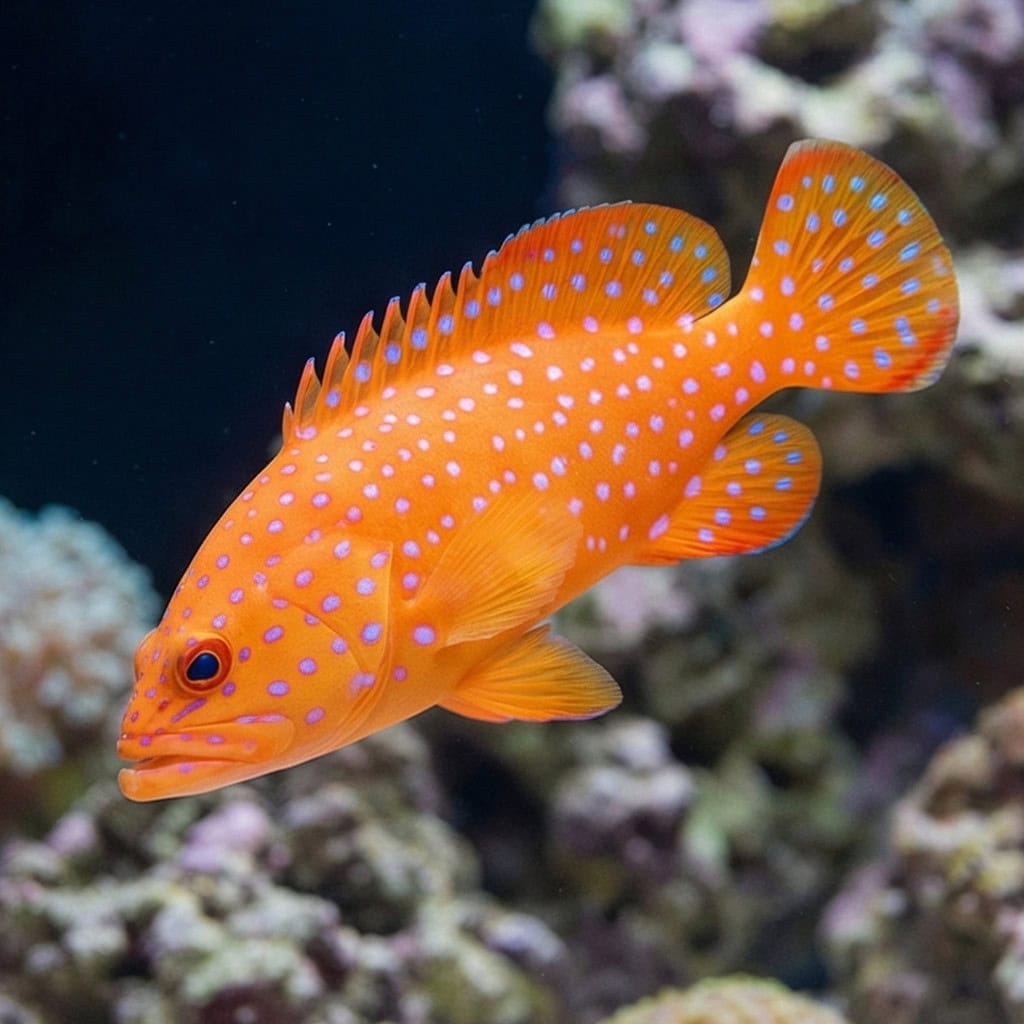
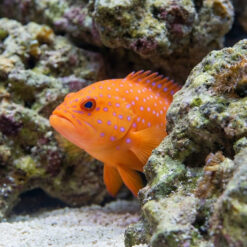
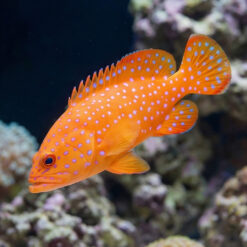
Miniatus Grouper
Cephalopholis miniata
Original price was: $588.99.$309.99Current price is: $309.99.
| Stock | Variations | Price | Quantity | |
|---|---|---|---|---|
| Only 2 left | 4.5 - 5.5" - Indo-Pacific | Original price was: $588.99.$309.99Current price is: $309.99. |
-
+
|
|
| Out of Stock | 3.75 - 4.5" - Indo-Pacific | Original price was: $441.99.$231.99Current price is: $231.99. | Email me |
Every order ships with our standard 3-hour live arrival guarantee. Need more time? Add our 5-Day Guarantee at checkout.
Full guarantee terms →Ships Monday – Thursday for next-day arrival at your nearest FedEx Hold location — typically ready by 9 AM. We monitor every delivery.
Shipping details →
Monday – Friday 8 AM – 9 PM
Saturday 12 PM – 4 PM
Sunday 12 PM – 9 PM
Healthy, stable animals from vetted suppliers — inspected before packing, shipped overnight. Decades of experience built this model so we can deliver premium livestock at 30%+ less than you'd pay elsewhere.
| Care Level | Moderate |
|---|---|
| Temperament | Aggressive |
| Reef Safe | With Caution |
| Functional Benefit | Ornamental Only |
| Diet Type | Carnivore |
| Mininum Tank Size | 180 gallons |
| Max Size | 12 inches |
| Temperature | 72–78°F |
| pH Range | 8.1–8.4 |
| Specific Gravity | 1.022–1.025 |
The Miniatus Grouper (Cephalopholis miniata) is an orange-red coral hind covered in fine blue spots, often kept as a centerpiece fish in large predator and FOWLR systems. It spends time tucked into rockwork, then cruises out with a deliberate, “owner-of-the-reef” presence, especially once it knows the tank’s feeding routine.
What You’ll Observe:
- Picks a favorite cave or overhang first, then expands its patrol route over the next couple of weeks
- Quick, controlled lunges at feeding time, with a strong “ambush predator” style
- Periodic color shifts (including darker bars) as it settles in and responds to lighting and activity
- Learns where food arrives and often comes forward when you approach the tank
To do well with this species, provide heavy rockwork with multiple caves plus open lanes for short bursts of swimming. Offer larger, marine-based meaty foods in a consistent spot so it associates one area with feeding. Choose tankmates that are robust and appropriately sized for a big-mouthed predator.
Why does my Miniatus Grouper show dark bars or go pale sometimes?
Many keepers report noticeable, temporary color changes tied to lighting, activity level, and “settling in” behavior; it often returns to its normal pattern once relaxed.
How long does it usually take to start eating confidently in a new tank?
It’s common for them to hold up in a cave at first and then begin feeding more reliably after a short adjustment period; offering food near its chosen shelter can help.
What’s the easiest way to keep it from rushing every feeding?
A lot of hobbyists use feeding tongs and a consistent “feed station” so the grouper focuses on one area while other fish eat elsewhere.
Will it learn to recognize me or take food from my hand?
Many owners describe this grouper as very food-aware and quick to associate people with feeding; tongs are a simple way to build that routine.
Is it normal for it to claim one cave and then patrol more at certain times of day?
Yes—hobbyists often describe a “home base” cave with more active cruising during lower-light periods, once the fish is comfortable.
Each fish is checked for strong appetite and activity before we approve it for your tank.
Recently viewed products