
Yellow Striped Clingfish
Diademichthys lineatus
Original price was: $66.99.$34.99Current price is: $34.99.
| Stock | Variations | Price | Quantity | |
|---|---|---|---|---|
| Only 6 left | 1 - 2" - Indo-Pacific | Original price was: $66.99.$34.99Current price is: $34.99. |
-
+
|
Every order ships with our standard 3-hour live arrival guarantee. Need more time? Add our 5-Day Guarantee at checkout.
Full guarantee terms →Ships Monday – Thursday for next-day arrival at your nearest FedEx Hold location — typically ready by 9 AM. We monitor every delivery.
Shipping details →
Monday – Friday 8 AM – 9 PM
Saturday 12 PM – 4 PM
Sunday 12 PM – 9 PM
Healthy, stable animals from vetted suppliers — inspected before packing, shipped overnight. Decades of experience built this model so we can deliver premium livestock at 30%+ less than you'd pay elsewhere.
| Care Level | Expert |
|---|---|
| Temperament | Peaceful |
| Reef Safe | Yes |
| Functional Benefit | Pest Control |
| Diet Type | Carnivore |
| Mininum Tank Size | 10 gallons |
| Max Size | 2 inches |
| Temperature | 72–78°F |
| pH Range | 8.1–8.4 |
| Specific Gravity | 1.022–1.025 |
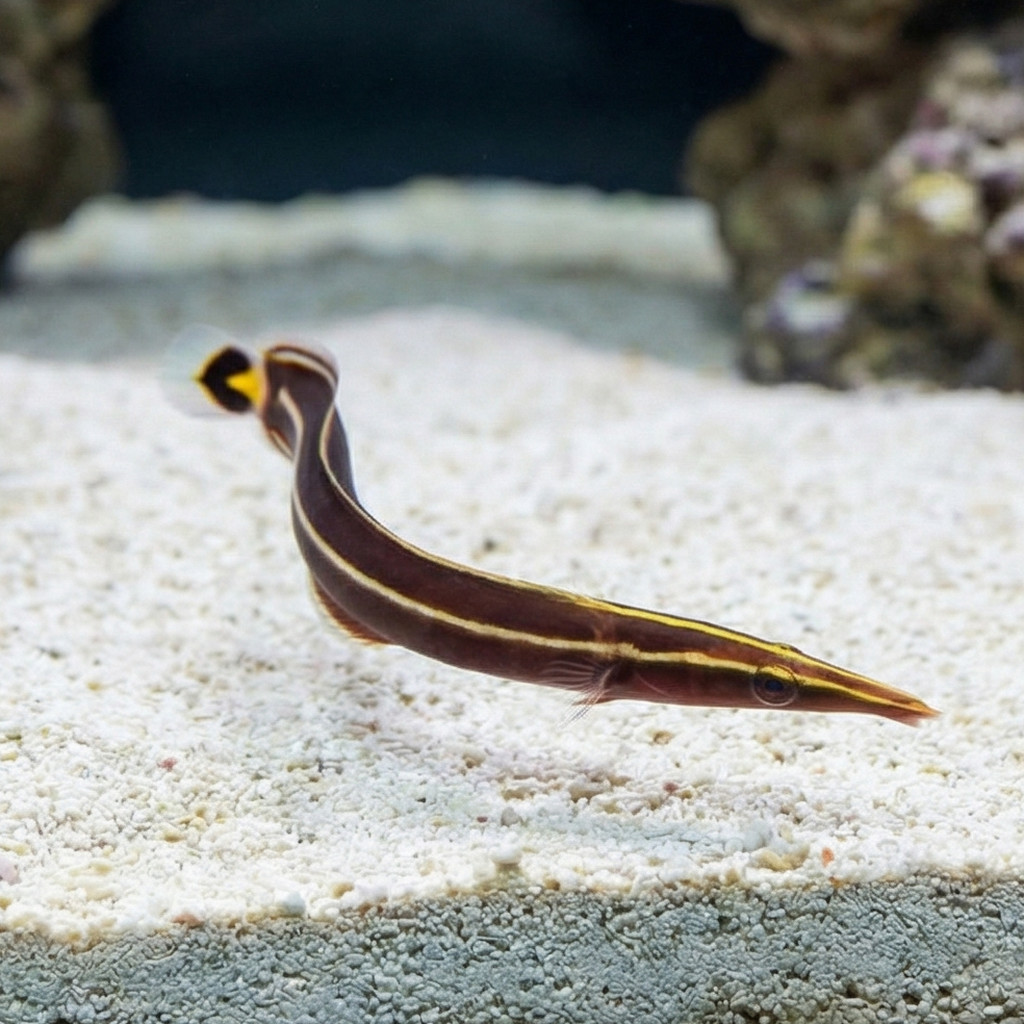
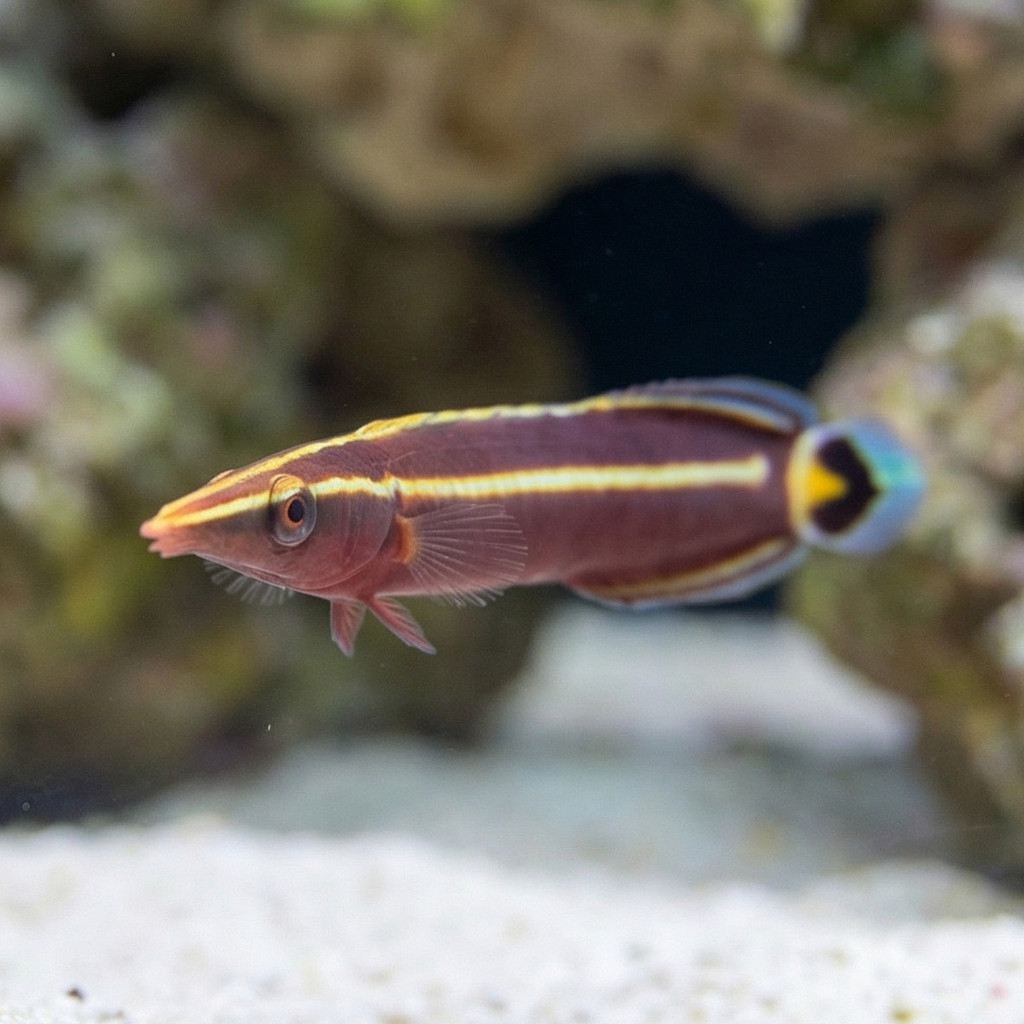
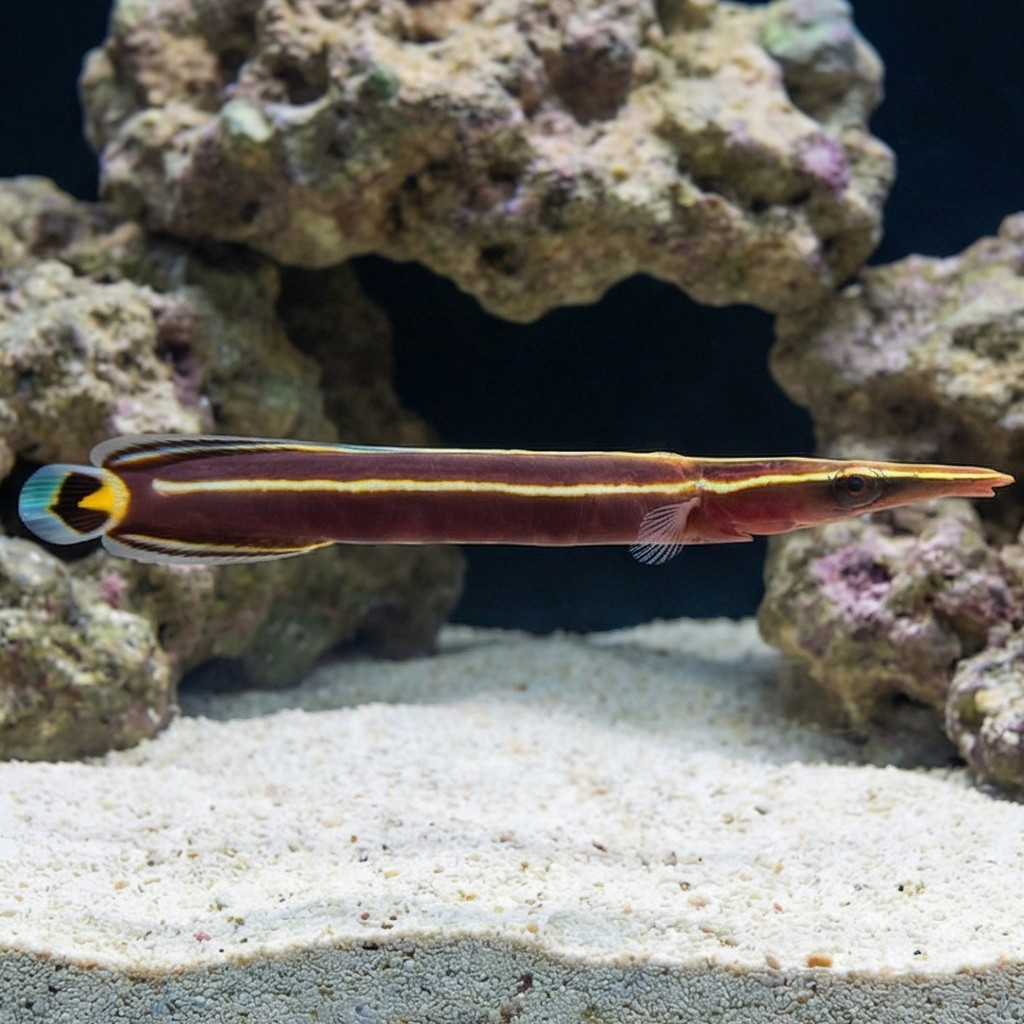
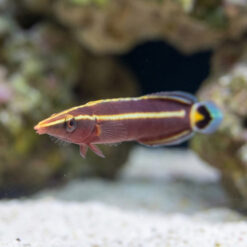
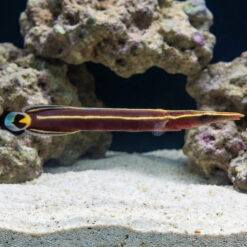
The Yellow Striped Clingfish (Diademichthys lineatus) is a nano reef fish known for pest control behavior, including picking at parasitic bivalves found on corals. It has a slender reddish-brown body with yellow longitudinal striping and a yellow spot on the tail, and it uses a suction disc to “cling” to rockwork, coral bases, and aquarium glass.
What You’ll Observe:
- Perching and clinging behavior, often staying attached to the same favorite surfaces for long stretches
- Short, deliberate swims between perches, then settling back onto rock, coral branches, or the glass
- Focused “micro-hunting” during feedings as it tracks and snaps at tiny meaty items
- Close association with structure (branching coral shapes, ledges, and similar shelter zones)
To do well, provide a mature nano reef with stable parameters and plenty of live rock structure; many keepers also provide branching coral-shaped habitat or a long-spined urchin-style host area. Offer very small meaty foods (finely chopped seafood, mysis, enriched brine, and other carnivore preparations) in multiple small feedings so it can eat at its pace. A calm, consistent feeding routine helps it settle in and become more visible at mealtimes.
Does it “need” a long-spined urchin, or is rockwork enough?
Many hobbyists report the fish will choose a preferred “host zone” (urchin or branching structure) and spend most of its time there; the key is giving it a protected perch it can return to consistently.
What foods tend to work best when it’s newly introduced?
Keepers frequently start with very small, high-scent items (live/hatched baby brine, copepods, roe-style foods) and then transition to frozen micro-meats once a feeding response is established.
Will it bother ornamental shrimp or other tiny tankmates?
Discussions often note it behaves like a micro-predator—generally ignoring larger animals, while showing interest in very small shrimp or anything that can fit in its mouth.
Is it normal for it to “vanish” for a day or two in a new tank?
Hobbyists commonly describe a pattern of picking a discreet perch and staying tucked in until it learns the tank’s rhythm; regular small feedings tend to bring it out more reliably.
How do I prevent it from ending up in an overflow or back chamber?
Because it’s narrow-bodied and likes tight spaces, reefers often use fine mesh/guards on overflows and pump intakes and make sure common entry slots are covered.
Each fish is checked for strong appetite and activity before we approve it for your tank.
Only logged in customers who have purchased this product may leave a review.
Recently viewed products
Reviews
There are no reviews yet.