
Annularis Angelfish
Pomacanthus annularis
Original price was: $539.99.$283.99Current price is: $283.99.
| Stock | Variations | Price | Quantity | |
|---|---|---|---|---|
| Out of Stock | 4.5 - 5.5" - Adult - Indian Ocean | Original price was: $620.99.$325.99Current price is: $325.99. | Email me | |
| Out of Stock | 4.5 - 5.5" - Adult - Indo-Pacific | Original price was: $981.99.$515.99Current price is: $515.99. | Email me | |
| Out of Stock | 3.75 - 4.5" - Adult - Indo-Pacific | Original price was: $834.99.$438.99Current price is: $438.99. | Email me | |
| Only 5 left | 2.25 - 4.25" - Sub Adult / Changing - Indo-Pacific | Original price was: $539.99.$283.99Current price is: $283.99. |
-
+
|
Every order ships with our standard 3-hour live arrival guarantee. Need more time? Add our 5-Day Guarantee at checkout.
Full guarantee terms →Ships Monday – Thursday for next-day arrival at your nearest FedEx Hold location — typically ready by 9 AM. We monitor every delivery.
Shipping details →
Monday – Friday 8 AM – 9 PM
Saturday 12 PM – 4 PM
Sunday 12 PM – 9 PM
Healthy, stable animals from vetted suppliers — inspected before packing, shipped overnight. Decades of experience built this model so we can deliver premium livestock at 30%+ less than you'd pay elsewhere.
| Care Level | Moderate |
|---|---|
| Temperament | Semi-Aggressive |
| Reef Safe | With Caution |
| Functional Benefit | Ornamental Only |
| Diet Type | Omnivore |
| Mininum Tank Size | 250 gallons |
| Max Size | 12 inches |
| Temperature | 72–78°F |
| pH Range | 8.1–8.4 |
| Specific Gravity | 1.022–1.025 |
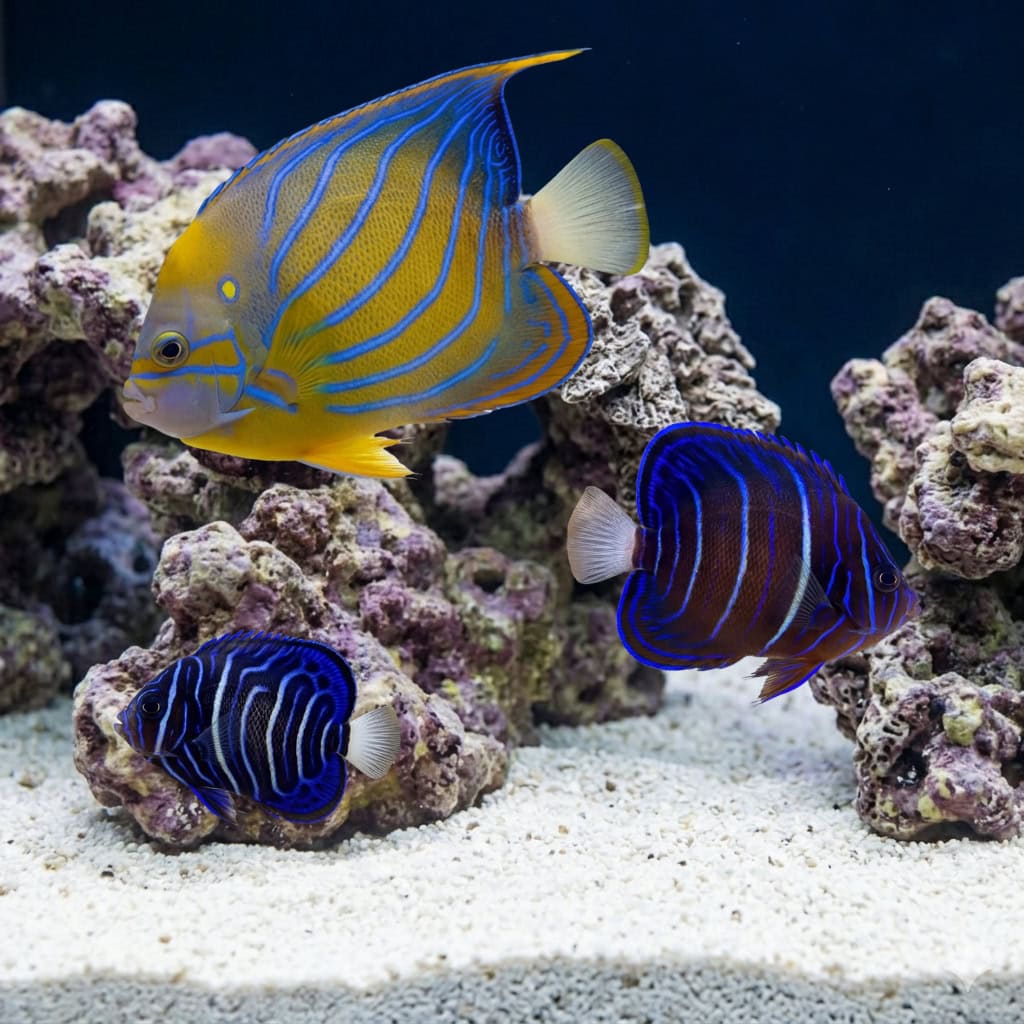
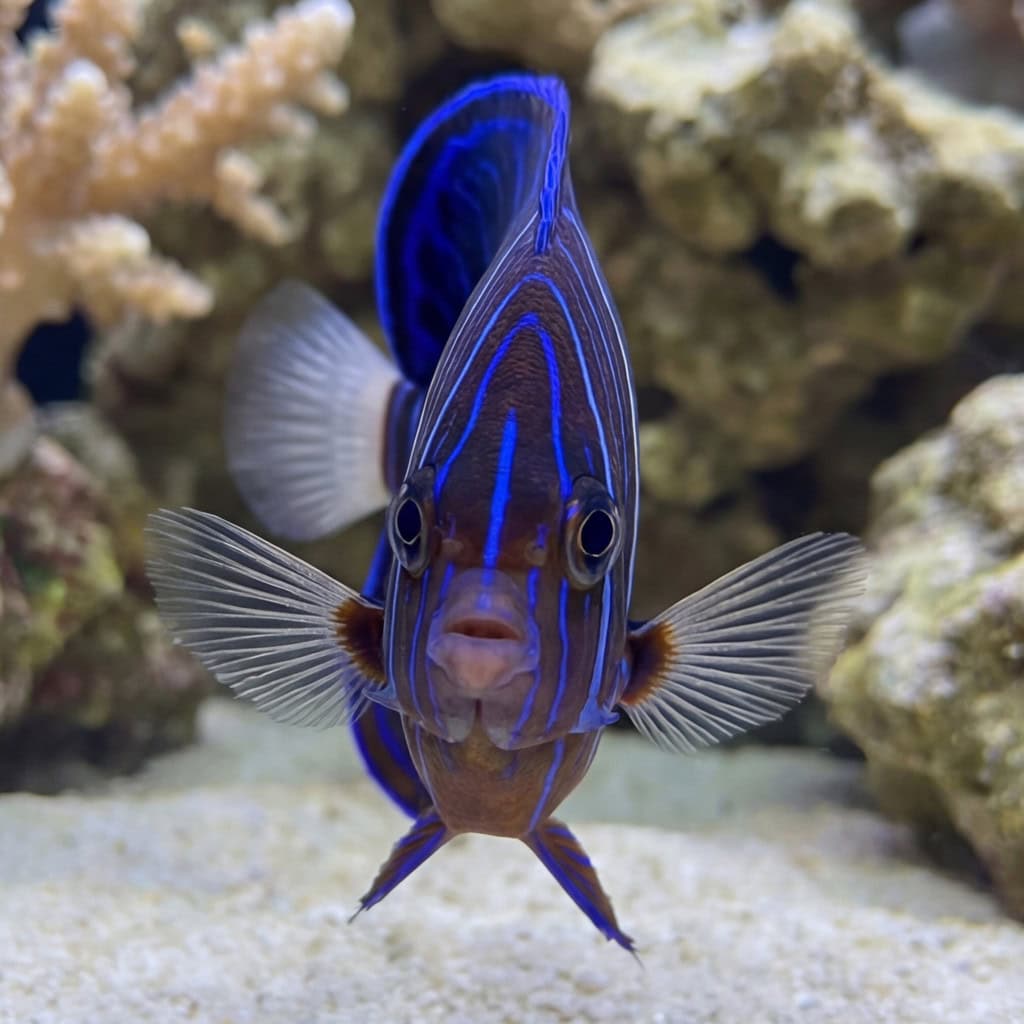
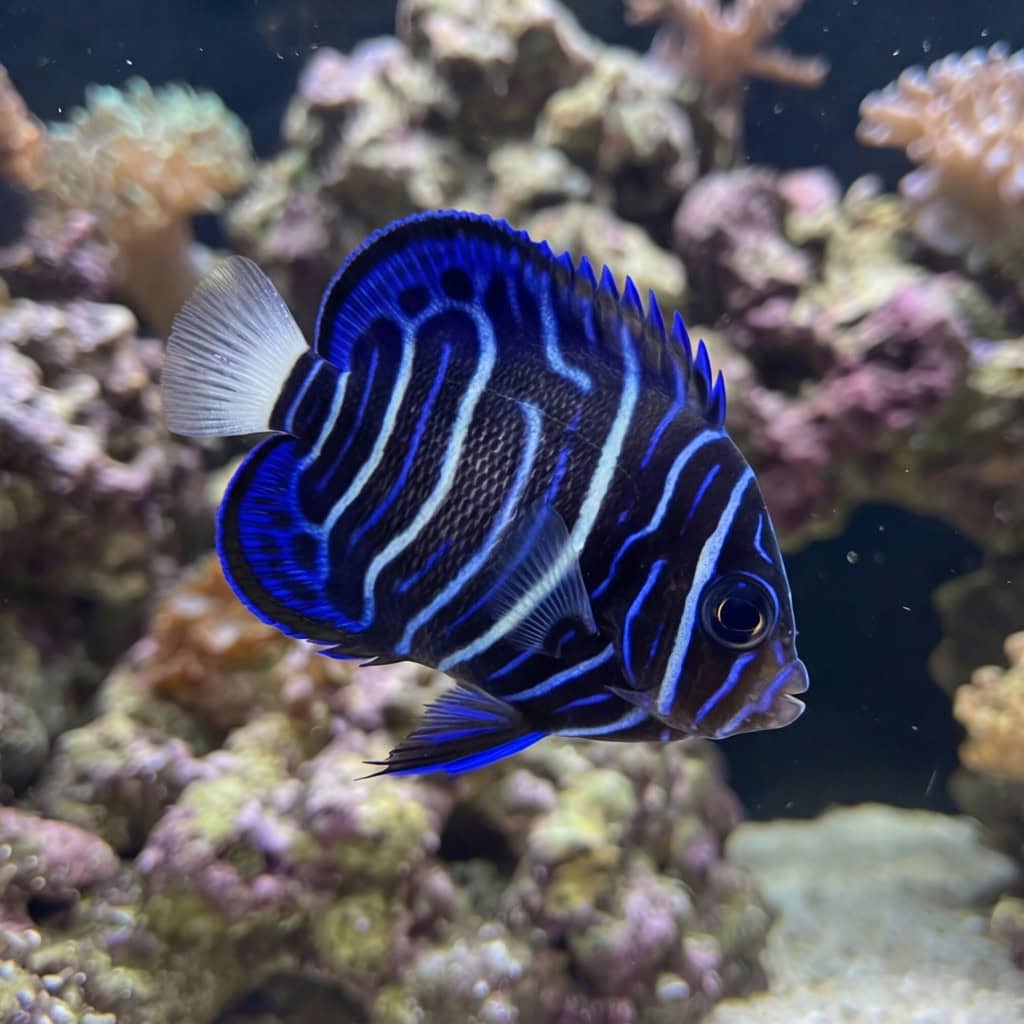
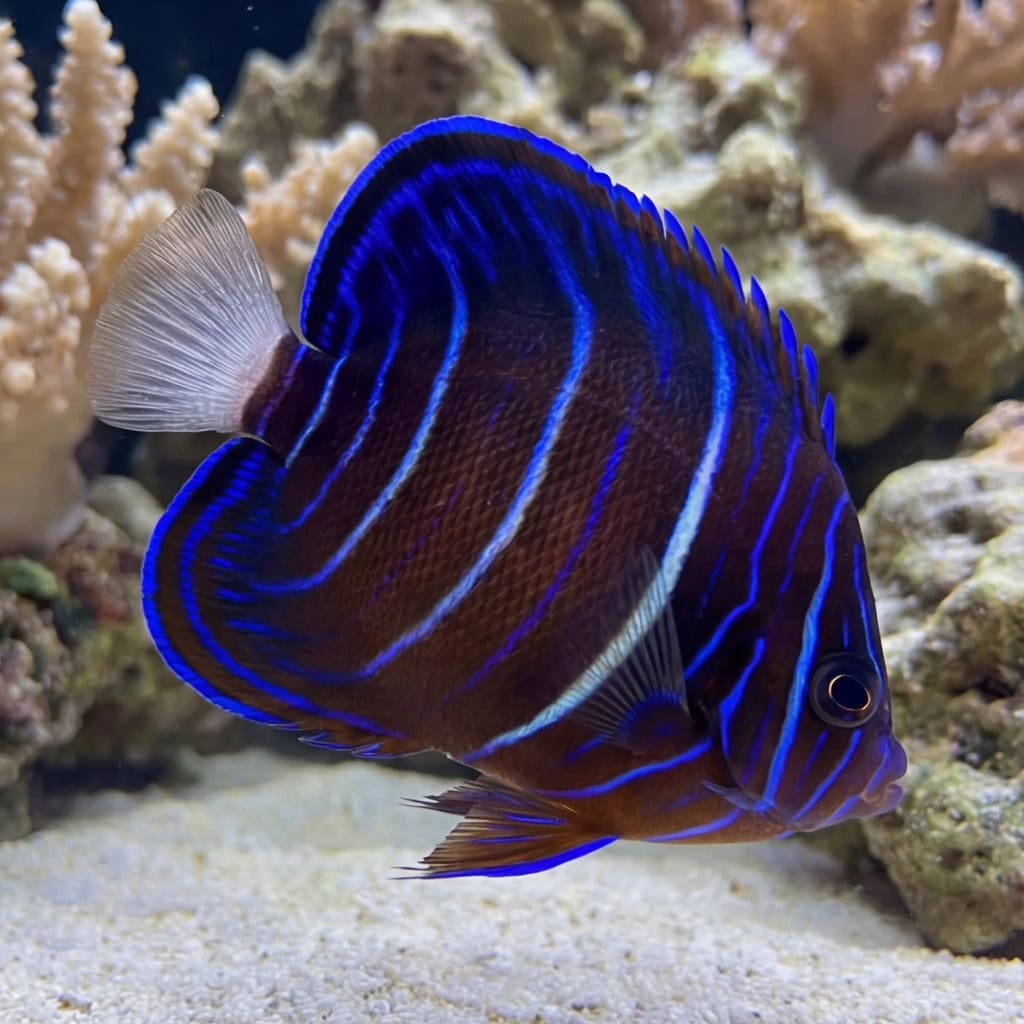
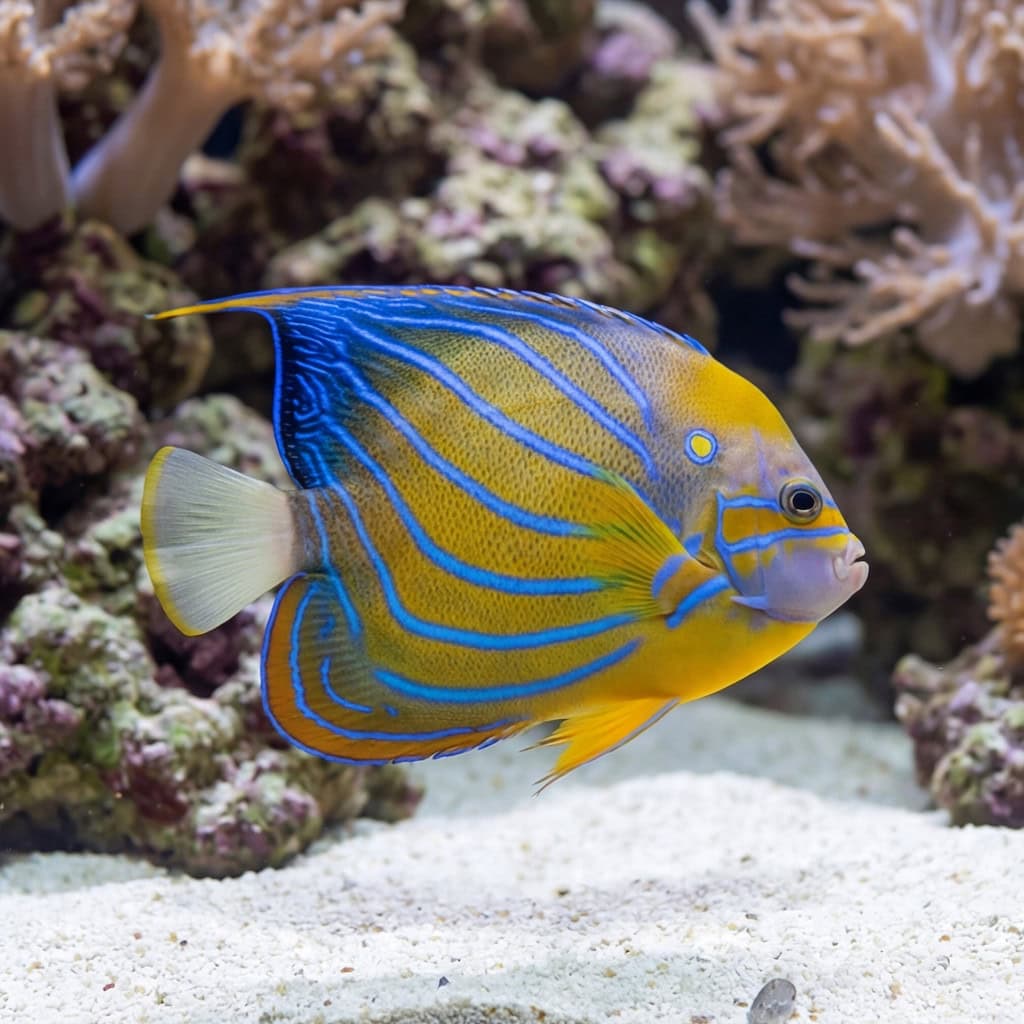
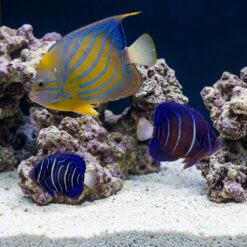
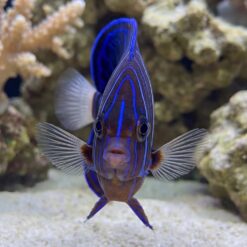
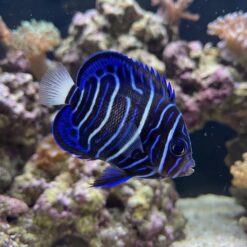
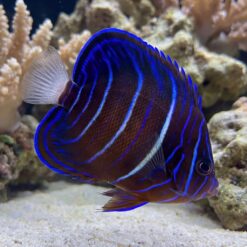
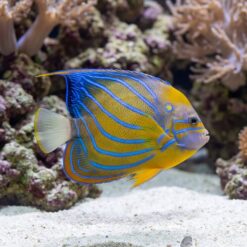
The Annularis Angelfish (Pomacanthus annularis), also called the Blue Ring Angelfish or Blue King Angelfish, is a large marine angelfish with curved blue striping over a tan-to-brown body and a pale tail. Adults show a distinct blue ring near the shoulder, while juveniles display a very different, high-contrast pattern during their color transition.
What You’ll Observe:
- Regular cruising along the rockwork, with frequent pauses to graze and inspect surfaces
- A patrol route that becomes consistent as it settles into your aquascape
- Strong interest at feeding time, often coming to the front glass when you approach
- Noticeable pattern and color changes as it grows from juvenile to adult
Provide a spacious tank with sturdy live rock and several caves so it can graze and retreat between swim laps. Offer a varied menu of algae-based foods and meaty frozen options, plus angelfish diets that include sponge material, fed in smaller portions throughout the day. Does best when given clear personal space around its favorite rockwork and introduced with other similarly sized, confident fish.
Will my Annularis Angelfish fully change from juvenile to adult coloration in a home aquarium?
Yes—most will continue transitioning as they grow, and you’ll typically see gradual changes in striping and overall base color rather than an overnight switch.
What foods do hobbyists use to keep an Annularis eating aggressively long-term?
A mix tends to work best: quality pellets, frozen blends, sheets of algae, and angelfish formulas that include sponge-based ingredients rotated through the week.
How much rockwork is enough for a large Pomacanthus angel?
Aim for multiple cave options plus long swim lanes—many keepers find these fish settle faster when they can choose a primary cave and still move freely around the structure.
If kept with corals, what is the most common first target people report?
Many reports focus on fleshy LPS and clam mantles getting the earliest attention, while some tougher or less fleshy corals may be ignored for longer periods.
Is it normal for an Annularis to lose interest in food for a short period after tank changes?
It can happen after new tankmates, rearranged rockwork, or routine changes; most keepers respond by offering a wider variety including favorite treat foods and keeping feeding calm and consistent.
Our selection process means you get robust, well-adjusted specimens that settle in quickly.
Recently viewed products