
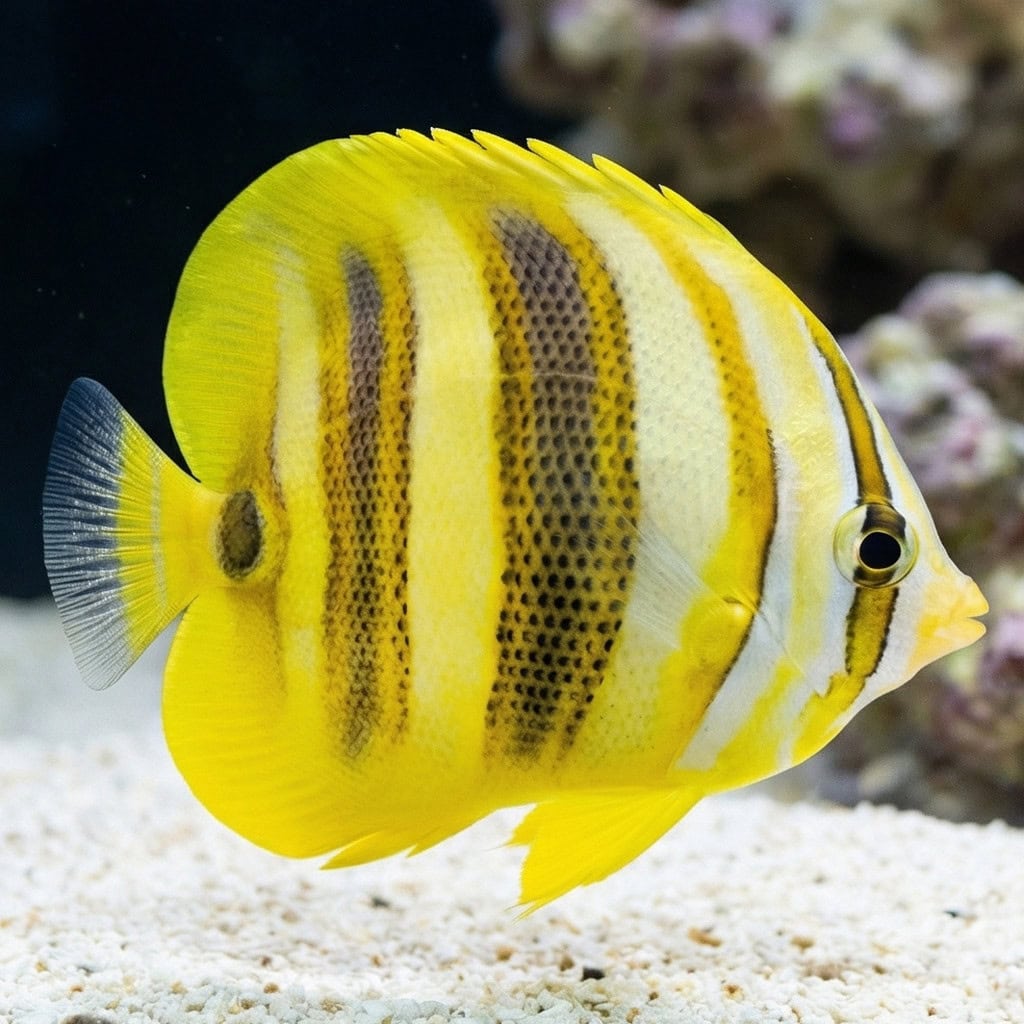
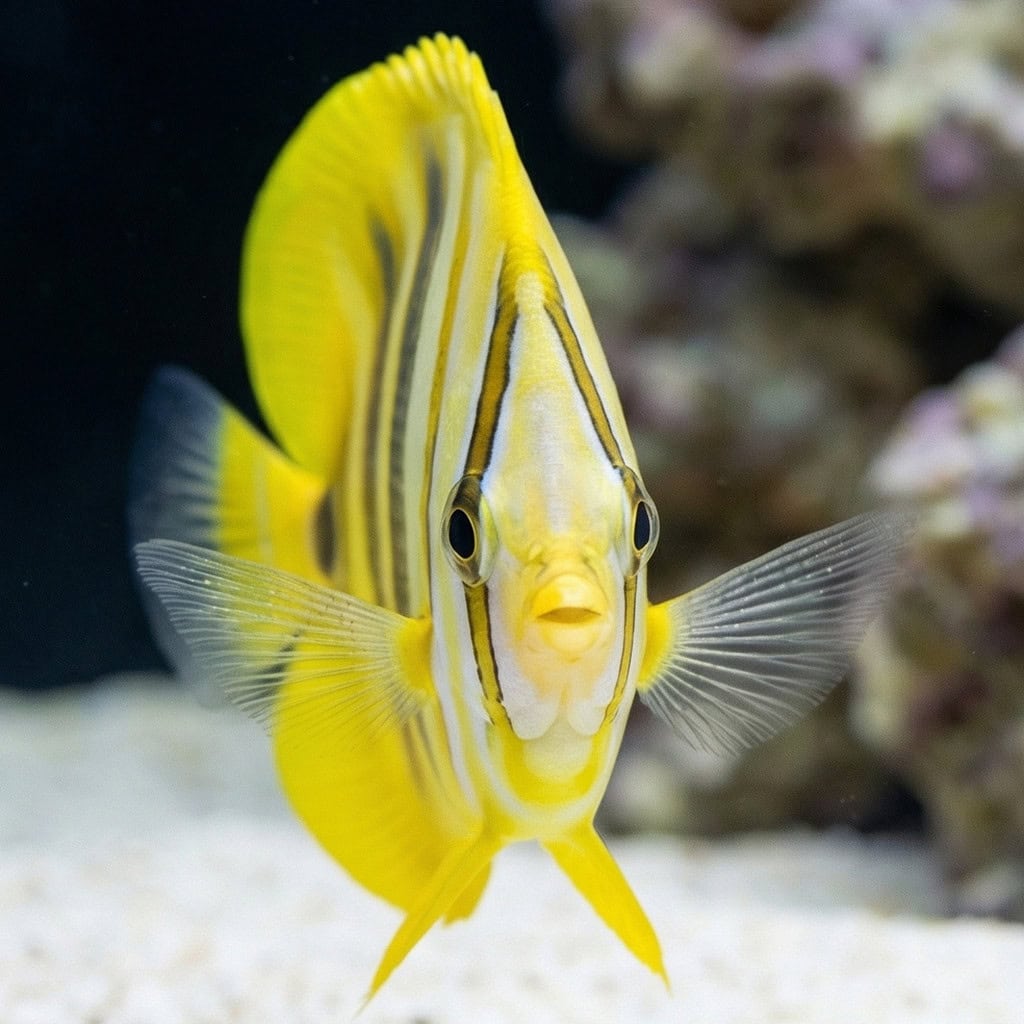
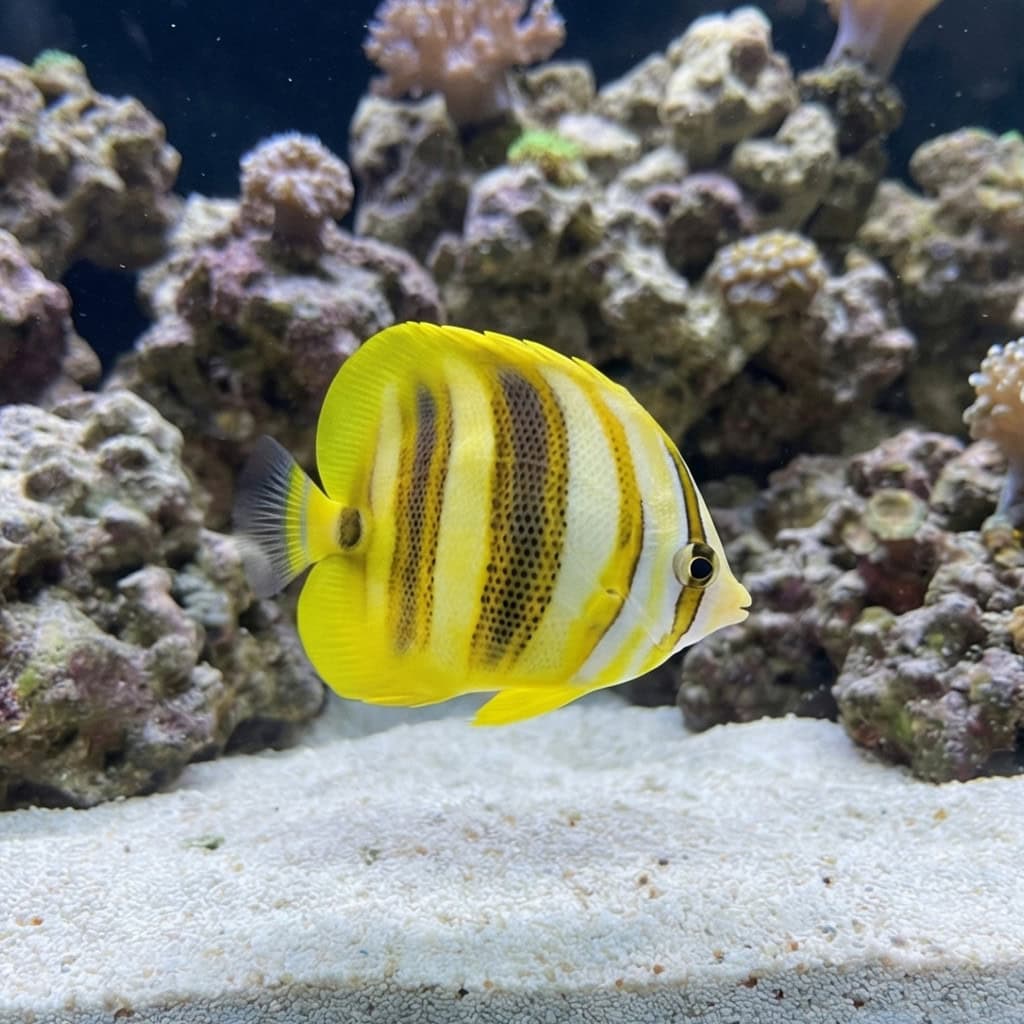
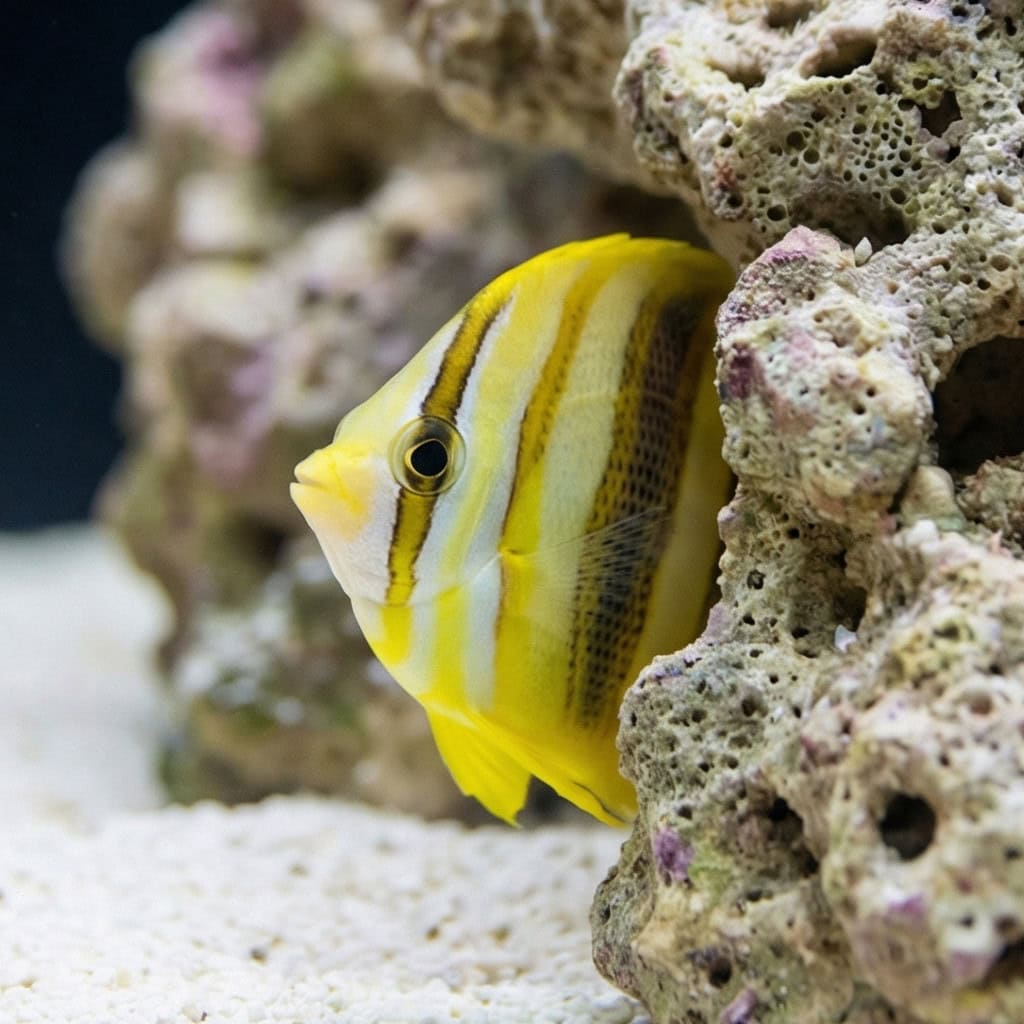
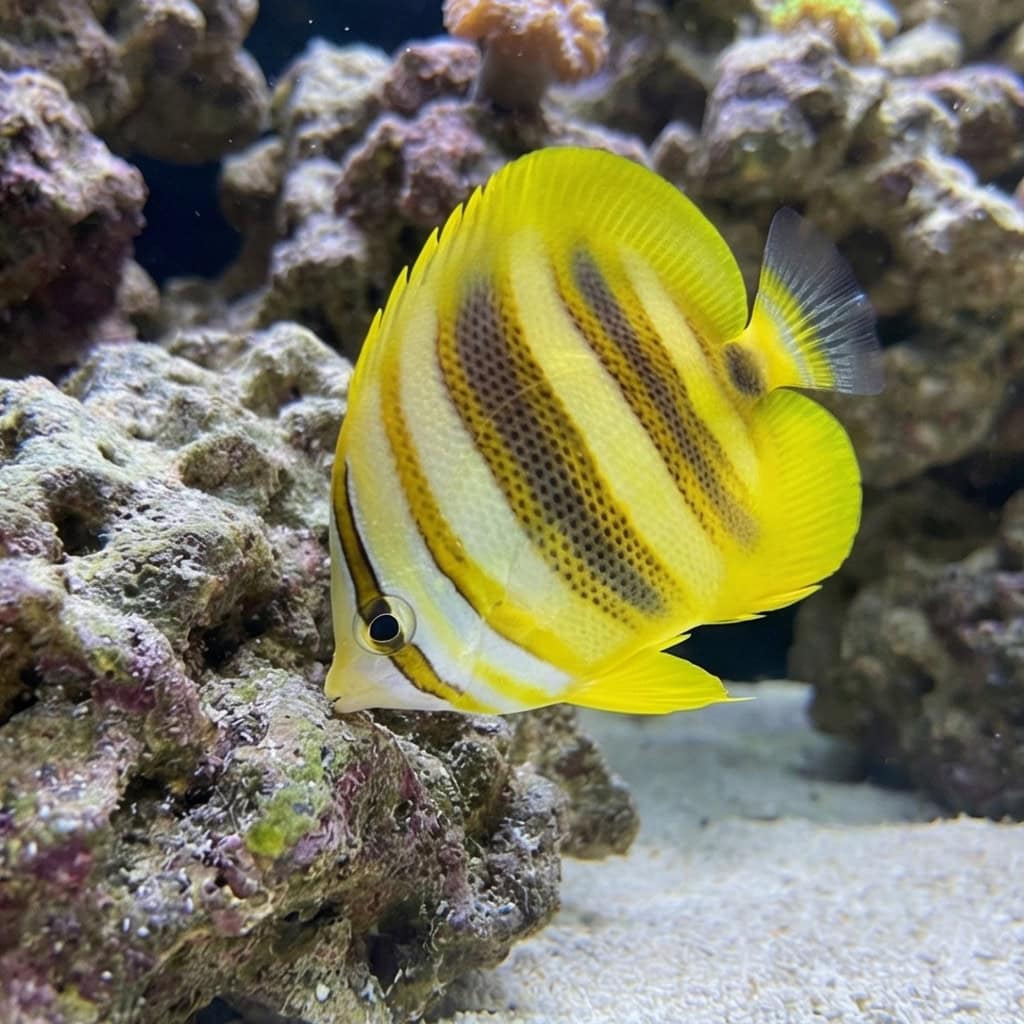
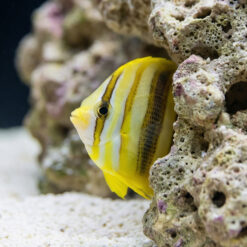
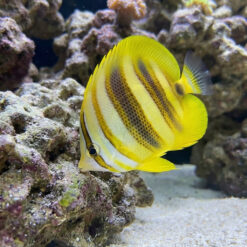
Rainfordi Butterfly
Chaetodon rainfordi
| Stock | Variations | Price | Quantity | |
|---|---|---|---|---|
| Out of Stock | 2.25" or smaller - Australia | Original price was: $509.99.$267.99Current price is: $267.99. | Email me |
Every order ships with our standard 3-hour live arrival guarantee. Need more time? Add our 5-Day Guarantee at checkout.
Full guarantee terms →Ships Monday – Thursday for next-day arrival at your nearest FedEx Hold location — typically ready by 9 AM. We monitor every delivery.
Shipping details →
Monday – Friday 8 AM – 9 PM
Saturday 12 PM – 4 PM
Sunday 12 PM – 9 PM
Healthy, stable animals from vetted suppliers — inspected before packing, shipped overnight. Decades of experience built this model so we can deliver premium livestock at 30%+ less than you'd pay elsewhere.
| Care Level | Expert |
|---|---|
| Temperament | Semi-Aggressive |
| Reef Safe | No |
| Functional Benefit | Ornamental Only |
| Diet Type | Omnivore |
| Mininum Tank Size | 55 gallons |
| Max Size | 6 inches |
| Temperature | 72–78°F |
| pH Range | 8.1–8.4 |
| Specific Gravity | 1.022–1.025 |
The Rainfordi Butterfly (Chaetodon rainfordi), also called Rainford’s or the gold-barred butterflyfish, is a yellow butterflyfish with blue-gray body bands edged in orange. It’s a Southwestern Pacific species that spends much of the day browsing and inspecting rock surfaces with short, deliberate pecks.
What You’ll Observe:
- Repeated patrol loops through open areas, then quick stops to pick at rockwork
- A steady “searching” pattern, moving from surface to surface rather than hovering in one spot
- Strong interest in targeted foods placed on a clip, shell, or feeding tool
- More focused feeding when offered multiple small portions across the day
Provide mature rockwork with plenty of natural grazing surfaces and clear swim lanes. Offer a mix of finely chopped seafood, mysis, and marine herbivore fare, and use clam on the half shell to encourage consistent feeding; several small feedings daily helps keep the fish engaged at mealtime.
How do most keepers get Rainfordi Butterflyfish to start eating prepared foods?
Many hobbyists start with clam on the half shell or very small shavings of fresh/frozen seafood, then transition to other frozen items once it recognizes the feeding spot.
Does it do better with broadcast feeding or target feeding?
Keepers commonly report better results when food is delivered to a consistent location (shell, clip, or baster) so the fish can “work” the food instead of chasing it mid-water.
Can it be kept with other butterflyfish or similar-shaped fish?
It’s often described as manageable with tankmates, but feeding-focused squabbles can happen; many aquarists prioritize ample space and multiple feeding stations.
Do hobbyists actually see them eat aiptasia?
Some reef keepers are currently experimenting with Rainford butterflyfish for aiptasia and report interest in pest anemones, but outcomes vary by individual fish and tank conditions.
What does it usually do all day when it’s “settled in”?
Most of its visible time is spent cruising and pecking—moving methodically from rock surface to rock surface, then returning to the same routes throughout the day.
Our selection process means you get robust, well-adjusted specimens that settle in quickly.
Recently viewed products