
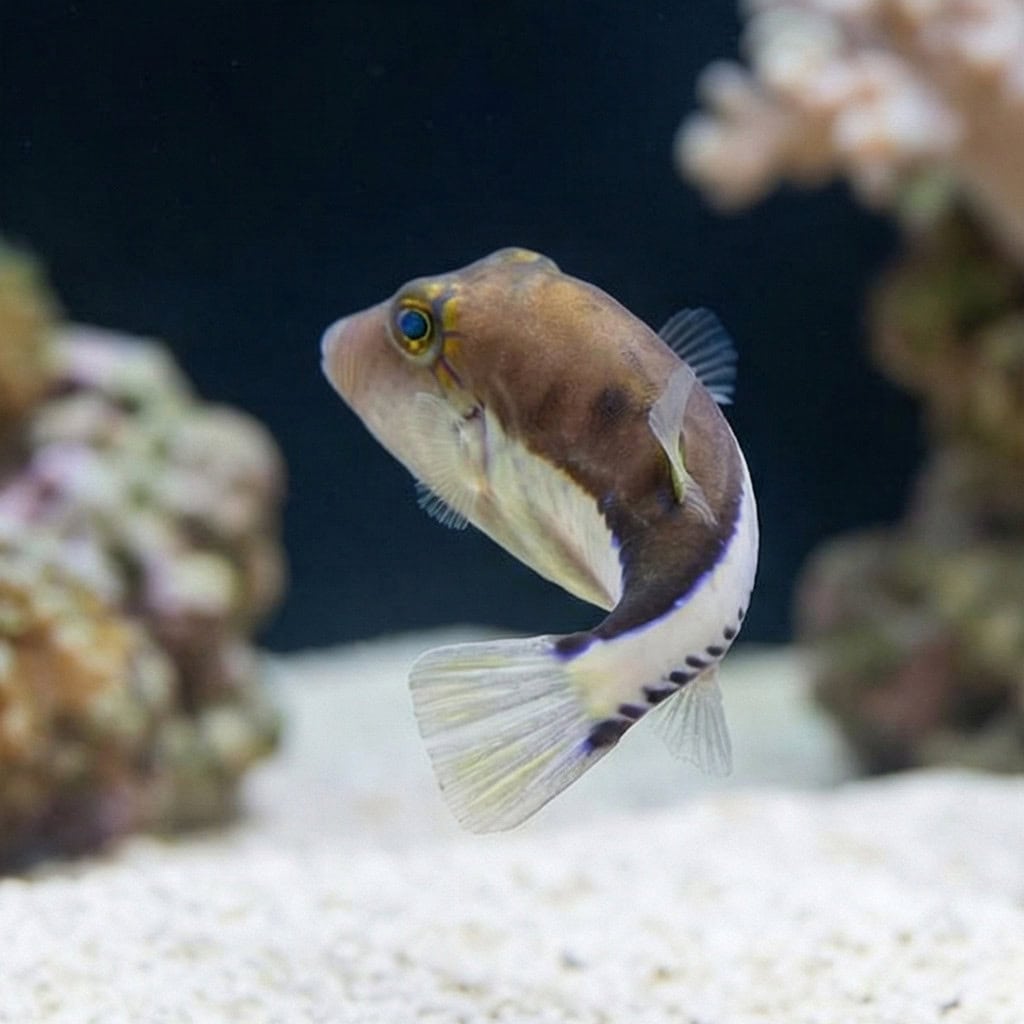
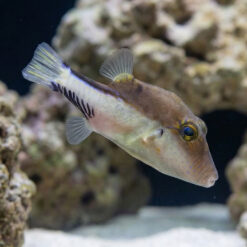
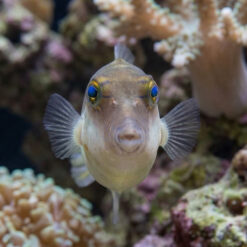
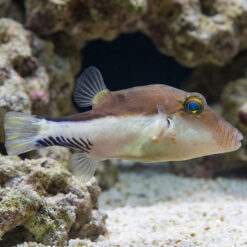
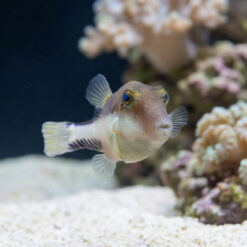
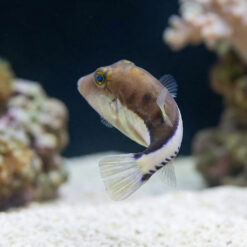
Caribbean Sharpnose Puffer
Canthigaster rostrata
| Stock | Variations | Price | Quantity |
|---|
Every order ships with our standard 3-hour live arrival guarantee. Need more time? Add our 5-Day Guarantee at checkout.
Full guarantee terms →Ships Monday – Thursday for next-day arrival at your nearest FedEx Hold location — typically ready by 9 AM. We monitor every delivery.
Shipping details →
Monday – Friday 8 AM – 9 PM
Saturday 12 PM – 4 PM
Sunday 12 PM – 9 PM
Healthy, stable animals from vetted suppliers — inspected before packing, shipped overnight. Decades of experience built this model so we can deliver premium livestock at 30%+ less than you'd pay elsewhere.
| Care Level | Moderate |
|---|---|
| Temperament | Semi-Aggressive |
| Reef Safe | With Caution |
| Functional Benefit | Ornamental Only |
| Diet Type | Omnivore |
| Mininum Tank Size | 20 gallons |
| Max Size | 5 inches |
| Temperature | 72–78°F |
| pH Range | 8.1–8.4 |
| Specific Gravity | 1.022–1.025 |
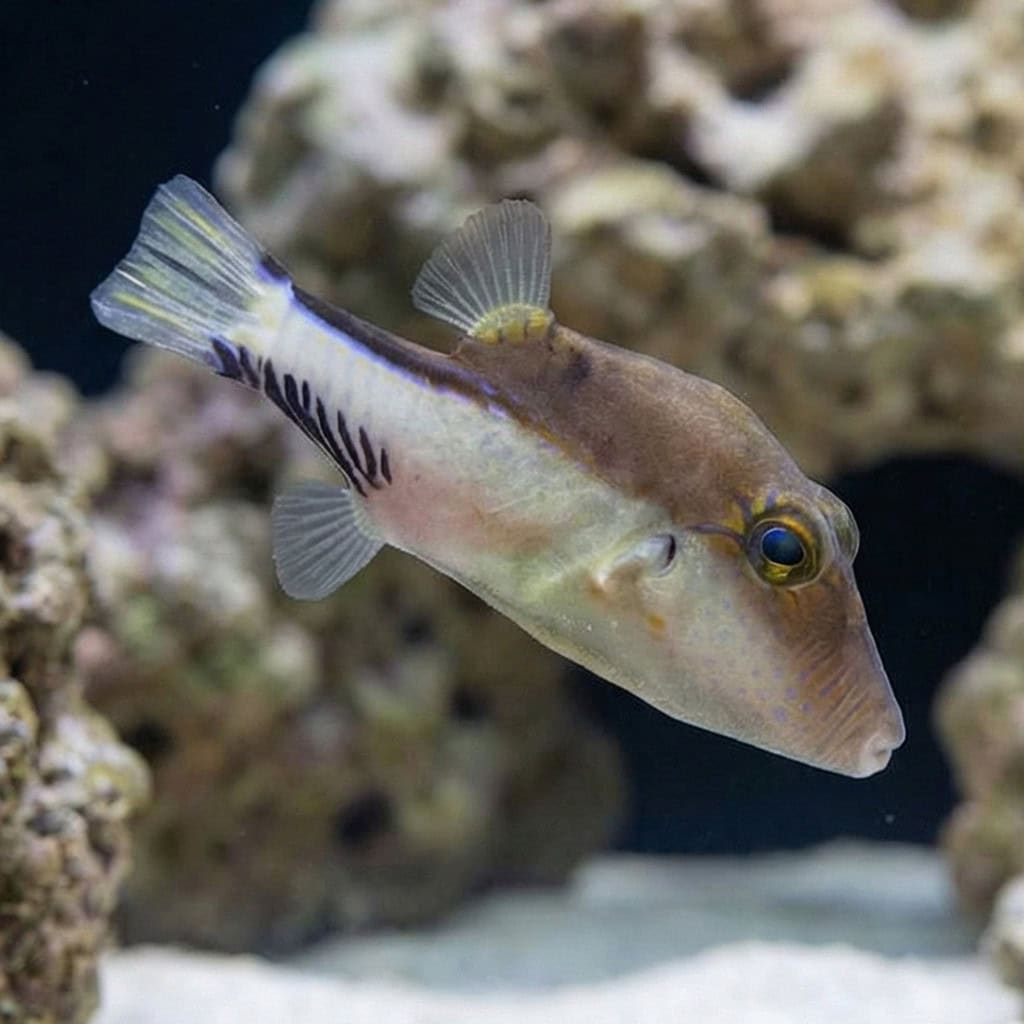
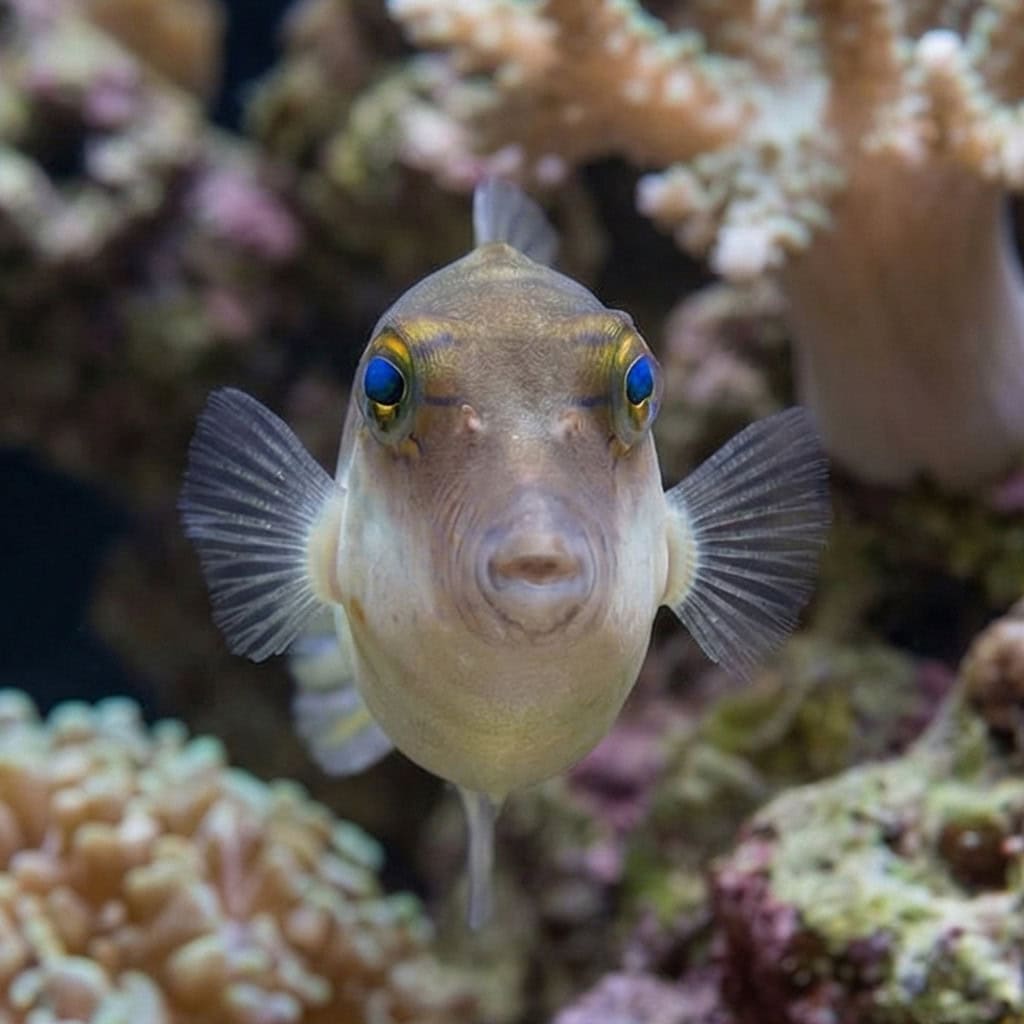
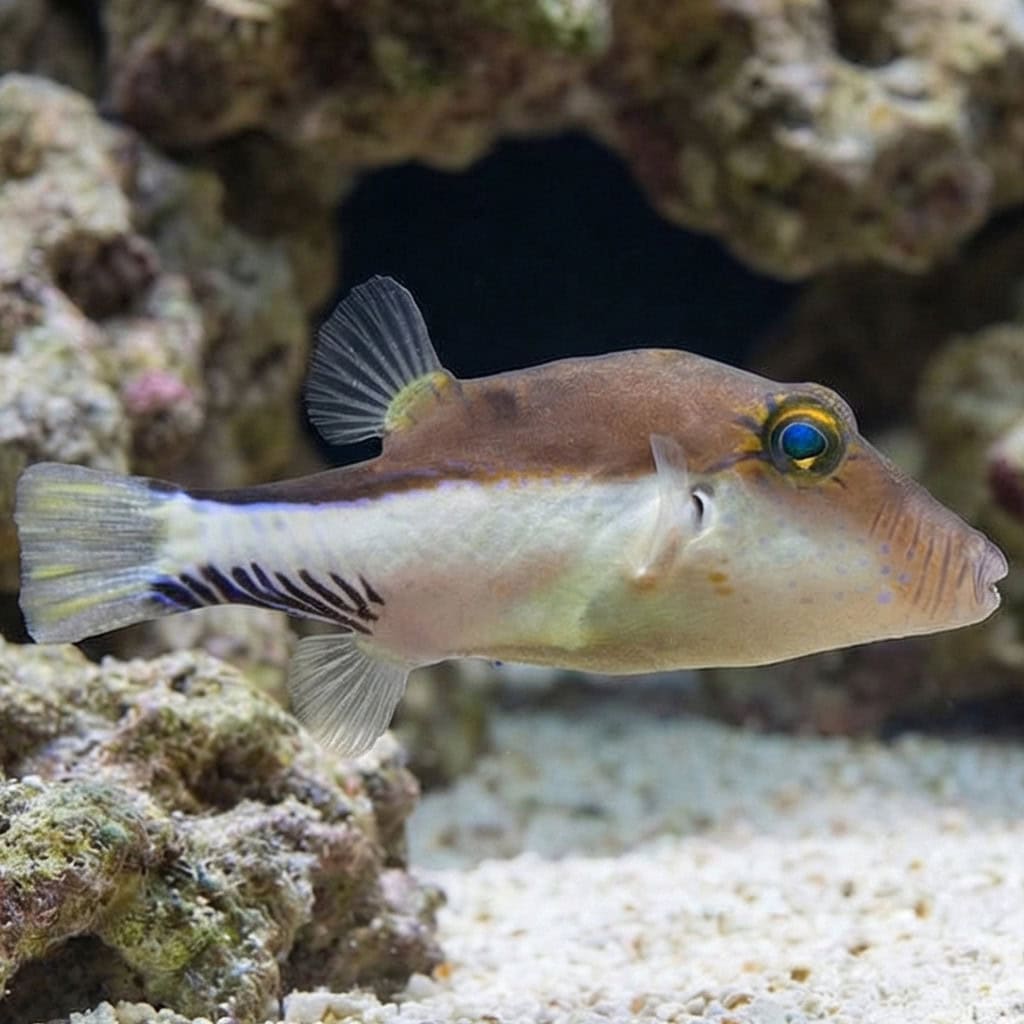
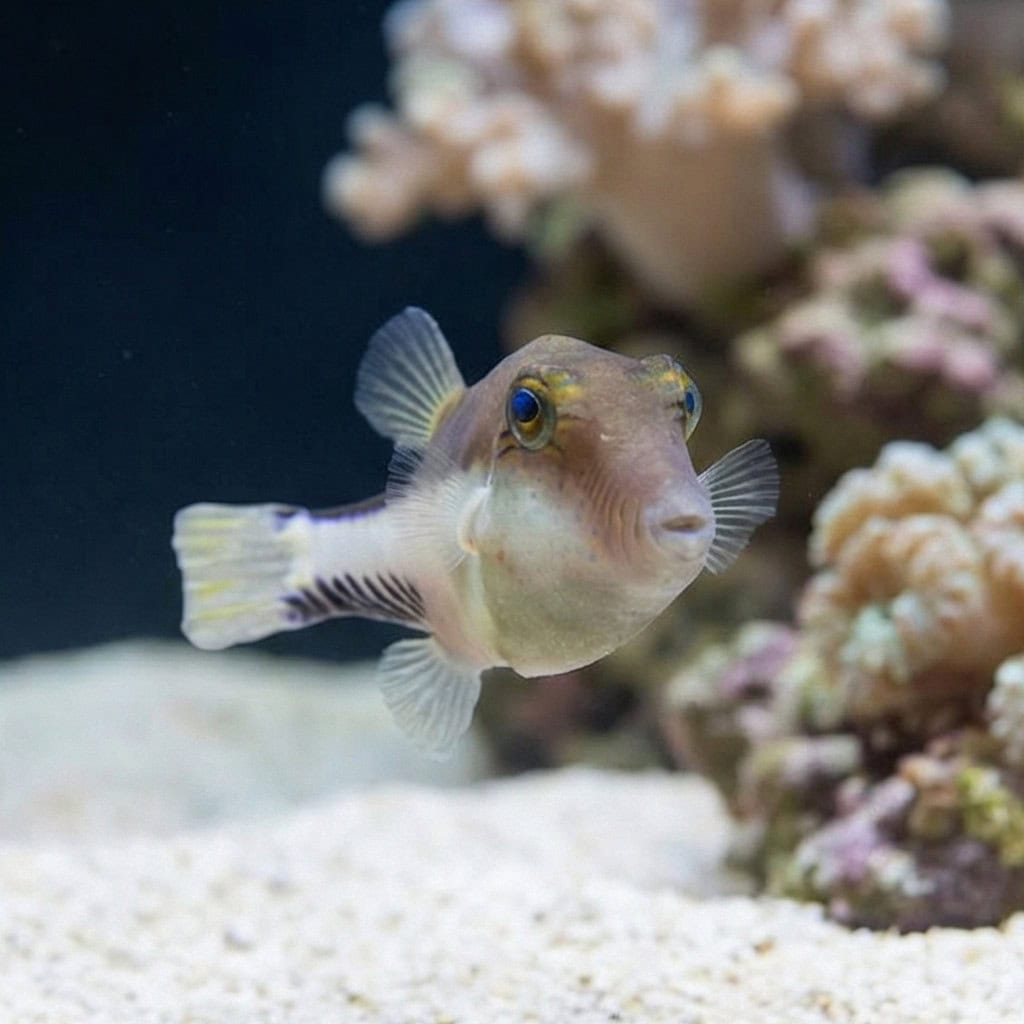
The Caribbean Sharpnose Puffer (Canthigaster rostrata), also called an Atlantic toby, is a small Western Atlantic puffer often seen with a pale body, darker back markings, blue spotting, and a yellow tail edge. It occurs across the Western Central Atlantic, from South Carolina and Bermuda through the Caribbean to the Lesser Antilles.
What You’ll Observe:
- Slow “patrol loops” as it cruises rockwork and pauses to inspect crevices
- Frequent close-up “investigations” of new objects, food, and hands at the glass
- Short bursts of swimming followed by hovering in place using its fins
- Regular foraging pecks on rock and hard surfaces between scheduled meals
Provide plenty of live rock structure with open lanes to swim through, and keep a consistent feeding routine. Offer a varied omnivore menu—chopped shrimp, clam, squid, and quality frozen blends—in small portions 2–3 times daily for best results.
Why does my sharpnose puffer “taste test” new frags or decorations?
Many tobies investigate anything new in their territory; adding new items near feeding time and using a short acclimation period in a box often reduces extra attention.
Will it learn to eat pellets, or is it frozen-only?
Many individuals transition well when pellets are mixed in with favorite frozen foods at first, then offered on their own once the fish recognizes them as food.
How do I help keep the beak worn naturally?
Rotate in harder foods periodically (like clam or similar shell-on items) so the fish gets regular chewing opportunities during normal feeding.
Is it normal for a toby puffer to wedge itself into rockwork at night?
Yes—many sharpnose puffers pick a snug “sleep spot” and return to it, sometimes at an odd angle, once lights are out.
Can I keep two Caribbean sharpnose puffers together long-term?
Most hobbyists keep them singly; pairing is sometimes done when a compatible male/female pair is established with plenty of space and hiding structure.
Shipped with pure oxygen and temperature control so it arrives stress-free and ready to eat.
Recently viewed products