
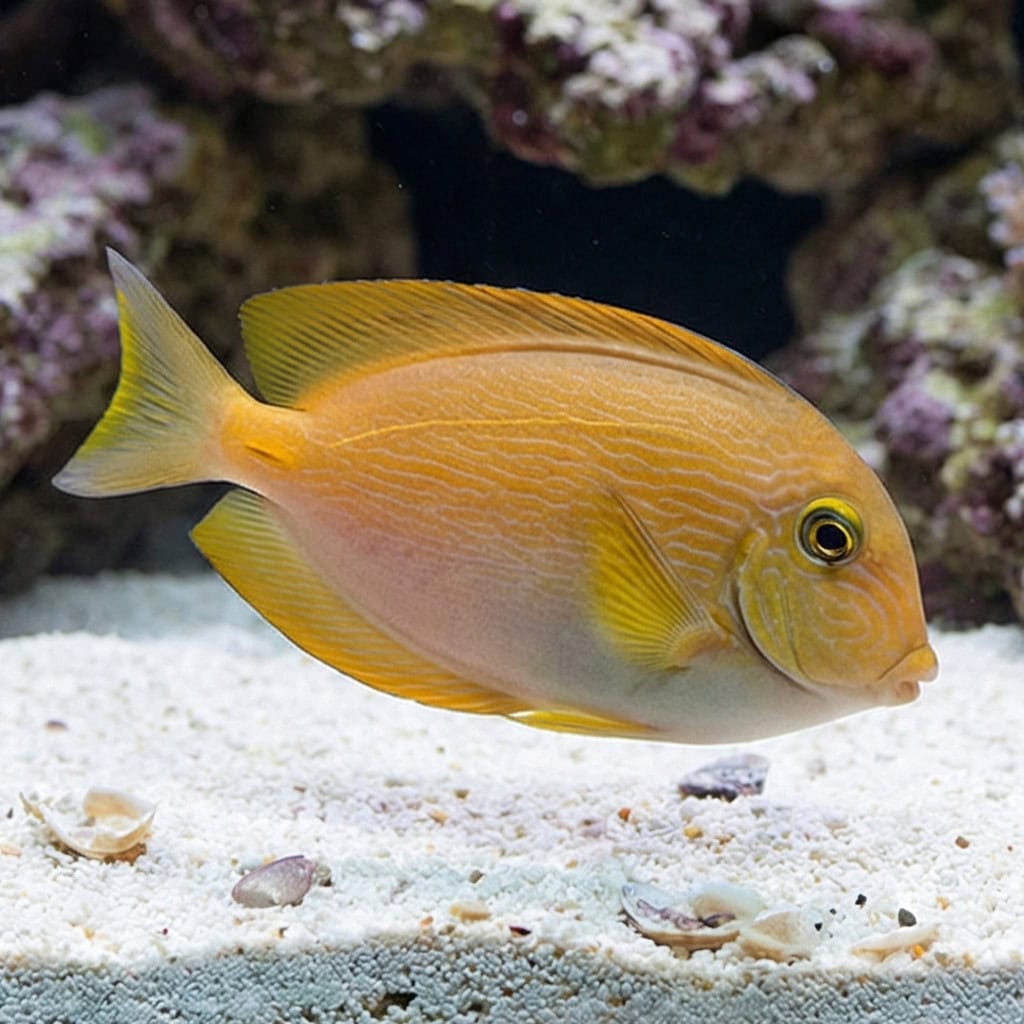
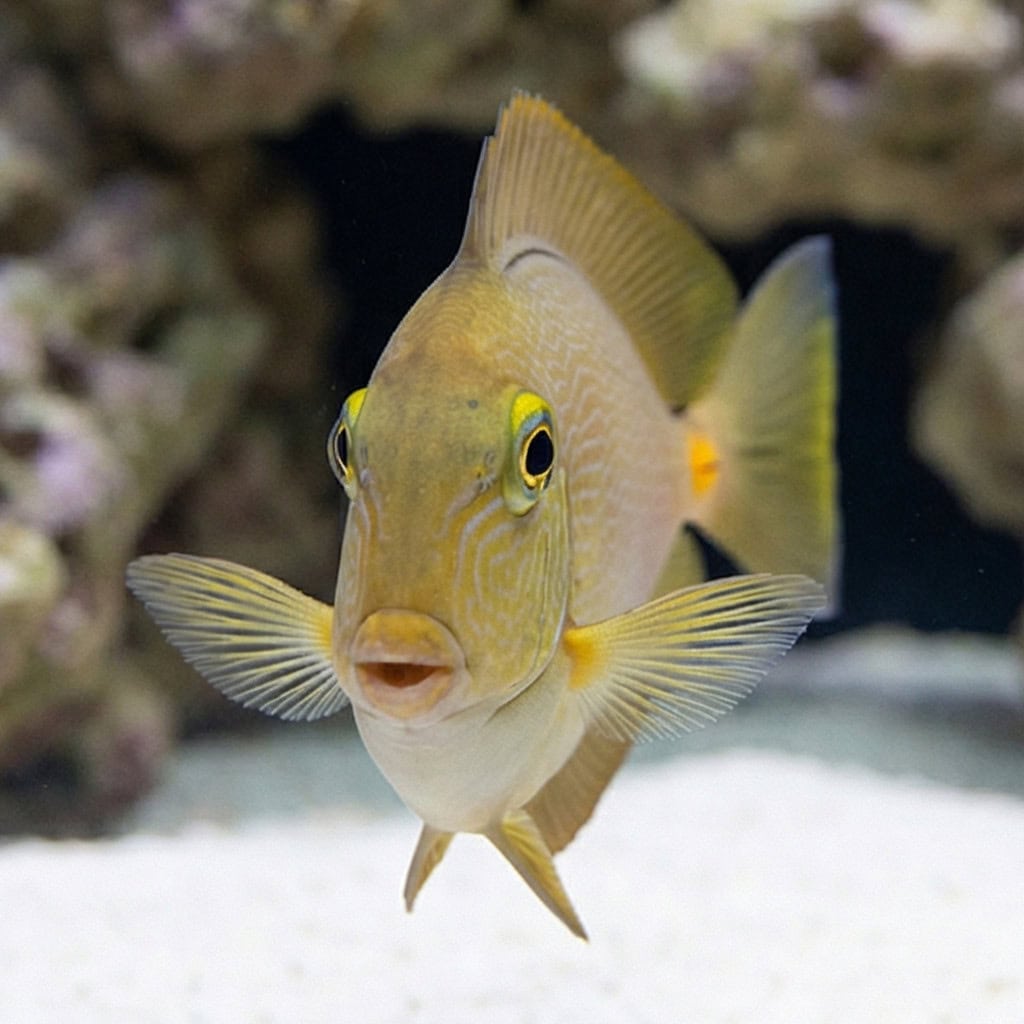
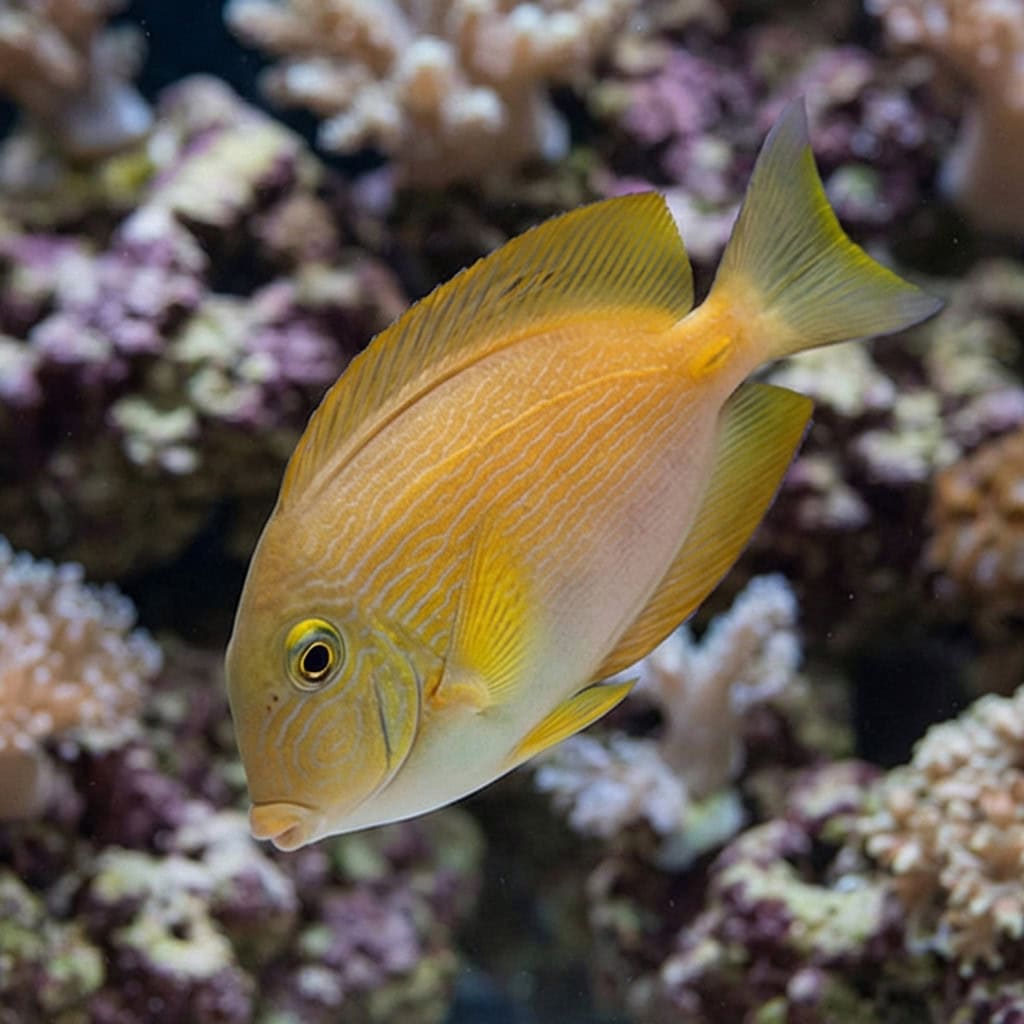
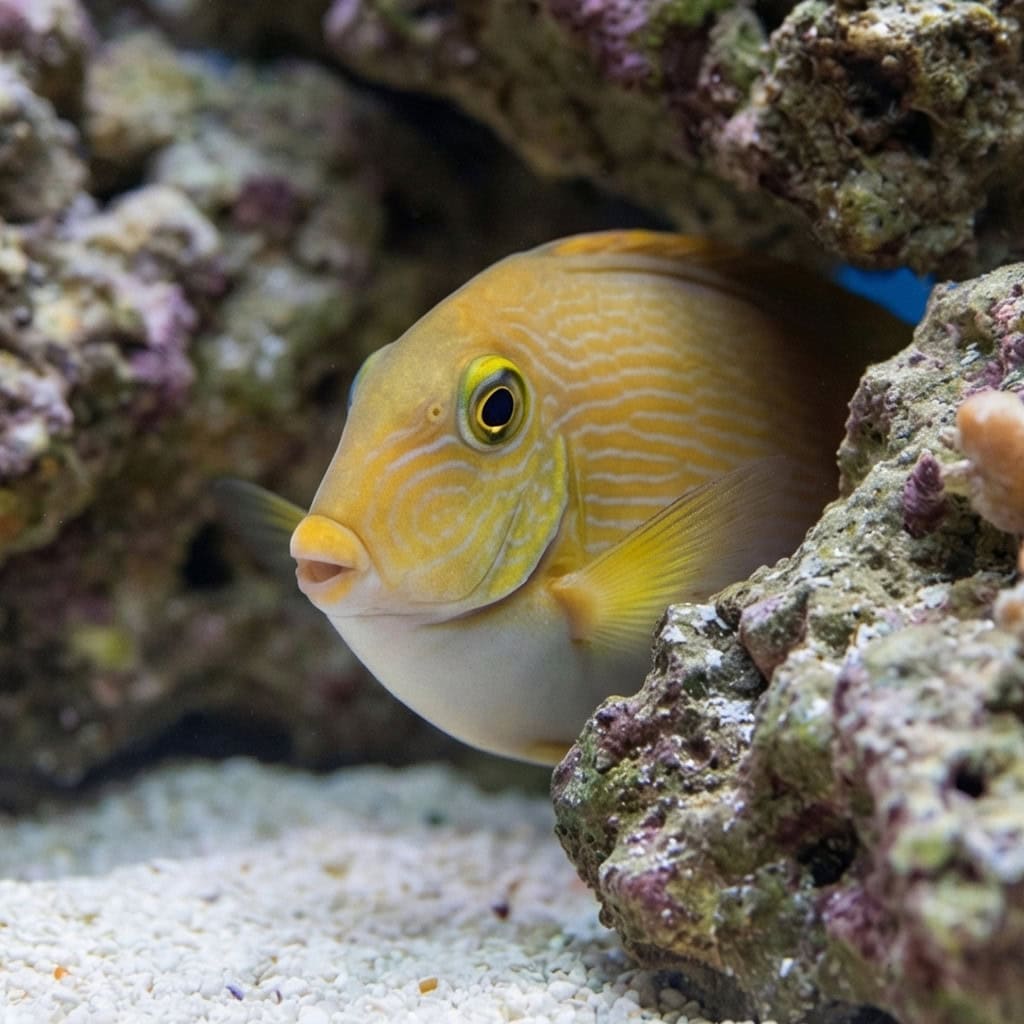
Monrovia Tang
Acanthurus monroviae
| Stock | Variations | Price | Quantity |
|---|
Every order ships with our standard 3-hour live arrival guarantee. Need more time? Add our 5-Day Guarantee at checkout.
Full guarantee terms →Ships Monday – Thursday for next-day arrival at your nearest FedEx Hold location — typically ready by 9 AM. We monitor every delivery.
Shipping details →
Monday – Friday 8 AM – 9 PM
Saturday 12 PM – 4 PM
Sunday 12 PM – 9 PM
Healthy, stable animals from vetted suppliers — inspected before packing, shipped overnight. Decades of experience built this model so we can deliver premium livestock at 30%+ less than you'd pay elsewhere.
| Care Level | Moderate |
|---|---|
| Temperament | Semi-Aggressive |
| Reef Safe | With Caution |
| Functional Benefit | Ornamental Only |
| Diet Type | Omnivore |
| Mininum Tank Size | 250 gallons |
| Max Size | 18 inches |
| Temperature | 72–78°F |
| pH Range | 8.1–8.4 |
| Specific Gravity | 1.022–1.025 |
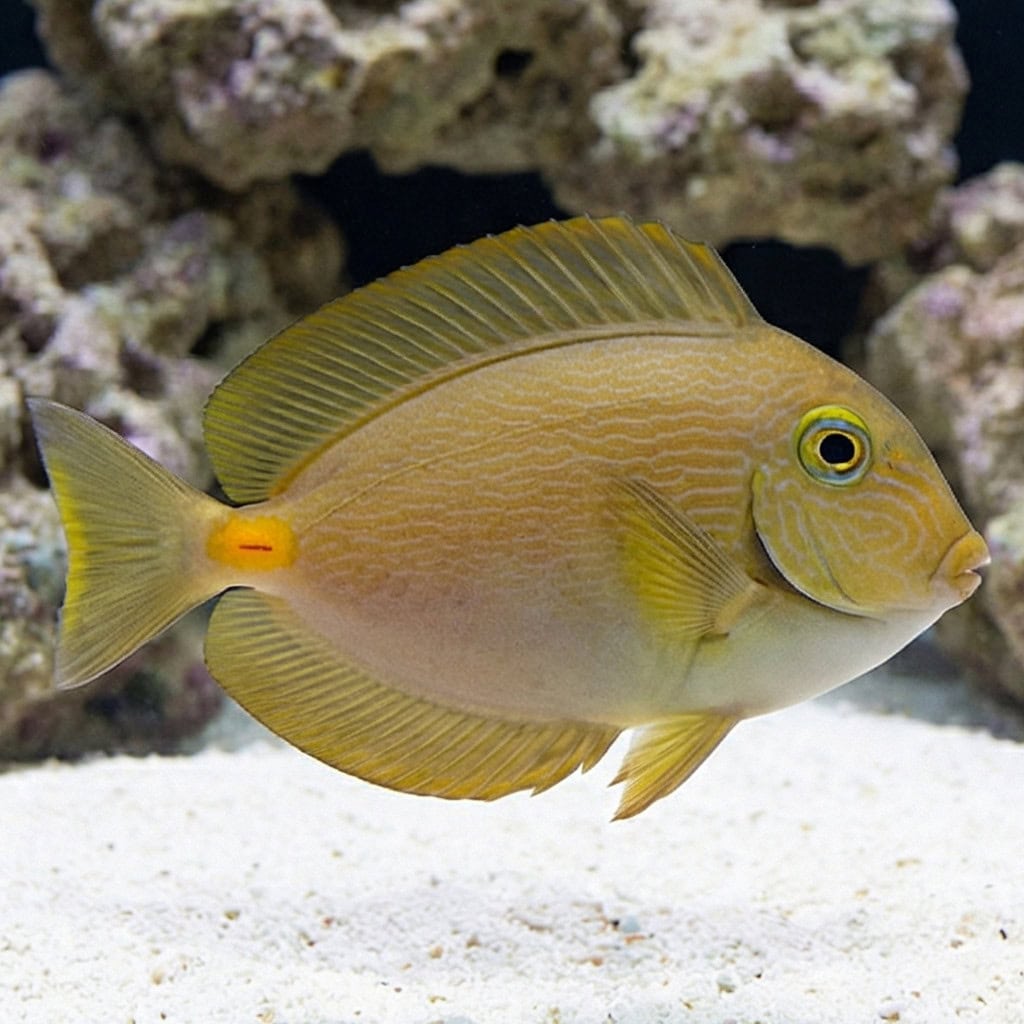
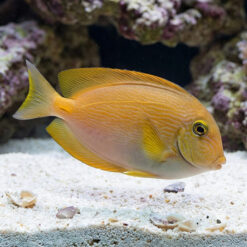
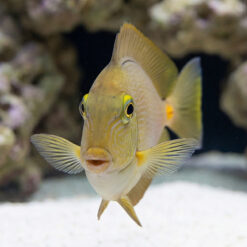
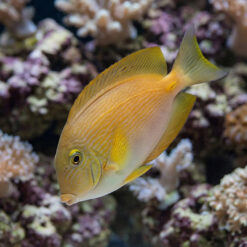
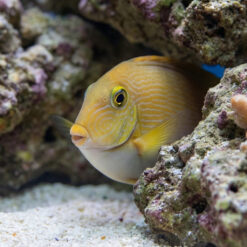
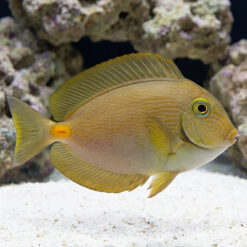
The Monrovia Tang (Acanthurus monroviae), also called the Monrovia doctorfish or “West African Achilles tang,” is a large Acanthurus tang from the eastern Atlantic. Adults show an earthy brown base with fine blue line patterning and an orange-yellow patch around the tail “scalpel,” giving the fish a clean, high-contrast look as it cruises open water.
What You’ll Observe:
- Steady, daytime swimming with long laps across the front and middle of the tank
- Frequent “inspection passes” along rockwork, followed by quick turns and repeat routes
- A clear interest in food as it hits the water column, often coming out quickly at feeding time
- Short bursts of speed when it changes direction or moves between open lanes and structure
Provide a large aquarium with open swimming lanes and stable reef parameters, plus rockwork the fish can pass around and behind. Offer a varied menu (algae-based foods plus meaty frozen options) in multiple small feedings so it can stay active and maintain body weight.
Is this fish commonly confused with other Acanthurus tangs?
Yes—many hobbyists mix it up with similar, streamlined Acanthurus species, especially in photos taken at an angle or through thick glass.
Why does it swim the same route over and over?
Many tangs establish “patrol loops” and repeat them; once it learns the tank layout, the route often becomes more consistent.
Does it change appearance under different lighting or mood?
It can look lighter or darker depending on stress level, time of day, and spectrum, and the blue line pattern can look more or less pronounced.
Will it ignore nori but go after frozen foods at first?
That’s common; some individuals key in on water-column foods initially, then start using an algae clip more reliably after they settle into a routine.
Is it normal for a tang to wedge itself into rockwork at night?
Yes—many tangs pick a consistent sleeping spot and “lock in” the same way each night once they feel secure.
We work with trusted suppliers who keep our specimens healthy and well-fed before shipping.
Only logged in customers who have purchased this product may leave a review.
Recently viewed products
Reviews
There are no reviews yet.