
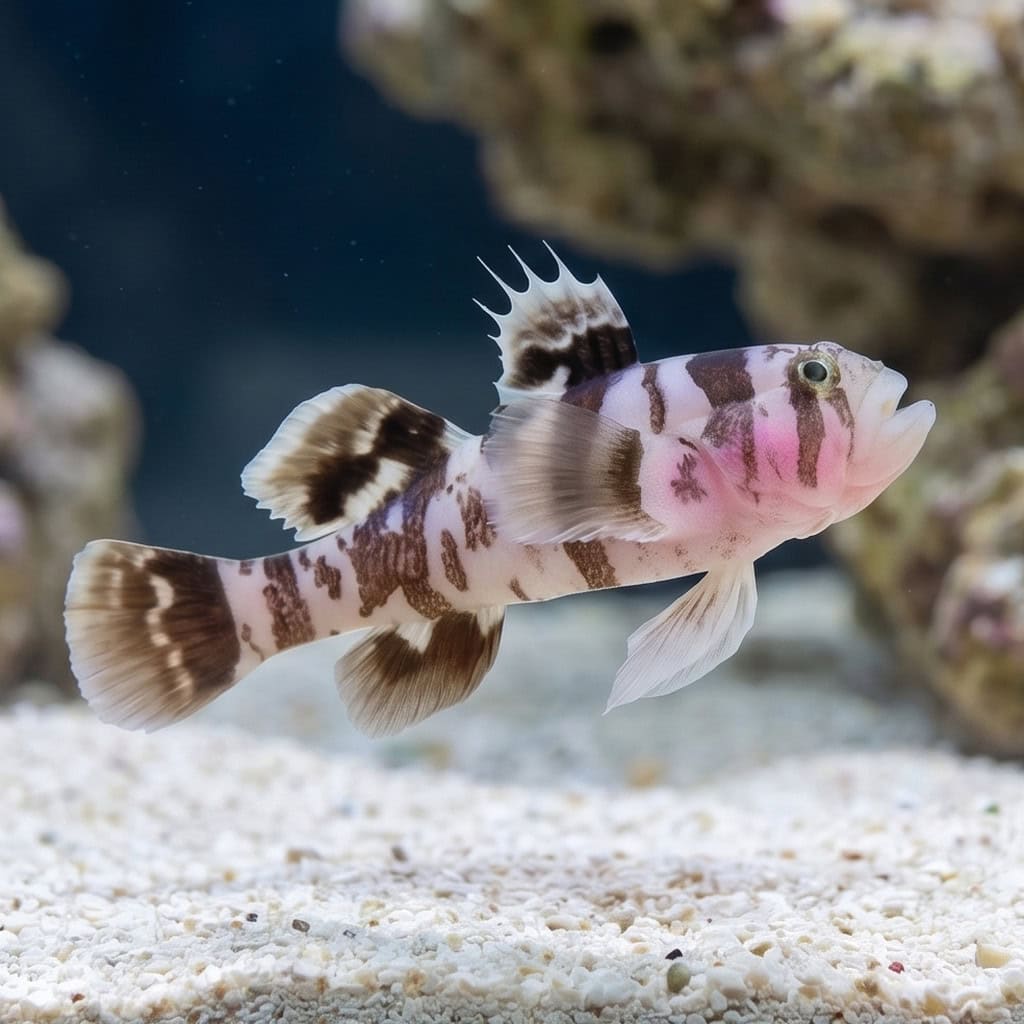
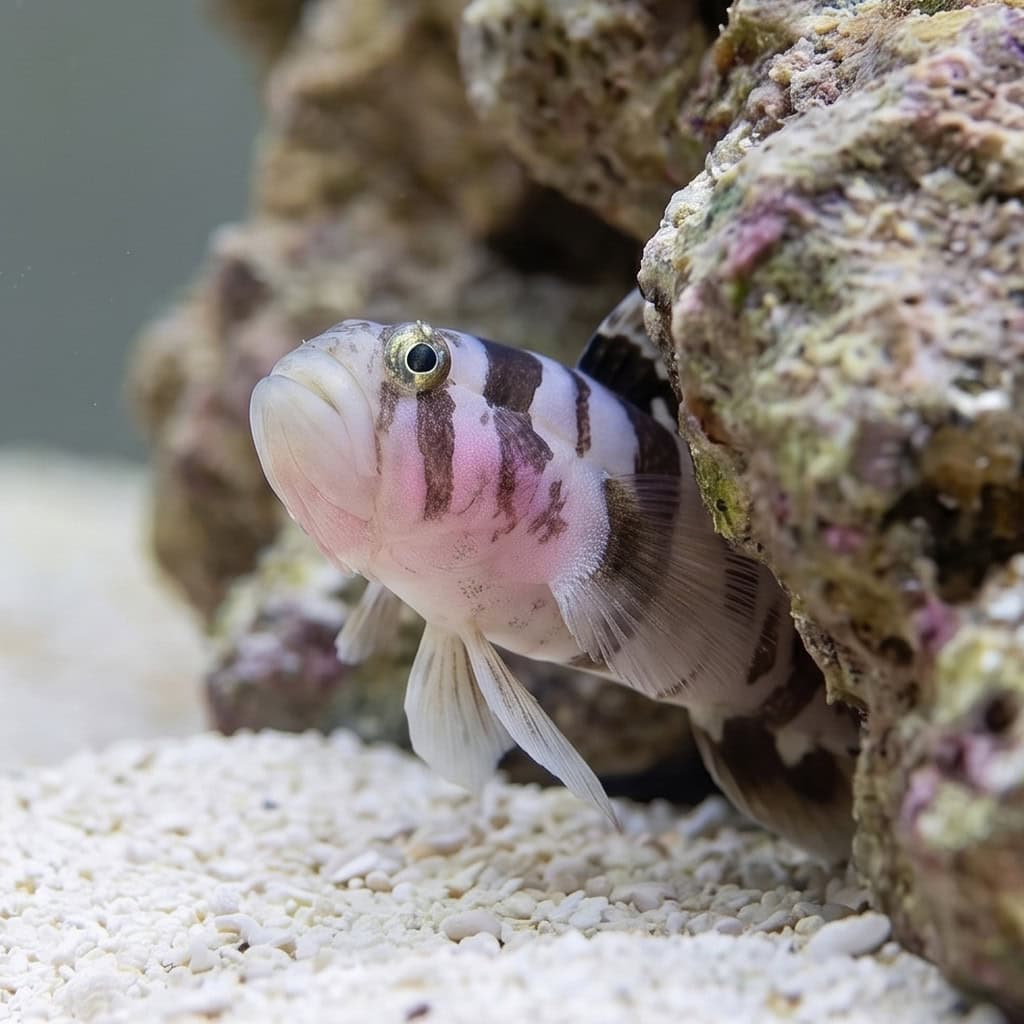
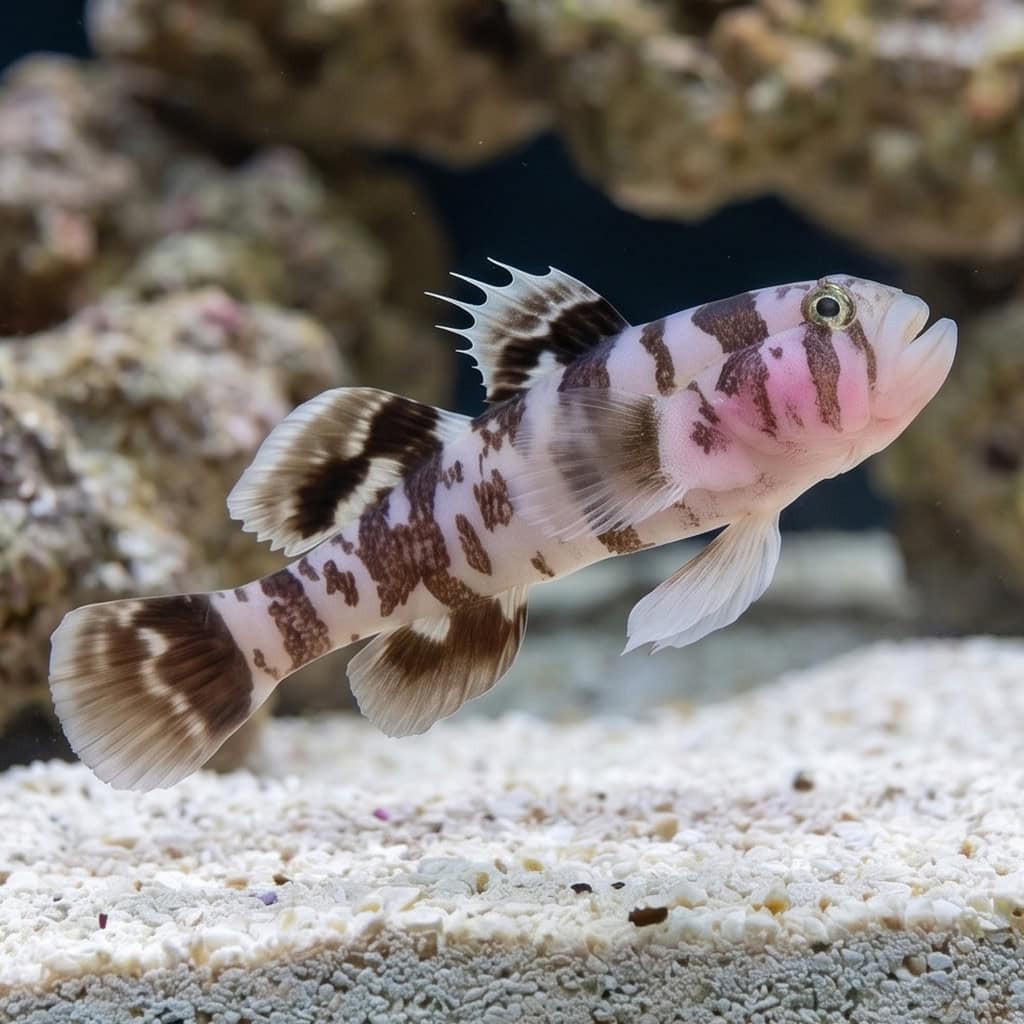
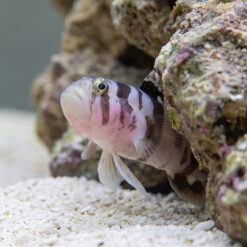
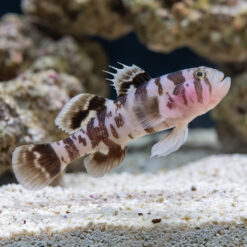
Black-Barred Reef Goby
Priolepis nocturna
| Stock | Variations | Price | Quantity | |
|---|---|---|---|---|
| Out of Stock | 1 - 2" - Indo-Pacific | Original price was: $186.99.$97.99Current price is: $97.99. | Email me |
Every order ships with our standard 3-hour live arrival guarantee. Need more time? Add our 5-Day Guarantee at checkout.
Full guarantee terms →Ships Monday – Thursday for next-day arrival at your nearest FedEx Hold location — typically ready by 9 AM. We monitor every delivery.
Shipping details →
Monday – Friday 8 AM – 9 PM
Saturday 12 PM – 4 PM
Sunday 12 PM – 9 PM
Healthy, stable animals from vetted suppliers — inspected before packing, shipped overnight. Decades of experience built this model so we can deliver premium livestock at 30%+ less than you'd pay elsewhere.
| Care Level | Easy |
|---|---|
| Temperament | Peaceful |
| Reef Safe | Yes |
| Functional Benefit | Ornamental Only |
| Diet Type | Carnivore |
| Mininum Tank Size | 10 gallons |
| Max Size | 2 inches |
| Temperature | 72–78°F |
| pH Range | 8.1–8.4 |
| Specific Gravity | 1.022–1.025 |
The Black-Barred Reef Goby (Priolepis nocturna), also sold as the Black Barred Convict, Circus, Full Moon, or White Tiger Goby, is a small reef goby with a pale body and bold dark bars that stays close to rockwork. In nature it lives on Indo-Pacific coral reefs and uses tight crevices and overhangs as cover.
What You’ll Observe:
- Holding position under ledges and perching upside down inside caves
- Quick “dash out and back” movements when food is offered
- Returning to a few favorite holes and shaded perches over and over
- Most visible when the tank is calm and lighting is lower
Provide live rock with multiple narrow caves and shaded overhangs so it can choose a secure perch. Offer small meaty foods in small portions, and use a pipette to place food near its chosen ledge as it learns your feeding routine. It does best with peaceful tankmates that won’t crowd its feeding spot.
Why does it pick one cave and stay there for so long?
Many keepers report that it “adopts” a specific ledge or cave and treats it like a home base, especially early on. As it settles in, it often expands to a few nearby perches.
How can I tell it’s eating if I don’t see it at feeding time?
Try feeding a small amount, then watch the same crevice for a few minutes—this species often waits for food to drift close before it darts out. A pipette or turkey baster aimed near its perch also makes feeding easier to confirm.
Will it accept prepared foods, or does it only hunt pods?
Hobbyists commonly report success with small frozen meaty foods once the fish learns the tank’s feeding routine. Keeping portions small and repeating the same feeding spot helps it lock in on the pattern.
Can I keep two together?
Some aquarists aim for a pair, but results vary and it can be hard to confirm sexing. If trying more than one, introducing them at the same time and providing multiple similar hiding spots tends to go smoother.
Is it normal for it to “disappear” for days and then show up again?
Yes—owners often describe long stretches where it stays deep in the rockwork, followed by brief appearances at consistent times. With stable conditions and a predictable feeding schedule, sightings usually become more regular.
Each fish is checked for strong appetite and activity before we approve it for your tank.
Recently viewed products