
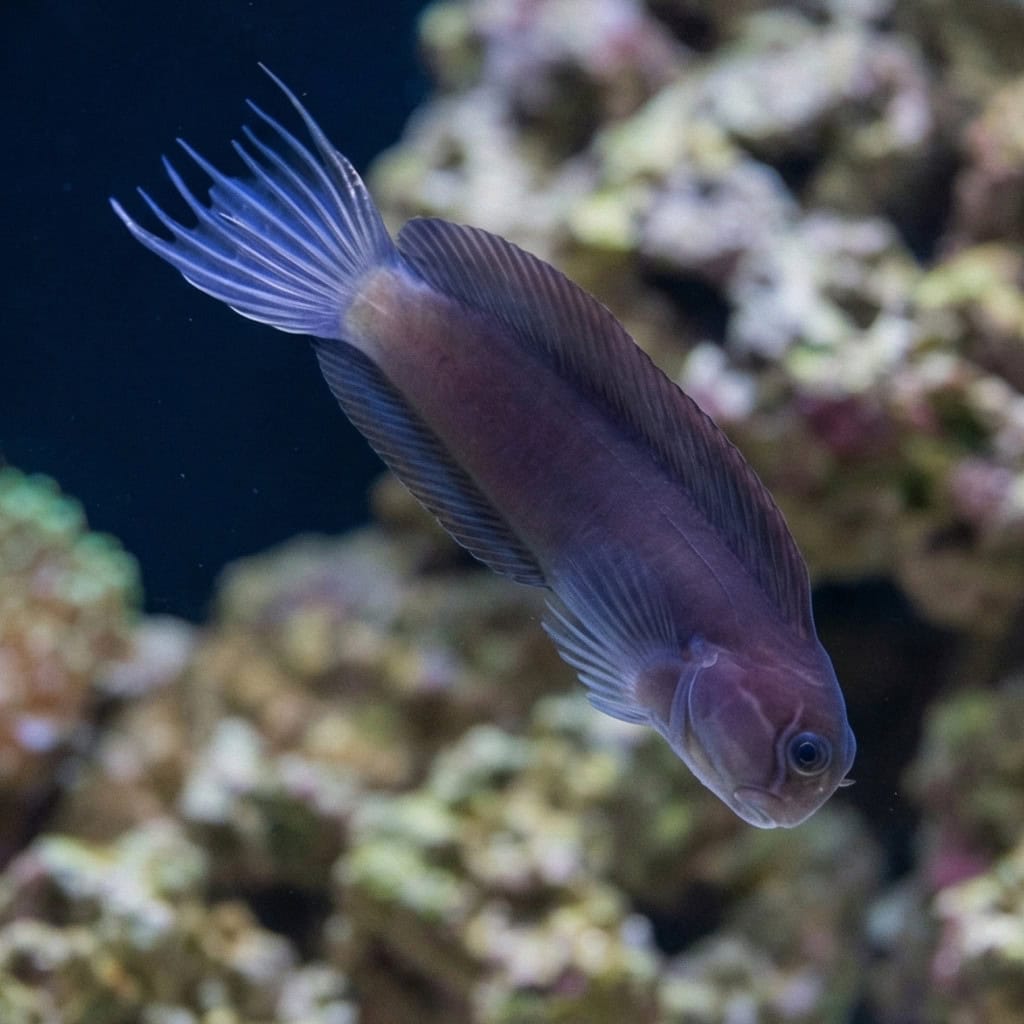
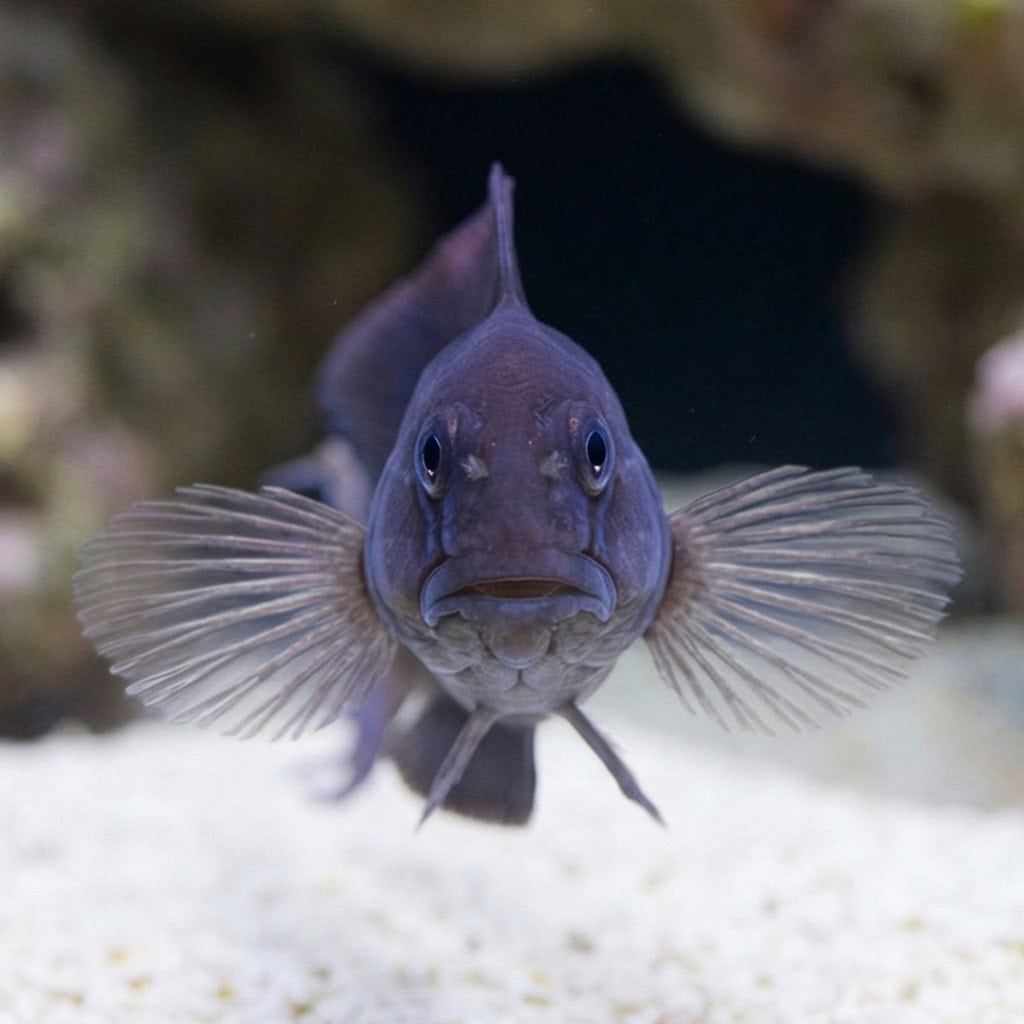
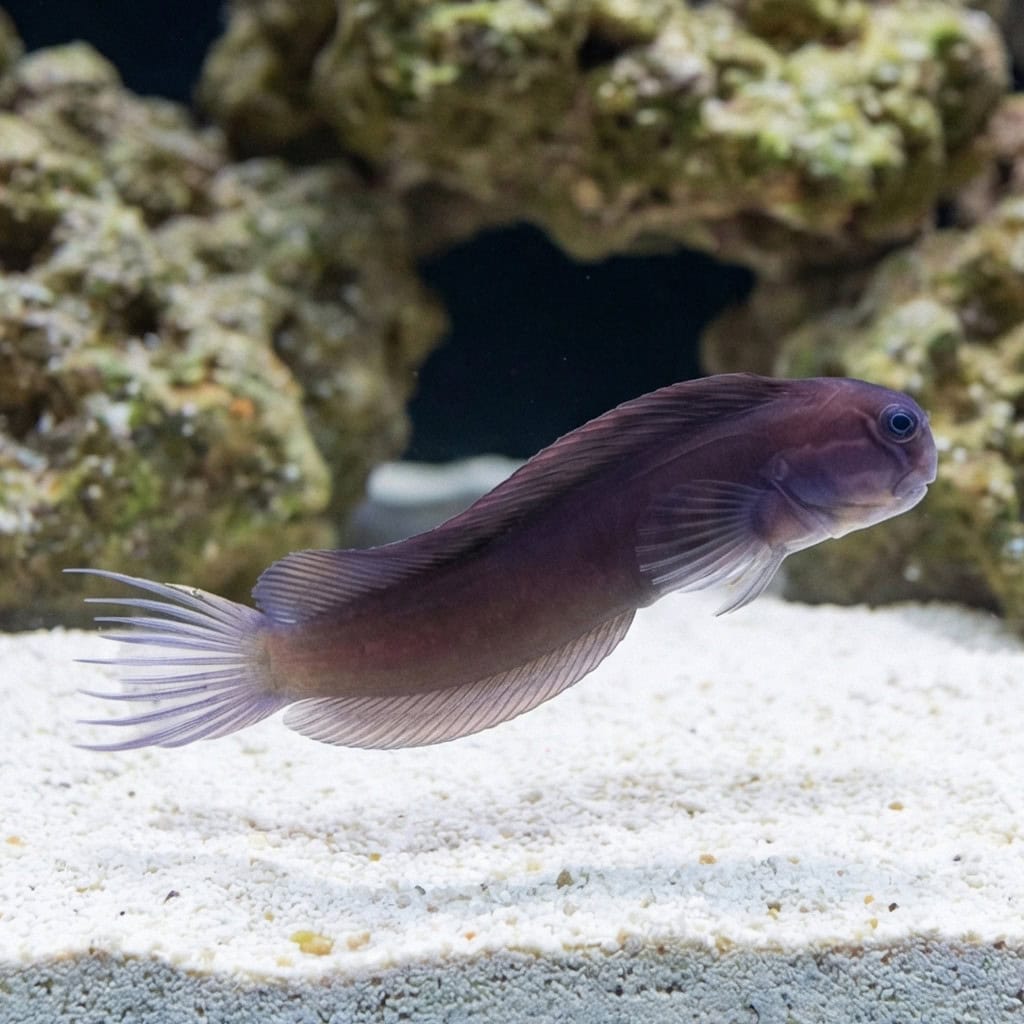
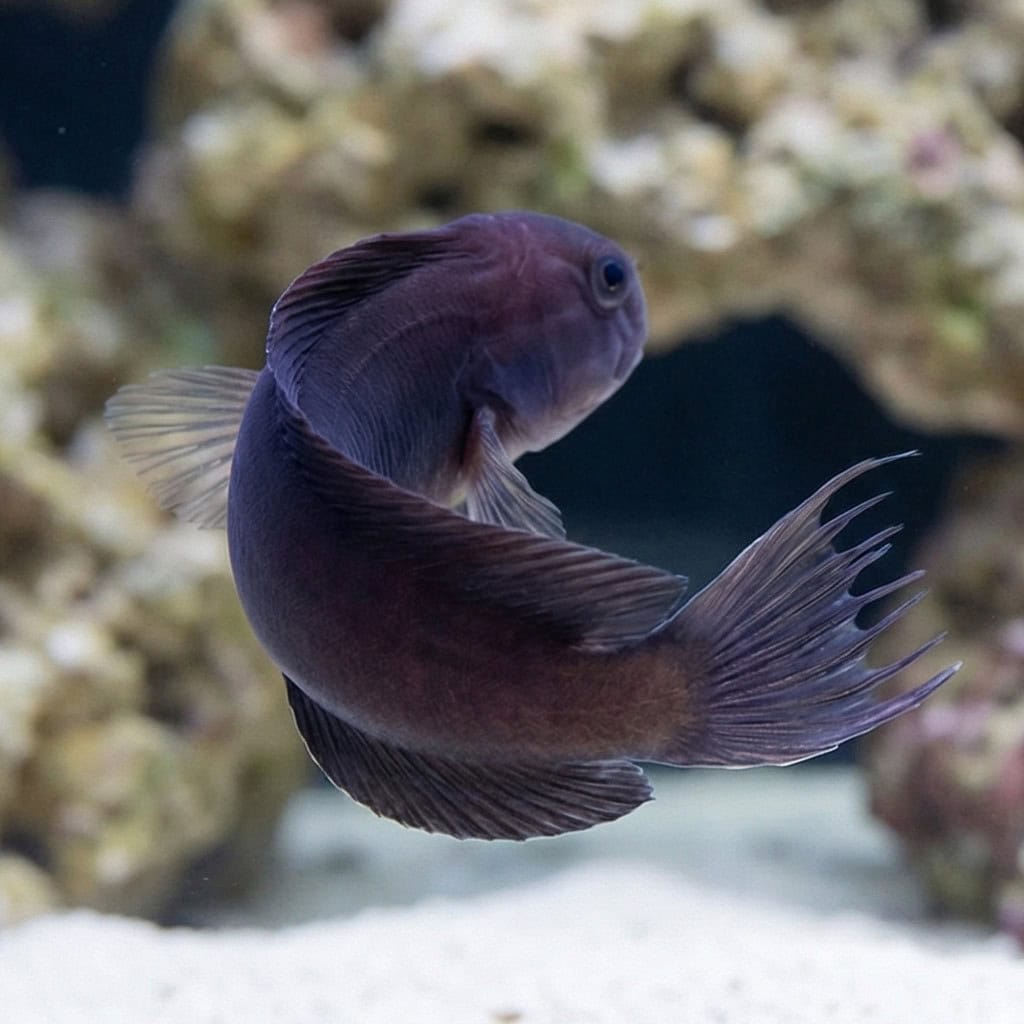
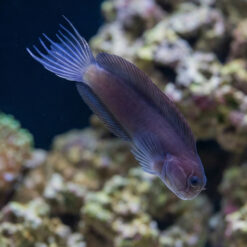
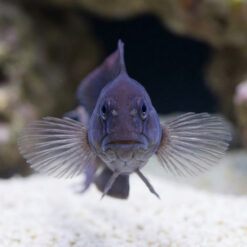
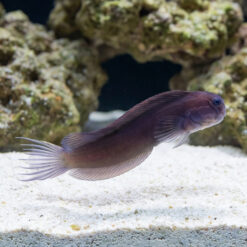
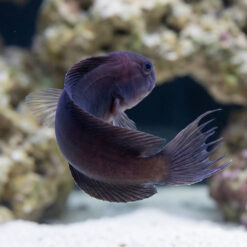
Black Combtooth Blenny
Ecsenius namiyei
| Stock | Variations | Price | Quantity | |
|---|---|---|---|---|
| Out of Stock | 2" or smaller - Indo-Pacific | Original price was: $98.99.$51.99Current price is: $51.99. | Email me |
Every order ships with our standard 3-hour live arrival guarantee. Need more time? Add our 5-Day Guarantee at checkout.
Full guarantee terms →Ships Monday – Thursday for next-day arrival at your nearest FedEx Hold location — typically ready by 9 AM. We monitor every delivery.
Shipping details →
Monday – Friday 8 AM – 9 PM
Saturday 12 PM – 4 PM
Sunday 12 PM – 9 PM
Healthy, stable animals from vetted suppliers — inspected before packing, shipped overnight. Decades of experience built this model so we can deliver premium livestock at 30%+ less than you'd pay elsewhere.
| Care Level | Easy |
|---|---|
| Temperament | Peaceful |
| Reef Safe | Yes |
| Functional Benefit | Algae Control |
| Diet Type | Herbivore |
| Mininum Tank Size | 30 gallons |
| Max Size | 4 inches |
| Temperature | 72–78°F |
| pH Range | 8.1–8.4 |
| Specific Gravity | 1.022–1.025 |
The Black Combtooth Blenny (Ecsenius namiyei) is a rock-perching, algae-grazing blenny often sold under names like Tribal Blenny or Yellowtail Black Blenny. It typically shows a dark body with electric blue tones and a lighter tail, and spends much of the day working the live rock and nearby surfaces for microalgae. This species is native to the western Pacific (reef-associated from shallow areas down to deeper zones).
What You’ll Observe:
- Short dashes between perches, then long “watching” pauses
- Regular grazing passes over rock and glass in favorite zones
- A preferred crevice it returns to between feeding and patrols
- Most activity in the open once it has a consistent routine
To help it settle in, provide plenty of scattered live rock with multiple holes and ledges so it can perch and rotate grazing spots. Offer algae-based foods (nori, spirulina flakes/pellets) alongside normal frozen fare so it stays focused on grazing rather than sampling corals. It does best when it can claim its own nook without close look-alikes competing for the same perch.
Will it eat hair algae, or mostly film algae?
Most keepers see it making steady progress on microalgae and short growth on rock and glass; results on long, dense algae vary by tank and what else is available to graze.
Why does it look darker some days and show brighter blue lines at other times?
Many hobbyists report noticeable color shifts tied to lighting, mood, and whether the fish is relaxed on its “home” perch versus actively moving around.
How do I get it onto prepared foods without losing its grazing behavior?
Feed small portions more than once per day and keep algae-based foods in the rotation; once it recognizes the feeding schedule, it usually mixes prepared foods with constant grazing.
Do these blennies ever “vanish” into overflows or tight rockwork?
They’re excellent at threading through rock and squeezing into gaps; simple guards on overflow teeth and a well-fitted lid help keep them in the display.
How can I tell a Black Combtooth (Tribal) Blenny apart from similar dark blennies at the store?
Checking the scientific name and compare head shape and tail coloration—shops often mix common names, so confirming the ID up front is the most reliable approach.
Shipped with pure oxygen and temperature control so it arrives stress-free and ready to eat.
Recently viewed products