
Chiseltooth Wrasse
Pseudodax moluccanus
| Stock | Variations | Price | Quantity |
|---|
Every order ships with our standard 3-hour live arrival guarantee. Need more time? Add our 5-Day Guarantee at checkout.
Full guarantee terms →Ships Monday – Thursday for next-day arrival at your nearest FedEx Hold location — typically ready by 9 AM. We monitor every delivery.
Shipping details →
Monday – Friday 8 AM – 9 PM
Saturday 12 PM – 4 PM
Sunday 12 PM – 9 PM
Healthy, stable animals from vetted suppliers — inspected before packing, shipped overnight. Decades of experience built this model so we can deliver premium livestock at 30%+ less than you'd pay elsewhere.
| Care Level | Expert |
|---|---|
| Temperament | Bold |
| Reef Safe | With Caution |
| Functional Benefit | Algae Control |
| Diet Type | Omnivore |
| Mininum Tank Size | 120 gallons |
| Max Size | 12 inches |
| Temperature | 72–78°F |
| pH Range | 8.1–8.4 |
| Specific Gravity | 1.022–1.025 |
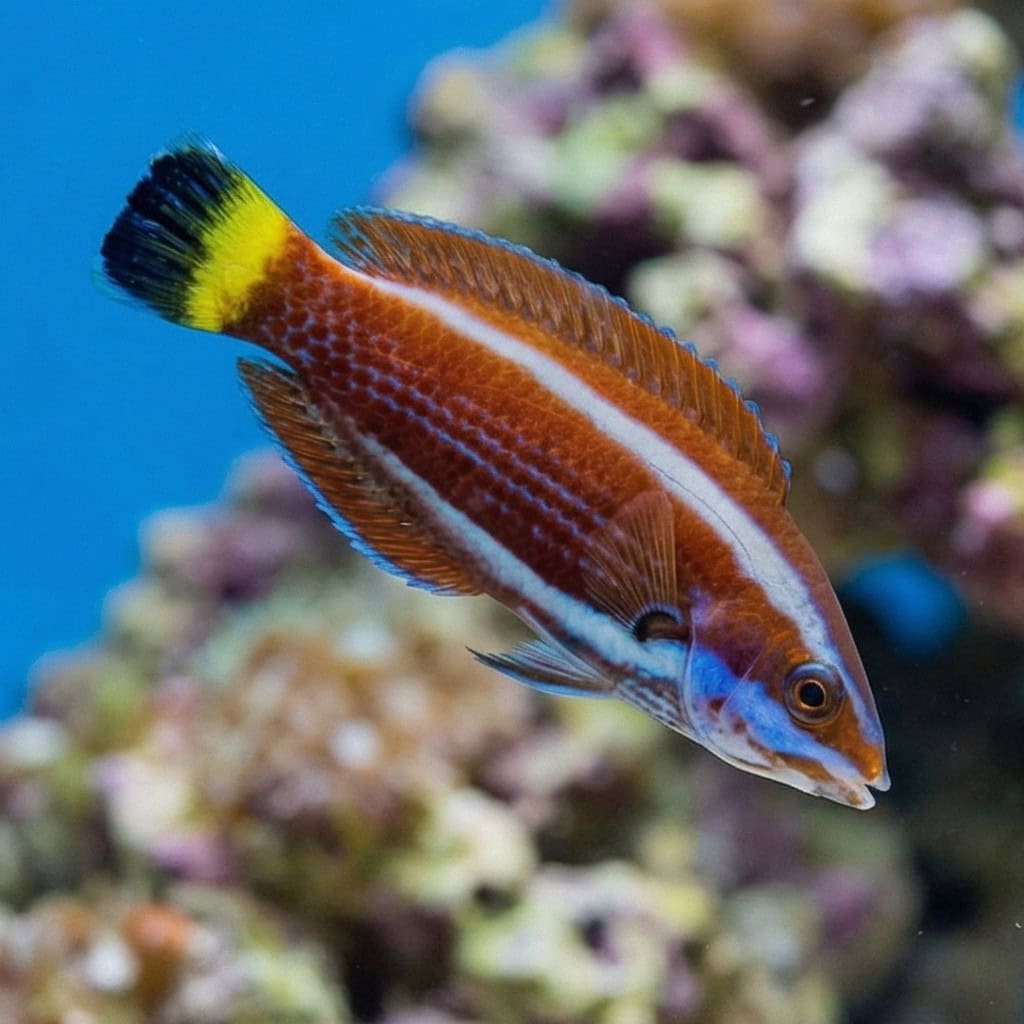
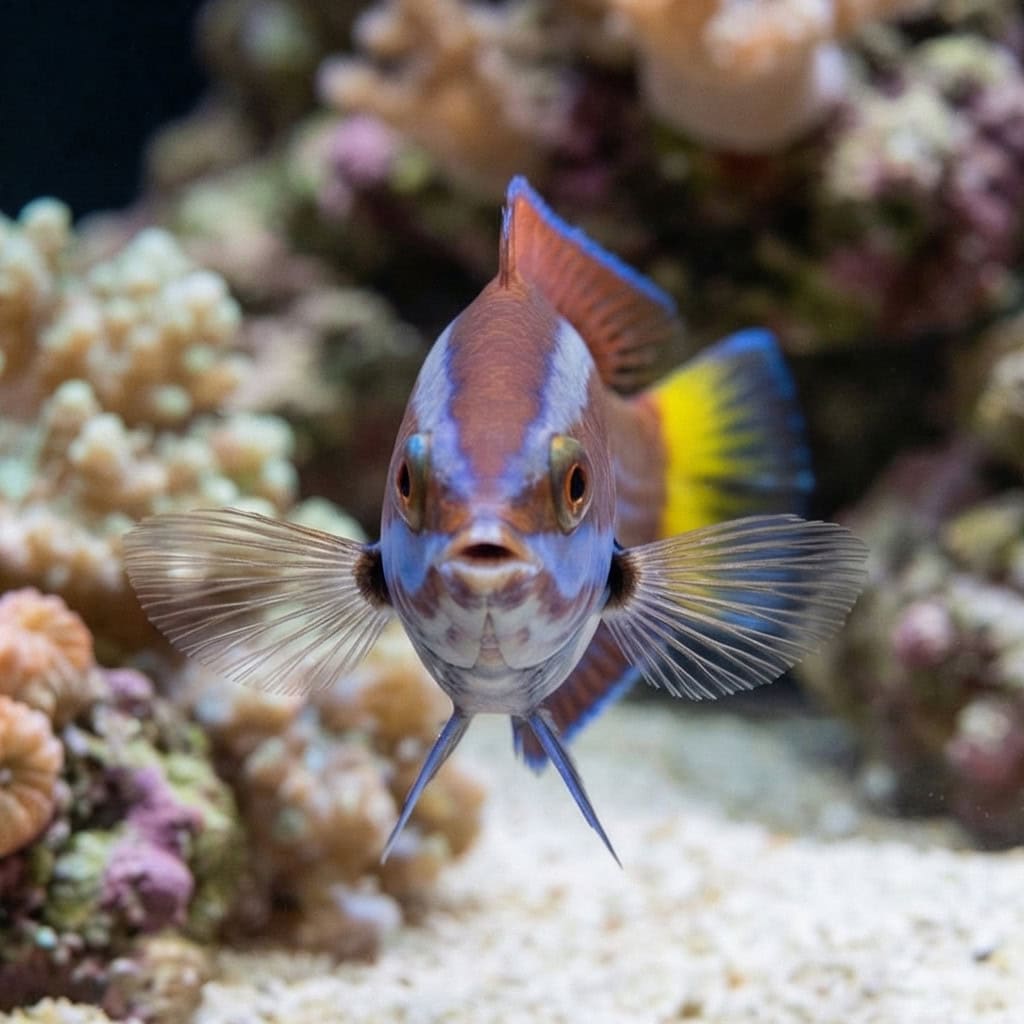
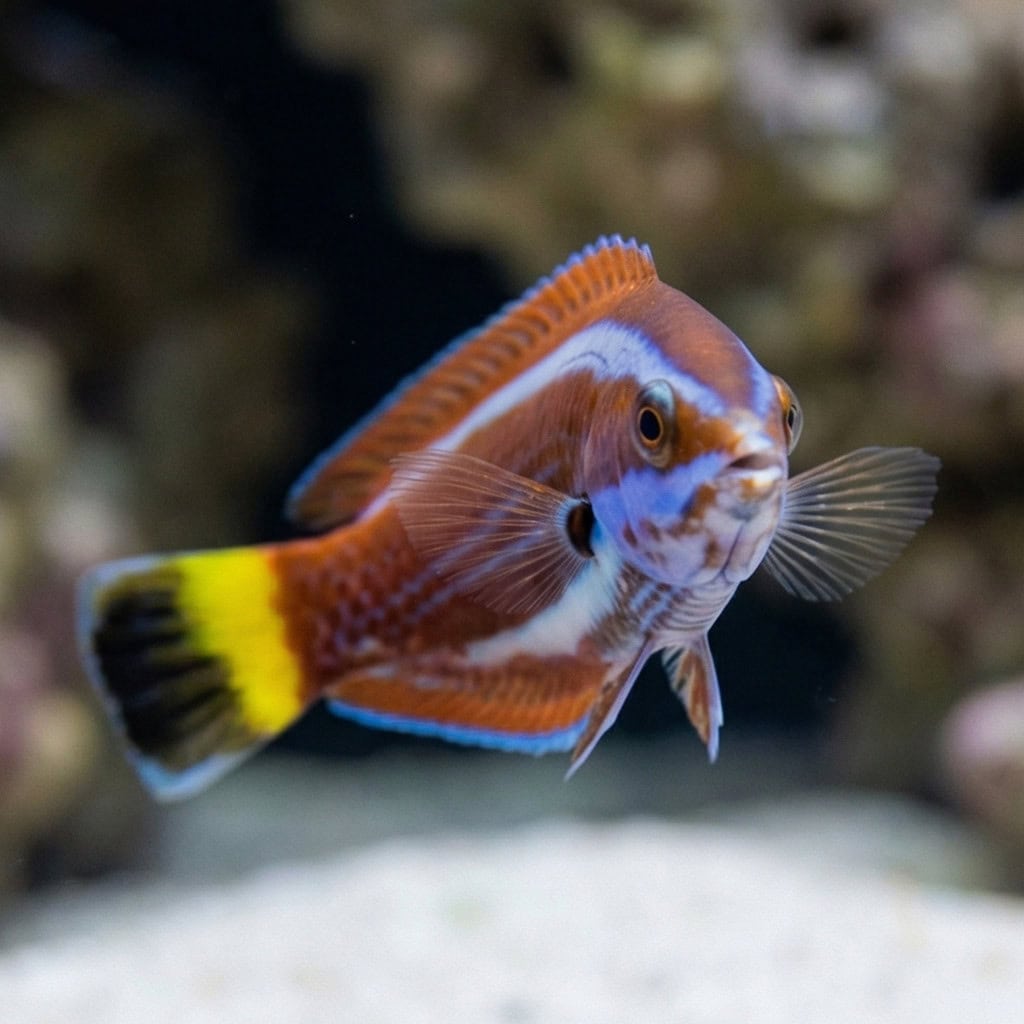
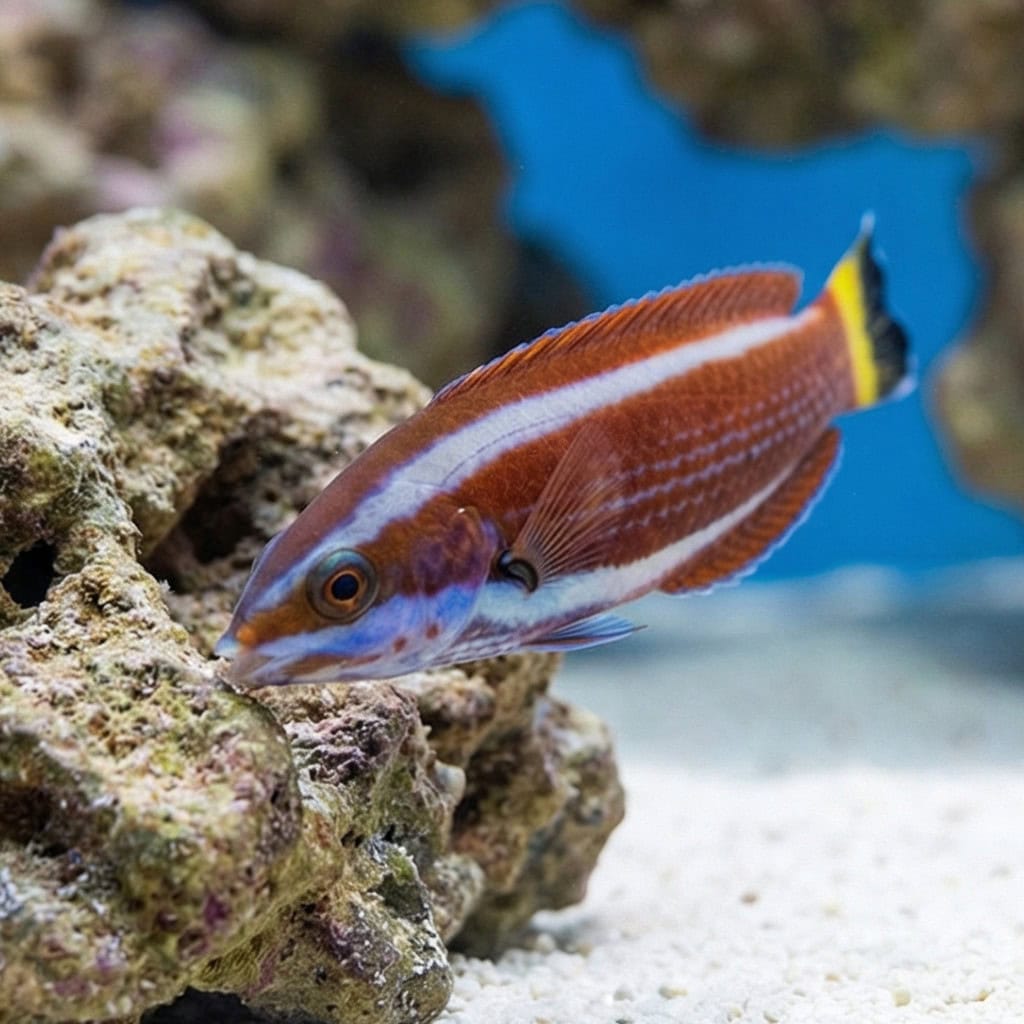
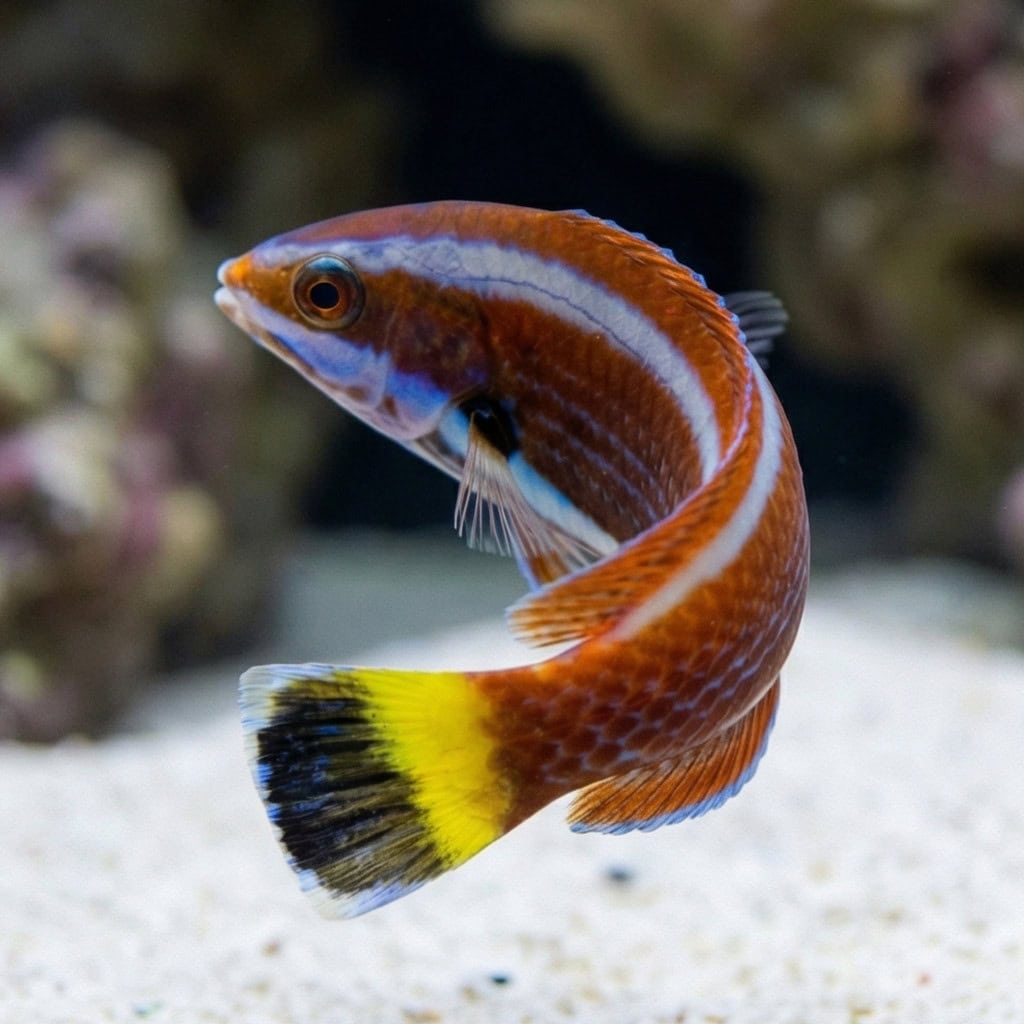
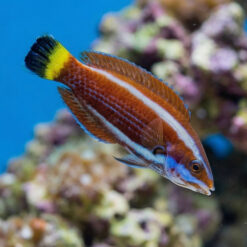
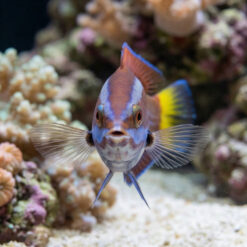
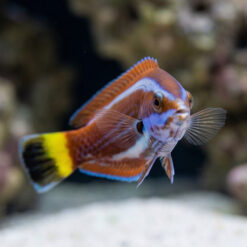
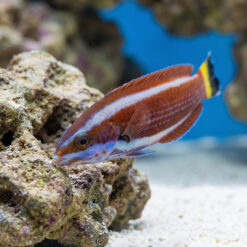
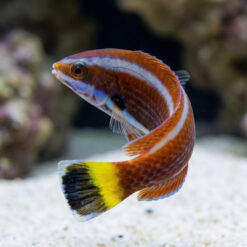
The Chiseltooth Wrasse is an active reef-tank wrasse that spends much of the day cruising rockwork and grazing on natural film and algae while also taking meaty foods. Adults are typically gray to reddish-brown with fine dark markings and a distinct tail pattern, and they come from the Indo-Pacific reef zone.
What You’ll Observe:
- Regular “patrol” laps along the rock line and open swim lanes, with frequent stops to peck at surfaces
- A settling-in period where it may stay tucked in rockwork before becoming a consistent, out-in-front swimmer
- Short bursts of speed and quick turns, especially around feeding time
- Use of caves/ledges as preferred “home bases,” especially when lights change
Provide a large, stable aquarium with open swimming room plus rockwork with caves and shaded pockets. Offer a mixed menu of meaty frozen foods along with algae-based options so it can graze naturally between meals. Keep a tight-fitting lid or mesh top so it can settle in with confidence.
Does this wrasse get mislabeled as a cleaner wrasse when it’s small?
Juveniles can resemble cleaner-type wrasses and may show similar “cleaner-like” behavior, so they sometimes show up at shops under the wrong name.
How long does it usually take to start swimming in the open?
Many keepers report a short hiding phase after introduction, followed by increasingly consistent open-water cruising once it learns the tank’s routine.
Will it sleep in the sand or in the rocks?
Some hobbyists group it with “sand-sleeping” wrasses, while others observe it choosing rock crevices—either way, it will pick a repeatable nighttime spot once established.
Why does it sometimes peck at one coral or one rock area repeatedly?
This is commonly described as targeted grazing—working a specific patch for film, tiny invertebrates, or leftover foods—rather than random biting.
What’s the smoothest way to add it to a tank with other wrasses already established?
An acclimation box period is frequently suggested so existing wrasses can see it without constant close contact during the first days.
Shipped with pure oxygen and temperature control so it arrives stress-free and ready to eat.
Recently viewed products