
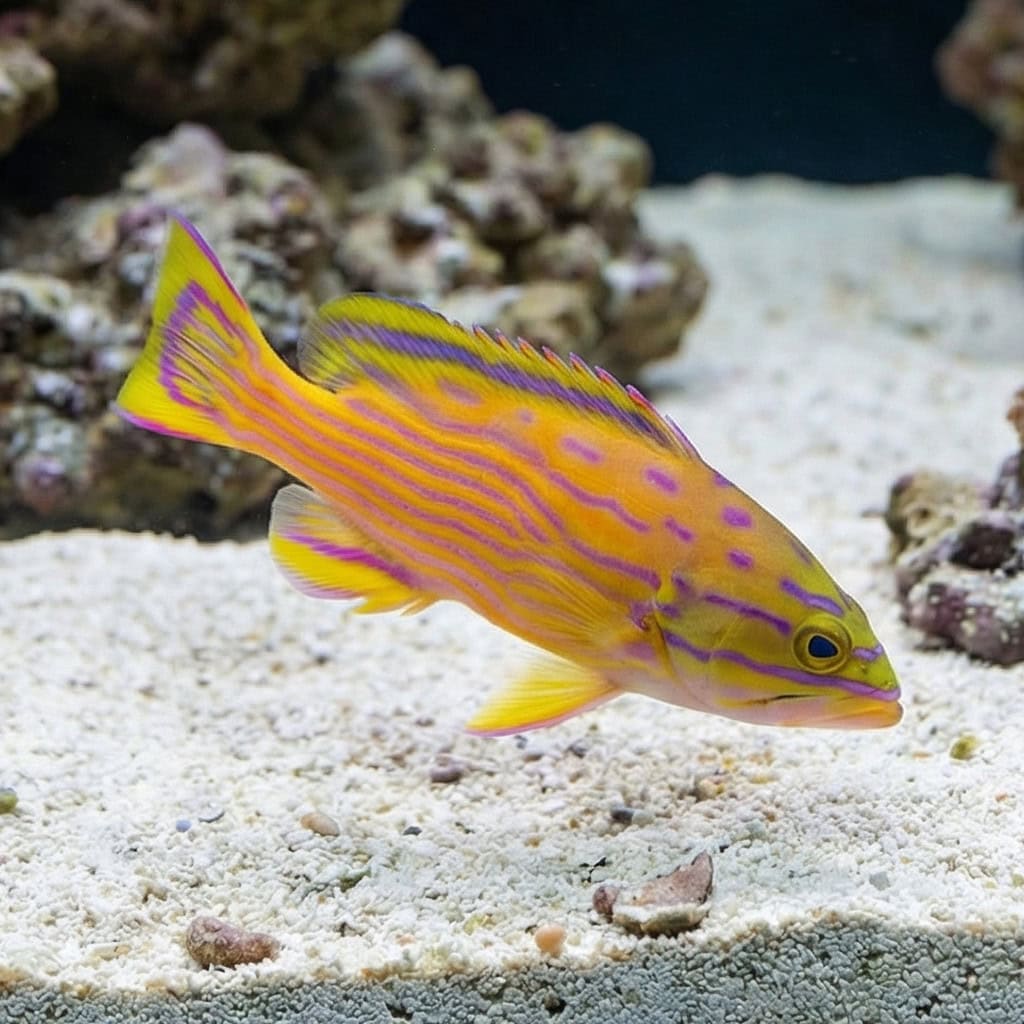
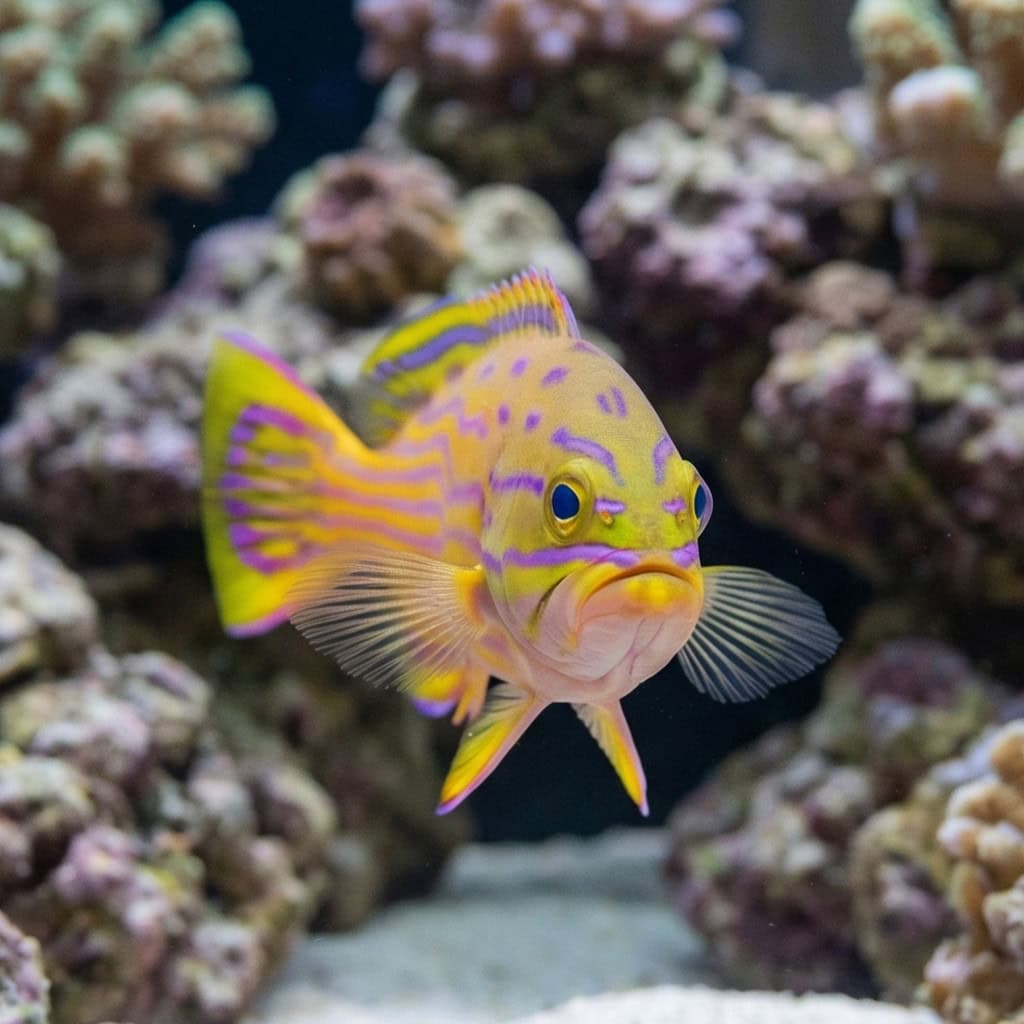
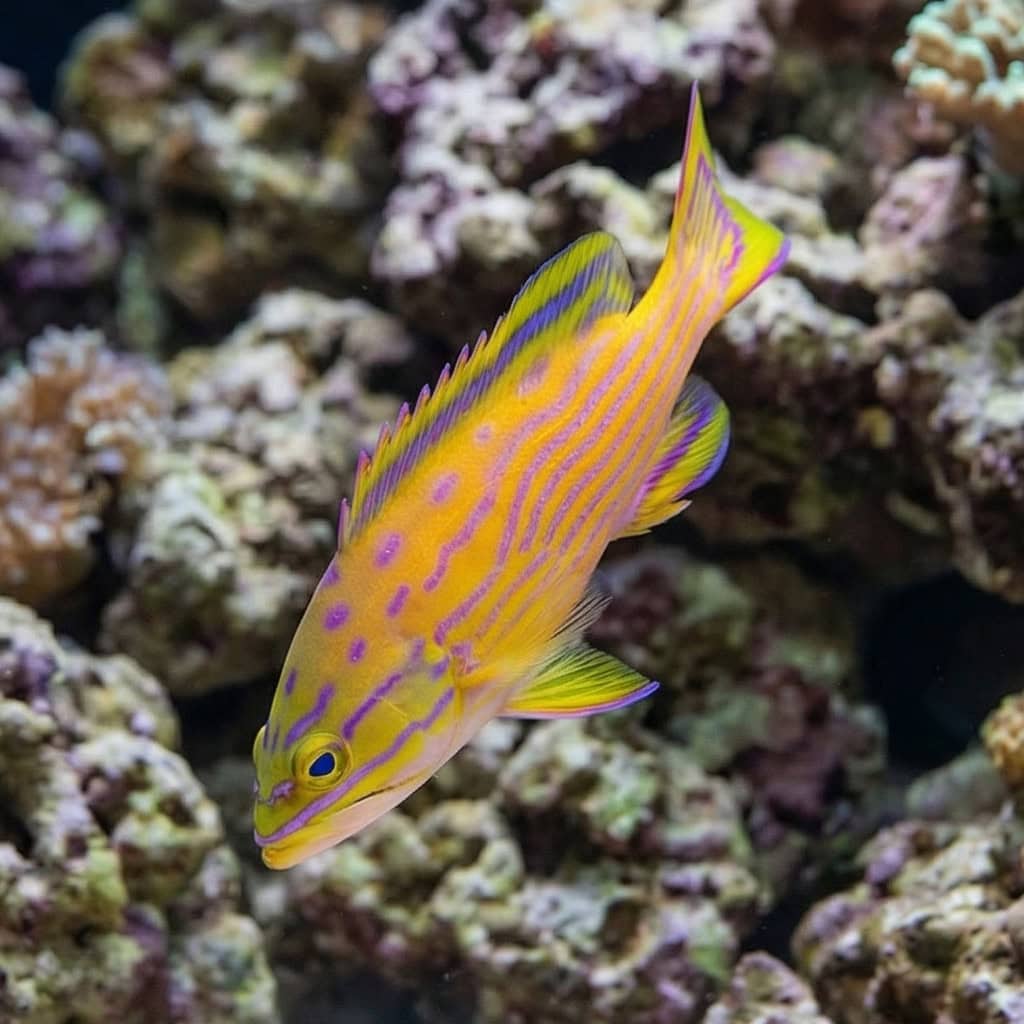
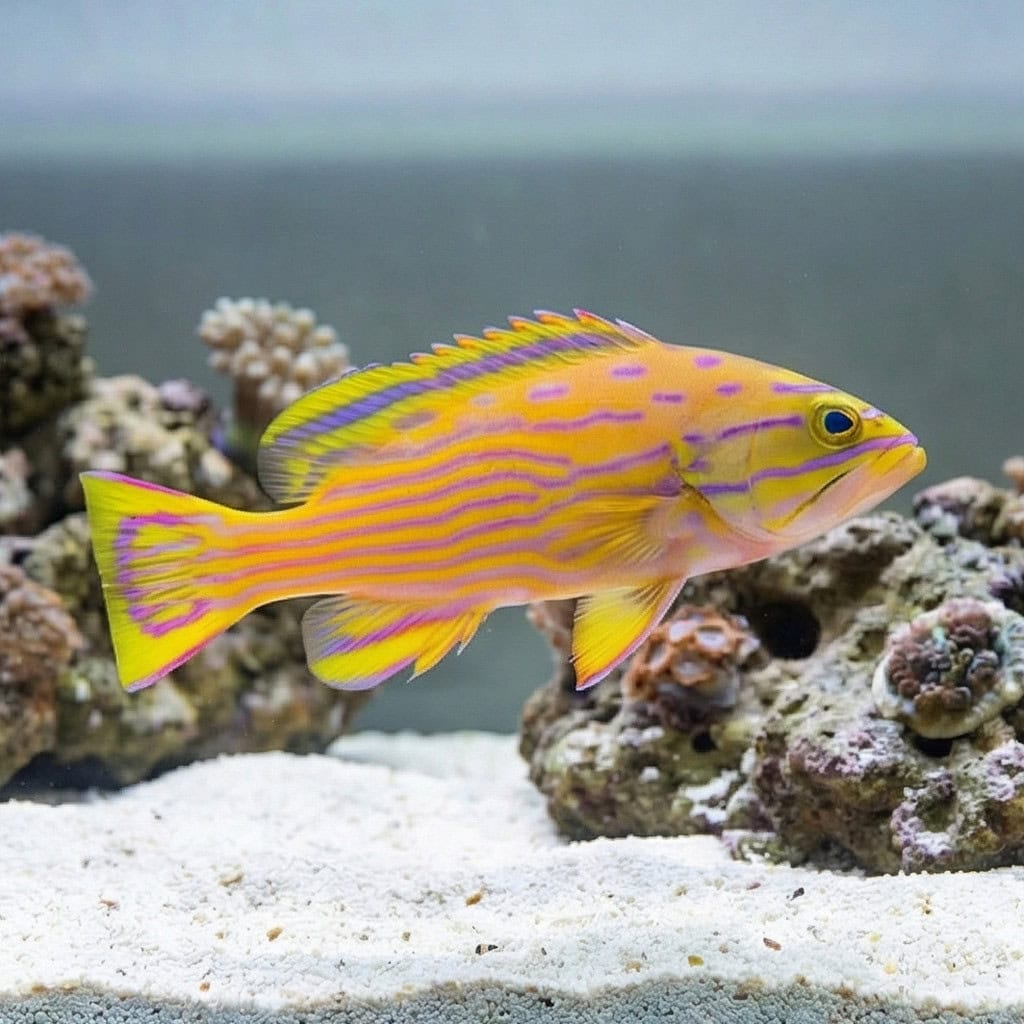
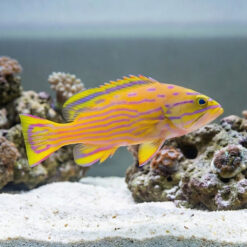
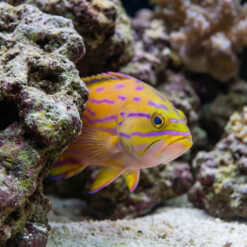
Polleni Grouper
Cephalopholis polleni
Price range: $309.99 through $386.99
| Stock | Variations | Price | Quantity | |
|---|---|---|---|---|
| Only 3 left | 4.5 - 5.5" - Indo-Pacific | Original price was: $736.99.$386.99Current price is: $386.99. |
-
+
|
|
| Out of Stock | 2.75 - 3.75" - Indo-Pacific | Original price was: $539.99.$283.99Current price is: $283.99. | Email me | |
| Only 2 left | 3.75 - 4.5" - Indo-Pacific | Original price was: $588.99.$309.99Current price is: $309.99. |
-
+
|
Every order ships with our standard 3-hour live arrival guarantee. Need more time? Add our 5-Day Guarantee at checkout.
Full guarantee terms →Ships Monday – Thursday for next-day arrival at your nearest FedEx Hold location — typically ready by 9 AM. We monitor every delivery.
Shipping details →
Monday – Friday 8 AM – 9 PM
Saturday 12 PM – 4 PM
Sunday 12 PM – 9 PM
Healthy, stable animals from vetted suppliers — inspected before packing, shipped overnight. Decades of experience built this model so we can deliver premium livestock at 30%+ less than you'd pay elsewhere.
| Care Level | Moderate |
|---|---|
| Temperament | Aggressive |
| Reef Safe | With Caution |
| Functional Benefit | Ornamental Only |
| Diet Type | Carnivore |
| Mininum Tank Size | 300 gallons+ |
| Max Size | 18 inches |
| Temperature | 72–78°F |
| pH Range | 8.1–8.4 |
| Specific Gravity | 1.022–1.025 |
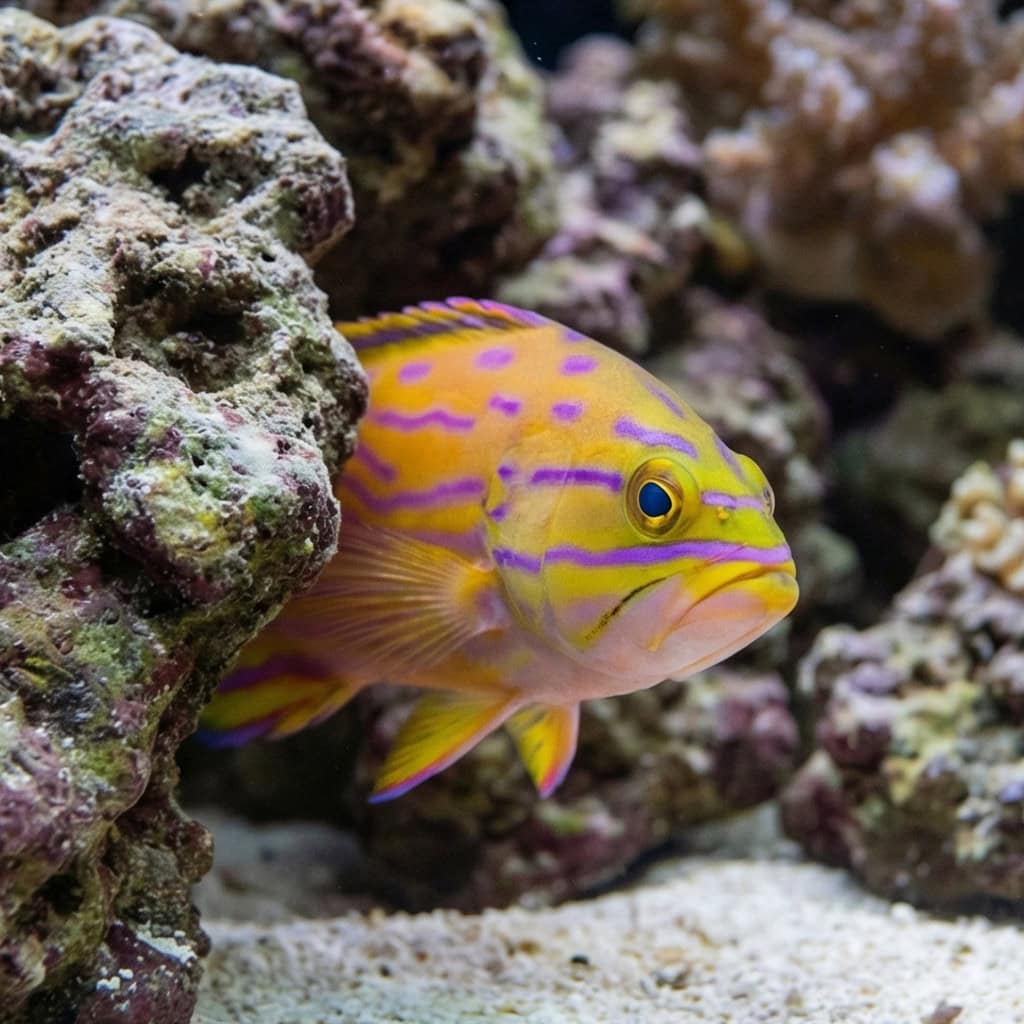
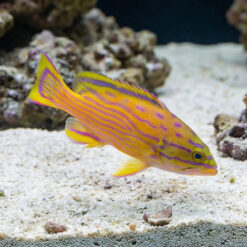
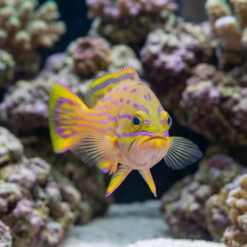
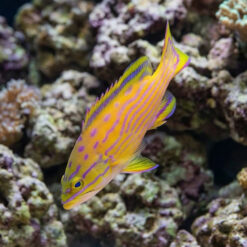
The Polleni Grouper (Cephalopholis polleni), also called the harlequin hind, is a reef-associated Indo-Pacific grouper with a yellow to greenish-yellow base color and narrow bright blue striping. It’s most often chosen for large predator or FOWLR-style displays where its pattern reads clearly against dark rockwork.
What You’ll Observe:
- Hovering near caves and overhangs as a “home base,” then making short patrol laps around the rockwork
- Using ledges and shaded areas frequently (including positioning under overhangs)
- A fast, direct feeding response—lunging out from cover when meaty foods hit the water
- Clear awareness of personal space around its preferred shelter, especially during feeding time
To succeed, provide a large aquarium with sturdy rockwork arranged into multiple caves/overhangs plus open area in front for cruising. Offer a varied carnivore menu (shrimp, clam, squid, and quality frozen or pellet foods) and feed in a way that lets tankmates eat comfortably. Many keepers house Polleni Groupers with other robust “predator tank” fish in systems built for heavier feeding and filtration.
How do I judge whether a tankmate is “too small”?
Most keepers think in terms of mouth size and body shape, not just length—slender fish close to the grouper’s size are often viewed as higher-risk than thicker-bodied fish.
Does it usually pick one cave and stay there?
Many hobbyists describe a consistent “favorite cave” behavior; building several comparable caves helps spread out traffic and makes the fish easier to observe.
Can it be kept in mixed predator systems with eels, rays, or sharks?
It’s commonly discussed in predator community stocking lists; the best outcomes usually come from giving each animal its own shelter zones and predictable feeding locations.
Will it still go after invertebrates in a predator/FOWLR setup?
In predator tanks, keepers often assume mobile crustaceans may be targeted, while larger shelled inverts sometimes last longer depending on the rest of the livestock and feeding routine.
Why does it “charge” food from the rockwork?
Groupers quickly learn the feeding schedule and tend to launch from cover; using a feeding stick/target area keeps feeding more controlled and repeatable.
Shipped with pure oxygen and temperature control so it arrives stress-free and ready to eat.
Recently viewed products