
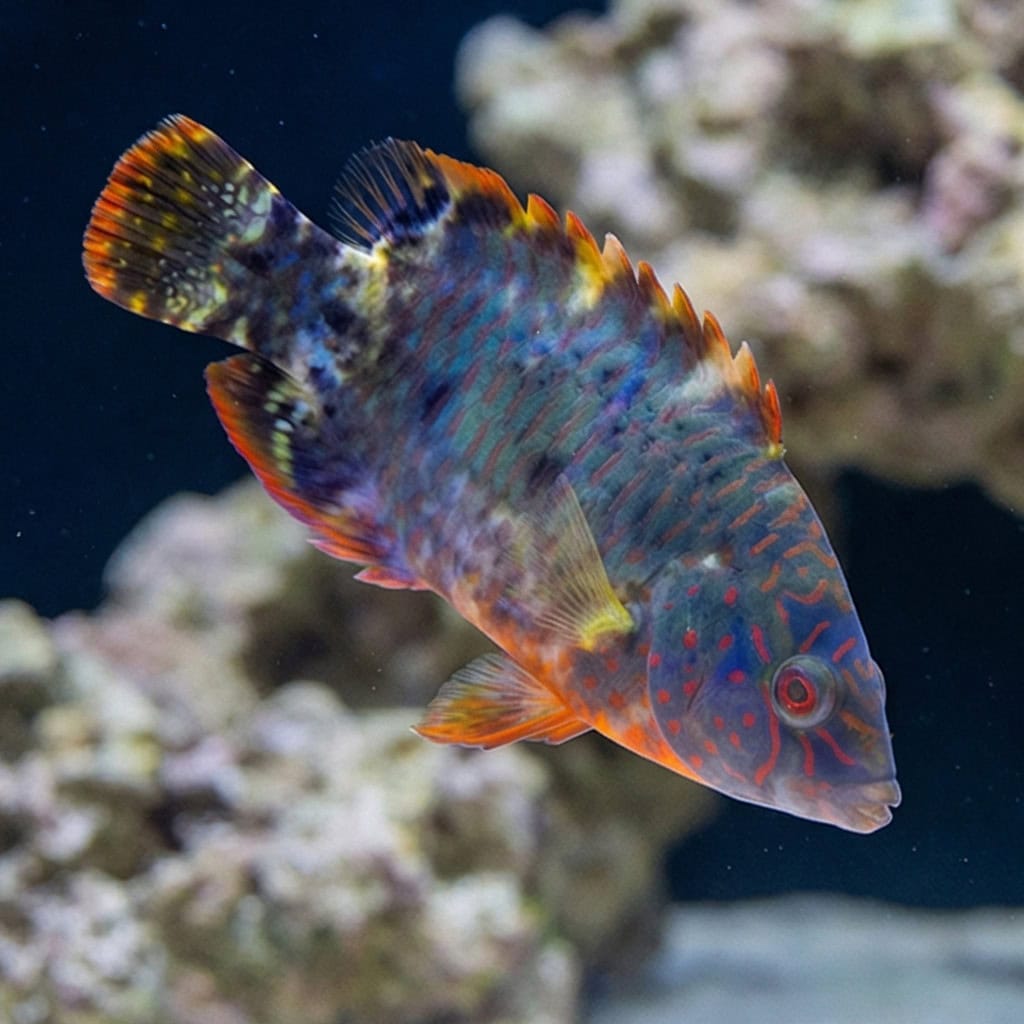
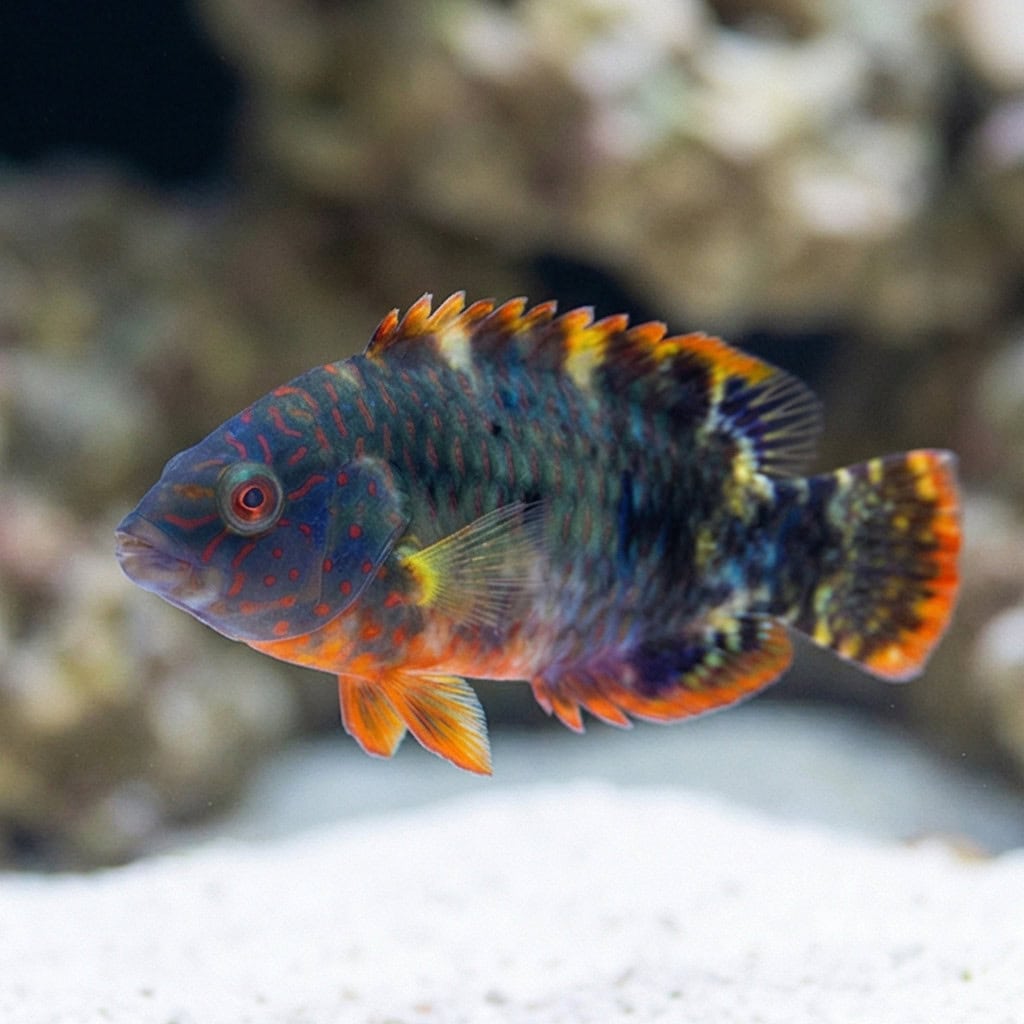
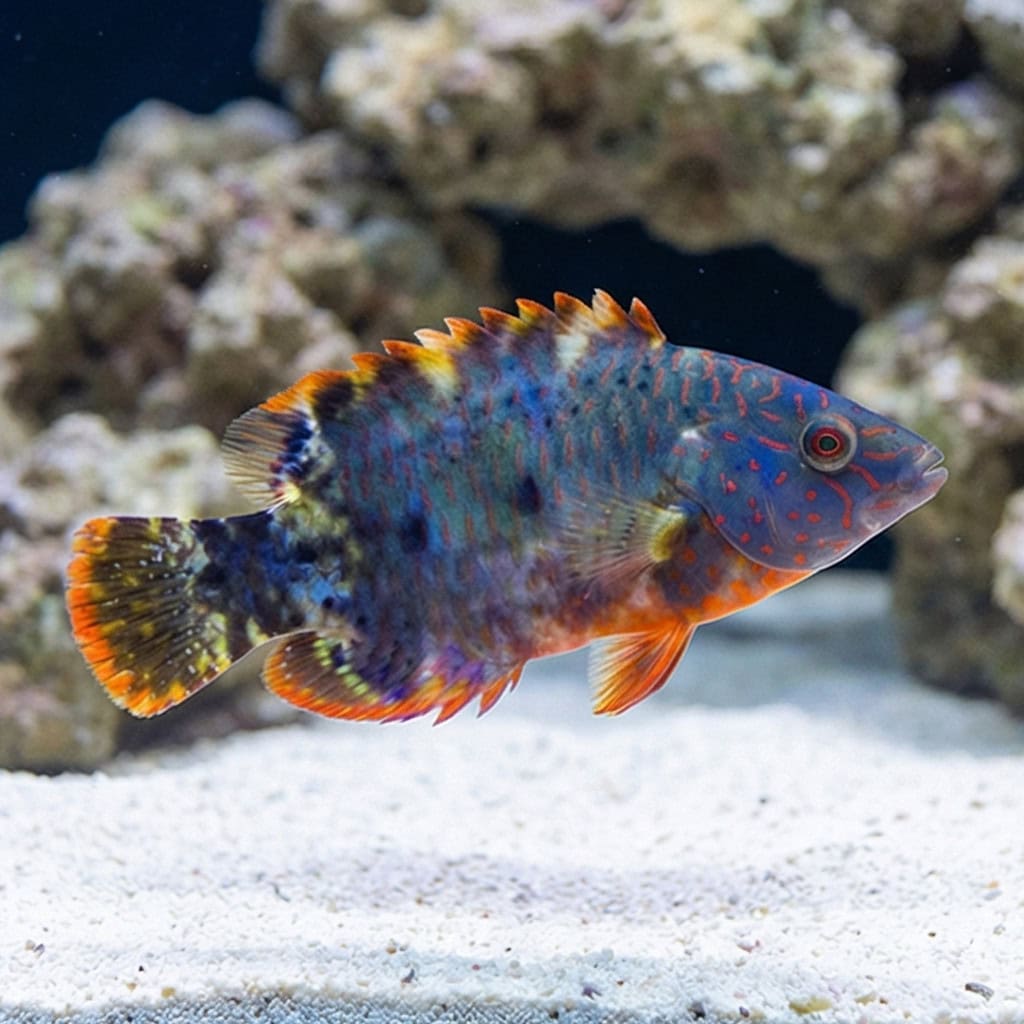
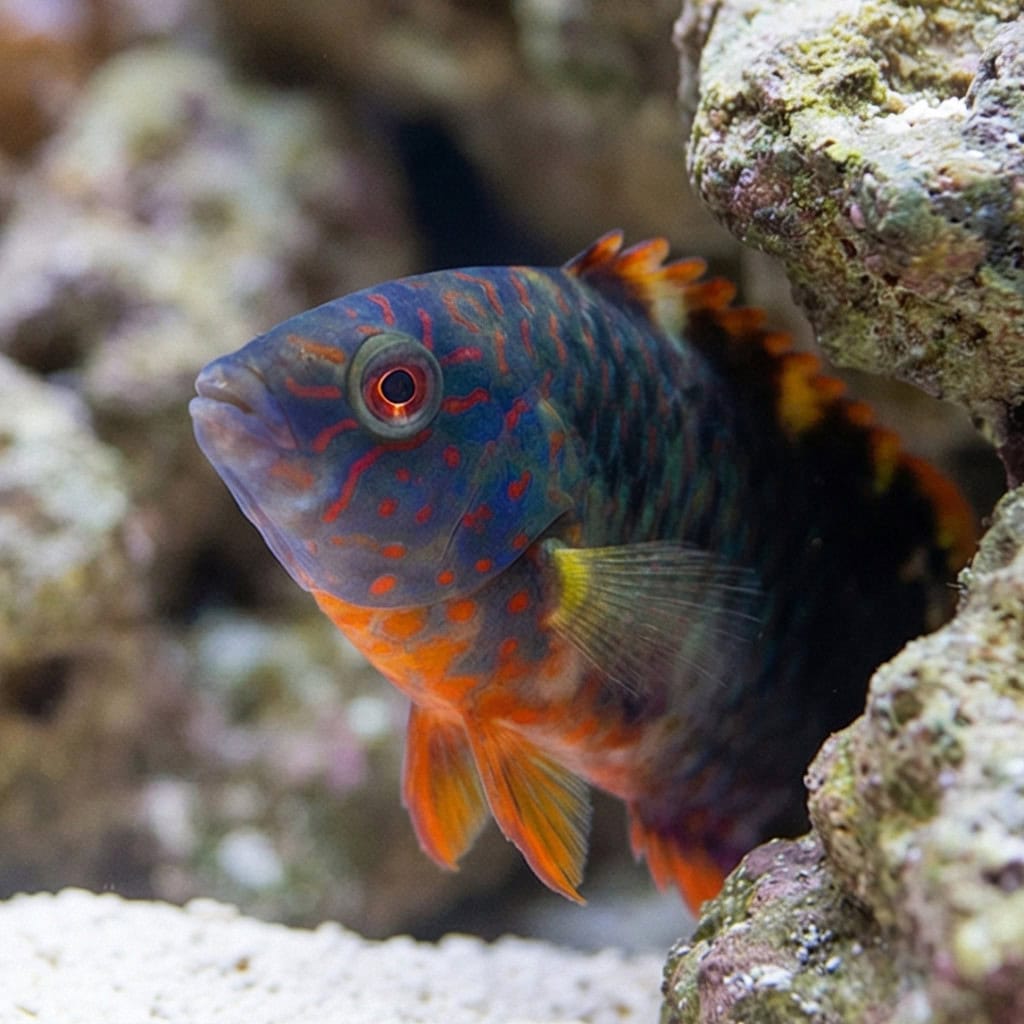
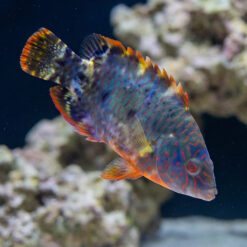
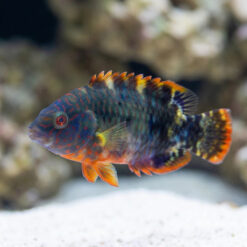
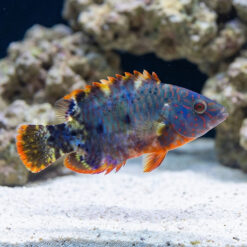
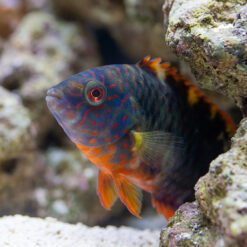
Tripletail Maori Wrasse
Cheilinus trilobatus
| Stock | Variations | Price | Quantity |
|---|
Every order ships with our standard 3-hour live arrival guarantee. Need more time? Add our 5-Day Guarantee at checkout.
Full guarantee terms →Ships Monday – Thursday for next-day arrival at your nearest FedEx Hold location — typically ready by 9 AM. We monitor every delivery.
Shipping details →
Monday – Friday 8 AM – 9 PM
Saturday 12 PM – 4 PM
Sunday 12 PM – 9 PM
Healthy, stable animals from vetted suppliers — inspected before packing, shipped overnight. Decades of experience built this model so we can deliver premium livestock at 30%+ less than you'd pay elsewhere.
| Care Level | Moderate |
|---|---|
| Temperament | Aggressive |
| Reef Safe | No |
| Functional Benefit | Ornamental Only |
| Diet Type | Carnivore |
| Mininum Tank Size | 250 gallons |
| Max Size | 18 inches |
| Temperature | 72–78°F |
| pH Range | 8.1–8.4 |
| Specific Gravity | 1.022–1.025 |
The Tripletail Maori Wrasse (Cheilinus trilobatus) is a large Indo-Pacific wrasse with a tri-lobed tail and a green-to-brown body marked with purple and red patterning. It naturally inhabits lagoons and seaward reefs, and adults can reach substantial size in captivity.
What You’ll Observe:
- Steady cruising between rockwork and open water, especially at feeding time
- Inspecting the aquascape closely and choosing a consistent “home” area
- Bold, deliberate feeding—taking larger bites from meaty foods
Provide a spacious aquarium with secure rockwork, open swimming lanes, and a tight-fitting cover. Offer meaty frozen foods and high-quality pellets on a predictable routine so it settles in and feeds confidently.
Does its color/pattern change as it grows?
Adults often darken and the tail lobes become more defined over time.
Why does it “park” in one spot at night?
Many large wrasses pick a regular crevice to rest in after lights-out.
How do I transition it onto prepared foods?
Start with frozen meaty items, then mix in pellets consistently.
Will it learn who feeds it?
Keepers often report this wrasse becomes very people-aware at the glass.
Do I really need a lid if the tank is big?
A snug cover helps during acclimation and active feeding periods.
Shipped with pure oxygen and temperature control so it arrives stress-free and ready to eat.
Recently viewed products