Maculosus Angelfish
Pomacanthus maculosus
| Stock | Variations | Price | Quantity | |
|---|---|---|---|---|
| Out of Stock | 3.75 - 4.5" - Adult - Africa | Original price was: $883.99.$463.99Current price is: $463.99. | Email me |
Every order ships with our standard 3-hour live arrival guarantee. Need more time? Add our 5-Day Guarantee at checkout.
Full guarantee terms →Ships Monday – Thursday for next-day arrival at your nearest FedEx Hold location — typically ready by 9 AM. We monitor every delivery.
Shipping details →
Monday – Friday 8 AM – 9 PM
Saturday 12 PM – 4 PM
Sunday 12 PM – 9 PM
Healthy, stable animals from vetted suppliers — inspected before packing, shipped overnight. Decades of experience built this model so we can deliver premium livestock at 30%+ less than you'd pay elsewhere.
| Care Level | Moderate |
|---|---|
| Temperament | Semi-Aggressive |
| Reef Safe | With Caution |
| Functional Benefit | Ornamental Only |
| Diet Type | Omnivore |
| Mininum Tank Size | 300 gallons+ |
| Max Size | 18 inches |
| Temperature | 72–78°F |
| pH Range | 8.1–8.4 |
| Specific Gravity | 1.022–1.025 |
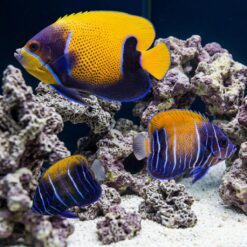
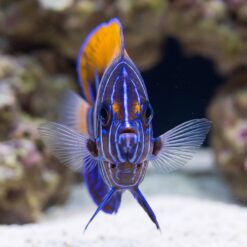
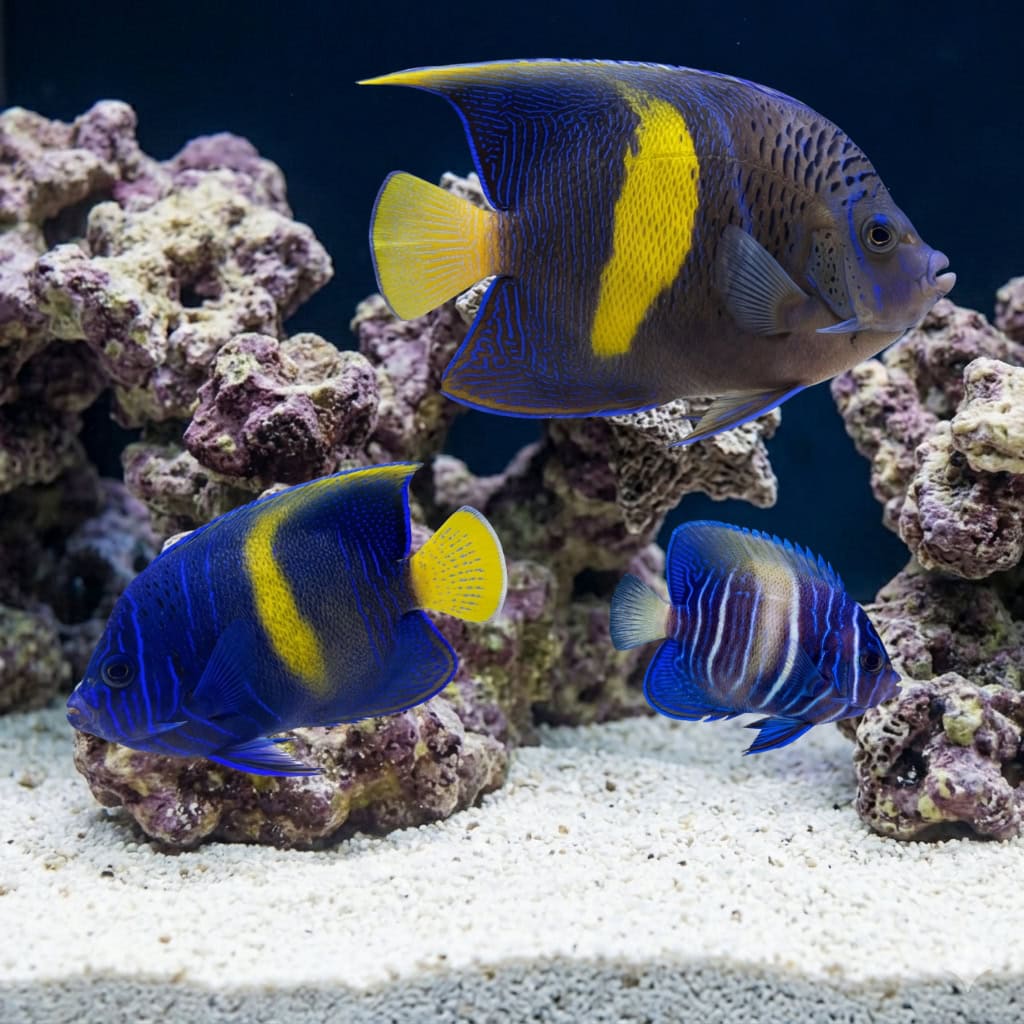
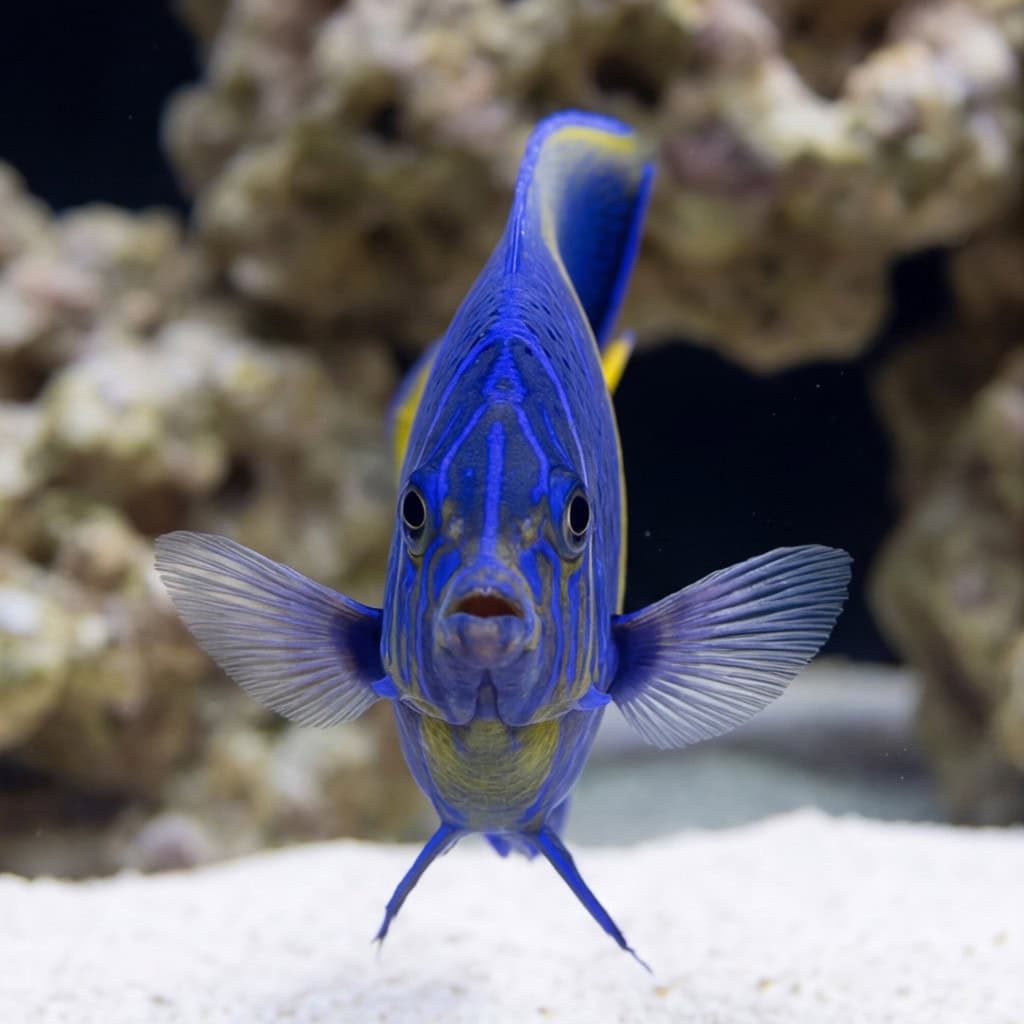
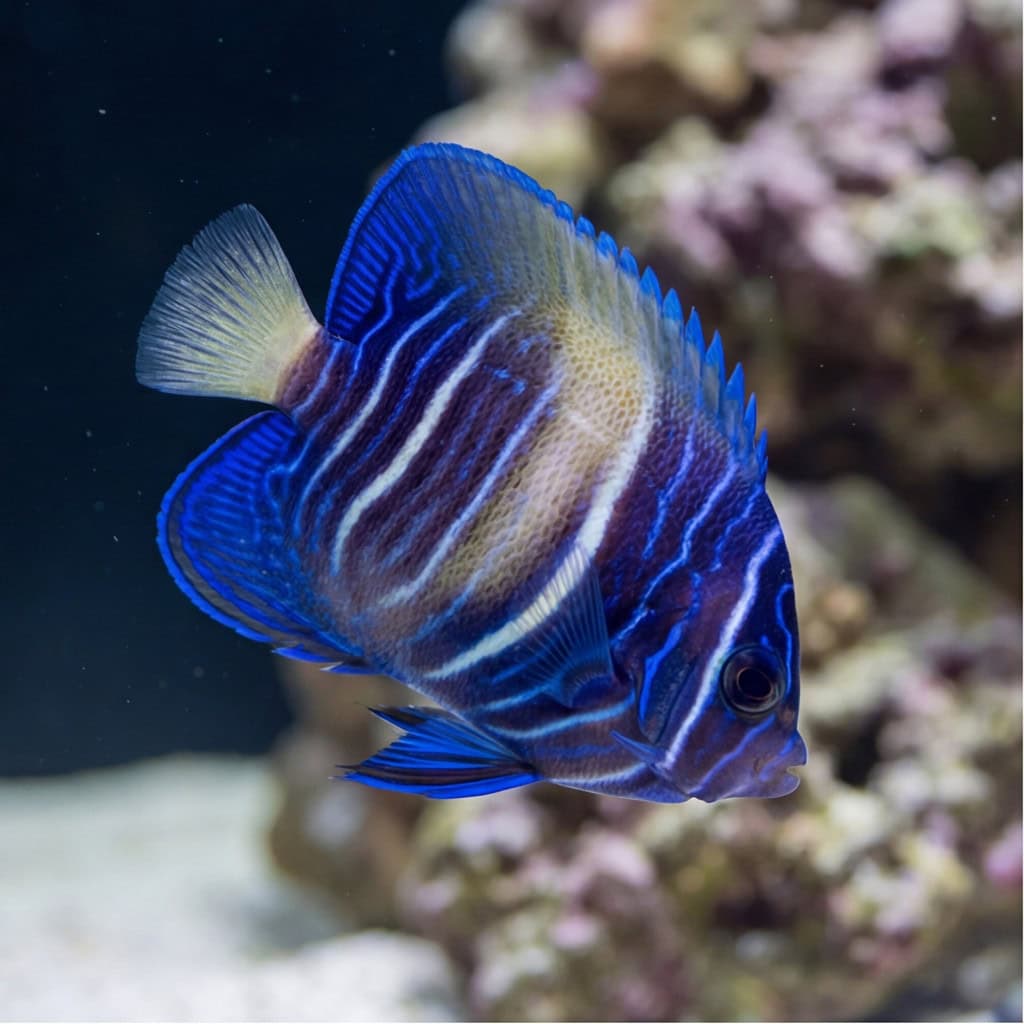
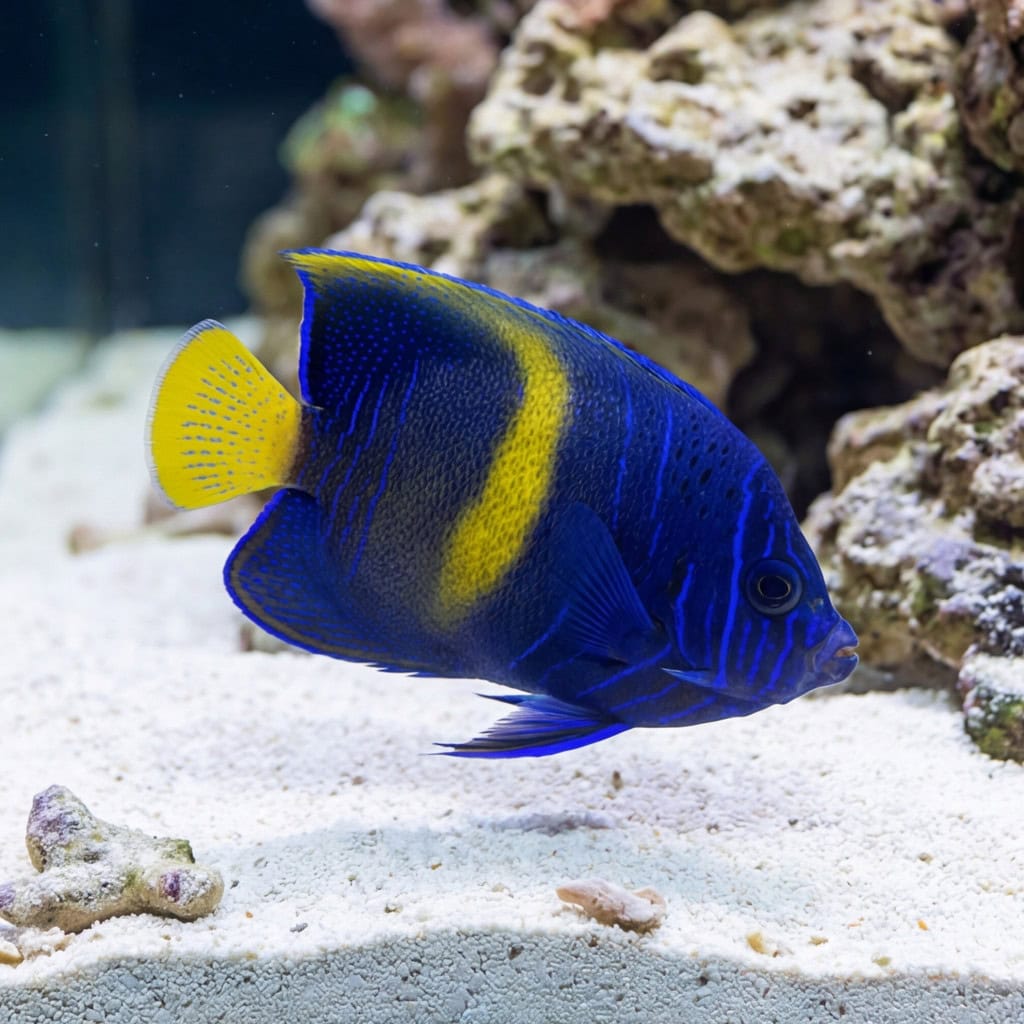
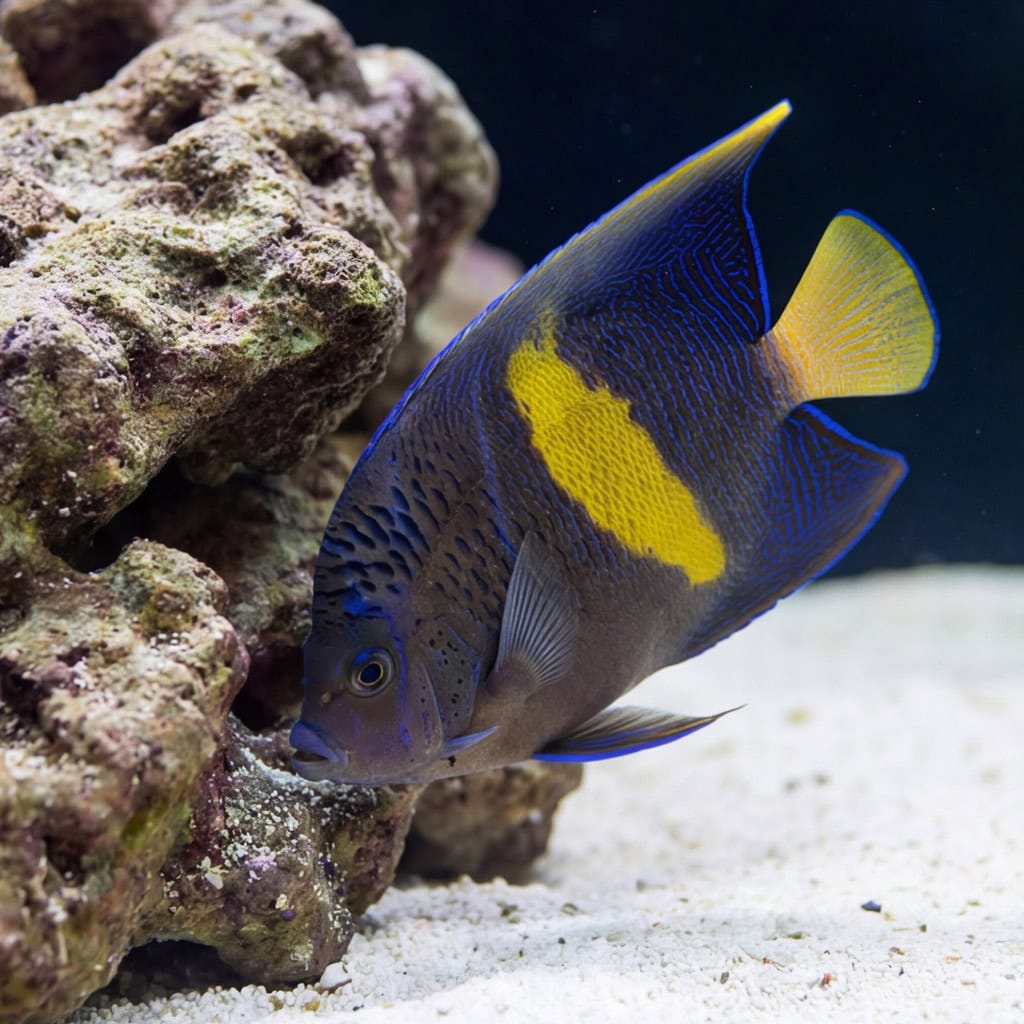
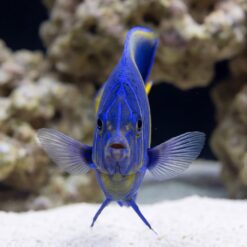
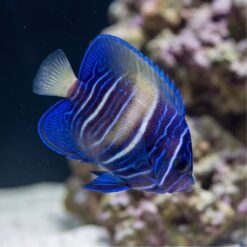
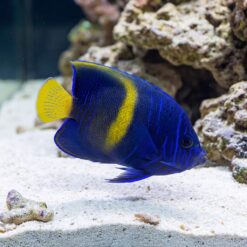
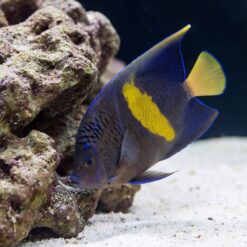
The Maculosus Angelfish (Pomacanthus maculosus), also called the Yellowbar or Map Angelfish, is a large Pomacanthus from the Red Sea and Persian Gulf region. Adults show a deep blue body with a wide yellow side patch and fine “map-like” markings, and can reach about 18 inches in length.
What You’ll Observe:
- Patrols the rockwork in steady laps, then pauses to graze and pick at the surface
- Uses caves and overhangs as “checkpoints,” returning to the same areas throughout the day
- Learns your feeding routine and becomes an active, responsive display fish at the front glass
- Shows its strongest patterning and contrast when it has room to move and a consistent light cycle
To do well long-term, provide a very large, established aquarium with sturdy rockwork, multiple shelter options, and clear swimming lanes. Offer a varied menu that includes marine algae plus angelfish-focused preparations (often with sponge content) alongside meaty frozen foods. In community setups, it does best when tankmates are confident, similarly sized fish that don’t constantly crowd its favorite grazing areas.
How can I tell a Maculosus Angelfish from a similar Asfur Angelfish once they’re older?
Maculosus typically shows a clear tail and a smaller yellow body patch, while Asfur is more often described with a yellow tail and a larger yellow swath.
Why does it “pick” at rock all day even when I’m feeding prepared foods?
This is normal grazing behavior—many keepers see them sample surfaces throughout the day and then take larger meals during scheduled feedings.
Will it keep the same pattern, or does the look change as it grows?
Expect gradual changes as it moves from juvenile to adult coloration; the transition is usually progressive rather than happening all at once.
Does it need to be the “last fish added,” or can it be added later?
Many hobbyists have the easiest time when the tank’s social layout is already stable, then the angelfish is introduced and given time to claim a few preferred routes and shelter spots.
What foods are most useful for getting a new specimen eating confidently?
A mix of familiar frozen foods plus angelfish formulas (including sponge-based options) is commonly used, and offering a few different textures helps it settle into a routine.
Shipped with pure oxygen and temperature control so it arrives stress-free and ready to eat.
Recently viewed products