
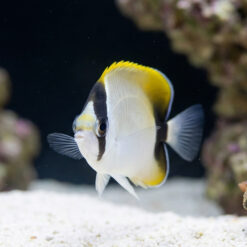
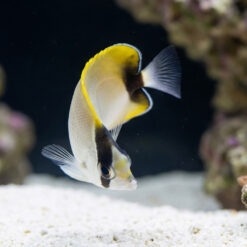
Reef Butterfly
Chaetodon sedentarius
| Stock | Variations | Price | Quantity |
|---|
Every order ships with our standard 3-hour live arrival guarantee. Need more time? Add our 5-Day Guarantee at checkout.
Full guarantee terms →Ships Monday – Thursday for next-day arrival at your nearest FedEx Hold location — typically ready by 9 AM. We monitor every delivery.
Shipping details →
Monday – Friday 8 AM – 9 PM
Saturday 12 PM – 4 PM
Sunday 12 PM – 9 PM
Healthy, stable animals from vetted suppliers — inspected before packing, shipped overnight. Decades of experience built this model so we can deliver premium livestock at 30%+ less than you'd pay elsewhere.
| Care Level | Moderate |
|---|---|
| Temperament | Peaceful |
| Reef Safe | No |
| Functional Benefit | Ornamental Only |
| Diet Type | Carnivore |
| Mininum Tank Size | 55 gallons |
| Max Size | 6 inches |
| Temperature | 72–78°F |
| pH Range | 8.1–8.4 |
| Specific Gravity | 1.022–1.025 |
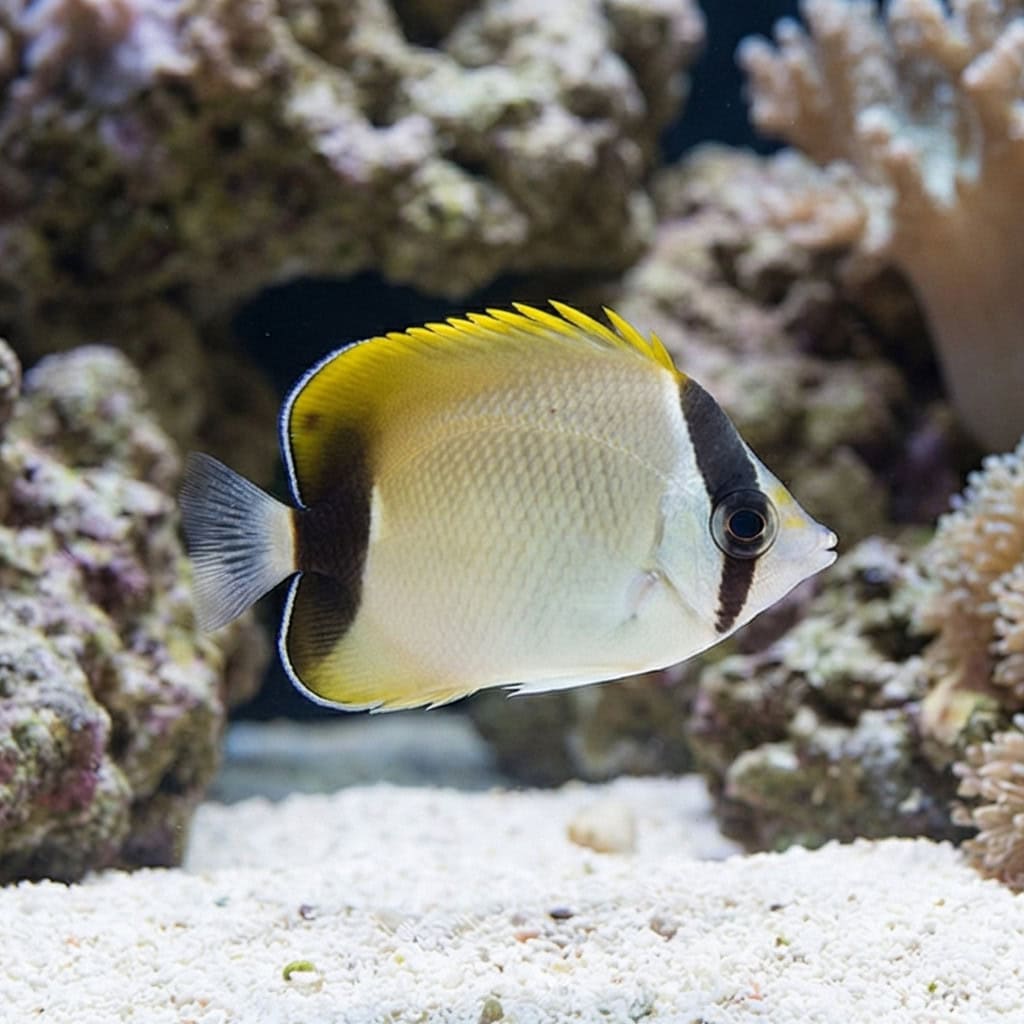
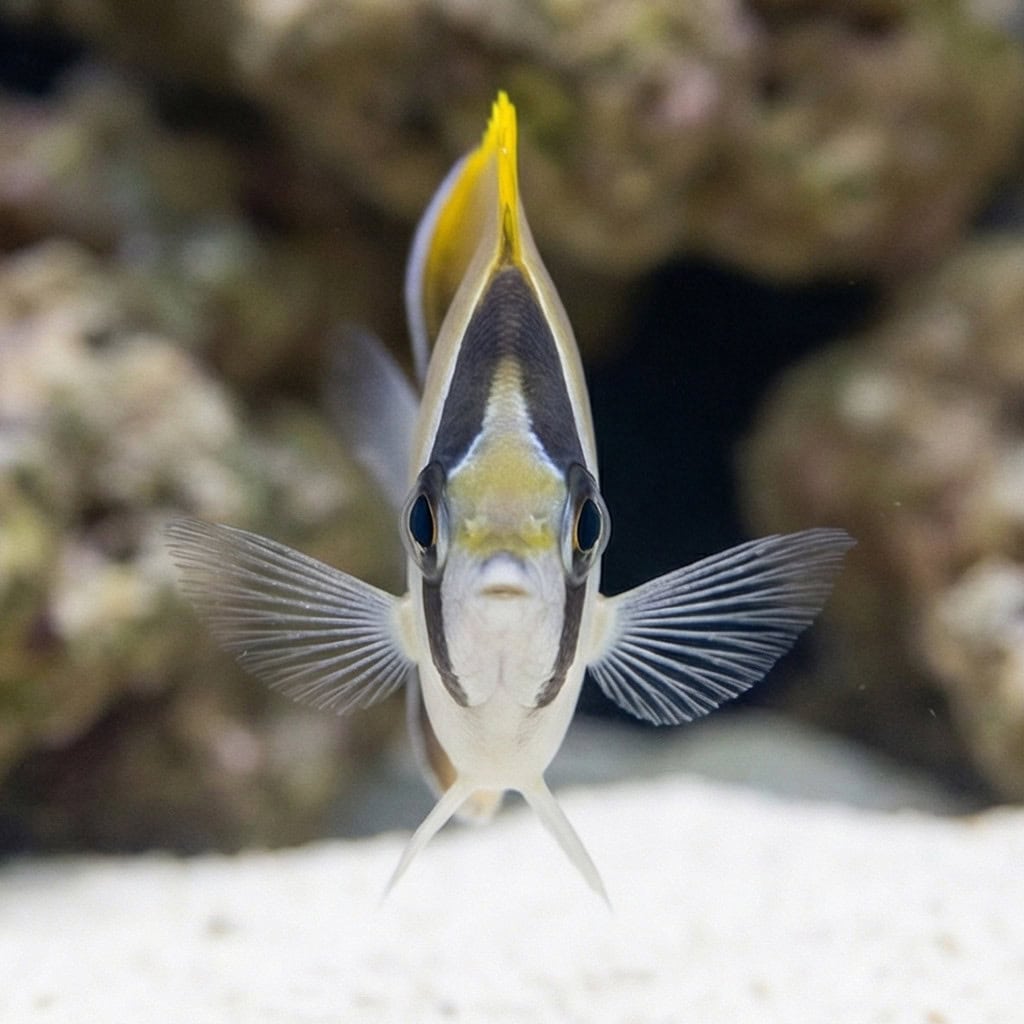
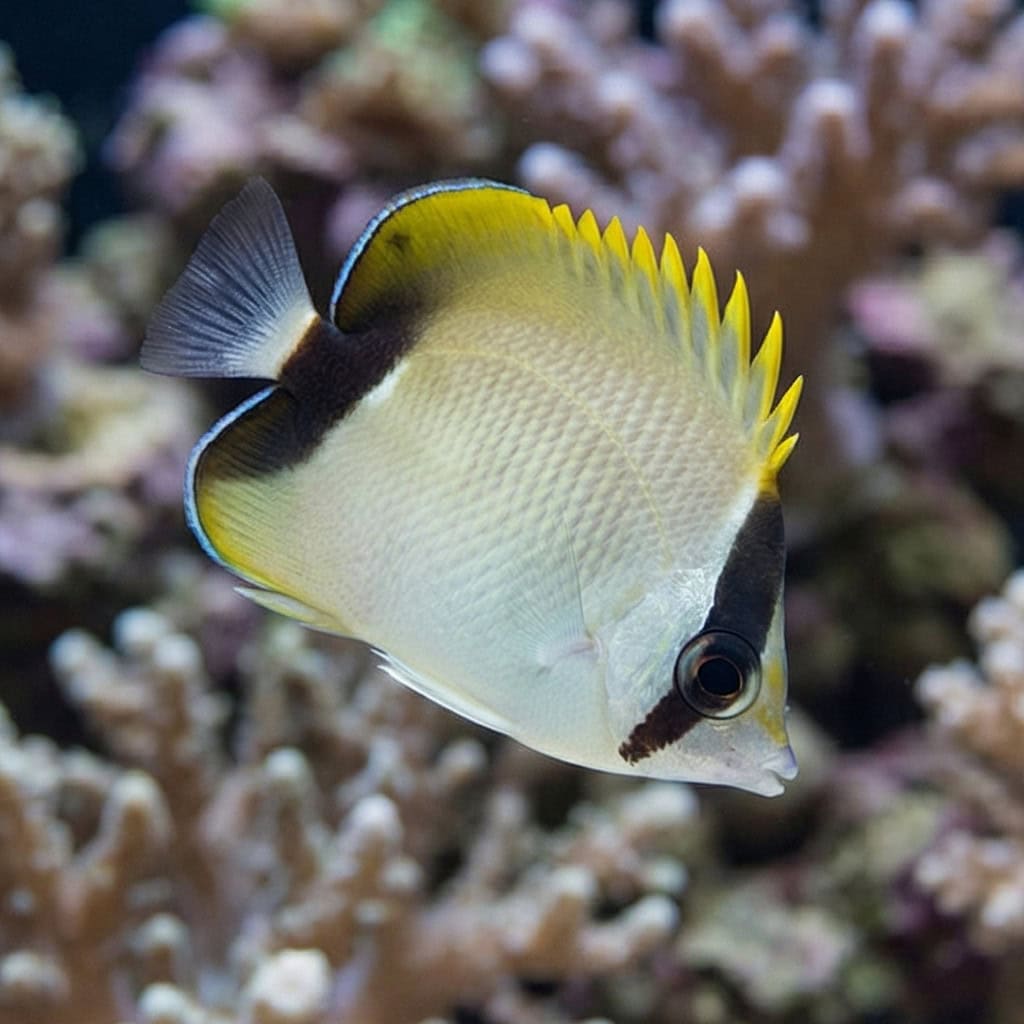
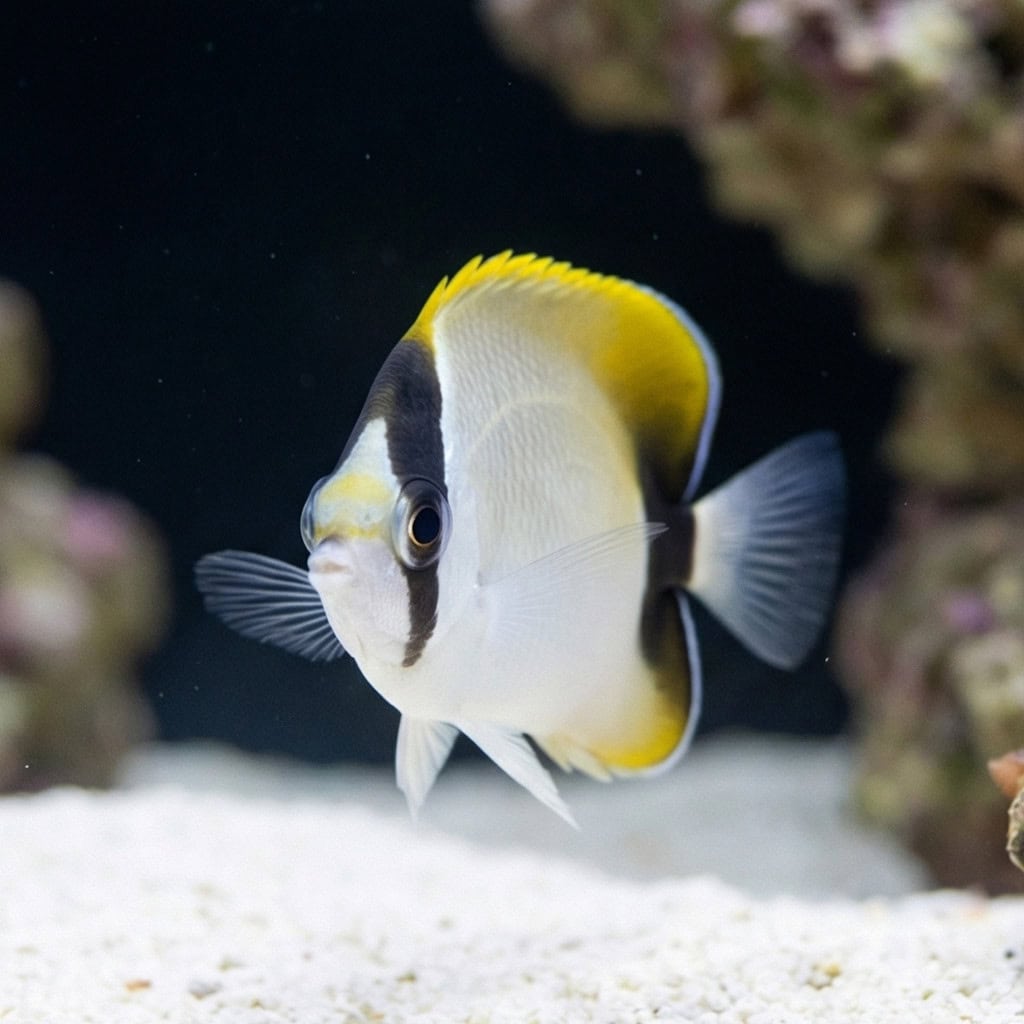
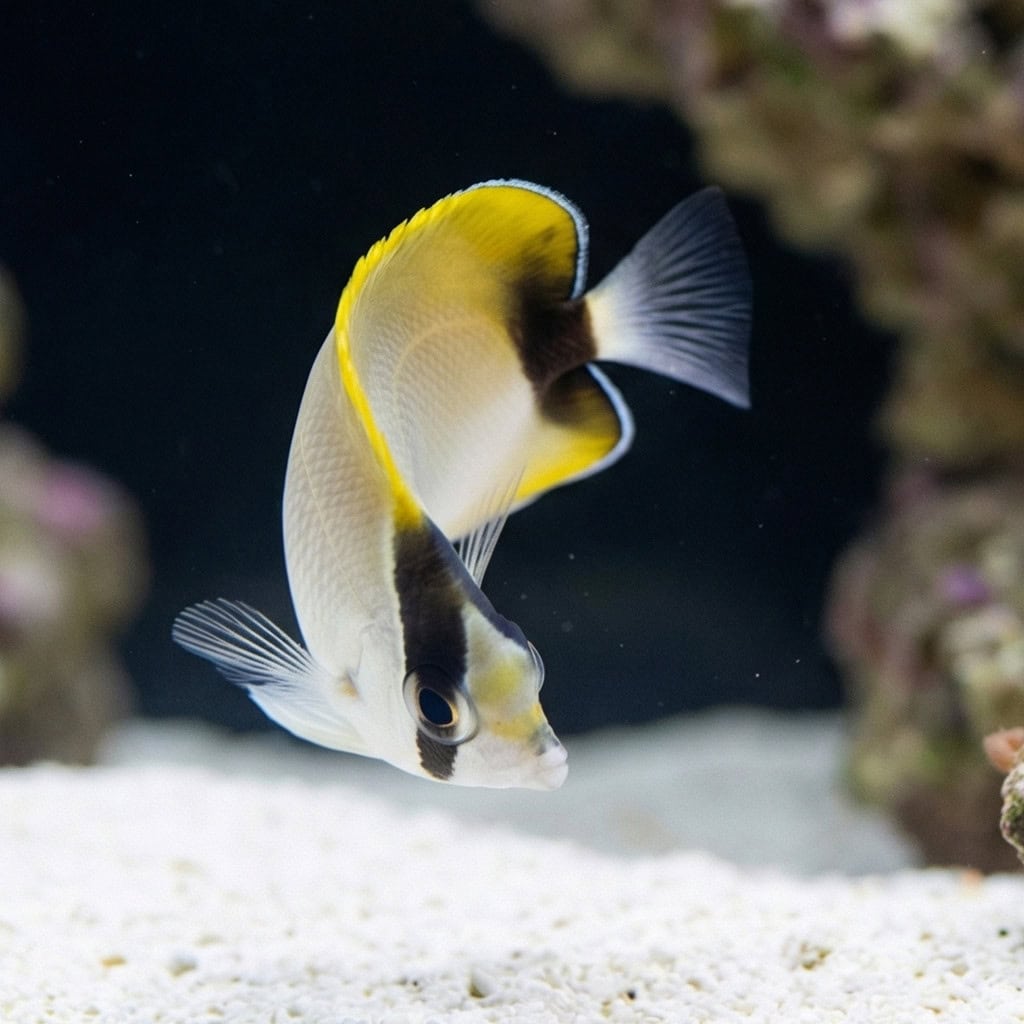
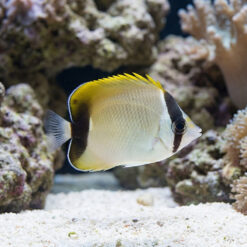
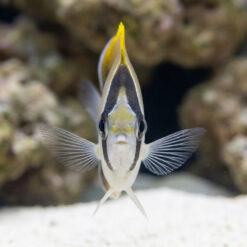
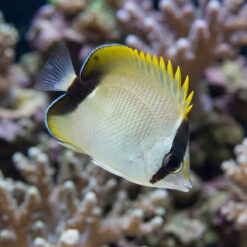
The Reef Butterflyfish (Chaetodon sedentarius), also called the Atlantic butterflyfish, is a western Atlantic species often seen around coral-rich reefs. Its body shows a pale yellow-to-cream base with a dark band through the eye and a darker bar toward the rear, finished with yellow fins; juveniles may show a more obvious dark spot that softens with age.
What You’ll Observe:
- Short, deliberate “patrol” loops, stopping often to inspect rock and crevices
- Frequent pecking at the rockwork as it searches for small natural foods
- A steady day-time routine with most activity during normal tank light hours
- More confident, consistent foraging once it learns the tank’s feeding schedule
Provide mature live rock and open swimming lanes so it can browse naturally and move without feeling crowded. Offer a varied menu of meaty marine foods in multiple small feedings to match its constant-foraging style. If you plan to keep more than one, introducing them together in a well-structured aquascape helps them settle into the same rhythm.
Will it pay extra attention to certain invertebrates in the rockwork?
Many keepers notice the most interest around worm tubes, tiny crustaceans, and other “micro-life” living in mature rock.
Does it usually take frozen foods right away?
Often it transitions fastest when you start with small, meaty items (like finely chopped or small frozen fare) offered consistently at the same spots.
Can you keep two together without constant chasing?
Pairs or small groups can work when introduced at the same time, especially when there are multiple distinct “foraging zones” in the aquascape.
Why does it keep pecking all day even after a good feeding?
This species naturally browses in short bursts throughout the day, so continuous picking is commonly just normal foraging behavior.
Does the juvenile “spot” or darker marking stay as it grows?
Color pattern can soften with age, and the juvenile marking is often less pronounced in adults.
Each fish is checked for strong appetite and activity before we approve it for your tank.
Recently viewed products