
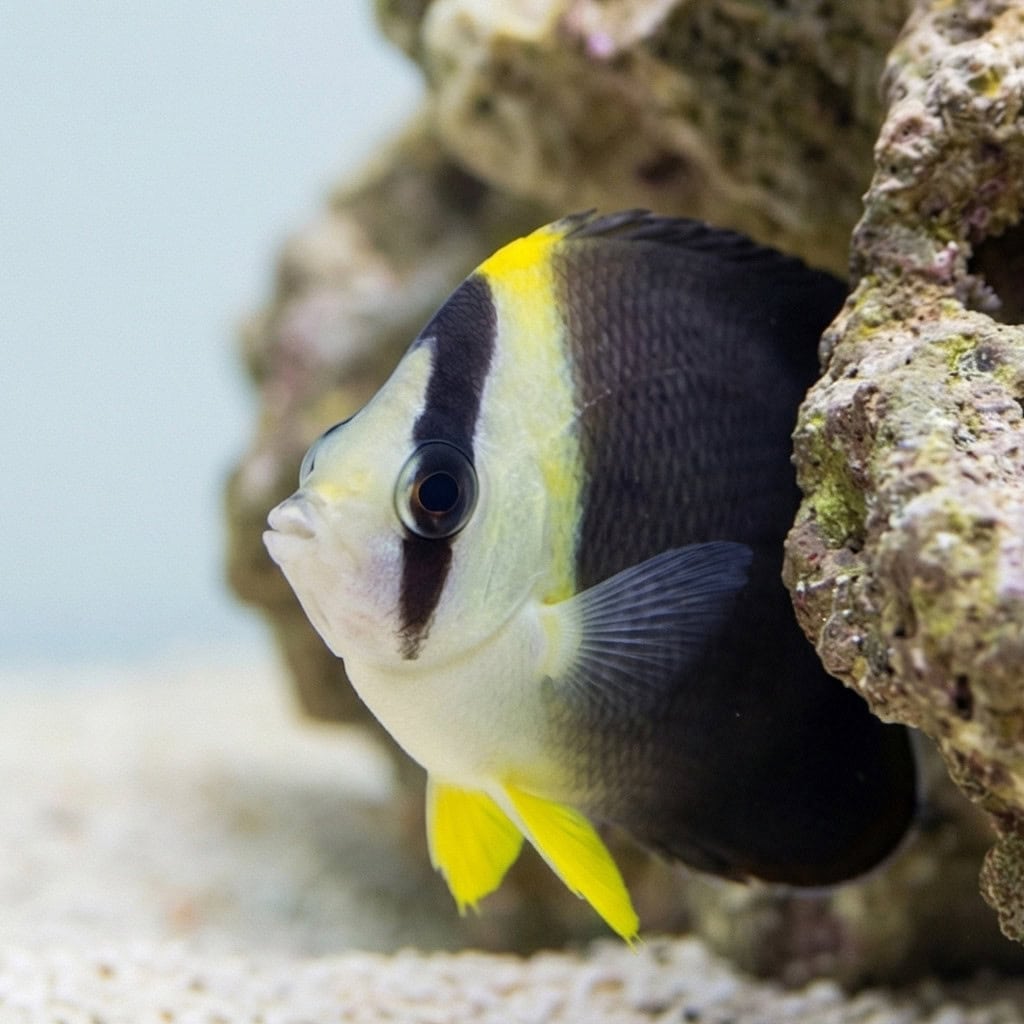
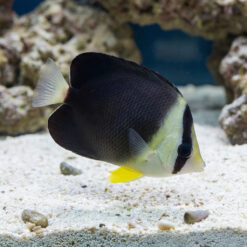
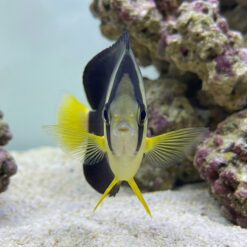
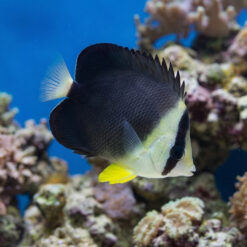
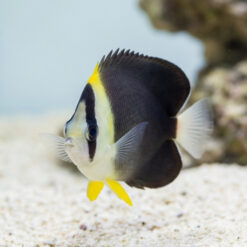
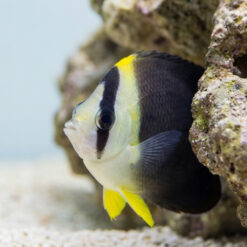
Blackburns Butterfly
Chaetodon blackburnii
| Stock | Variations | Price | Quantity |
|---|
Every order ships with our standard 3-hour live arrival guarantee. Need more time? Add our 5-Day Guarantee at checkout.
Full guarantee terms →Ships Monday – Thursday for next-day arrival at your nearest FedEx Hold location — typically ready by 9 AM. We monitor every delivery.
Shipping details →
Monday – Friday 8 AM – 9 PM
Saturday 12 PM – 4 PM
Sunday 12 PM – 9 PM
Healthy, stable animals from vetted suppliers — inspected before packing, shipped overnight. Decades of experience built this model so we can deliver premium livestock at 30%+ less than you'd pay elsewhere.
| Care Level | Expert |
|---|---|
| Temperament | Peaceful |
| Reef Safe | No |
| Functional Benefit | Ornamental Only |
| Diet Type | Omnivore |
| Mininum Tank Size | 55 gallons |
| Max Size | 6 inches |
| Temperature | 72–78°F |
| pH Range | 8.1–8.4 |
| Specific Gravity | 1.022–1.025 |
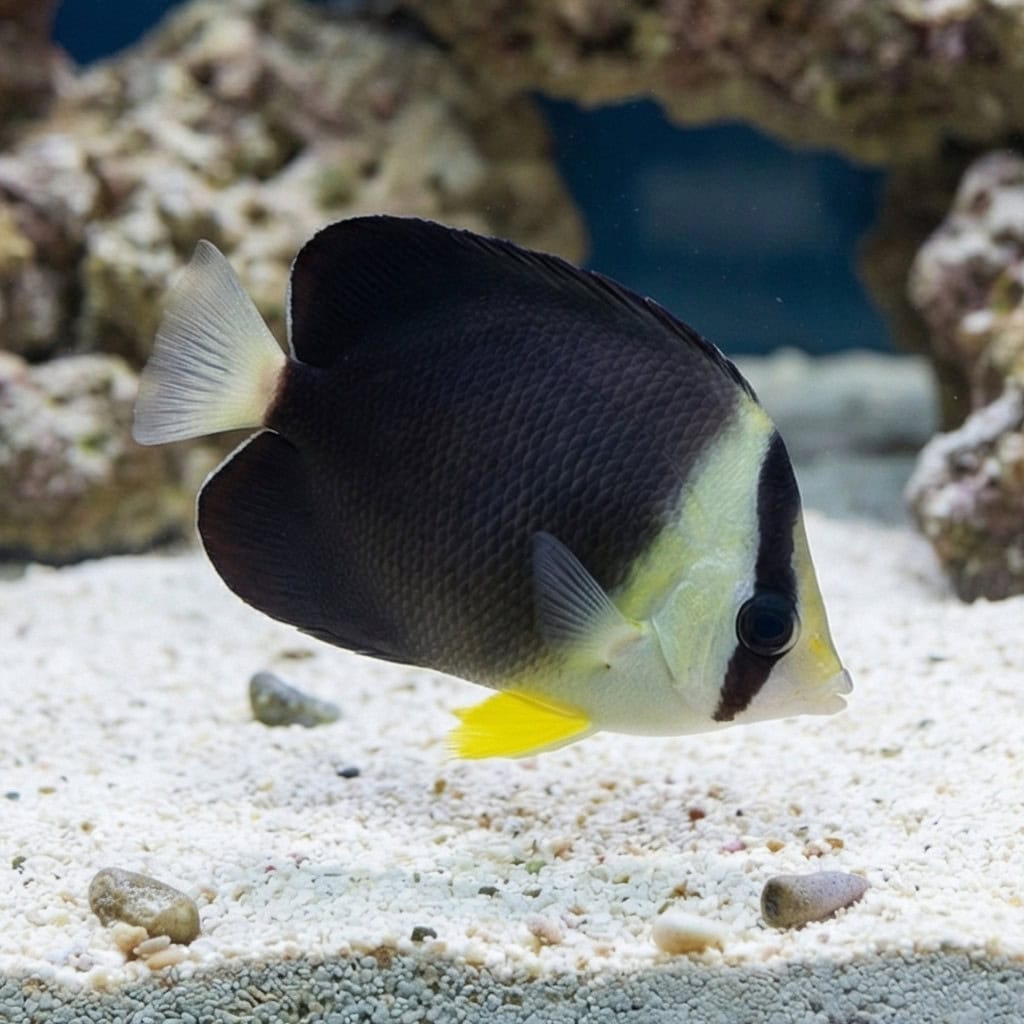
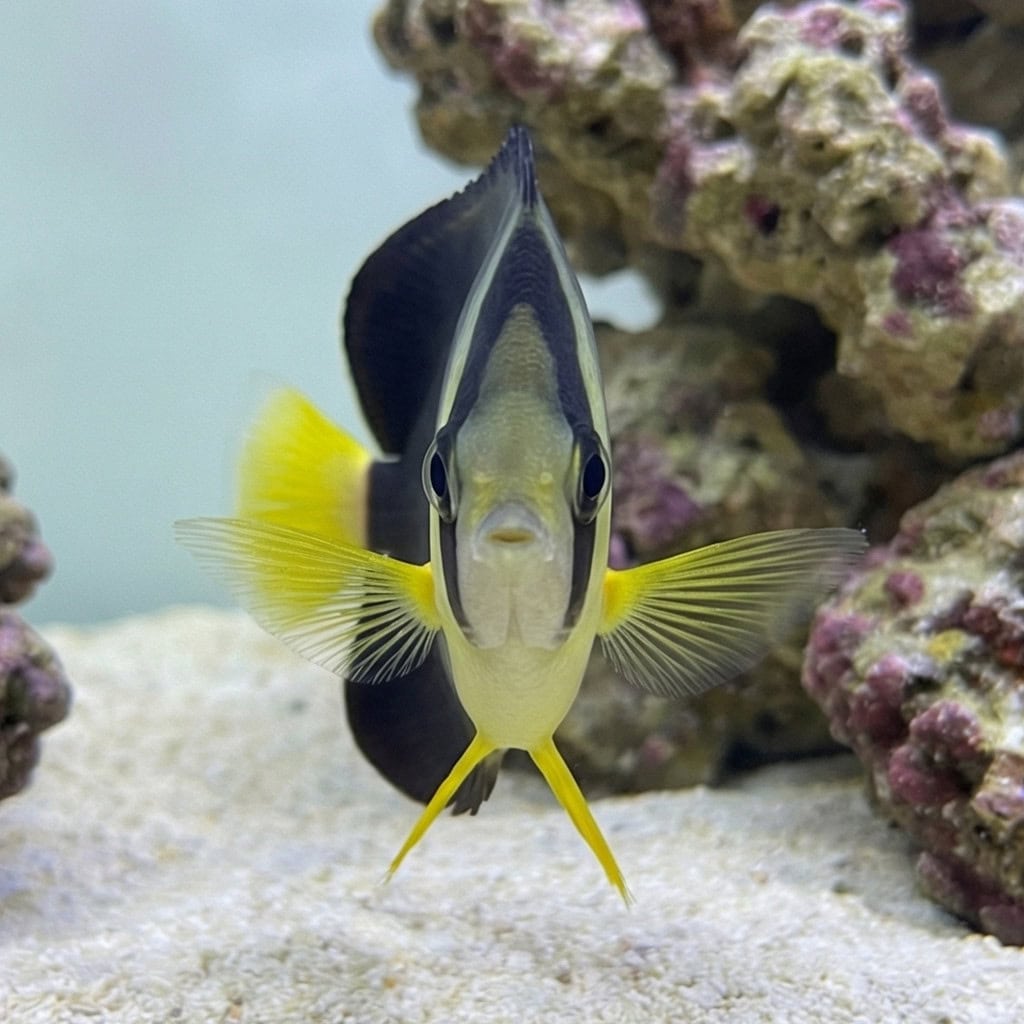
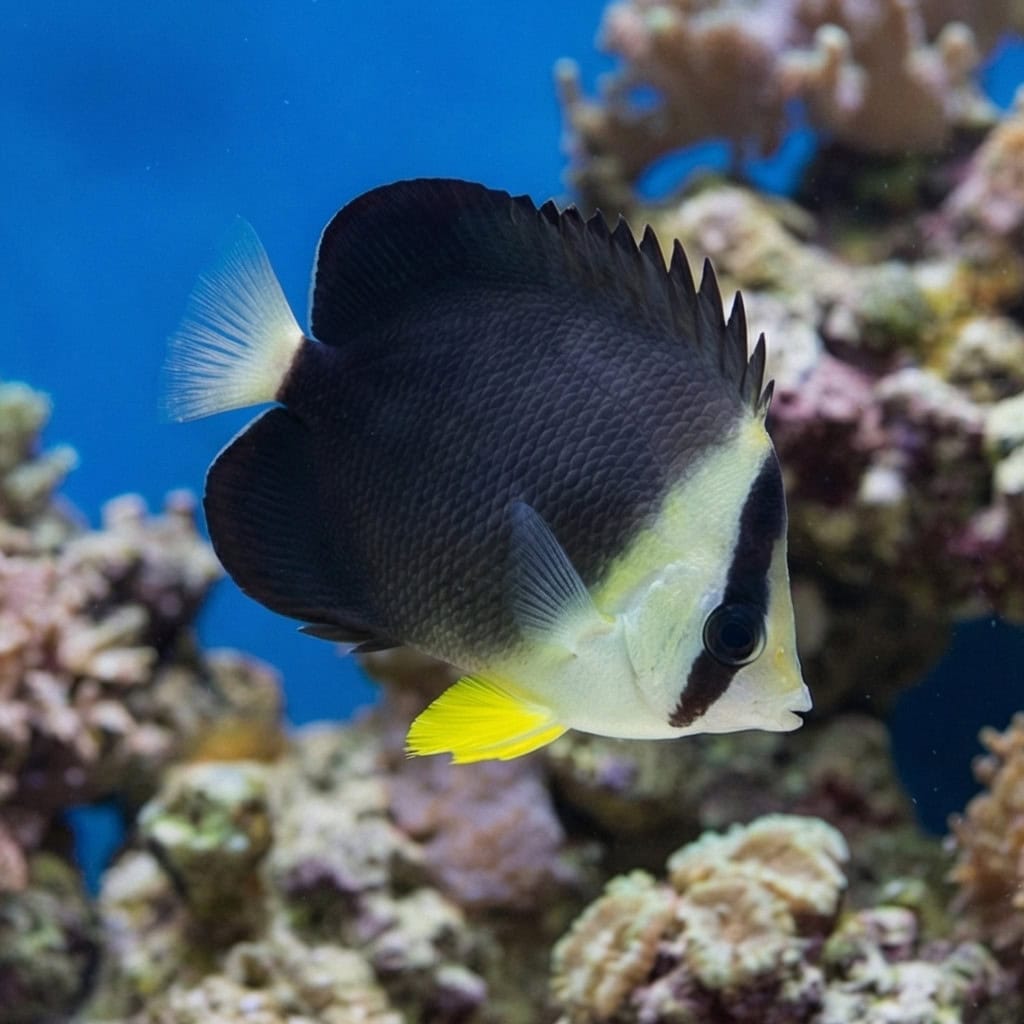
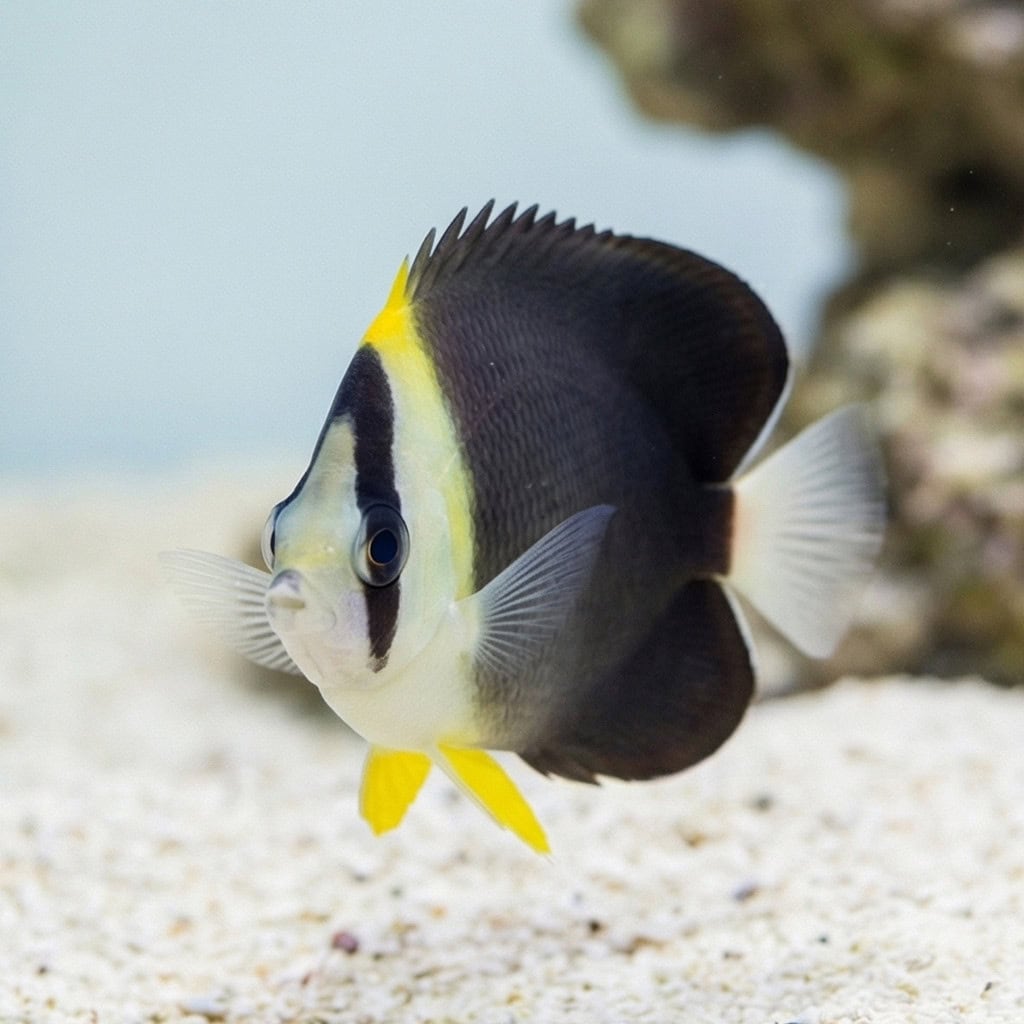
The Blackburns Butterfly (Chaetodon blackburnii), also known as the brownburnie, is a western Indian Ocean butterflyfish with a yellow head, a bold black eye band, and fine brown rays across the body. It is most often chosen for fish-only-with-live-rock displays where its natural browsing behavior can be observed throughout the day.
What You’ll Observe:
- Cruises rockwork and makes short, deliberate stops to pick at surfaces
- Settles into a repeatable patrol route, revisiting the same areas as it browses
- Uses open water in smooth, unhurried passes between feeding and shelter zones
- In an established pair, the two fish often travel together and feed in the same areas
Provide mature live rock, shaded retreats, and open swimming lanes so it can alternate between browsing and cruising. Offer small foods multiple times daily; many keepers start best by mixing frozen fare with clam or mussel on the half shell, and using live brine shrimp or blackworms as a transition food. Consistent routines and peaceful tankmates help it stay out and feed confidently.
How do I get a Blackburns Butterfly to recognize prepared foods?
Many hobbyists start by offering clam or mussel on the half shell and letting the fish pick naturally, then mixing in frozen foods (like mysis or finely chopped seafood) once it is actively browsing.
Should I use live foods at first?
Live brine shrimp and blackworms are commonly used to trigger an initial feeding response, then tapered down as the fish transitions onto frozen and other prepared foods.
Is it normal for it to spend most of its time picking at rock instead of chasing food in the water column?
Yes—this species is often more of a deliberate browser than a fast, open-water feeder, so repeated small offerings tend to match its natural feeding style.
Can I keep two together?
It’s typically attempted as a proven pair; when done, hobbyists usually introduce both at the same time so they settle into the same areas and routines.
What feeding schedule do owners report works best once it’s settled?
Multiple small feedings spaced through the day tends to work better than a single large feeding, especially when you keep at least one “pickable” option available (like shell-on foods) during the transition period.
Each fish is checked for strong appetite and activity before we approve it for your tank.
Recently viewed products