
Rock Beauty Angelfish
Holacanthus tricolor
| Stock | Variations | Price | Quantity |
|---|
Every order ships with our standard 3-hour live arrival guarantee. Need more time? Add our 5-Day Guarantee at checkout.
Full guarantee terms →Ships Monday – Thursday for next-day arrival at your nearest FedEx Hold location — typically ready by 9 AM. We monitor every delivery.
Shipping details →
Monday – Friday 8 AM – 9 PM
Saturday 12 PM – 4 PM
Sunday 12 PM – 9 PM
Healthy, stable animals from vetted suppliers — inspected before packing, shipped overnight. Decades of experience built this model so we can deliver premium livestock at 30%+ less than you'd pay elsewhere.
| Care Level | Expert |
|---|---|
| Temperament | Semi-Aggressive |
| Reef Safe | With Caution |
| Functional Benefit | Ornamental Only |
| Diet Type | Omnivore |
| Mininum Tank Size | 120 gallons |
| Max Size | 8 inches |
| Temperature | 72–78°F |
| pH Range | 8.1–8.4 |
| Specific Gravity | 1.022–1.025 |
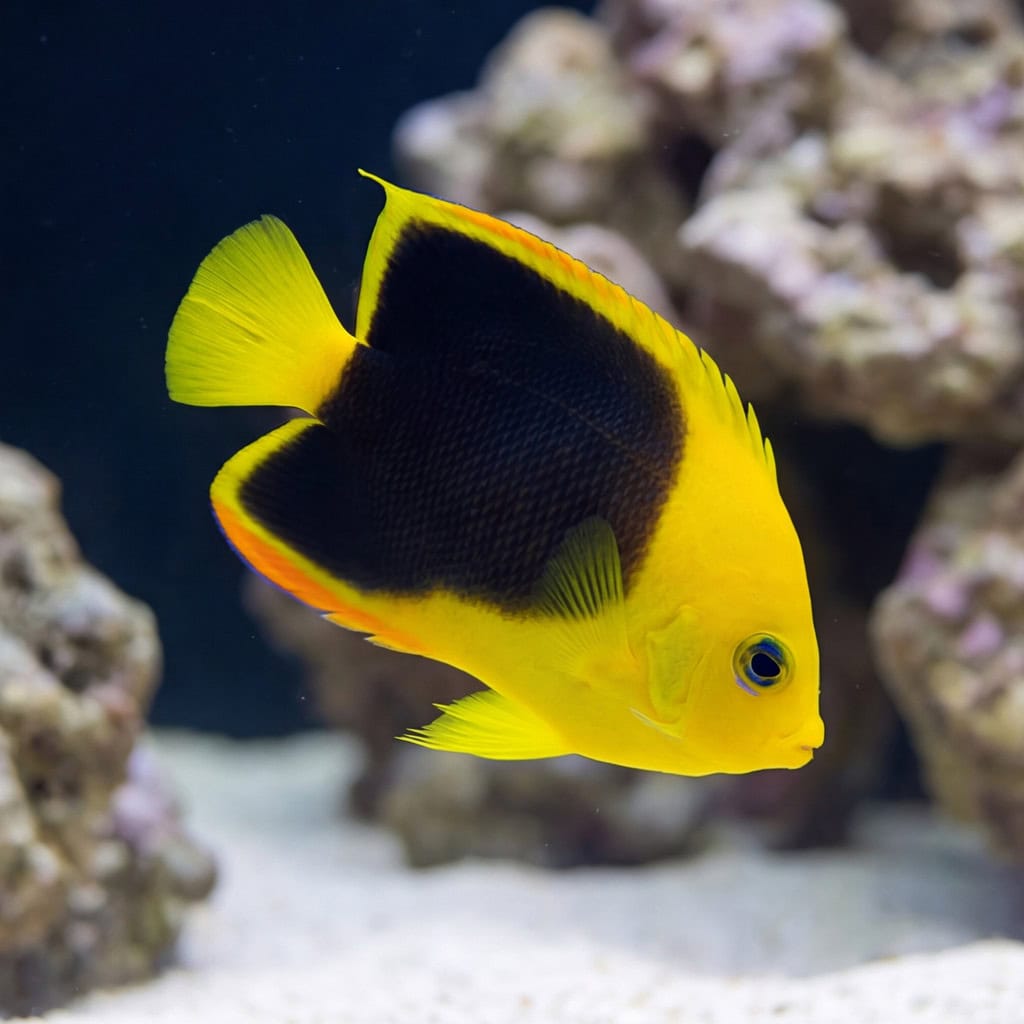
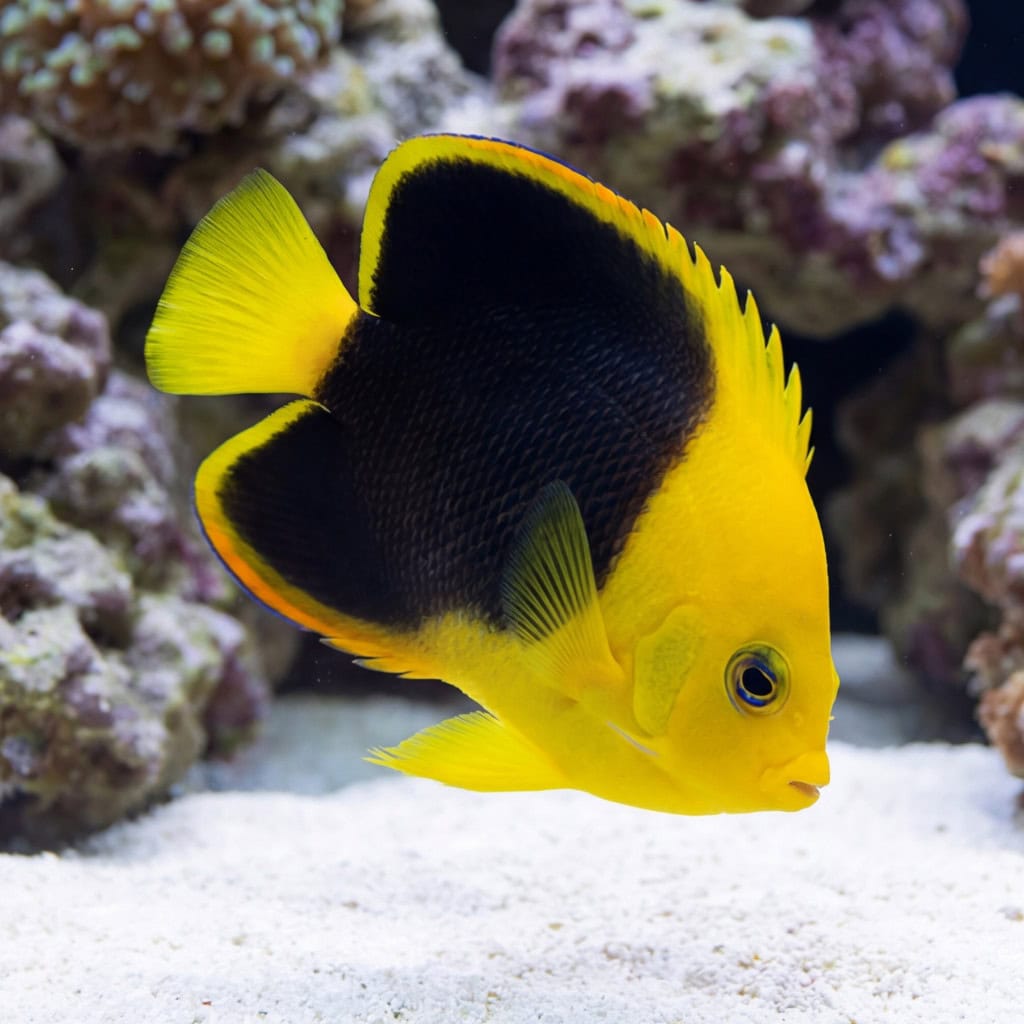
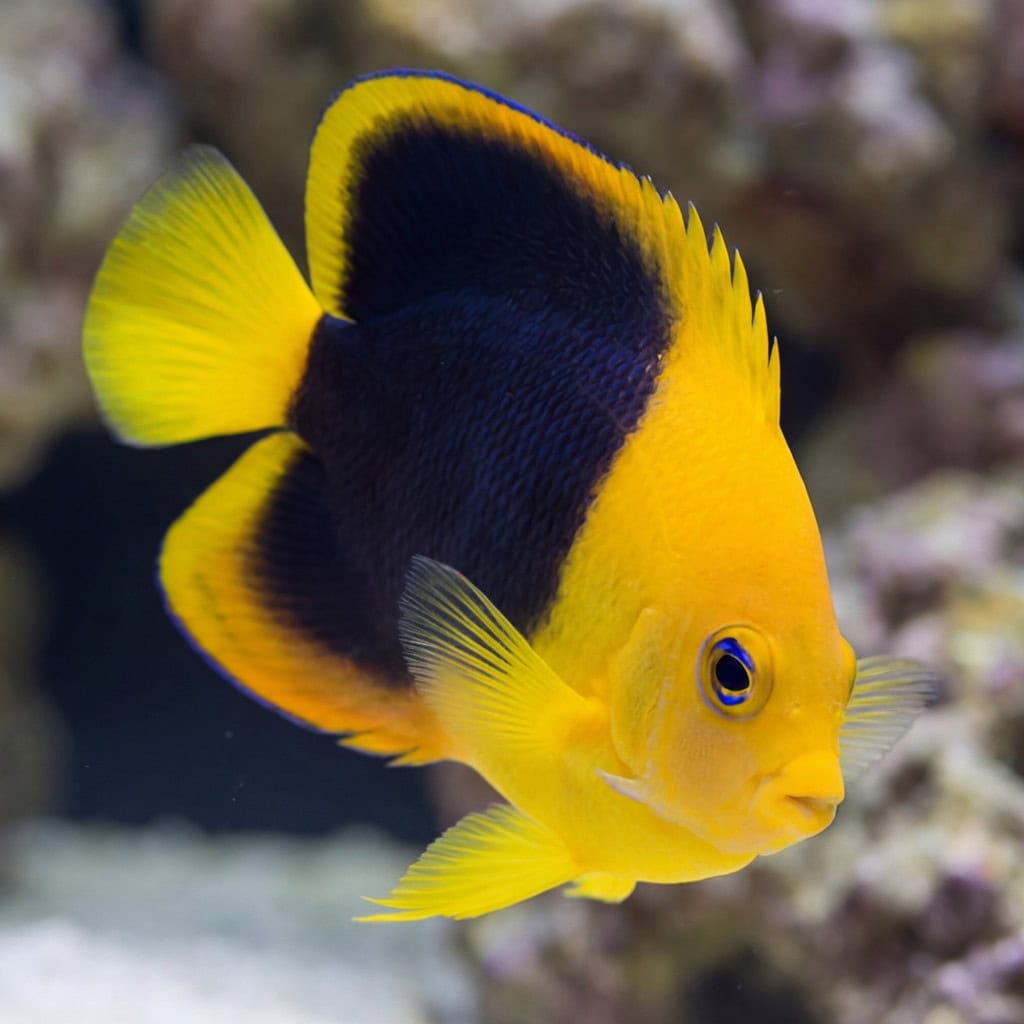
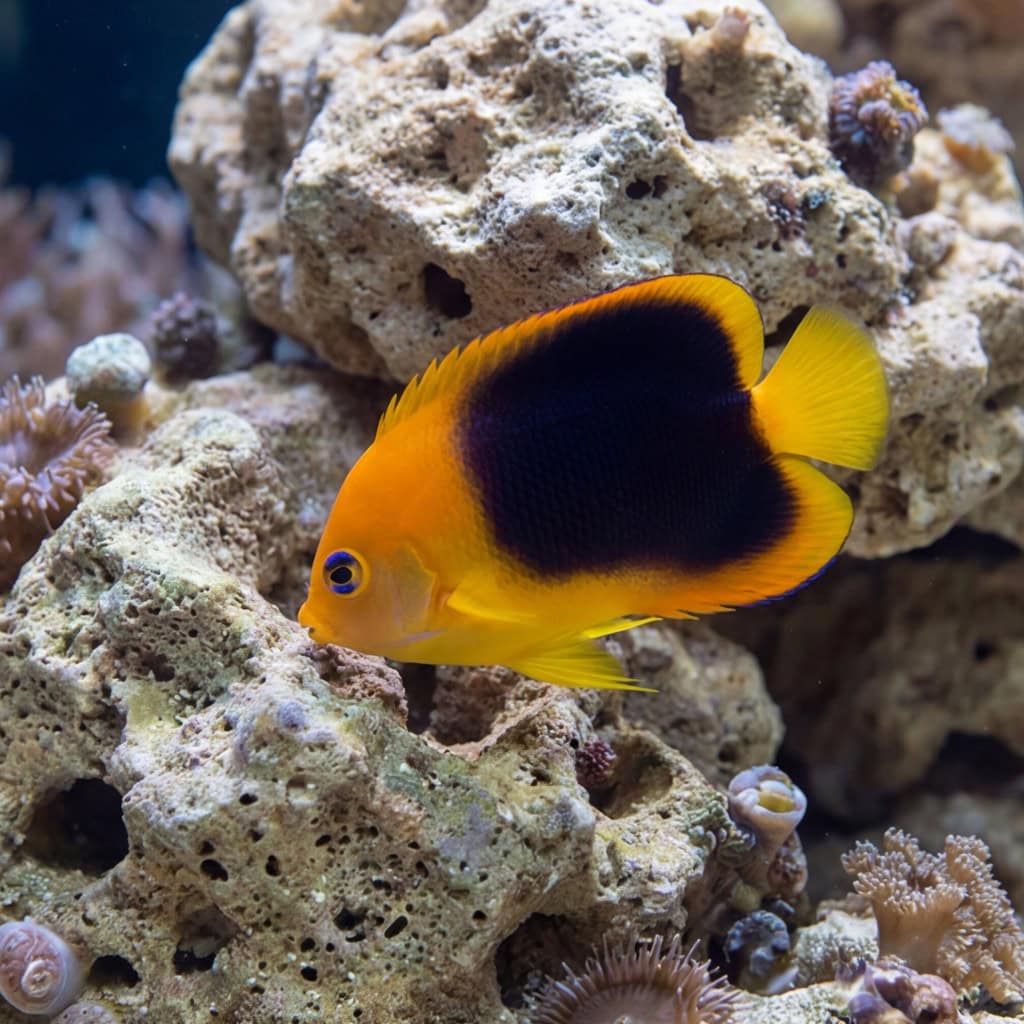
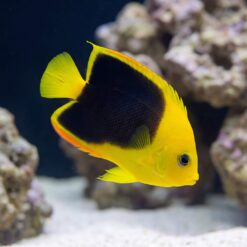
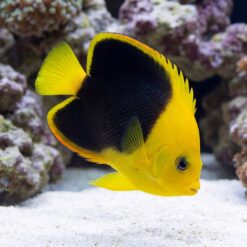
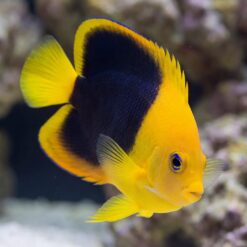
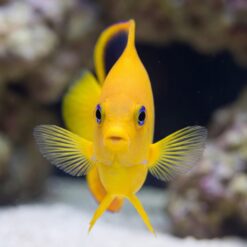
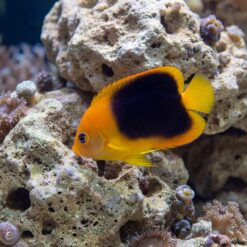
The Rock Beauty Angelfish (Holacanthus tricolor) is a Caribbean marine angelfish known for its sharp yellow-and-black adult pattern with orange-red edging along the dorsal and anal fins. In established saltwater aquariums, it spends much of the day moving between open water and rockwork while grazing on natural growth.
What You’ll Observe:
- Repeated “patrol loops” around the same rock structures, with regular stops to pick at surfaces
- A clear preference for a favorite cave or overhang as a home base in the aquascape
- Juvenile coloration that shifts as the fish matures, with the dark area expanding into the adult pattern
- A strong association with feeding time, often coming out quickly when food hits the water
To do well long-term, provide mature live rock with multiple crevices plus open lanes for swimming. Offer a varied menu multiple times daily, emphasizing angelfish foods that include marine sponge along with marine algae and meaty frozen options. In mixed fish communities, it does best when given a defined section of rockwork to settle into and patrol.
Should I choose a juvenile or an adult Rock Beauty Angelfish?
Many hobbyists look for a well-started specimen that is already eating prepared foods reliably. Juveniles are often discussed as an easier size to transition and observe adapting to a new routine.
How long does it take for a Rock Beauty to take prepared foods consistently?
Keepers commonly describe the first couple of weeks as the “routine-building” period where the fish learns your feeding schedule. Offering the same foods at consistent times helps it lock in quickly.
Is it normal for a Rock Beauty to spend most of the day picking at rock?
Yes—grazing and sampling the rockwork is a big part of how this species behaves in aquariums. Many owners treat this as a good sign the fish is engaged with the environment.
Can I keep a Rock Beauty with other angelfish in a large system?
Forum discussions often focus on giving each angelfish enough “their own” rockwork and adding fish in a planned order. Larger, well-structured aquascapes tend to make these combinations easier to manage.
Will the juvenile “spot” pattern stay forever?
No—hobbyists frequently mention the shift as the fish grows, with the darker area expanding and the adult pattern becoming more defined. This is a normal part of the Rock Beauty’s maturity.
Each fish is checked for strong appetite and activity before we approve it for your tank.
Recently viewed products