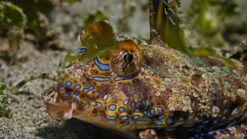
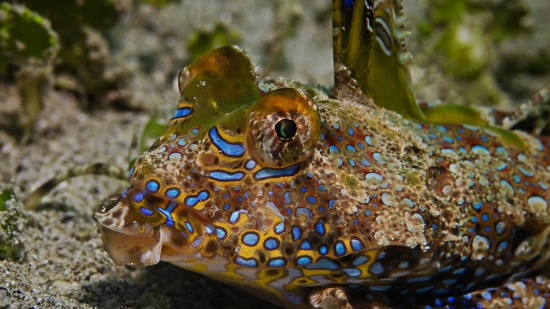
Fingered Dragonet
Dactylopus dactylopus
| Stock | Variations | Price | Quantity |
|---|
Every order ships with our standard 3-hour live arrival guarantee. Need more time? Add our 5-Day Guarantee at checkout.
Full guarantee terms →Ships Monday – Thursday for next-day arrival at your nearest FedEx Hold location — typically ready by 9 AM. We monitor every delivery.
Shipping details →
Monday – Friday 8 AM – 9 PM
Saturday 12 PM – 4 PM
Sunday 12 PM – 9 PM
Healthy, stable animals from vetted suppliers — inspected before packing, shipped overnight. Decades of experience built this model so we can deliver premium livestock at 30%+ less than you'd pay elsewhere.
| Care Level | Expert |
|---|---|
| Temperament | Peaceful |
| Reef Safe | Yes |
| Functional Benefit | Ornamental Only |
| Diet Type | Carnivore |
| Mininum Tank Size | 70 gallons |
| Max Size | 12 inches |
| Temperature | 72–78°F |
| pH Range | 8.1–8.4 |
| Specific Gravity | 1.022–1.025 |
The Fingered Dragonet (Dactylopus dactylopus) is a bottom-oriented dragonet that “walks” over sand and rock while hunting tiny foods, and it’s known for a tall dorsal fin with blue and tan patterning. It comes from the Western Pacific and is most often seen over sandy or muddy substrates.
What You’ll Observe:
- Steady, close-to-the-substrate cruising with frequent short stops to peck at the sand and rock
- Perching on low ledges and then “hopping” forward a few inches at a time
- Occasional dorsal-fin displays when turning or interacting with the environment
- Most activity focused on open sand lanes, rubble zones, and the base of live rock
- Settling into the sand or under rock edges as lights go down
To do well long-term, provide plenty of mature live rock and open sand so it can graze naturally throughout the day, and keep its feeding area calm so it has time to work. Offer small meaty foods (finely chopped seafood, mysis, enriched brine) multiple times daily, and aim for consistent “same-spot” feeding so it learns the routine.
Will it eat frozen foods, or only live foods?
Many will take small frozen foods when offered consistently in one spot, while still spending the day grazing naturally.
Is it normal for it to disappear at night?
Yes—many settle into the sand or wedge under rockwork after lights-out and reappear with the daytime light cycle.
How can I make sure it gets its share at feeding time?
A feeding dish or small “target area” on the sand helps keep food in place long enough for it to pick at it.
Can I keep two Fingered Dragonets together?
Some hobbyists keep pairs successfully when both are introduced at the same time and given separate resting areas.
How do I tell if it’s getting enough food?
Look for steady, all-day foraging and a gently rounded belly rather than a pinched look behind the head.
We work with trusted suppliers who keep our specimens healthy and well-fed before shipping.
Recently viewed products