
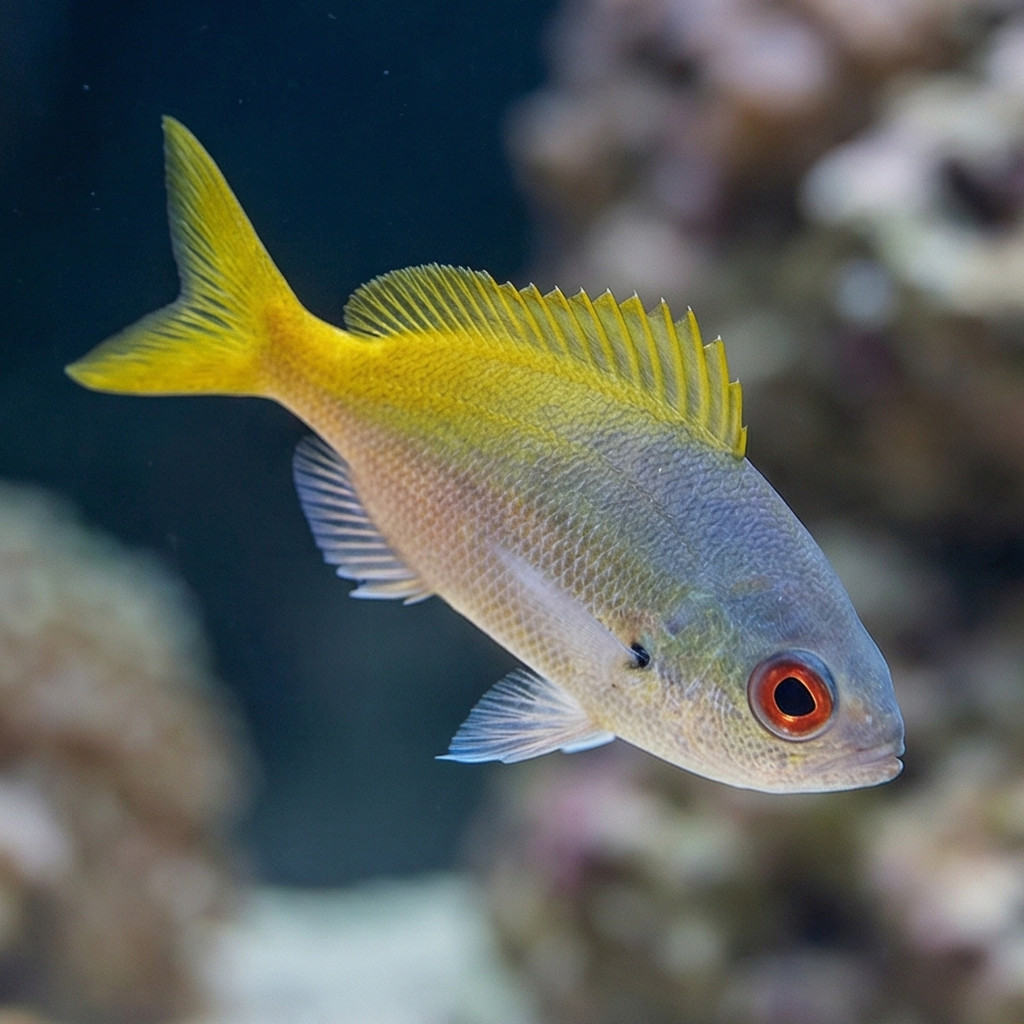
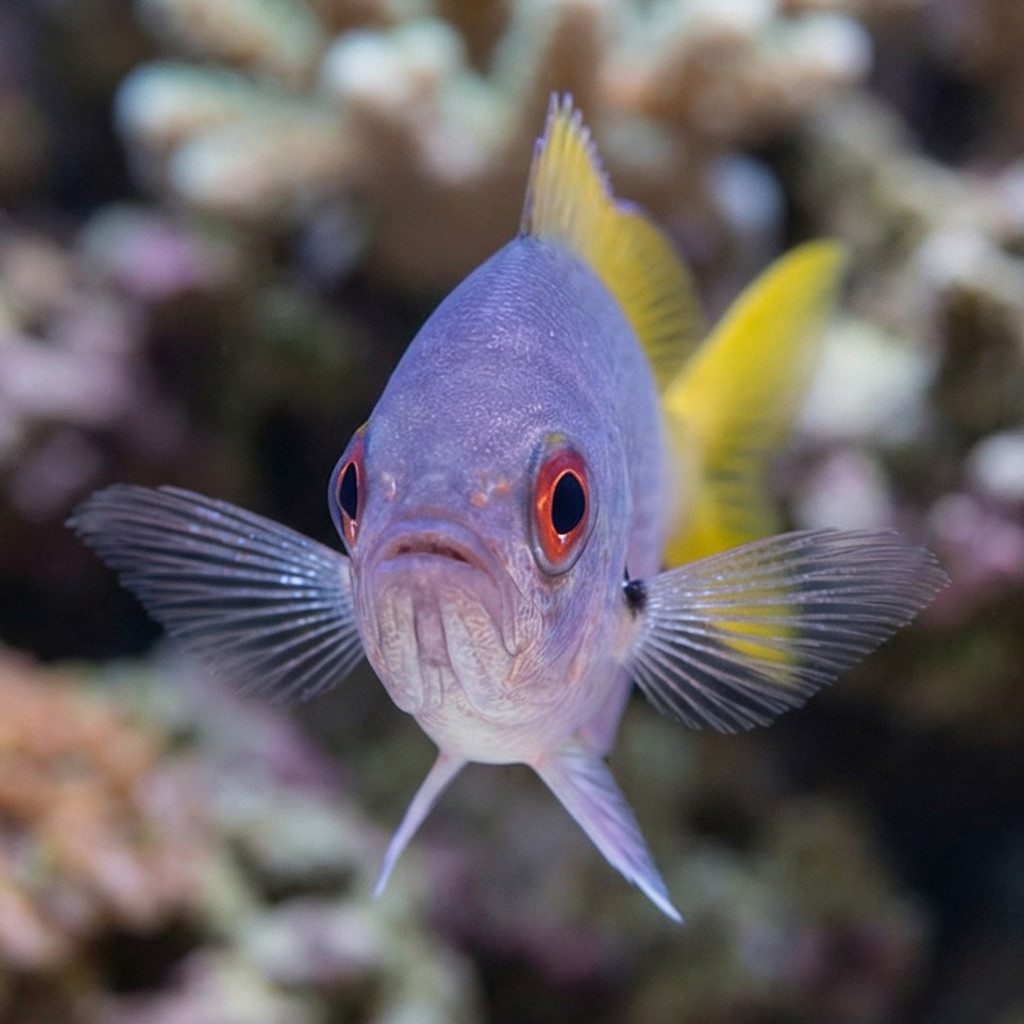
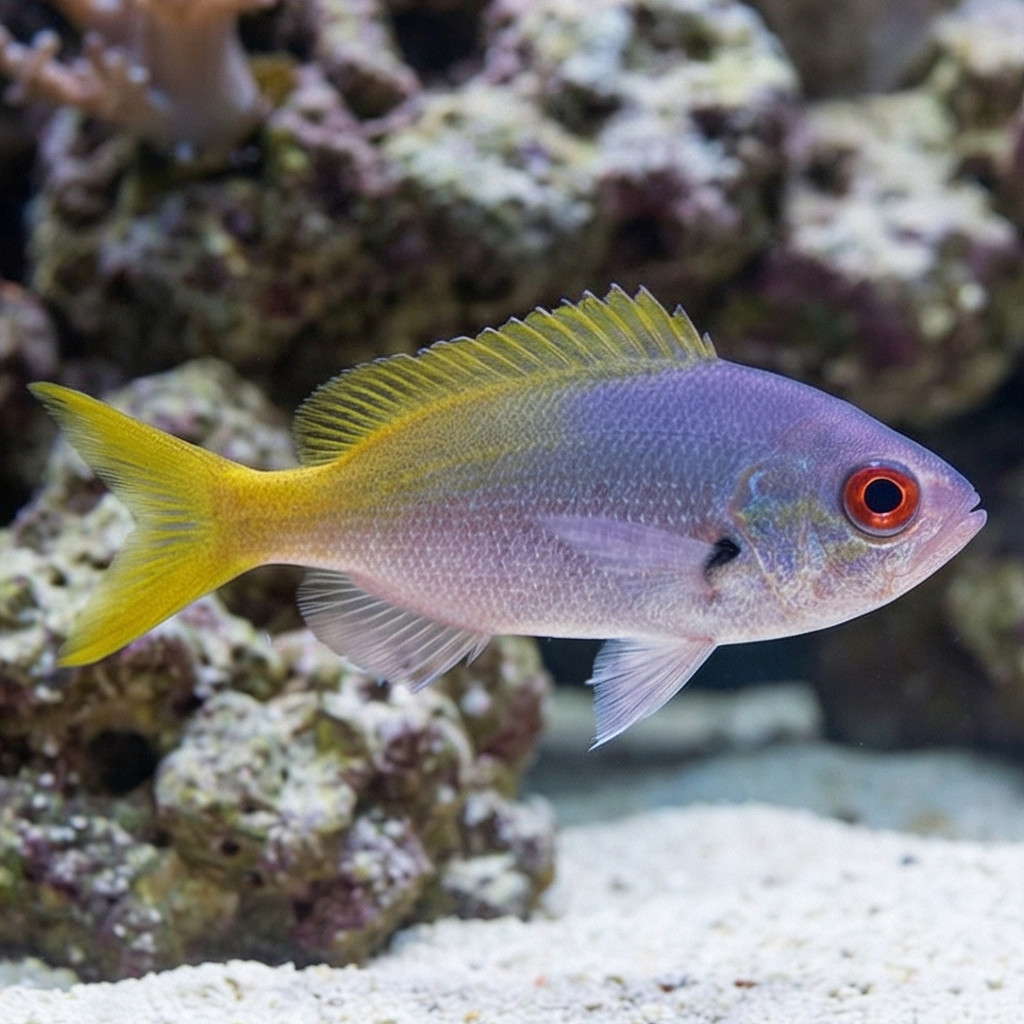
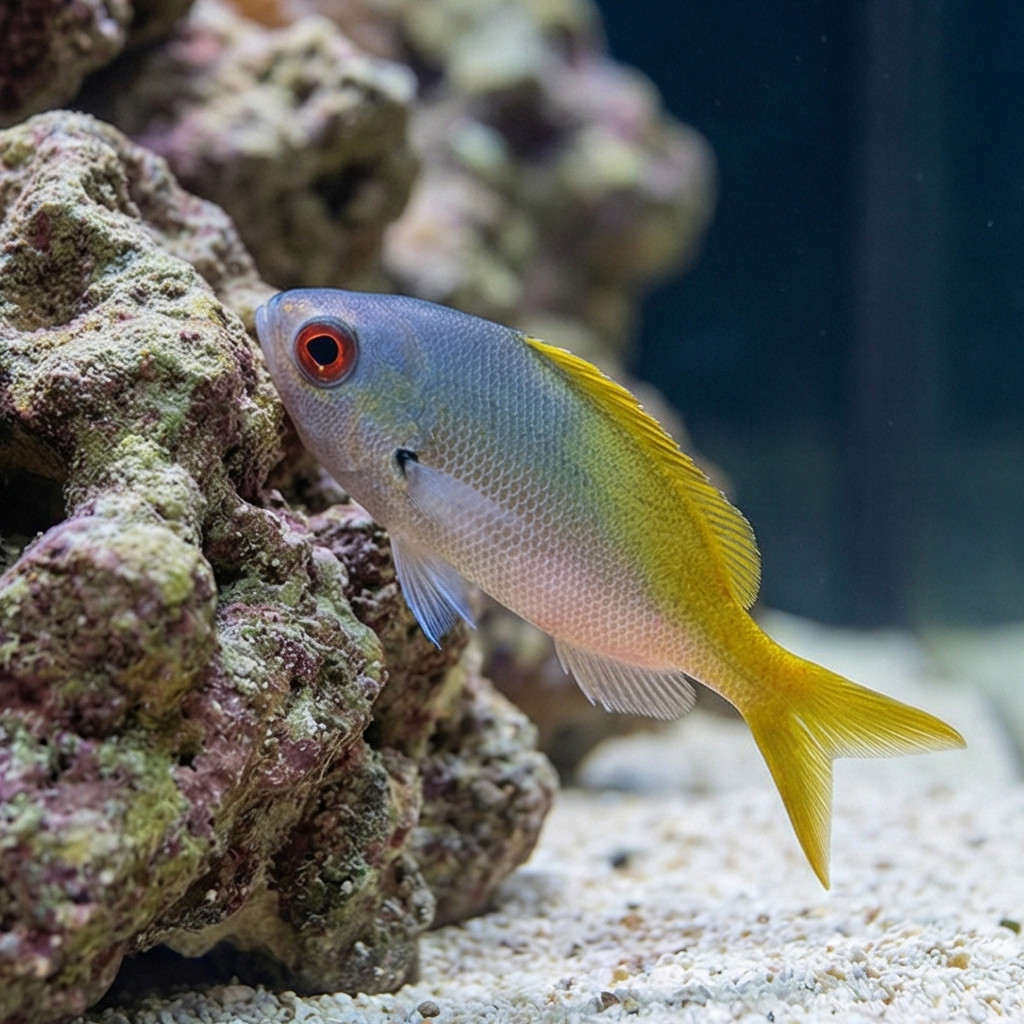
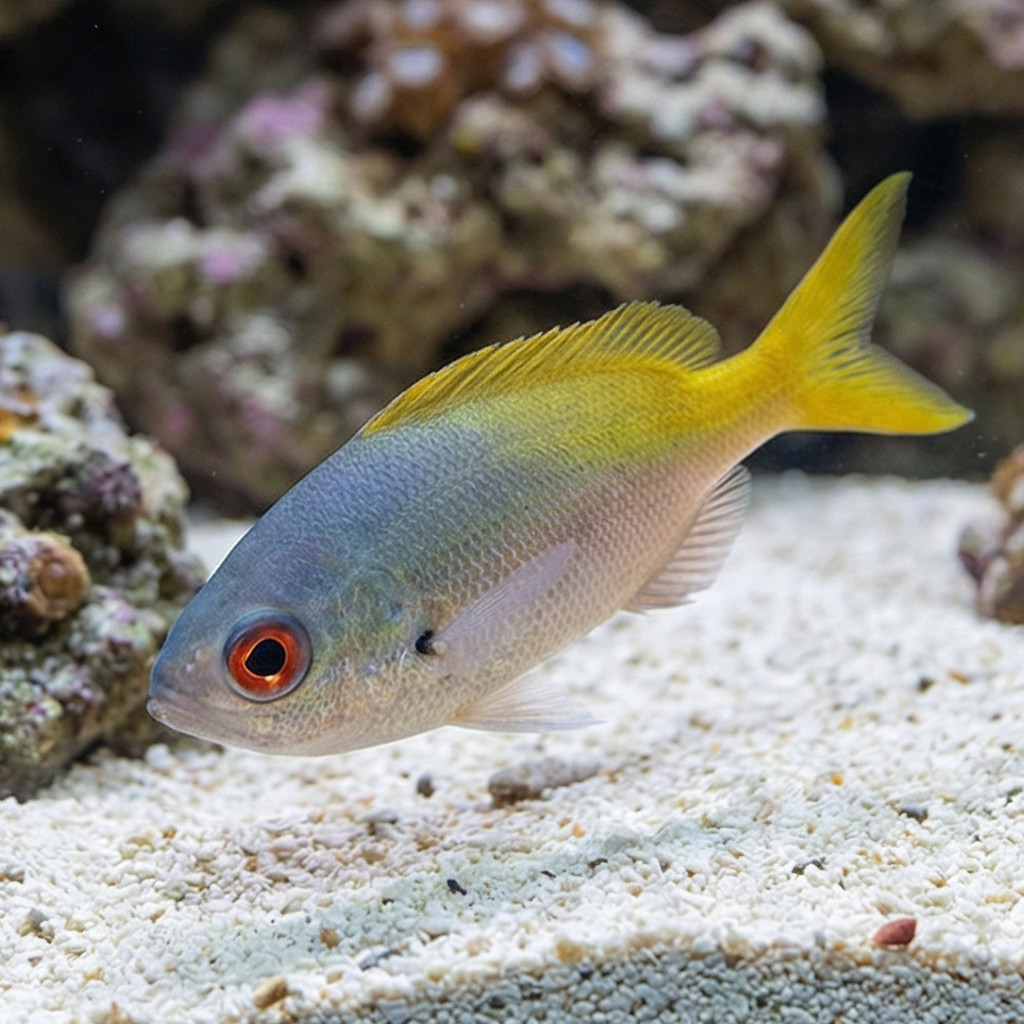
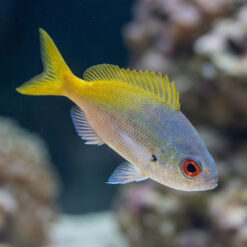
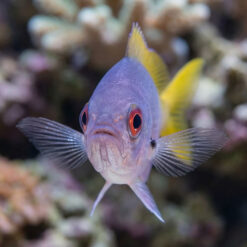
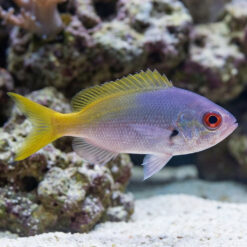
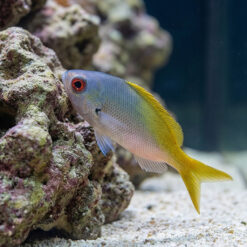
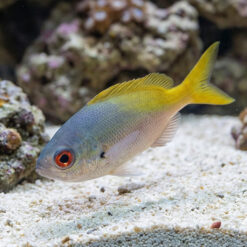
Fusilier Deep-bodied Yellowtail
Caesio cuning
| Stock | Variations | Price | Quantity | |
|---|---|---|---|---|
| Out of Stock | 2.25" or smaller - Indo-Pacific | Original price was: $161.99.$85.99Current price is: $85.99. | Email me |
Every order ships with our standard 3-hour live arrival guarantee. Need more time? Add our 5-Day Guarantee at checkout.
Full guarantee terms →Ships Monday – Thursday for next-day arrival at your nearest FedEx Hold location — typically ready by 9 AM. We monitor every delivery.
Shipping details →
Monday – Friday 8 AM – 9 PM
Saturday 12 PM – 4 PM
Sunday 12 PM – 9 PM
Healthy, stable animals from vetted suppliers — inspected before packing, shipped overnight. Decades of experience built this model so we can deliver premium livestock at 30%+ less than you'd pay elsewhere.
| Care Level | Expert |
|---|---|
| Temperament | Peaceful |
| Reef Safe | Yes |
| Functional Benefit | Ornamental Only |
| Diet Type | Planktivore |
| Mininum Tank Size | 300 gallons+ |
| Max Size | 24 inches |
| Temperature | 72–78°F |
| pH Range | 8.1–8.4 |
| Specific Gravity | 1.022–1.025 |
The Fusilier Deep-bodied Yellowtail (Caesio cuning) is a midwater, reef-associated schooling fish from the Indo-West Pacific with a deep, laterally compressed profile and a bold yellow tail. Adults show a gray-blue upper body with a pale to pinkish underside, giving it a clean “open-water shoaler” look above rockwork.
What You’ll Observe:
- Fast, continuous cruising in the open water column, especially once lights are on
- Group-oriented movement where multiple fish align and turn together in the same lane
- Quick, midwater feeding response—rising to meet food as it drifts and disperses
- Regular laps along the front and longest side panels, using open space like a “runway”
- A noticeable shift toward tighter schooling during active periods and looser spacing between feedings
Provide a long tank with high, stable oxygenation and open swimming room in front of the rockwork. Offer small foods that stay suspended (fine frozen blends, small pellets) in multiple feedings so the whole group can feed in-stride. In large systems, adding them together helps the shoaling behavior show up sooner.
Do fusiliers actually “school” in home aquariums, or just loosely group?
In larger tanks they commonly align and travel the same route together, but the formation is usually looser than what’s seen on the reef.
Will they take pellets and prepared foods, or do they need live food?
Many hobbyists report they adapt well to small frozen foods and appropriately sized pellets once they recognize the tank’s feeding routine.
Why do they pace the glass or do nonstop laps?
They’re built for sustained midwater swimming; long, unobstructed lanes and strong, consistent circulation make their movement look more natural.
Do they stay peaceful as they get bigger?
They’re generally kept for their community behavior, but as they mature their size can change what they can fit in their mouth—stock tankmates accordingly.
Is it normal for them to “disappear” into rockwork at certain times?
Yes—many keepers notice a predictable routine where activity peaks under full lighting and the group tucks in closer to structure when settling down.
We source from vetted suppliers known for healthy, long-lived specimens.
Only logged in customers who have purchased this product may leave a review.
Recently viewed products
Reviews
There are no reviews yet.