
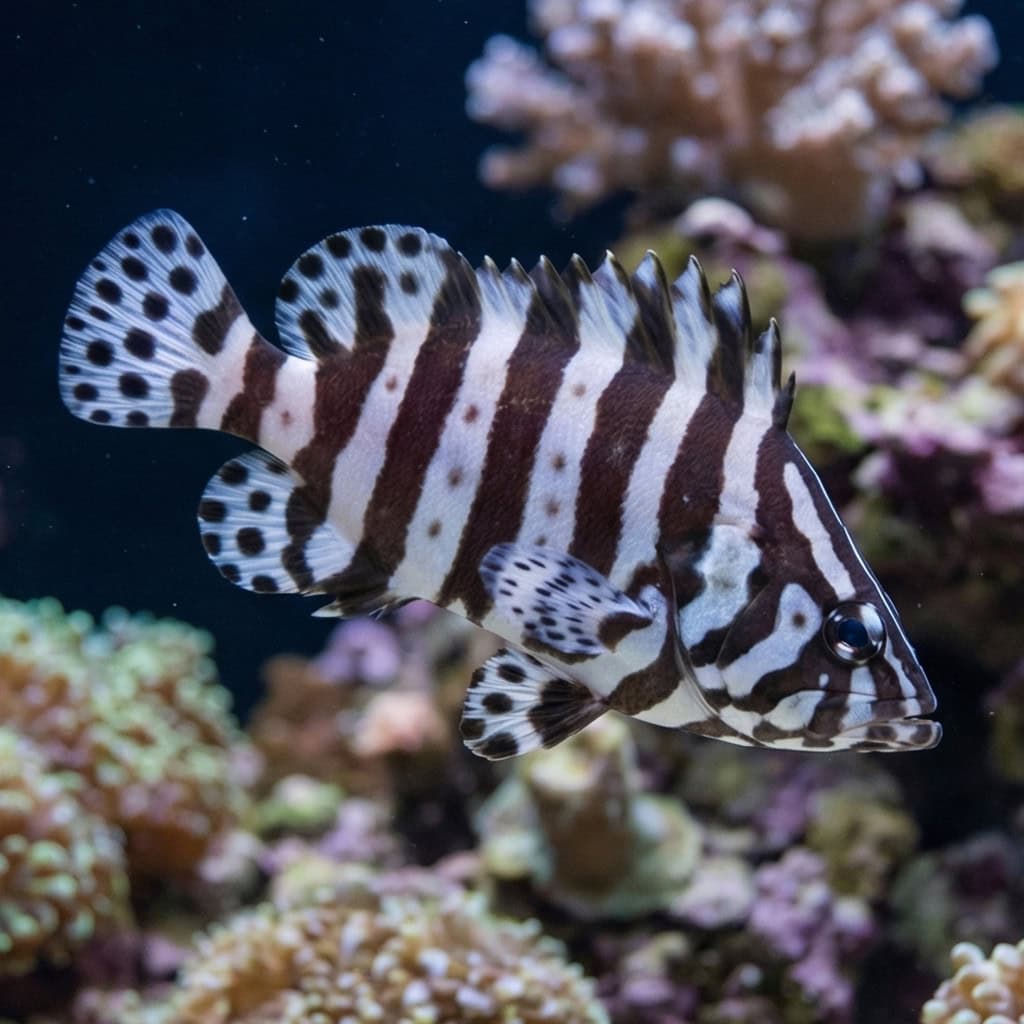
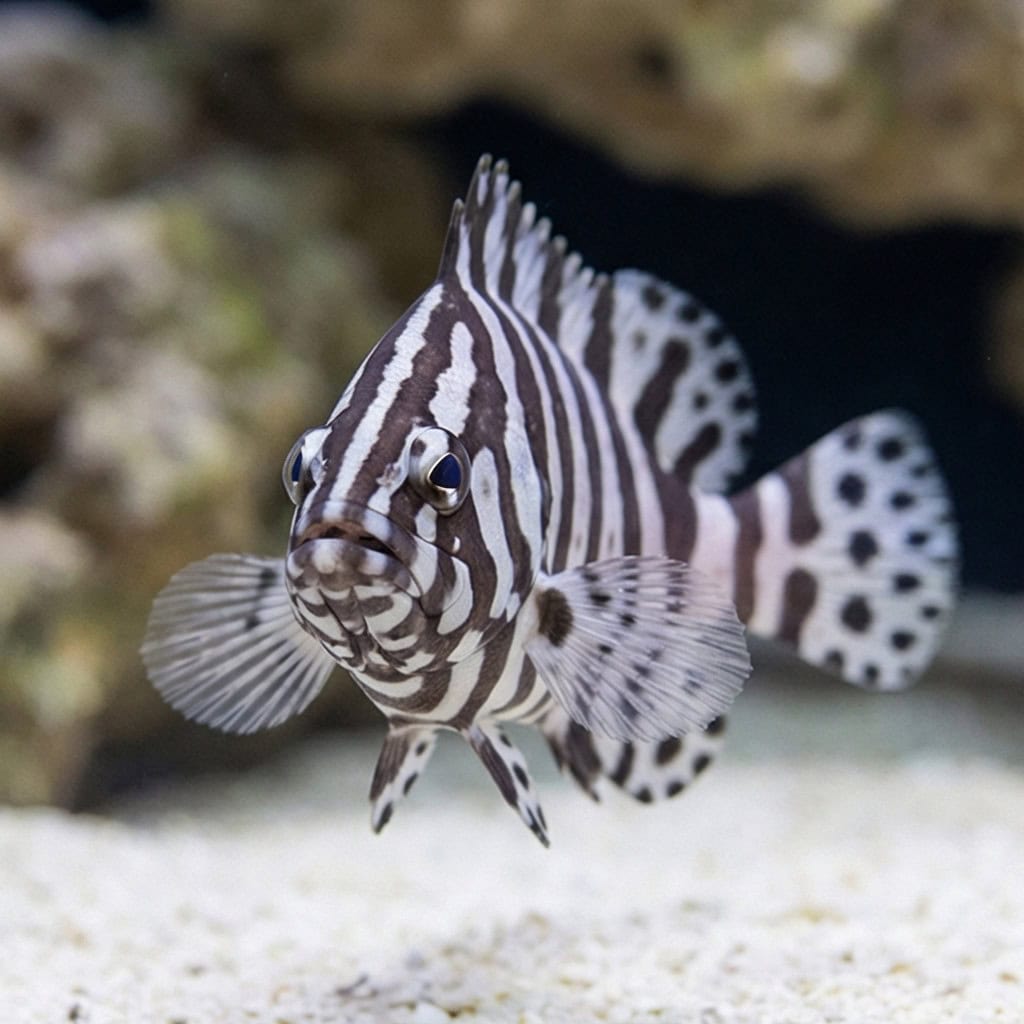
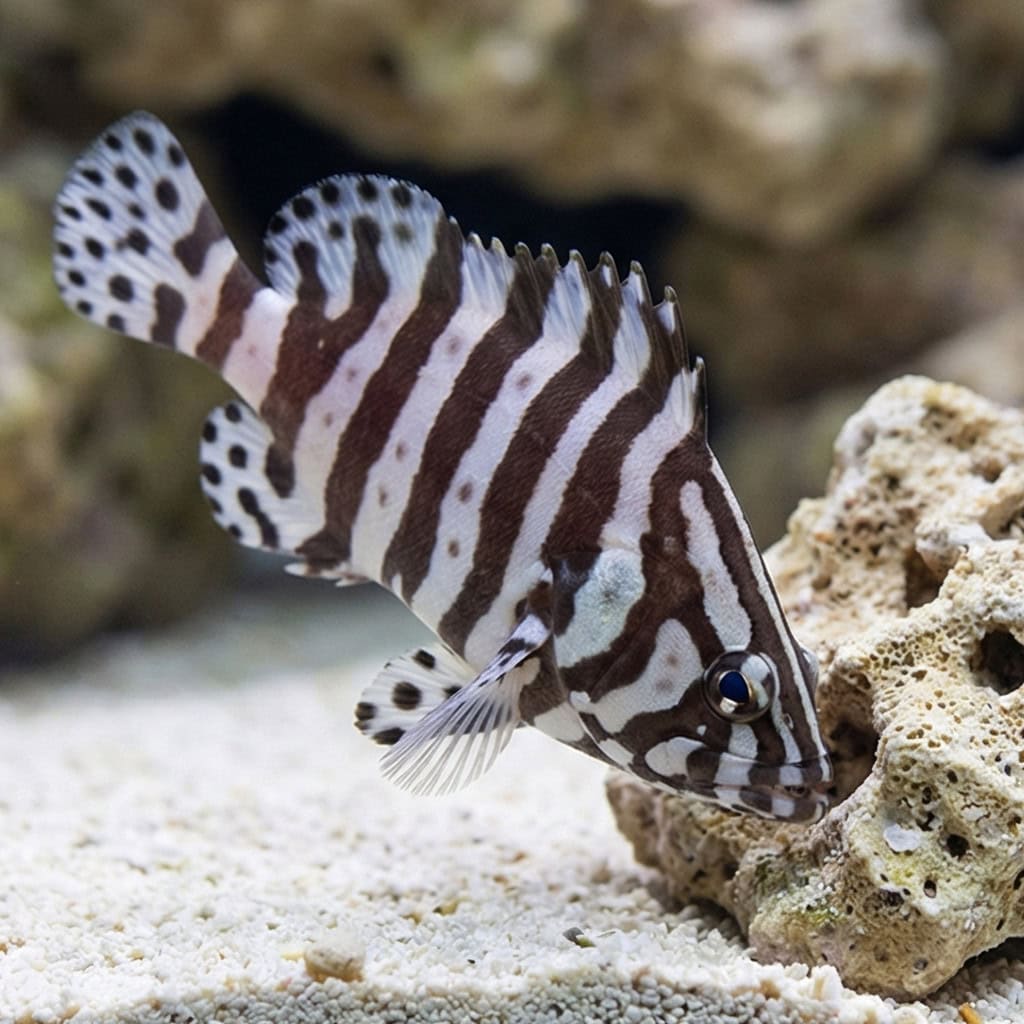
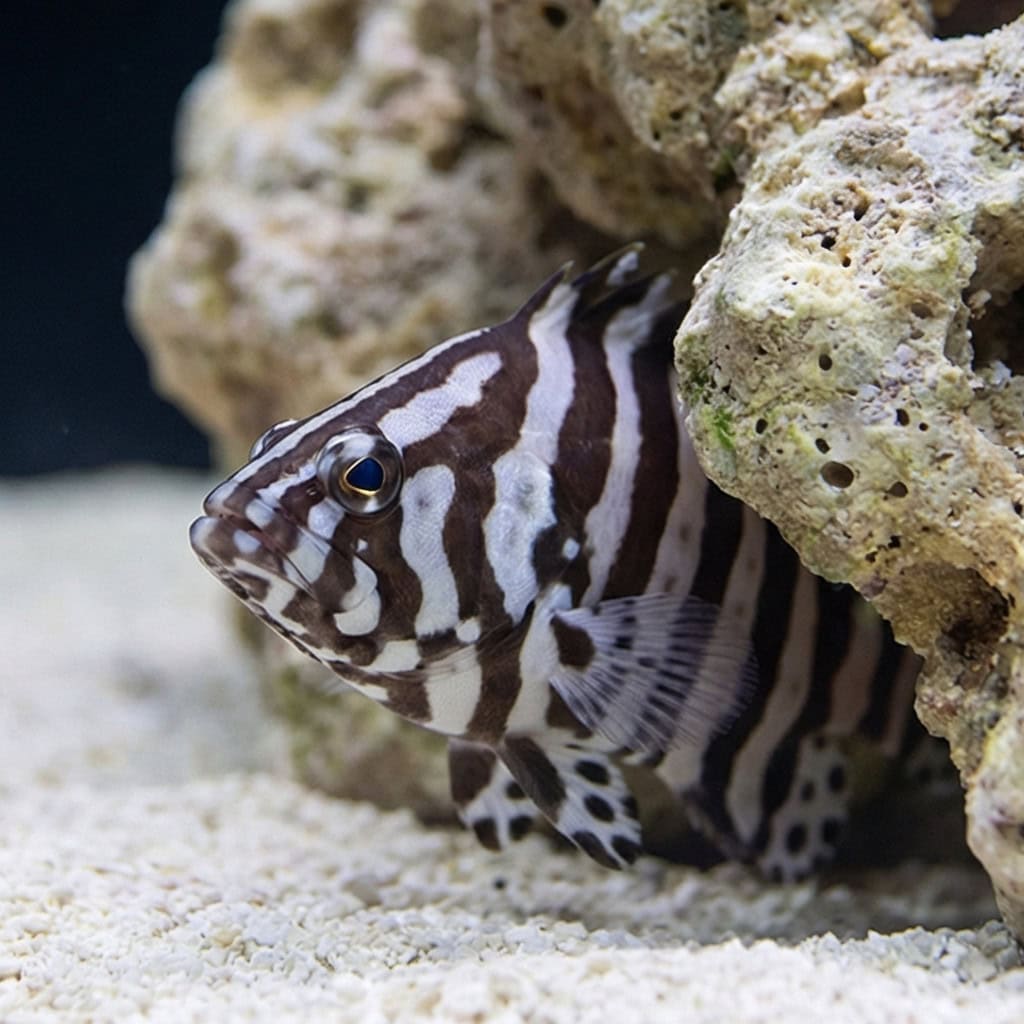
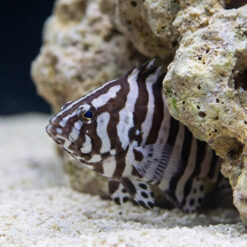
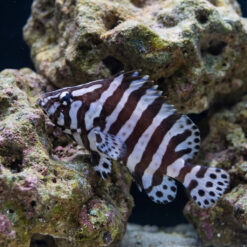
Zebra Leather Grouper
Dermatolepis dermatolepis
| Stock | Variations | Price | Quantity |
|---|
Every order ships with our standard 3-hour live arrival guarantee. Need more time? Add our 5-Day Guarantee at checkout.
Full guarantee terms →Ships Monday – Thursday for next-day arrival at your nearest FedEx Hold location — typically ready by 9 AM. We monitor every delivery.
Shipping details →
Monday – Friday 8 AM – 9 PM
Saturday 12 PM – 4 PM
Sunday 12 PM – 9 PM
Healthy, stable animals from vetted suppliers — inspected before packing, shipped overnight. Decades of experience built this model so we can deliver premium livestock at 30%+ less than you'd pay elsewhere.
| Care Level | Expert |
|---|---|
| Temperament | Aggressive |
| Reef Safe | No |
| Functional Benefit | Ornamental Only |
| Diet Type | Carnivore |
| Mininum Tank Size | 300 gallons+ |
| Max Size | 24 inches |
| Temperature | 72–78°F |
| pH Range | 8.1–8.4 |
| Specific Gravity | 1.022–1.025 |
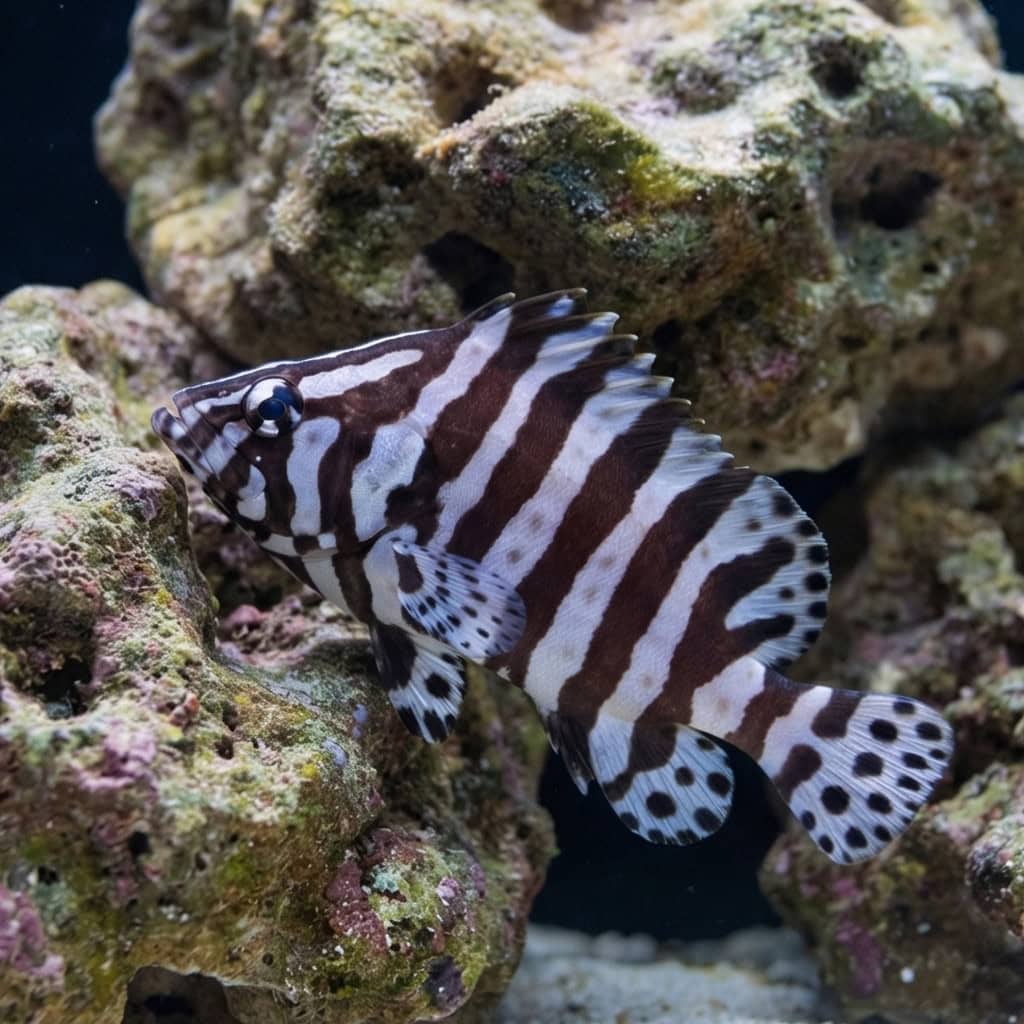
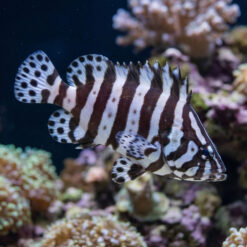
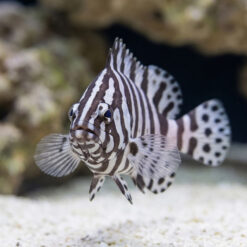
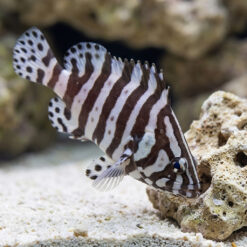
The Zebra Leather Grouper (Dermatolepis dermatolepis) is a large-bodied reef grouper sometimes referred to as a leather bass or leather grouper. In an aquarium, it presents a bold barred “zebra” look when young that reads clearly across the body and fins, making it a natural fit for large predator-tank builds.
What You’ll Observe:
- A steady patrol between rockwork openings and open water, often circling the same routes once it settles in
- Quick, deliberate strikes at feeding time, with a strong focus on where food enters the tank
- Frequent “hover and watch” behavior near caves, ledges, and shadow lines in the aquascape
- A noticeable response to routine—approaching the front glass when you enter the room
- Using a favorite cave or overhang as a home base between passes
Provide a mature, high-volume system with a mix of open lanes and sturdy rock structure so it can cruise and retreat naturally. Offer marine-based meaty foods in appropriately sized pieces and keep feedings consistent so it learns a reliable feeding station. Plan tankmates around size and confidence so the grouper’s feeding response stays focused on food, not nearby fish.
Will the zebra pattern stay the same as it grows?
Juveniles tend to show the crispest striping; as the fish matures, the look often becomes more muted and “blended,” especially under lower light.
Why does it stare at me (or follow other fish around the tank)?
Many groupers learn daily routines quickly and will watch the room for feeding cues; following other fish can be normal “opportunity hunting” behavior in a predator species.
How do I transition it from “fresh/frozen only” to a wider prepared-food diet?
Start with thawed shrimp/clam/seafood offered from tongs in the same spot, then mix in chopped blends over time so it associates the station with a variety of textures.
Is it normal for it to lunge upward when food hits the water?
Yes—many keepers notice a strong upward strike response at feeding time; a consistent feeding zone (and a secure lid) makes this behavior easy to manage.
How can I keep feeding from turning into a mess in a large predator tank?
Use smaller, well-portioned pieces, rinse thawed foods, and remove leftovers after the rush—this keeps the display cleaner and helps filtration stay ahead of the bioload.
Our selection process means you get robust, well-adjusted specimens that settle in quickly.
Recently viewed products