
Lyretail Anthias
Pseudanthias squamipinnis
Price range: $32.99 through $81.99
| Stock | Variations | Price | Quantity | |
|---|---|---|---|---|
| Only 7 left | 3.5 - 4.75" - Male - Red - Central Pacific | Original price was: $155.99.$81.99Current price is: $81.99. |
-
+
|
|
| Out of Stock | 2.25 - 3.5" - Male - Red - Central Pacific | Original price was: $119.99.$62.99Current price is: $62.99. | Email me | |
| Out of Stock | 2.25 - 3.5" - Male - Red Yellow Breast - Africa | Original price was: $191.99.$100.99Current price is: $100.99. | Email me | |
| Out of Stock | 2.25 - 3.5" - Male - Red Yellow Breast - Indian Ocean | Original price was: $84.99.$44.99Current price is: $44.99. | Email me | |
| In Stock | 3 - 4" - Female - Orange - Central Pacific | Original price was: $132.99.$69.99Current price is: $69.99. |
-
+
|
|
| Out of Stock | 2 - 3" - Female - Orange - Central Pacific | Original price was: $97.99.$51.99Current price is: $51.99. | Email me | |
| Out of Stock | 2" or smaller - Female - Orange - Africa | Original price was: $119.99.$62.99Current price is: $62.99. | Email me | |
| In Stock | 2 - 3" - Female - Orange - Indian Ocean | Original price was: $128.99.$67.99Current price is: $67.99. |
-
+
|
|
| In Stock | 2 - 3" - SSC Certified - Central Pacific | Original price was: $70.99.$37.99Current price is: $37.99. |
-
+
|
|
| Only 7 left | 2" or smaller - SSC Certified - Central Pacific | Original price was: $61.99.$32.99Current price is: $32.99. |
-
+
|
|
| In Stock | 2.25 - 3.5" - SSC Certified - Central Pacific | Original price was: $84.99.$44.99Current price is: $44.99. |
-
+
|
Every order ships with our standard 3-hour live arrival guarantee. Need more time? Add our 5-Day Guarantee at checkout.
Full guarantee terms →Ships Monday – Thursday for next-day arrival at your nearest FedEx Hold location — typically ready by 9 AM. We monitor every delivery.
Shipping details →
Monday – Friday 8 AM – 9 PM
Saturday 12 PM – 4 PM
Sunday 12 PM – 9 PM
Healthy, stable animals from vetted suppliers — inspected before packing, shipped overnight. Decades of experience built this model so we can deliver premium livestock at 30%+ less than you'd pay elsewhere.
| Care Level | Moderate |
|---|---|
| Temperament | Semi-Aggressive |
| Reef Safe | Yes |
| Functional Benefit | Ornamental Only |
| Diet Type | Planktivore |
| Mininum Tank Size | 120 gallons |
| Max Size | 5 inches |
| Temperature | 72–78°F |
| pH Range | 8.1–8.4 |
| Specific Gravity | 1.022–1.025 |
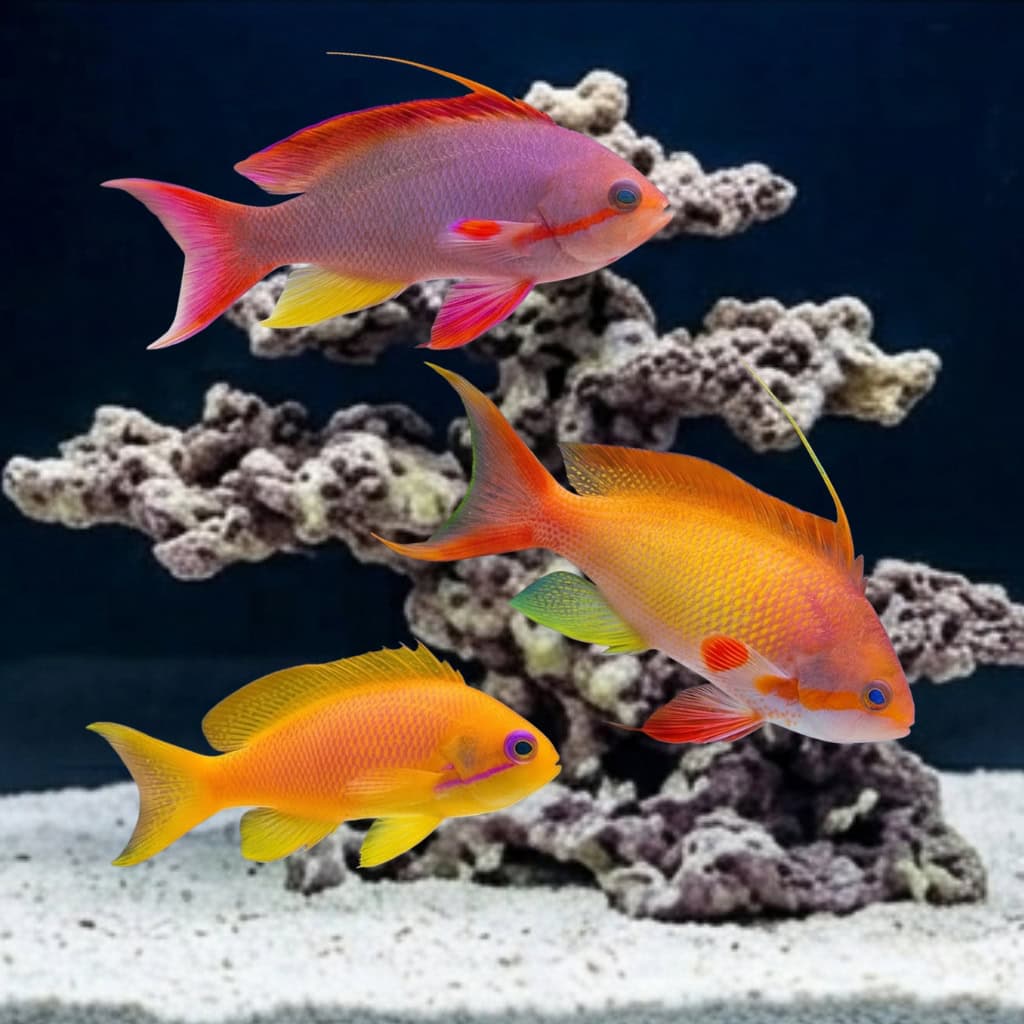
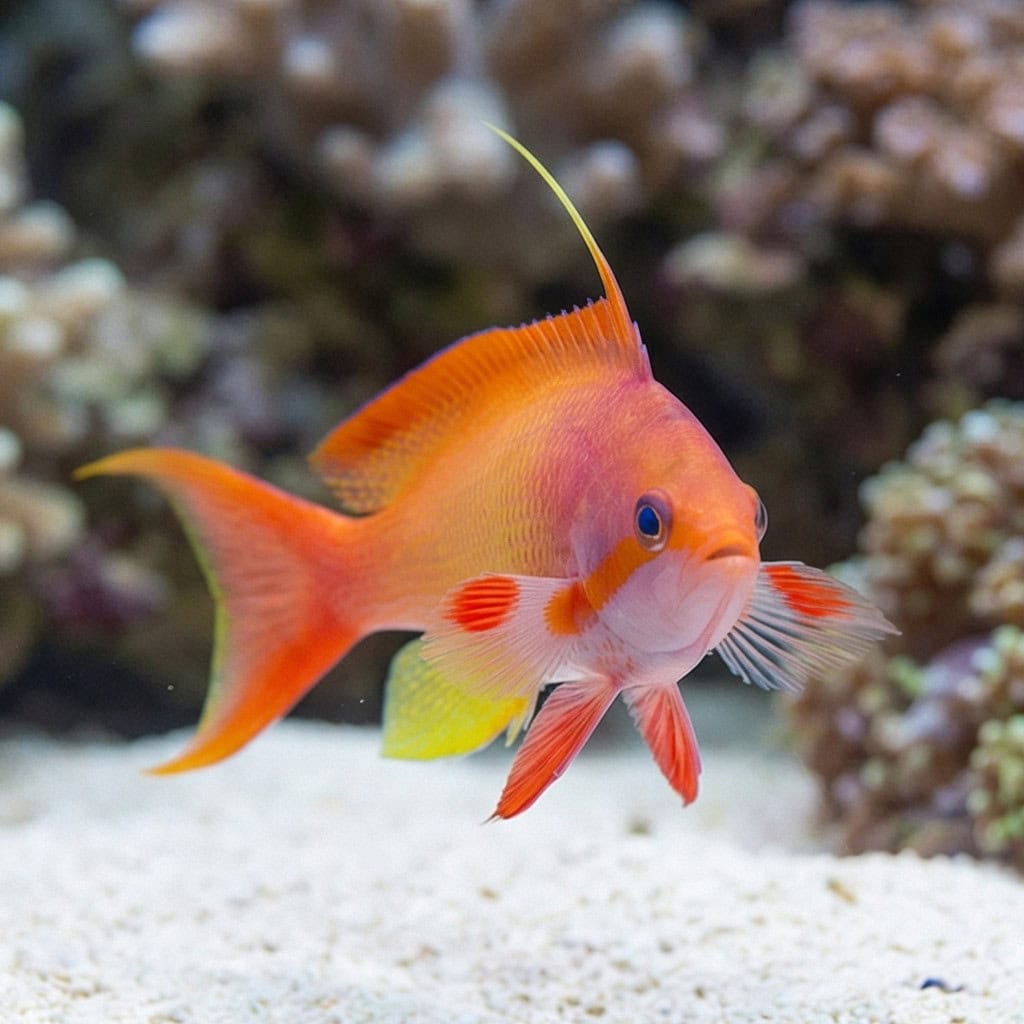
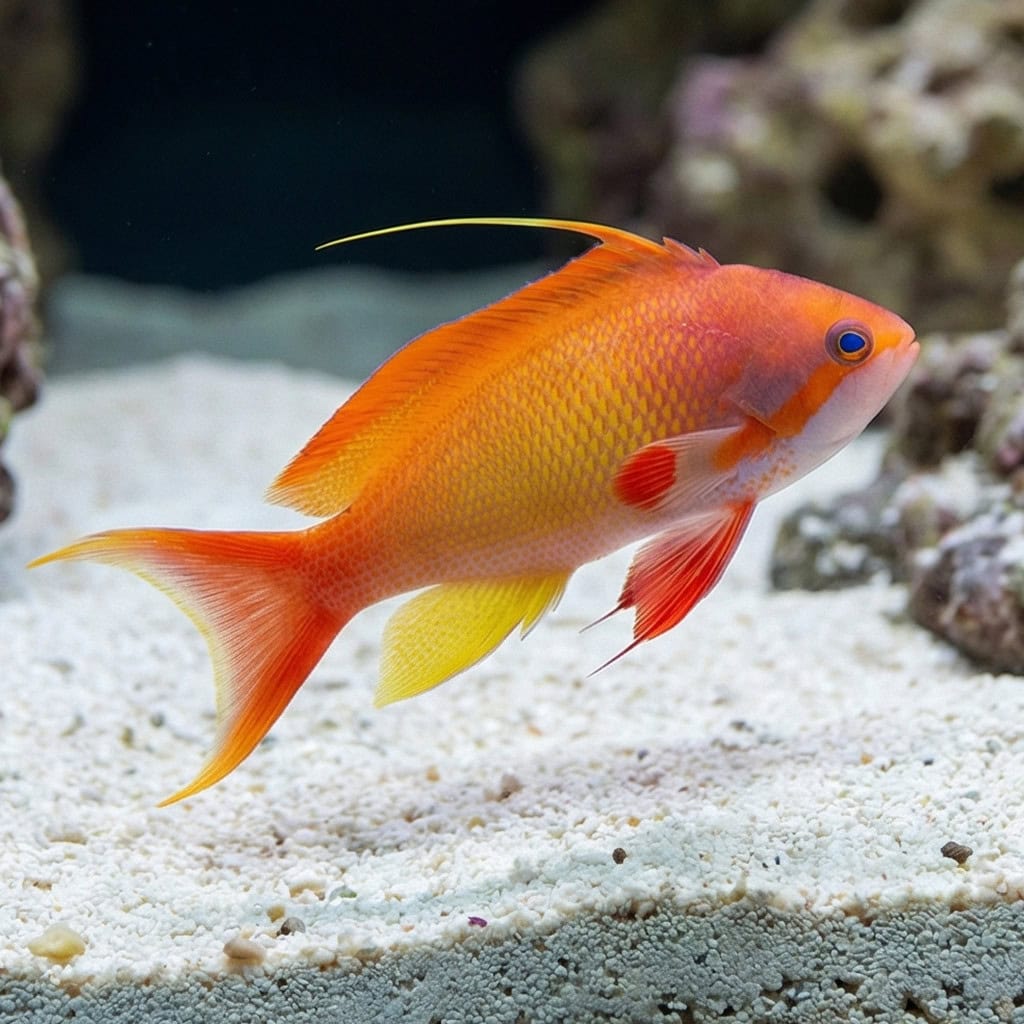
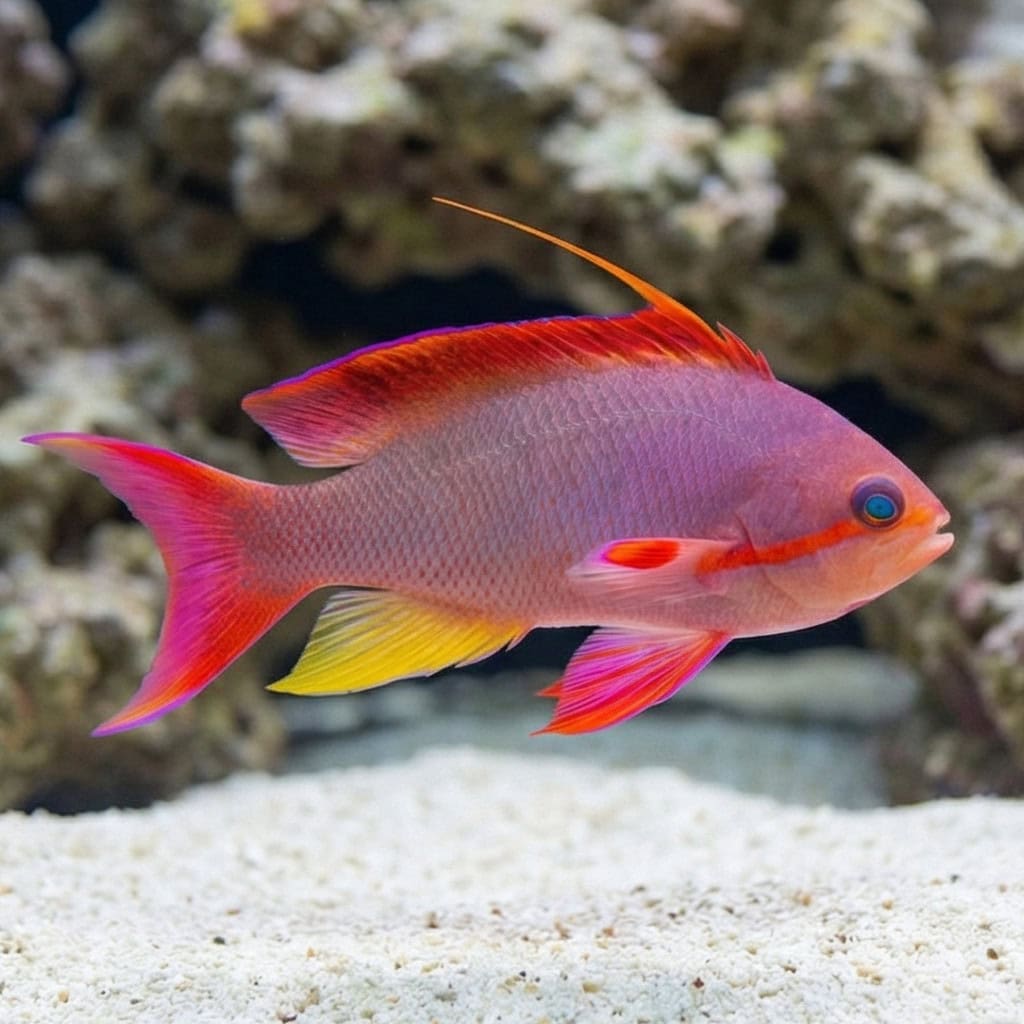
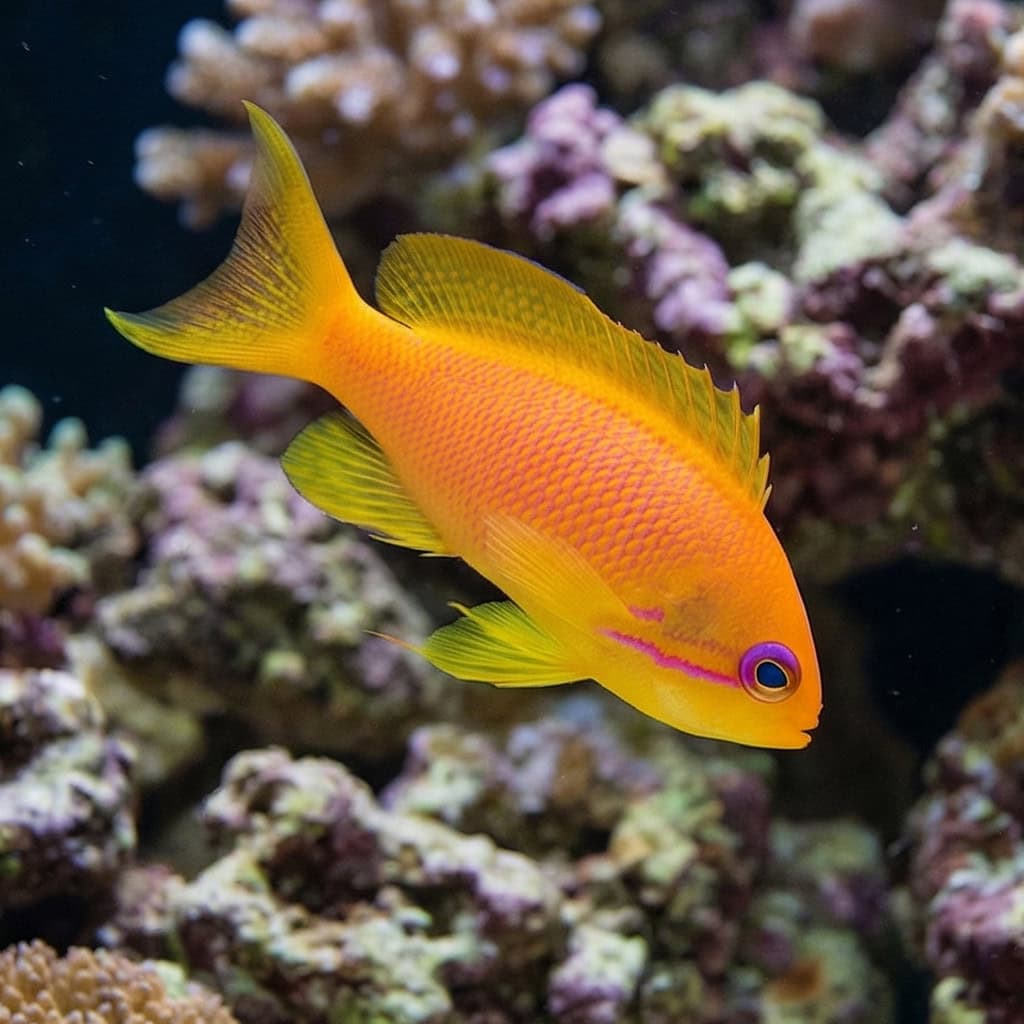
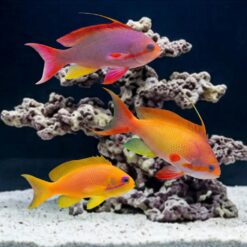
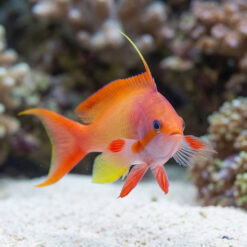
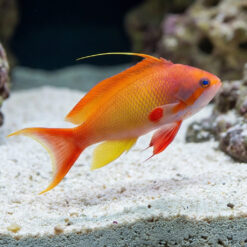
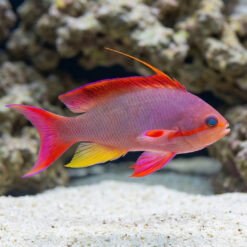
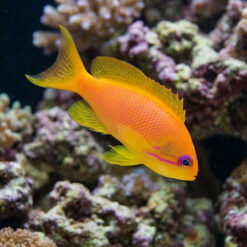
The Lyretail Anthias (Pseudanthias squamipinnis) is an orange-to-red, midwater reef fish often kept for active schooling and harem behavior. Males typically show deeper red tones and extended “lyre” tail streamers, while females stay more orange.
What You’ll Observe:
- Hovering in the water column and facing into flow, especially in open areas of the reef
- A dominant fish “herding” the group and doing quick display passes through the water column
- Strong feeding response to small, suspended foods (pellets and fine frozen foods)
- Using rockwork as a quick retreat zone, then returning to the same midwater “patrol” areas
For best results, provide a 125-gallon-class aquarium with open swimming room plus plenty of rockwork to break lines of sight. Offer small portions multiple times per day so food stays in the water column long enough for everyone to eat. Lyretails are commonly kept as one male with multiple females when space allows.
Why does my male chase the females so much?
This is commonly reported “herding” and hierarchy behavior in established harems. Consistent feeding and plenty of rockwork to create visual breaks usually makes day-to-day interactions look more even.
Do Lyretail Anthias really need multiple small feedings?
Many keepers have the best long-term results when food is offered in smaller portions more than once daily, since the fish is built to take suspended bites from the water column. An auto-feeder for pellets can help keep feeding consistent.
Can I buy all females and let one turn male over time?
This species is known for sex change, and hobbyists often observe the largest or most dominant female transitioning when a male is not present. In groups, watch for more than one fish starting to show male traits at the same time.
Is lip-locking or fin nipping normal when a group is new?
New groups often go through a short “sorting out” period as a hierarchy forms. Most reports describe this calming down once the group settles into a routine and everyone is eating well.
Why is one anthias eating less even though the others eat fine?
Keepers commonly report that a dominant fish may spend more time displaying/chasing than eating, or a lower-ranking fish may hang back during fast feedings. Spreading food out across the tank and using smaller, slower-sinking foods can help.
Each fish is checked for strong appetite and activity before we approve it for your tank.
Recently viewed products