
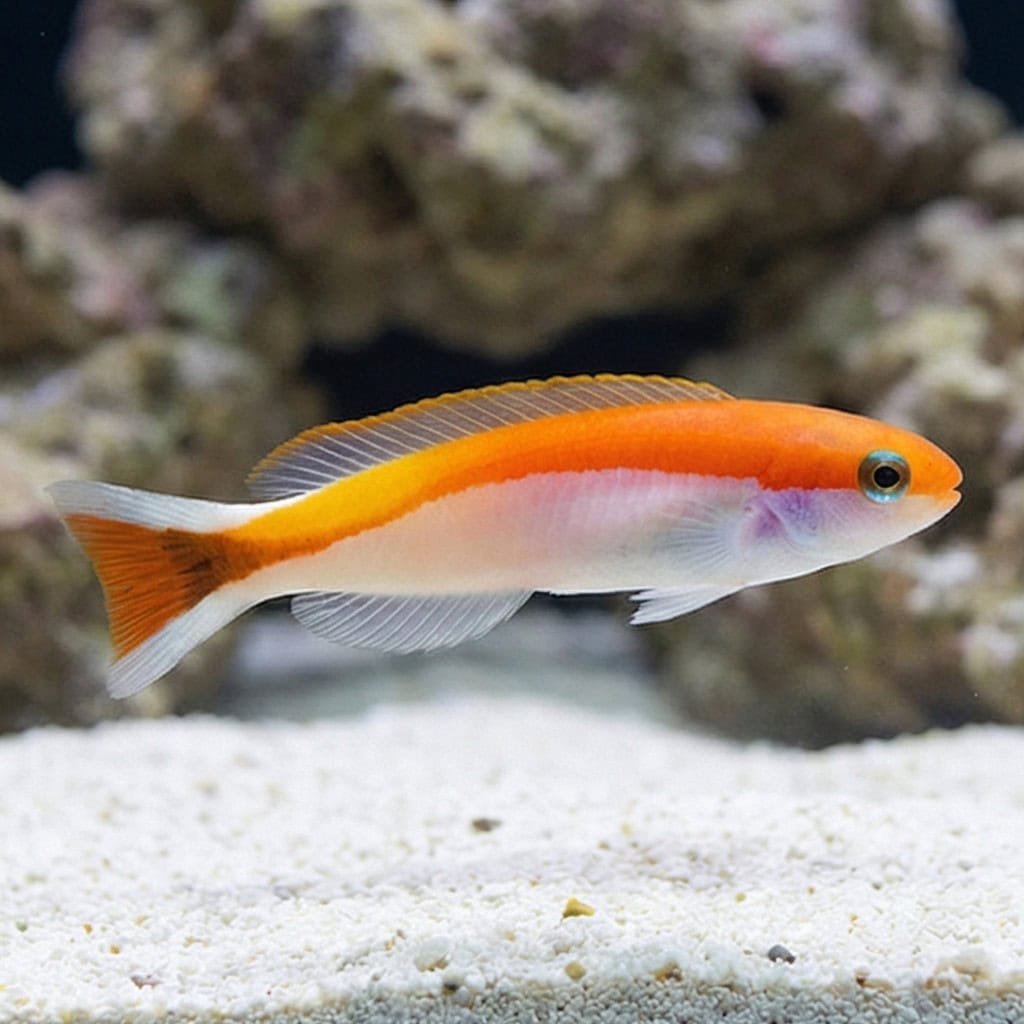
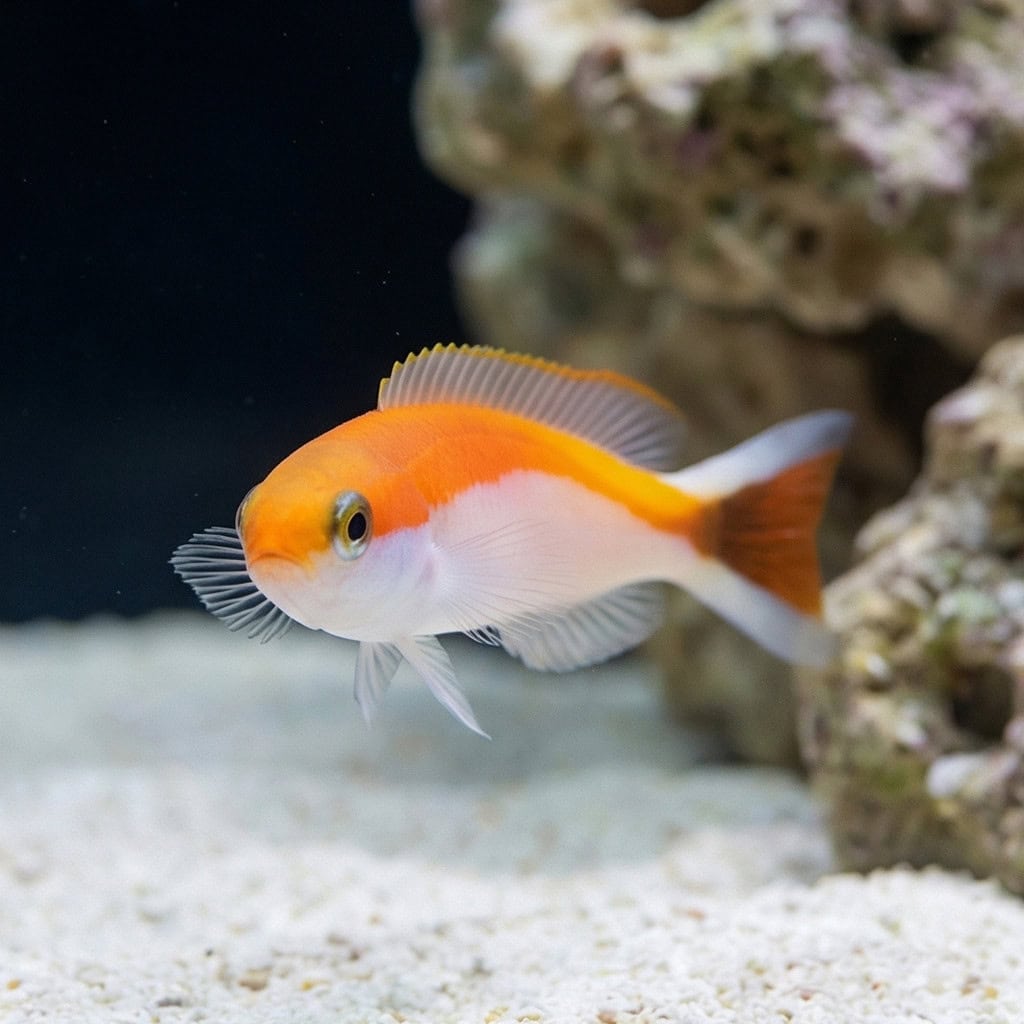
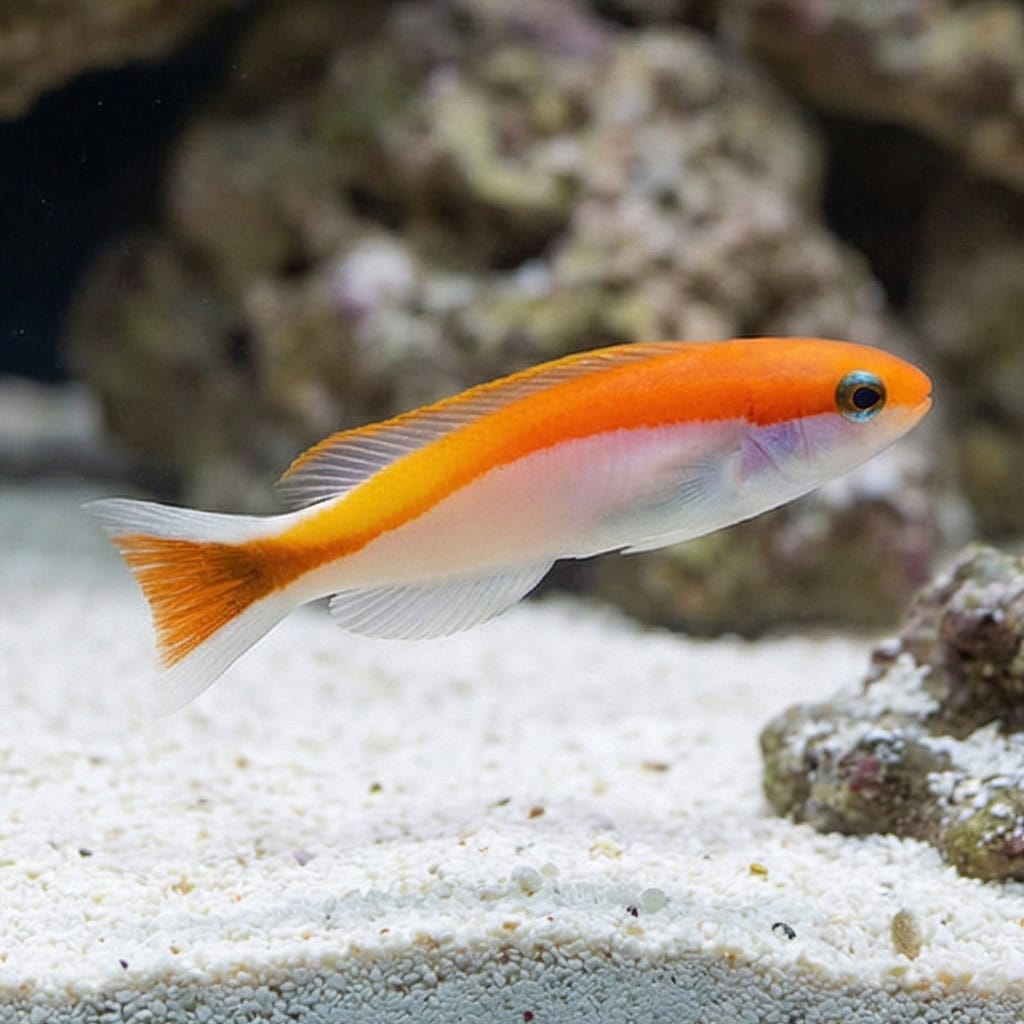
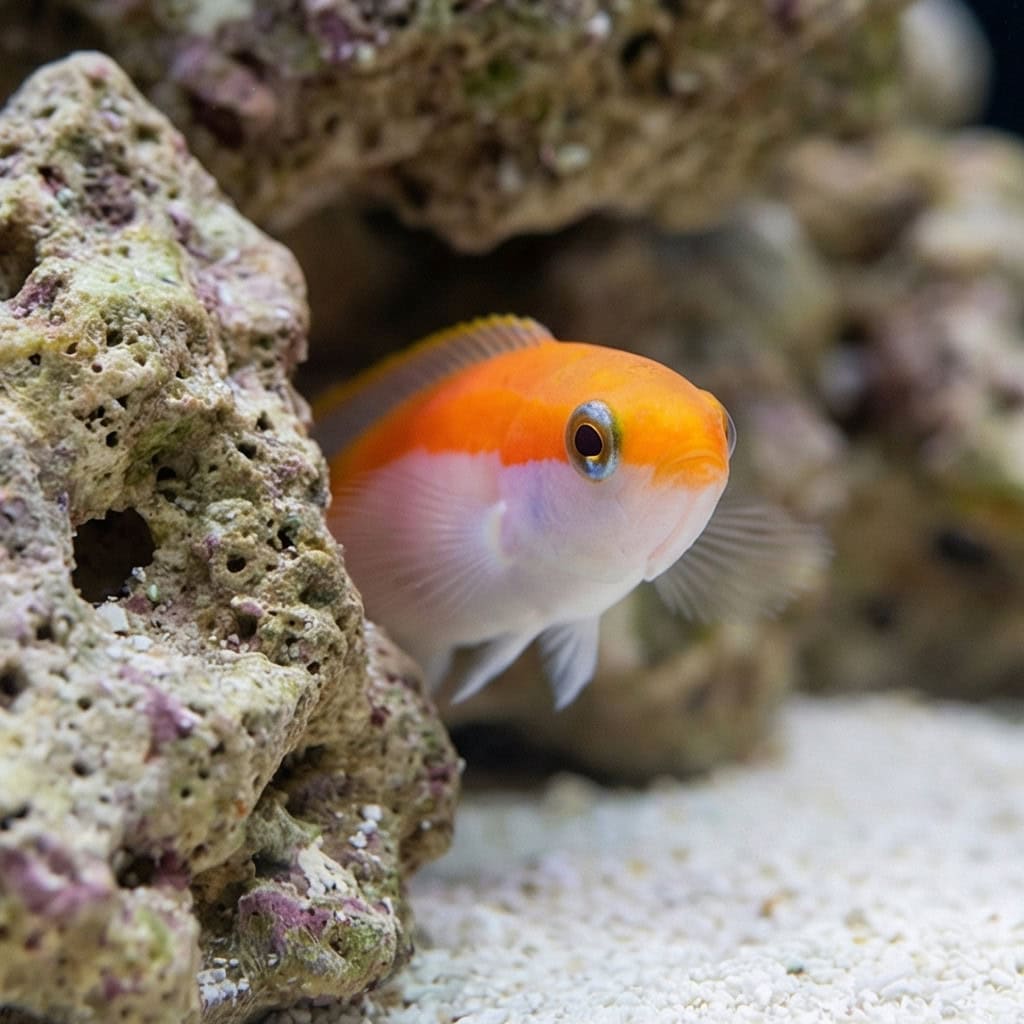
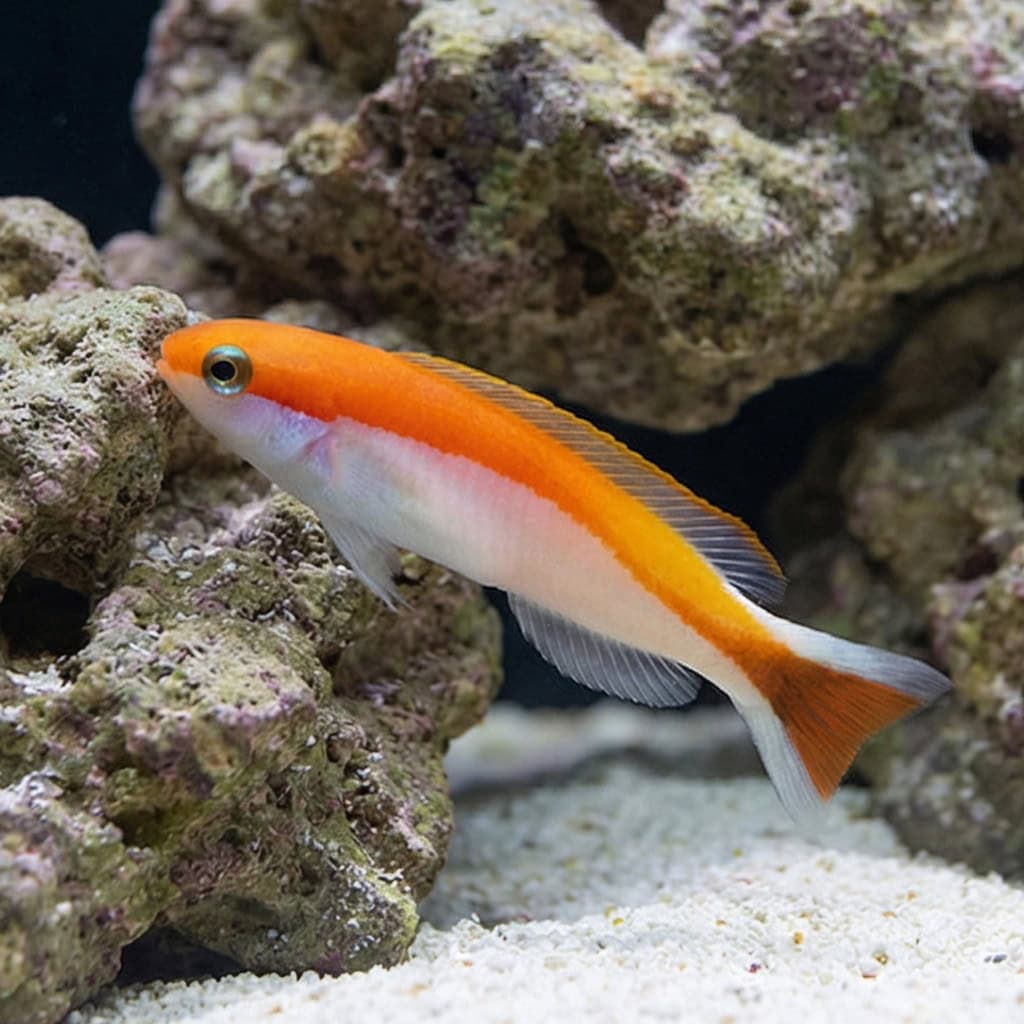
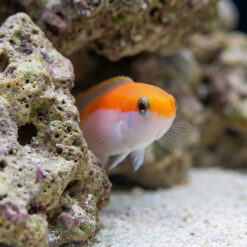
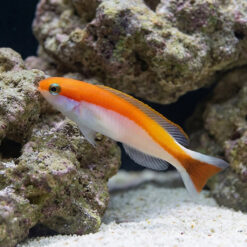
Redlined Skunk Tilefish
Hoplolatilus marcosi
Original price was: $243.99.$127.99Current price is: $127.99.
| Stock | Variations | Price | Quantity | |
|---|---|---|---|---|
| Only 3 left | 3.5 - 4.75" - Indo-Pacific | Original price was: $243.99.$127.99Current price is: $127.99. |
-
+
|
Every order ships with our standard 3-hour live arrival guarantee. Need more time? Add our 5-Day Guarantee at checkout.
Full guarantee terms →Ships Monday – Thursday for next-day arrival at your nearest FedEx Hold location — typically ready by 9 AM. We monitor every delivery.
Shipping details →
Monday – Friday 8 AM – 9 PM
Saturday 12 PM – 4 PM
Sunday 12 PM – 9 PM
Healthy, stable animals from vetted suppliers — inspected before packing, shipped overnight. Decades of experience built this model so we can deliver premium livestock at 30%+ less than you'd pay elsewhere.
| Care Level | Expert |
|---|---|
| Temperament | Peaceful |
| Reef Safe | Yes |
| Functional Benefit | Ornamental Only |
| Diet Type | Planktivore |
| Mininum Tank Size | 70 gallons |
| Max Size | 5 inches |
| Temperature | 72–78°F |
| pH Range | 8.1–8.4 |
| Specific Gravity | 1.022–1.025 |
The Redlined Skunk Tilefish (Hoplolatilus marcosi) is a slender sand tilefish with a clean, pale body and a distinct red stripe along the side that can look darker from a distance. Native to the western central Pacific, it is most often seen hovering just above open sand near a chosen retreat area.
What You’ll Observe:
- Hovering in the open water column, usually a few inches to a foot above the sand
- Picking a “home zone” and returning to it throughout the day
- Quick, dart-like dives into its retreat when startled, then reappearing to resume hovering
- Snapping small foods out of the water column during feeding time
- Subtle rearranging of small rubble pieces near its preferred spot
Provide a fine sand bed with scattered rubble so it can establish a comfortable retreat area, and keep the aquascape open around that zone. Because dartfish and tilefish are known jumpers, a tight-fitting cover helps keep the day-to-day routine calm and consistent. Offer small meaty foods that stay suspended (like finely chopped frozen blends) so it can feed naturally in the water column.
Does this fish require sand, or can it be kept bare-bottom?
Most keepers have the best long-term results with sand available, since this species is closely associated with sand/rubble areas and uses the substrate zone as part of its daily routine.
Is it normal for a new tilefish to “park” in one area and only make short swims?
Yes—many settle in by choosing a single retreat area first, then expanding their cruising range as the tank becomes familiar and feeding times become predictable.
What practical lid details do hobbyists focus on for tilefish?
They commonly aim for fully covered openings around light mounts, overflows, and feeding doors, and many prefer finer mesh to reduce small escape gaps.
Will it move rubble (or small loose frags) around?
It can—some individuals pick up and reposition small pieces near their chosen spot, so placing loose frags on stable racks or secured plugs helps keep your layout consistent.
What’s a typical “first foods” approach if it ignores prepared food at first?
Many hobbyists start with smaller, more tempting options (tiny frozen foods offered in several small feedings), then transition to the regular frozen mix once it’s eating confidently.
We work with trusted suppliers who keep our specimens healthy and well-fed before shipping.
Recently viewed products