
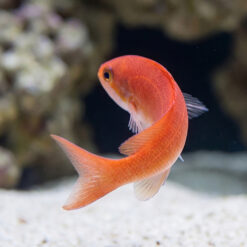
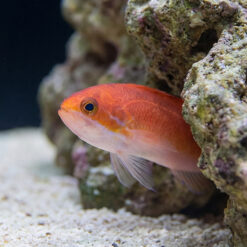
Stigmaticus Sailfin Anthias
Rabaulichthys stigmaticus
| Stock | Variations | Price | Quantity |
|---|
Every order ships with our standard 3-hour live arrival guarantee. Need more time? Add our 5-Day Guarantee at checkout.
Full guarantee terms →Ships Monday – Thursday for next-day arrival at your nearest FedEx Hold location — typically ready by 9 AM. We monitor every delivery.
Shipping details →
Monday – Friday 8 AM – 9 PM
Saturday 12 PM – 4 PM
Sunday 12 PM – 9 PM
Healthy, stable animals from vetted suppliers — inspected before packing, shipped overnight. Decades of experience built this model so we can deliver premium livestock at 30%+ less than you'd pay elsewhere.
| Care Level | Moderate |
|---|---|
| Temperament | Peaceful |
| Reef Safe | Yes |
| Functional Benefit | Ornamental Only |
| Diet Type | Planktivore |
| Mininum Tank Size | 70 gallons |
| Max Size | 3 inches |
| Temperature | 72–78°F |
| pH Range | 8.1–8.4 |
| Specific Gravity | 1.022–1.025 |
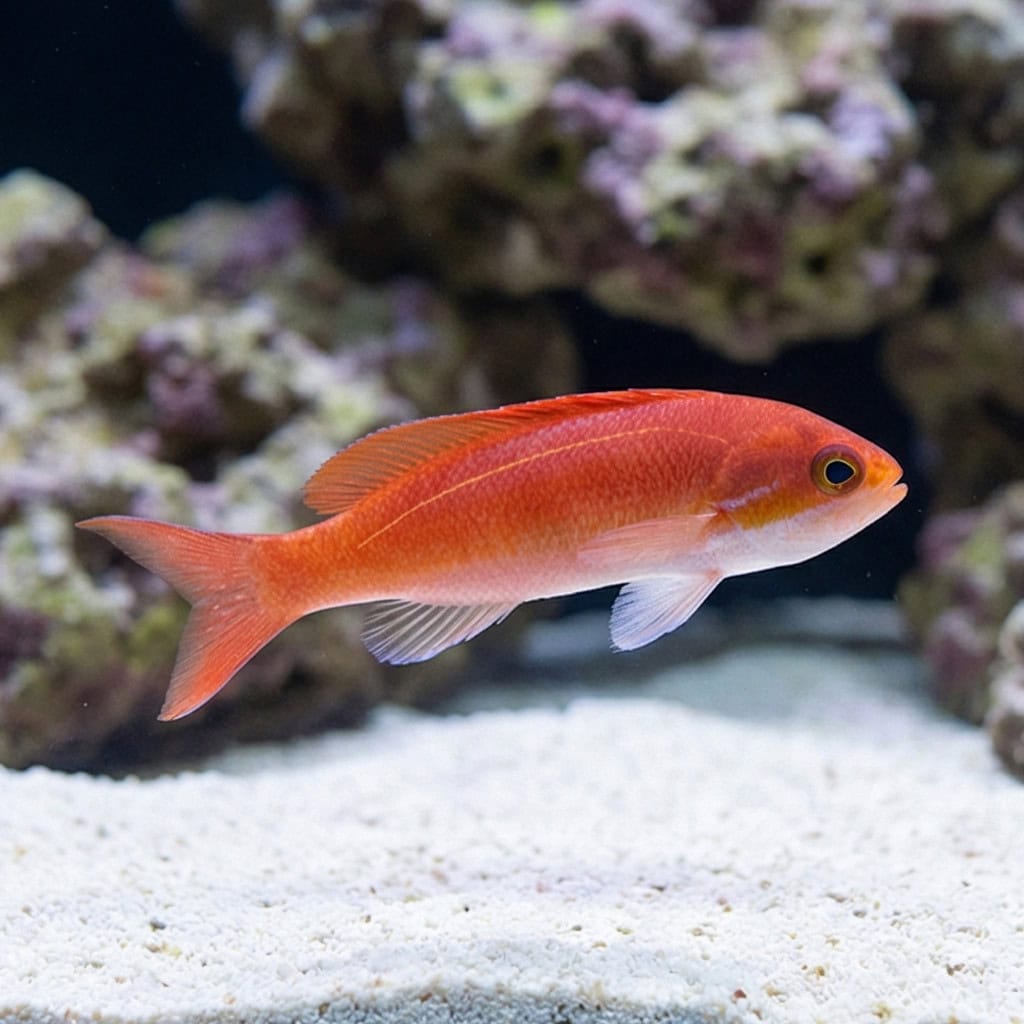
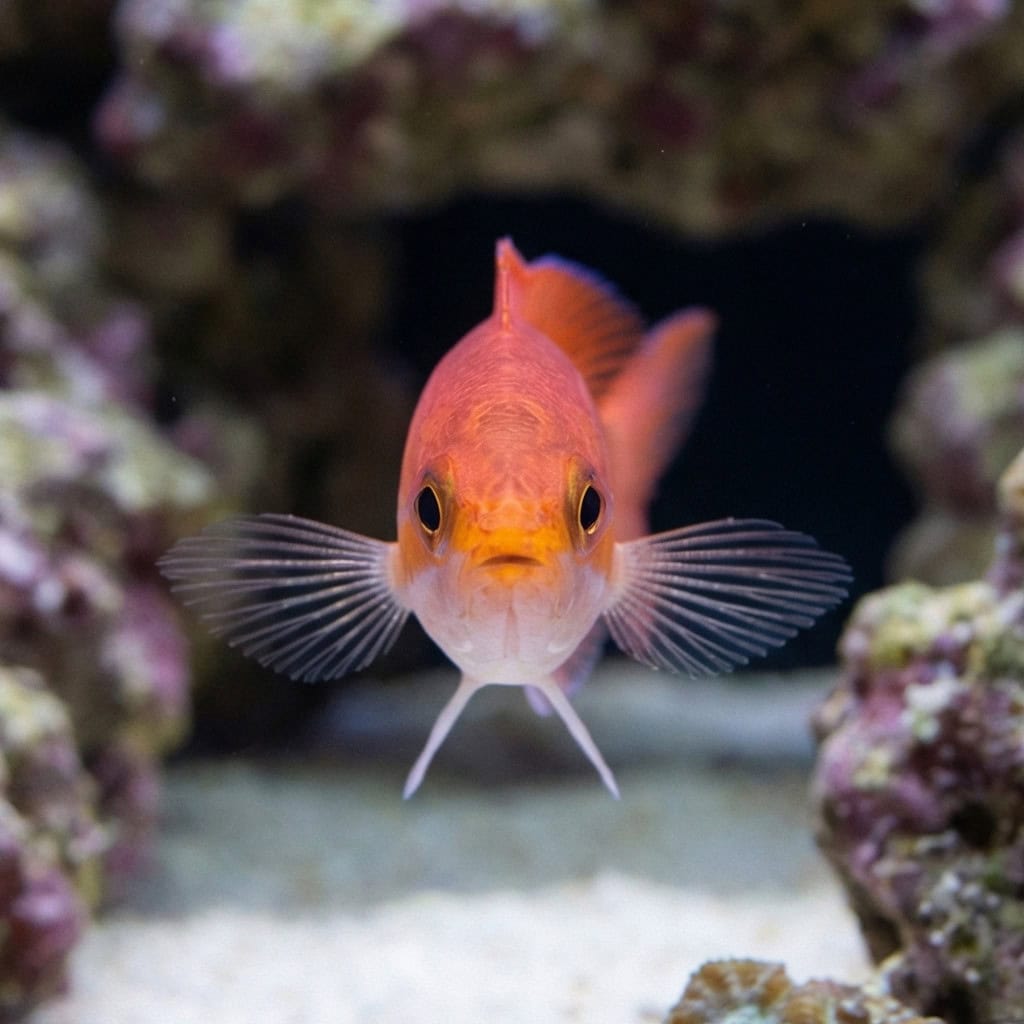
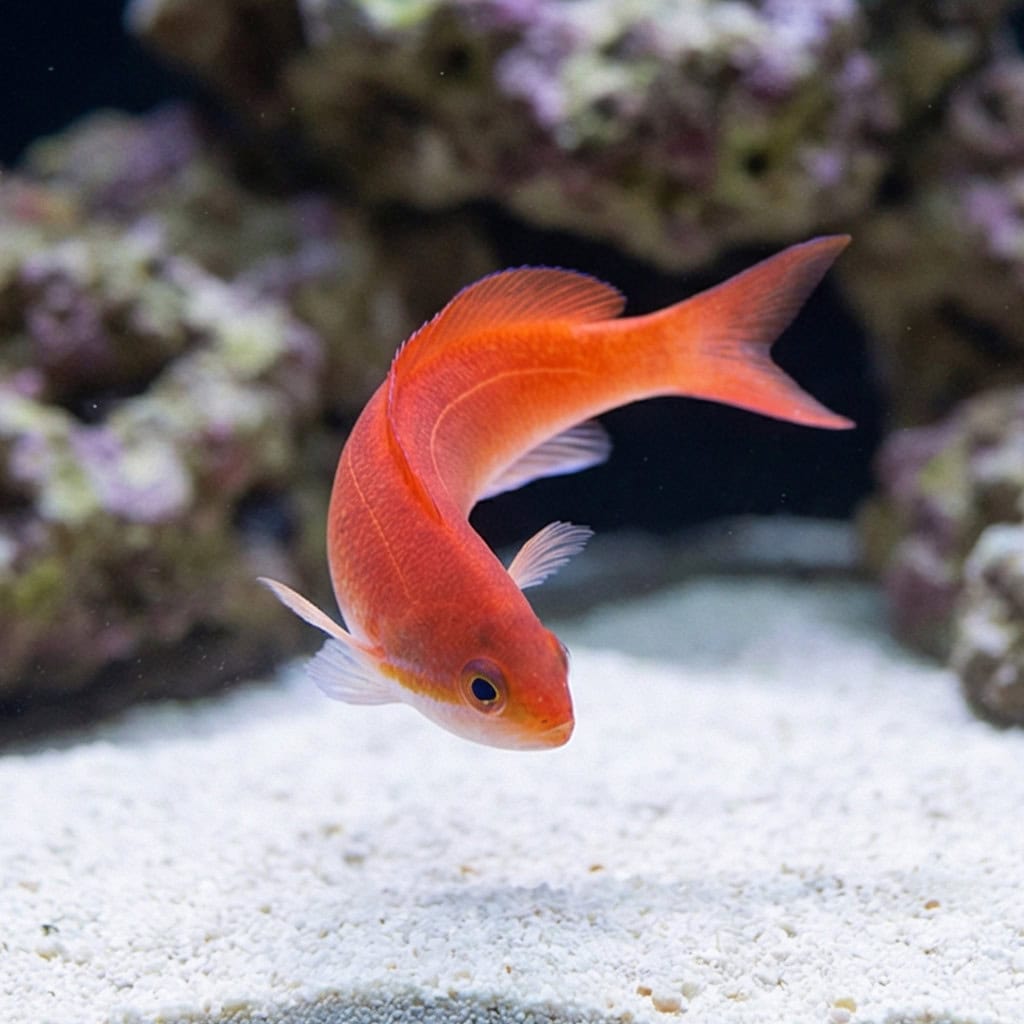
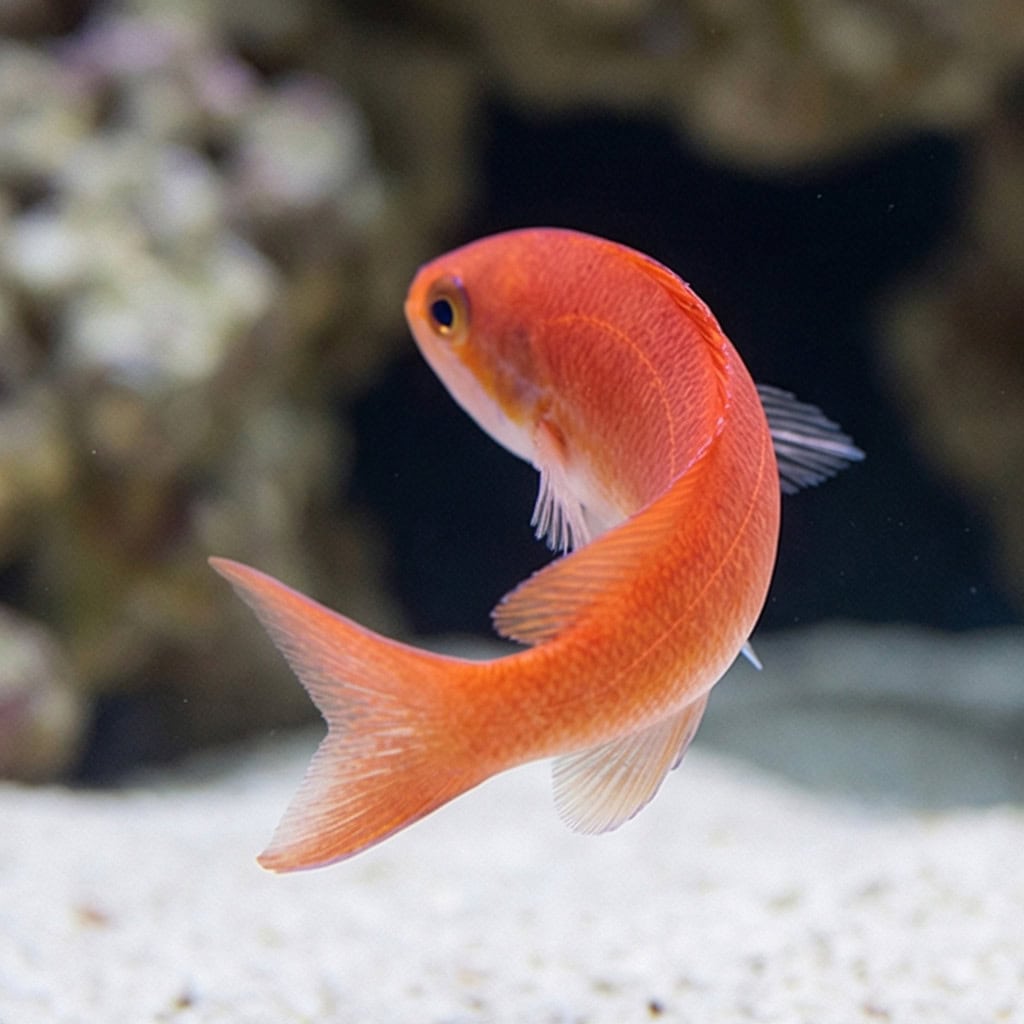
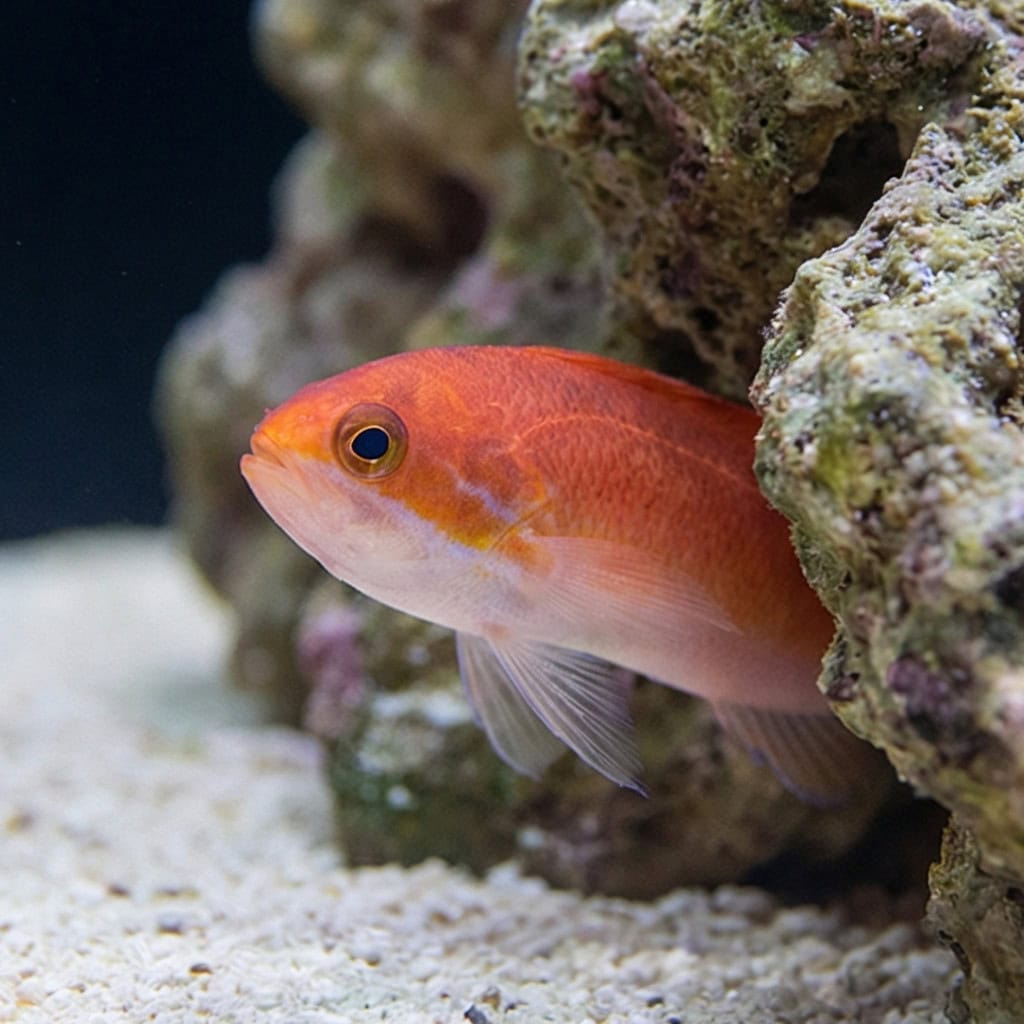
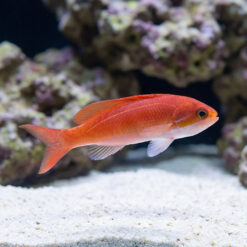
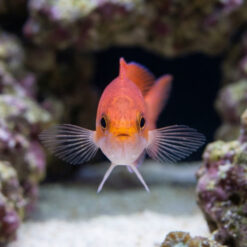
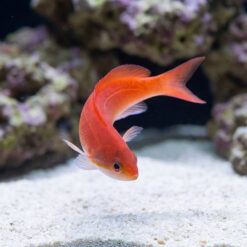
The Stigmaticus Sailfin Anthias (Rabaulichthys stigmaticus) is a small, open-water anthias known for a tall, sail-like dorsal fin that it flashes during social displays. It’s a reef-associated planktivore from the Western Indian Ocean and is well-suited to reef tanks where its movement stays in the water column rather than on the rock.
What You’ll Observe:
- Hovering and short, quick swims in the midwater, especially when food is introduced
- Display moments where the dorsal fin is raised and “flashed” toward tankmates
- A consistent “water-column feeder” pattern—tracking particles as they drift in the flow
- More natural grouping behavior when kept with other small, non-competitive planktivores
Provide open swimming room with broken rockwork (multiple ledges and shaded pockets) so the fish can move between water column and shelter throughout the day. Offer small, frequent plankton-sized foods (fine frozen blends and small sinking/slow-sinking micro-pellets) to match its natural feeding rhythm; many keepers use an auto-feeding schedule to keep portions consistent. In groups, a single standout individual typically becomes the dominant display fish over time.
Can it be kept as a single, or does it “act different” in a group?
It can be kept singly, but many aquarists report more natural midwater behavior and more frequent display when several are kept together.
Will it take pellets, or is it usually a frozen-only fish?
Many hobbyists start with fine frozen foods and then transition to small pellets by mixing them into the same feeding window so pellets become part of the routine.
Do anthias do better with an auto-feeder, and where should it dispense?
A common approach is several tiny feedings spread out across the day; hobbyists often dispense in the display near flow for distribution, and some also mount feeders near the return area if it helps spread food evenly.
Why do common names feel inconsistent (sailfin / amethyst / purple queen)?
Hobbyists frequently note “sailfin” is used for multiple anthias in conversation; using the scientific name helps avoid mix-ups with similarly named species.
Will it compete too strongly at feeding time in a mixed community?
Keepers often find anthias learn the feeding schedule quickly; distributing food across the flow (rather than one spot) helps the whole tank feed more evenly.
Each fish is checked for strong appetite and activity before we approve it for your tank.
Recently viewed products