
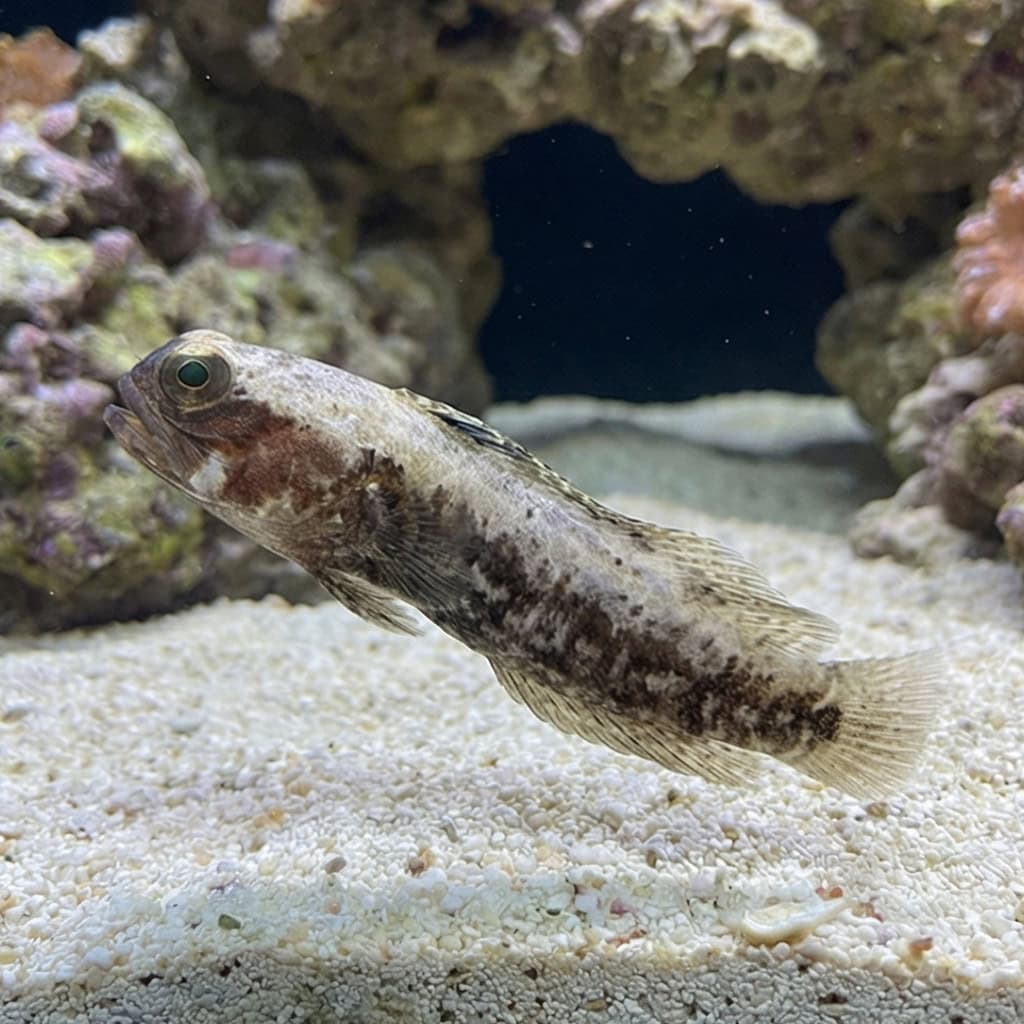
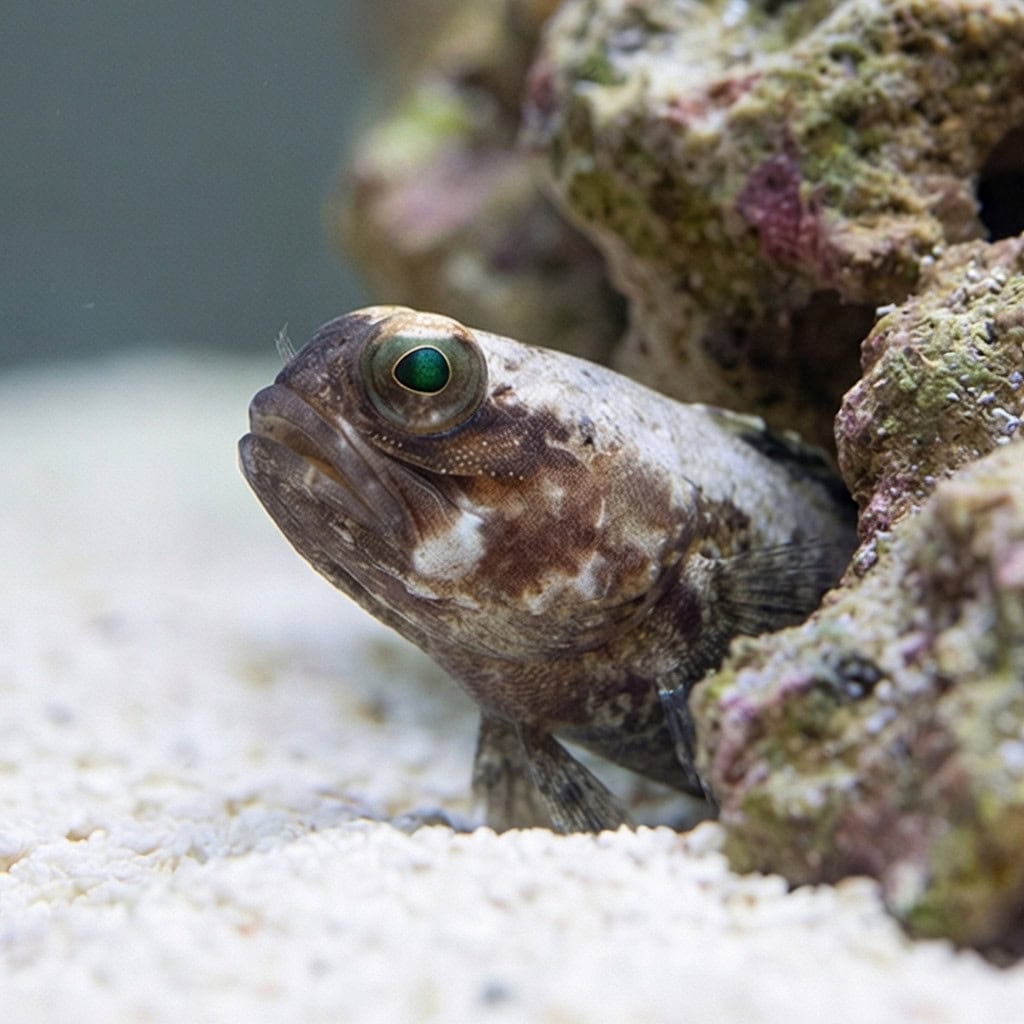
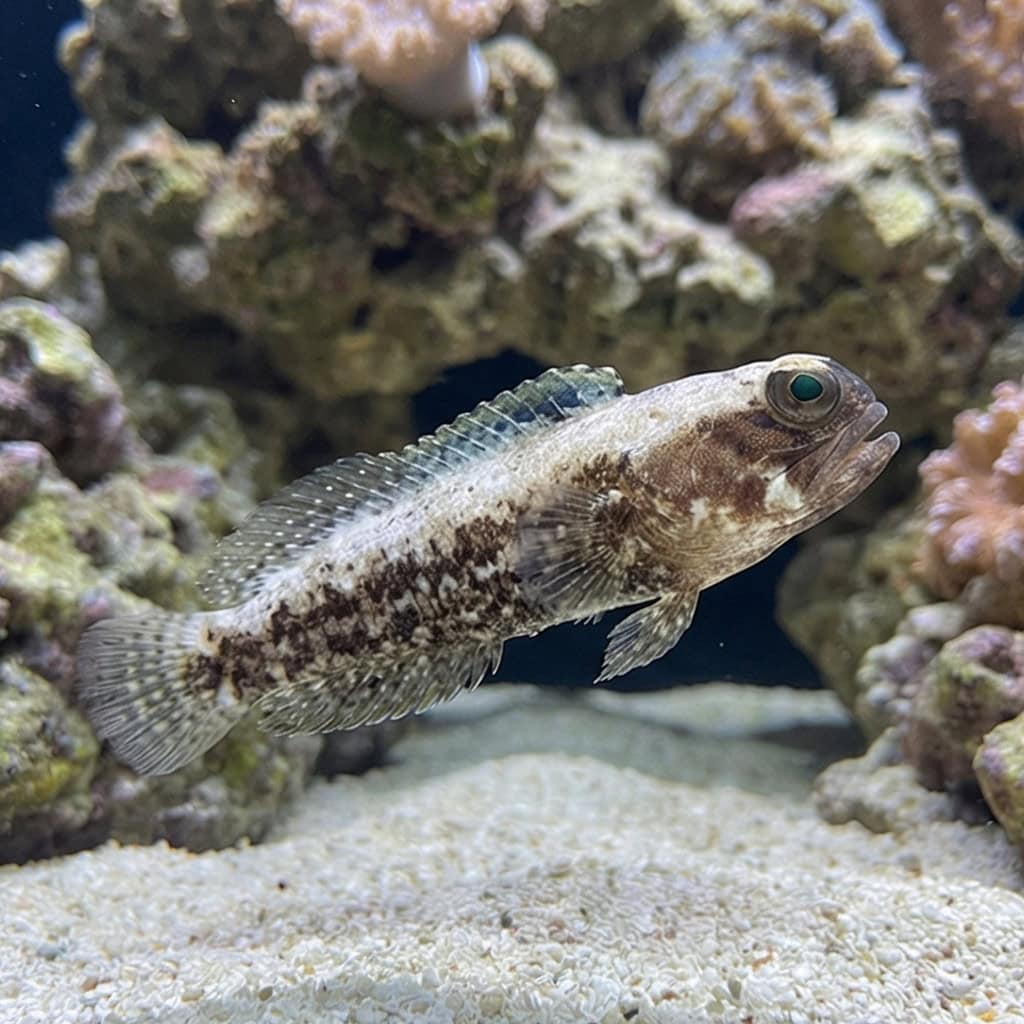
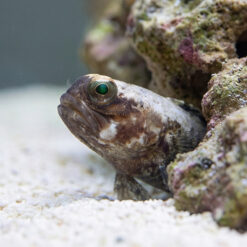
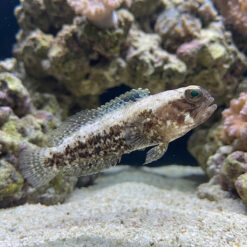
Dusky Jawfish
Opistognathus whitehursti
| Stock | Variations | Price | Quantity |
|---|
Every order ships with our standard 3-hour live arrival guarantee. Need more time? Add our 5-Day Guarantee at checkout.
Full guarantee terms →Ships Monday – Thursday for next-day arrival at your nearest FedEx Hold location — typically ready by 9 AM. We monitor every delivery.
Shipping details →
Monday – Friday 8 AM – 9 PM
Saturday 12 PM – 4 PM
Sunday 12 PM – 9 PM
Healthy, stable animals from vetted suppliers — inspected before packing, shipped overnight. Decades of experience built this model so we can deliver premium livestock at 30%+ less than you'd pay elsewhere.
| Care Level | Easy |
|---|---|
| Temperament | Peaceful |
| Reef Safe | Yes |
| Functional Benefit | Ornamental Only |
| Diet Type | Carnivore |
| Mininum Tank Size | 30 gallons |
| Max Size | 4 inches |
| Temperature | 72–78°F |
| pH Range | 8.1–8.4 |
| Specific Gravity | 1.022–1.025 |
The Dusky Jawfish (Opistognathus whitehursti) is a Caribbean jawfish known for living in a sand-and-rubble burrow it builds and maintains. Its body shows a mottled dark-brown pattern, with yellow tones and fine spotting on the rear fins, giving it a natural reef-flat camouflage look.
What You’ll Observe:
- Station-keeping at a chosen “home base,” with the head posted at the burrow entrance
- Shells and small rubble pieces being picked up, moved, and placed like building material
- Quick “dash out and back” feeding moves when small foods drift by
- Evening routine that often includes reshaping the entrance and tidying the surrounding sand
- Short bursts of vertical swimming that commonly show up around feeding time or near lights-out
Provide a sand area suitable for burrowing and include small shells or loose coral rubble so it can reinforce the tunnel entrance. Set rockwork on a stable base so any digging can’t undermine it, and use a tight-fitting lid to keep the tank fully covered. Offer small meaty foods (like mysis and finely chopped seafood) in portions it can grab from the water column near its burrow.
Do they move their burrow to a new spot after they’ve settled in?
It’s common to see a jawfish “test” a couple areas before committing, especially after a change in rockwork or flow. Once the spot feels right, they usually keep returning to the same entrance.
Why is it carrying shells, rubble, or mouthfuls of sand across the tank?
This is normal construction behavior. They use mixed pieces to shore up the tunnel and to shape the entrance into something that feels secure.
Can a jawfish rearrange frags or small items on the sand?
Yes—anything small and movable near the burrow can get shifted as part of the building routine. Keeping loose frags on a rack or a stable plug helps them stay put.
Is it normal for a jawfish to “seal” itself in at night?
Many jawfish close or narrow the entrance when the lights go down. In the morning, they typically reopen the entrance and resume their usual routine.
Can I encourage it to build where I can see it?
You can pre-place a small pile of shells/rubble by a shallow starter dip in the sand near the front. If it chooses that spot, it will usually keep improving the same entrance over time.
Shipped with pure oxygen and temperature control so it arrives stress-free and ready to eat.
Recently viewed products