
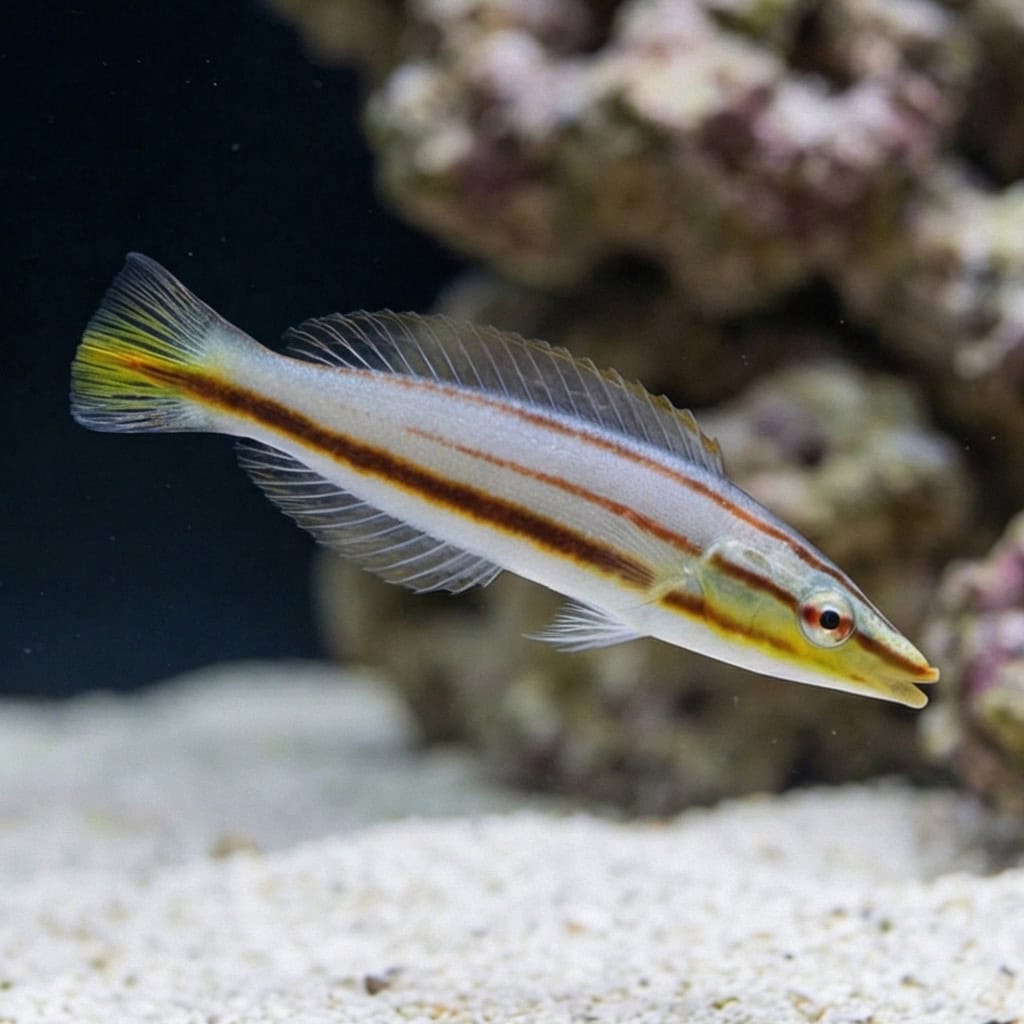
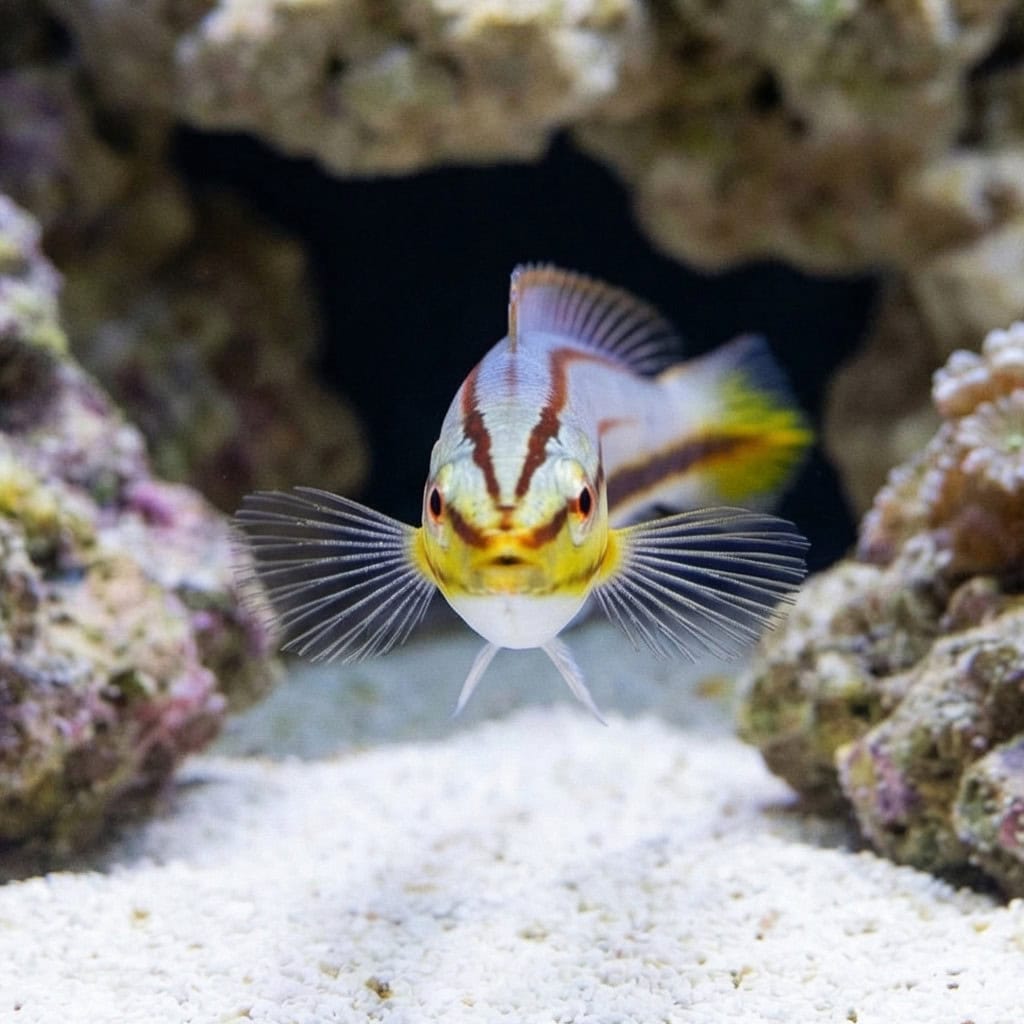
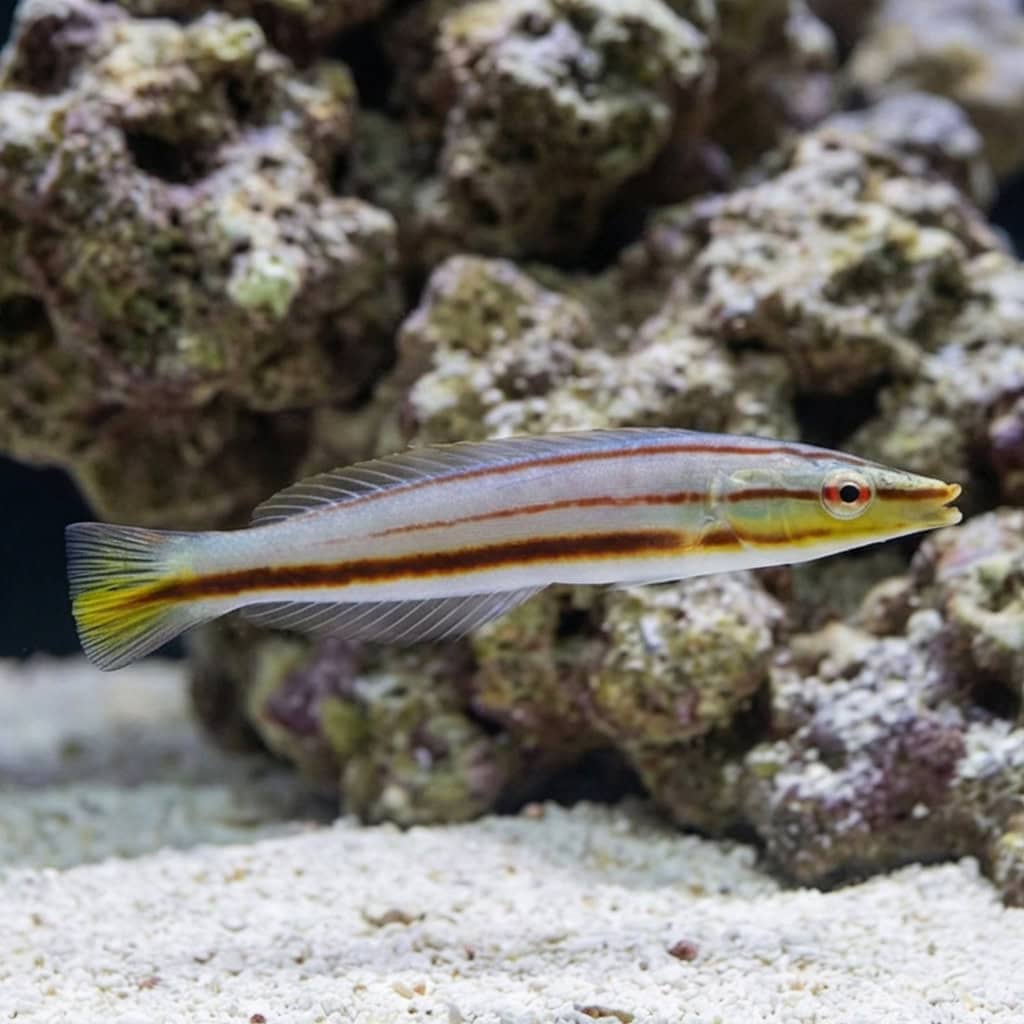
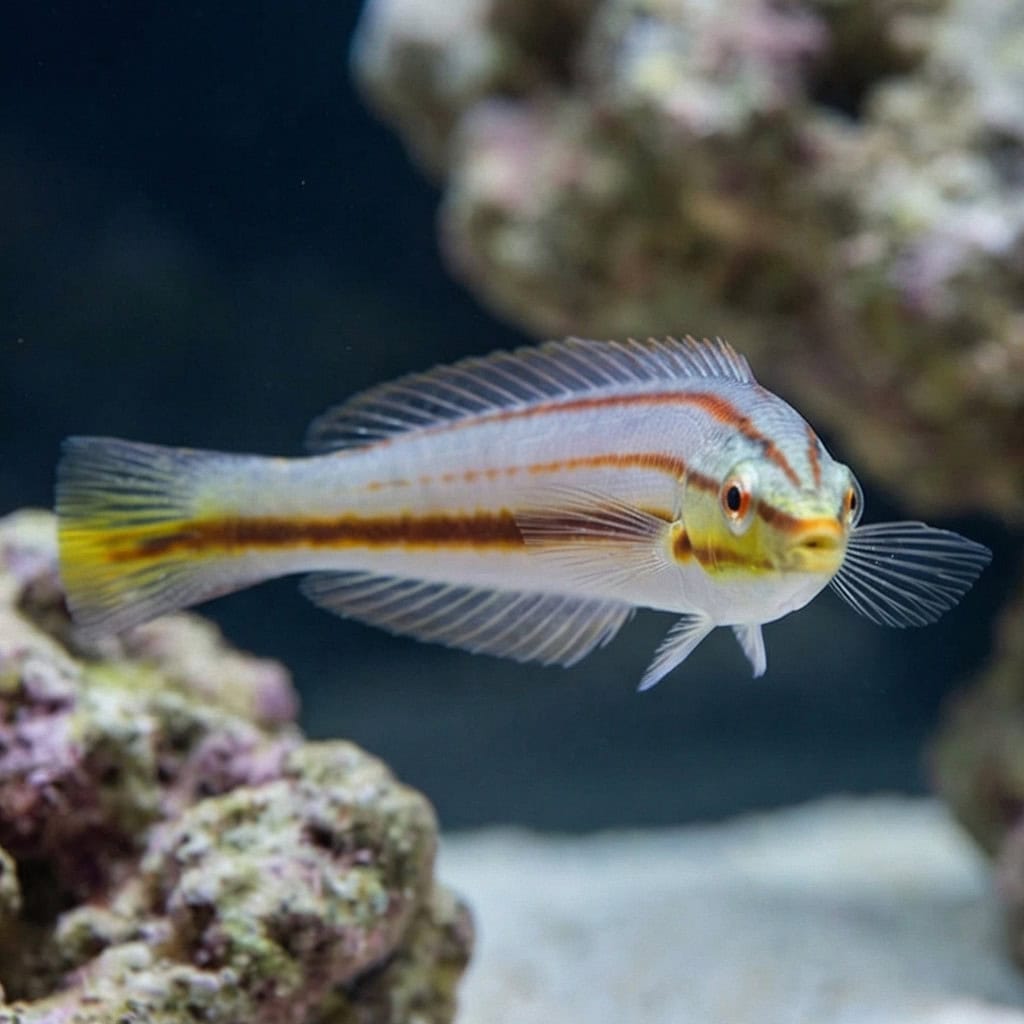
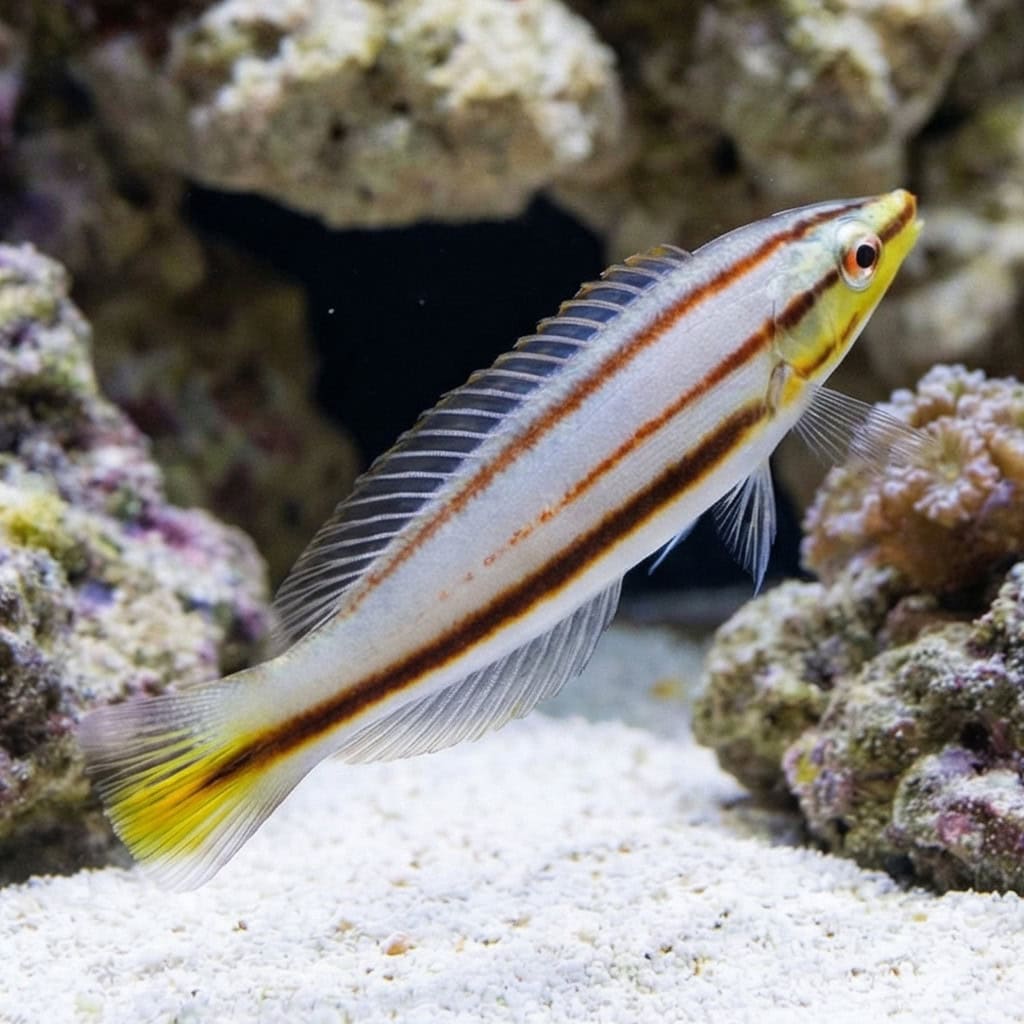
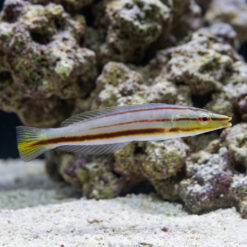
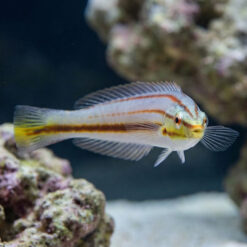
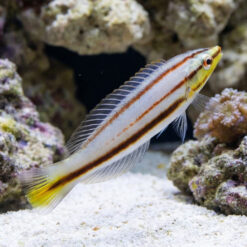
Pastel Slender Wrasse
Hologymnosus doliatus
| Stock | Variations | Price | Quantity |
|---|
Every order ships with our standard 3-hour live arrival guarantee. Need more time? Add our 5-Day Guarantee at checkout.
Full guarantee terms →Ships Monday – Thursday for next-day arrival at your nearest FedEx Hold location — typically ready by 9 AM. We monitor every delivery.
Shipping details →
Monday – Friday 8 AM – 9 PM
Saturday 12 PM – 4 PM
Sunday 12 PM – 9 PM
Healthy, stable animals from vetted suppliers — inspected before packing, shipped overnight. Decades of experience built this model so we can deliver premium livestock at 30%+ less than you'd pay elsewhere.
| Care Level | Moderate |
|---|---|
| Temperament | Semi-Aggressive |
| Reef Safe | With Caution |
| Functional Benefit | Ornamental Only |
| Diet Type | Carnivore |
| Mininum Tank Size | 180 gallons |
| Max Size | 18 inches |
| Temperature | 72–78°F |
| pH Range | 8.1–8.4 |
| Specific Gravity | 1.022–1.025 |
The Pastel Slender Wrasse (Hologymnosus doliatus) is an Indo‑Pacific wrasse with a long, narrow “ringwrasse/longface wrasse” body shape, and coloration that shifts by age and sex. Adults may show pastel bars and fine head lines, while juveniles often present simpler banding that becomes more complex as they mature.
What You’ll Observe:
- Long, steady cruising passes along the rockwork, with repeated “patrol routes” through the tank
- Quick bursts of speed to inspect crevices and shaded areas between rocks
- A noticeable day/night routine, with most activity concentrated during the light cycle
- Curious behavior toward moving foods, often circling the water column before striking
To help your wrasse settle in, provide a secure lid, generous open swimming room, and rockwork that creates caves and travel lanes. A sandy area is useful because many large wrasses rest by settling into the substrate at night. Offer meaty frozen foods (like mysis/brine) along with quality prepared foods in multiple small feedings.
Does this wrasse look different as it matures?
Yes—this species’ patterning can shift with growth, and males and females can look noticeably different from each other once mature. In many tanks, the biggest visual change is increased contrast and cleaner “bar” definition over time.
Can it be kept with other wrasses?
Often yes if the tank is large and the community is built thoughtfully. Most hobbyists have the easiest time mixing it with wrasses that aren’t very similar in body shape and that don’t compete for the exact same sleeping and foraging zones.
Why does it keep repeating the same lap around the tank?
That “loop” is a normal patrol pattern as it learns the aquascape and establishes a preferred route. Over time, the route usually expands as the fish gains confidence and begins to explore more of the tank.
Is it normal if it refuses pellets at first but eats frozen foods?
Yes. Many wrasses transition more reliably when frozen foods are offered first, then pellets are added gradually during the same feeding window so the fish associates them with feeding time.
Will it move sand or small rubble near the rockwork?
It can. When hunting, it may nudge or spit small pieces of sand and rubble, so frags do best when secured and placed where minor substrate movement won’t undermine them.
We source from vetted suppliers known for healthy, long-lived specimens.
Recently viewed products