
Africanus Angel
Holacanthus africanus
| Stock | Variations | Price | Quantity |
|---|
Every order ships with our standard 3-hour live arrival guarantee. Need more time? Add our 5-Day Guarantee at checkout.
Full guarantee terms →Ships Monday – Thursday for next-day arrival at your nearest FedEx Hold location — typically ready by 9 AM. We monitor every delivery.
Shipping details →
Monday – Friday 8 AM – 9 PM
Saturday 12 PM – 4 PM
Sunday 12 PM – 9 PM
Healthy, stable animals from vetted suppliers — inspected before packing, shipped overnight. Decades of experience built this model so we can deliver premium livestock at 30%+ less than you'd pay elsewhere.
| Care Level | Moderate |
|---|---|
| Temperament | Semi-Aggressive |
| Reef Safe | No |
| Functional Benefit | Ornamental Only |
| Diet Type | Omnivore |
| Mininum Tank Size | 250 gallons |
| Max Size | 18 inches |
| Temperature | 72–78°F |
| pH Range | 8.1–8.4 |
| Specific Gravity | 1.022–1.025 |
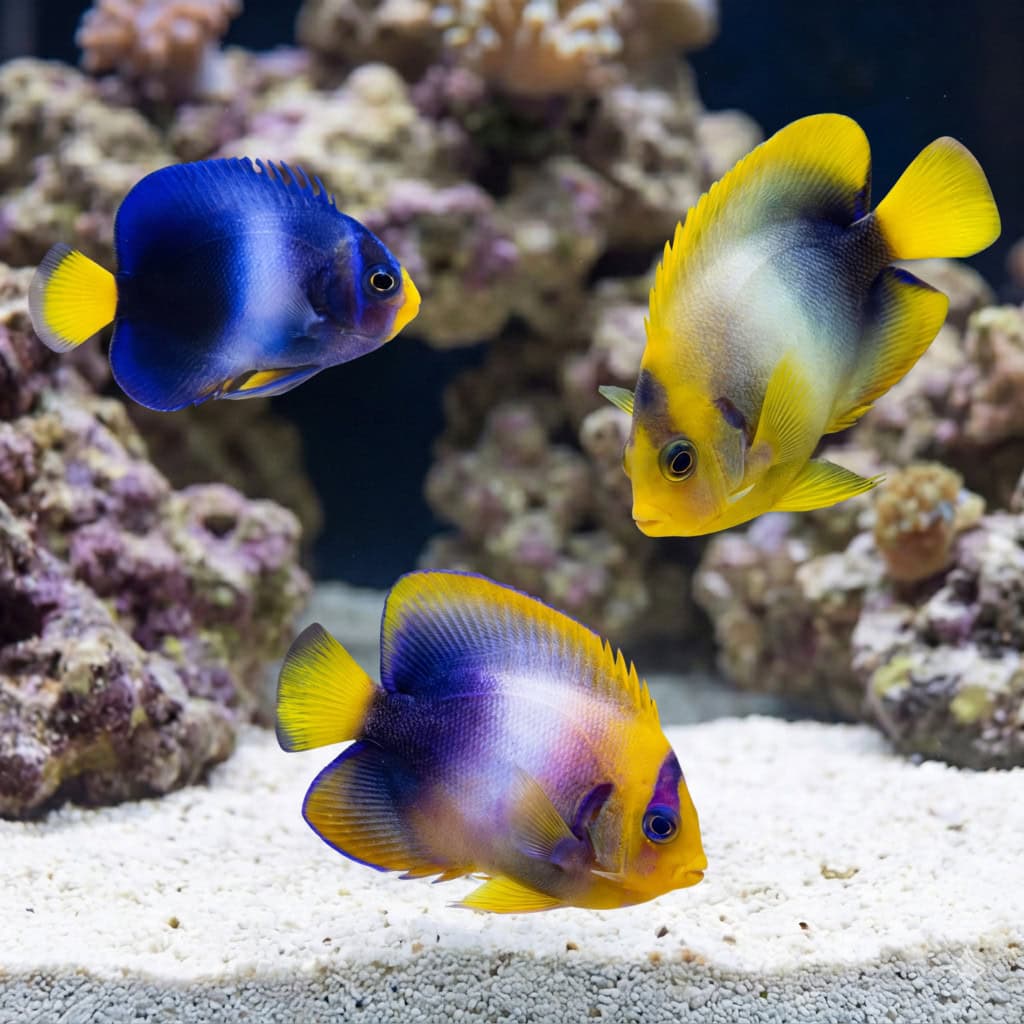
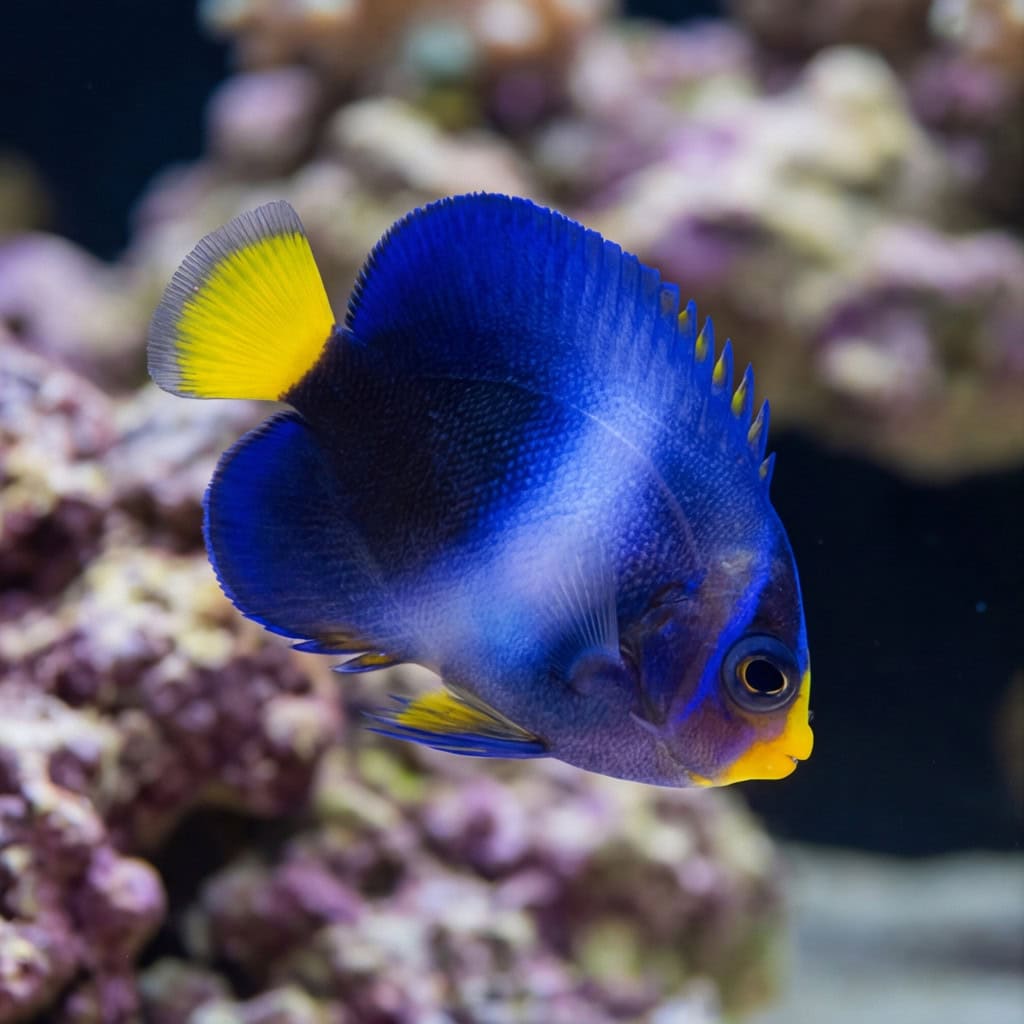
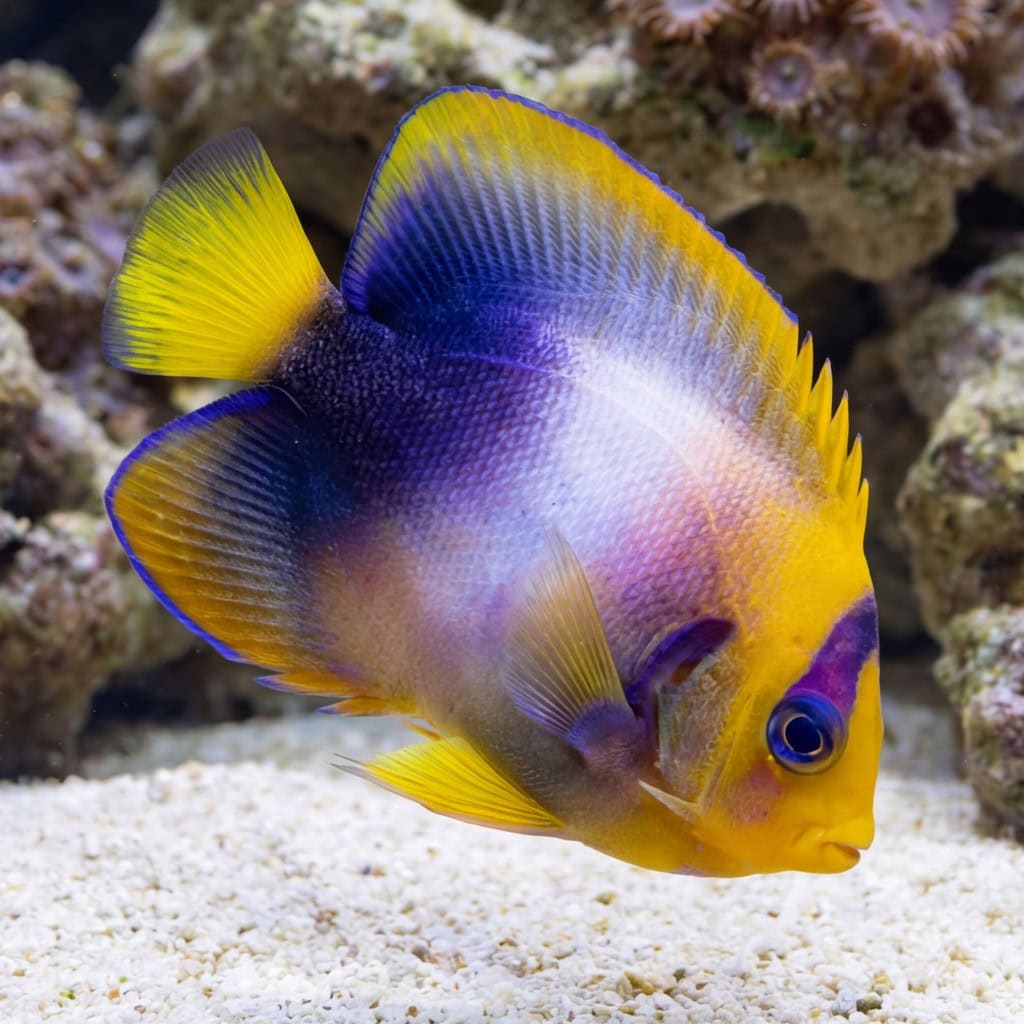
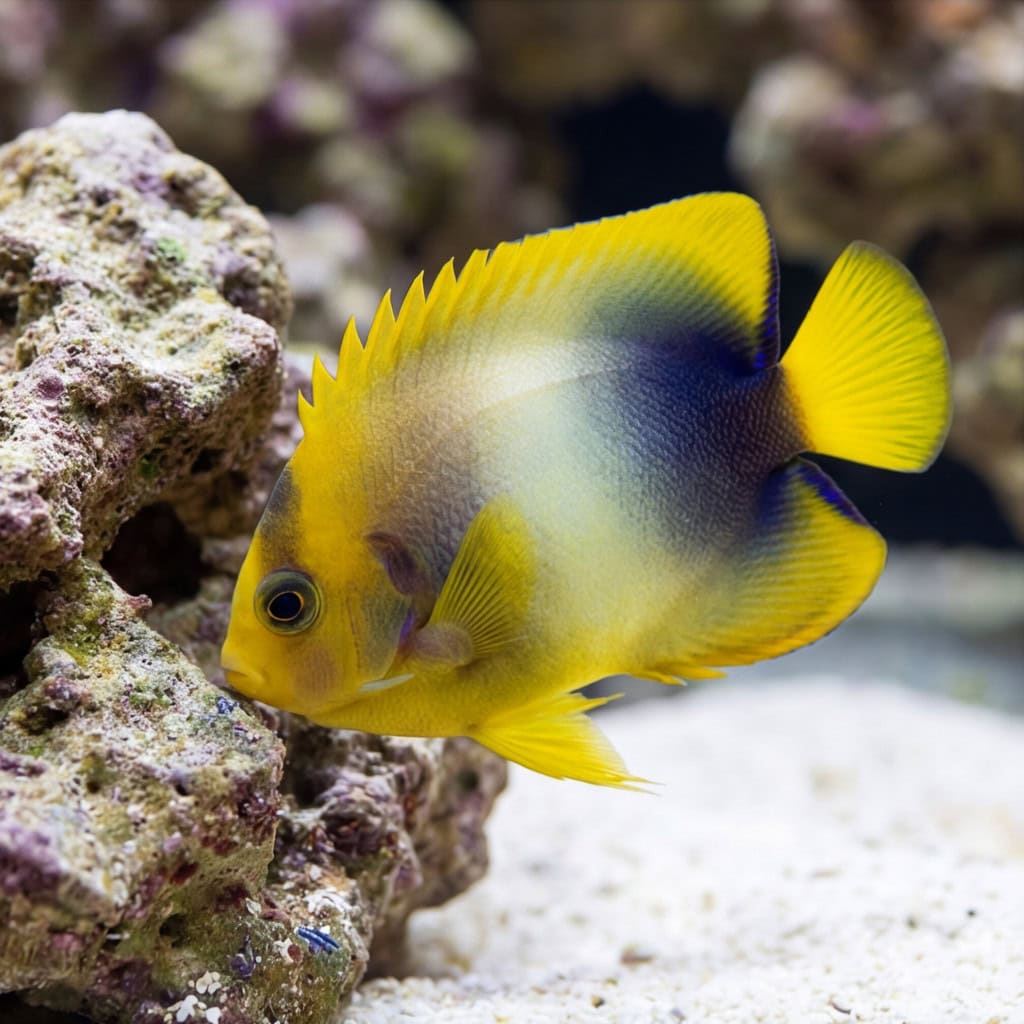
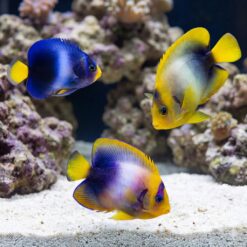
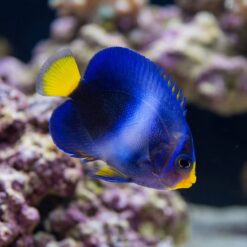
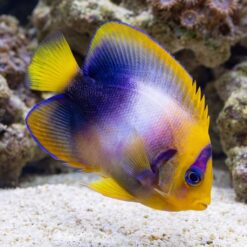
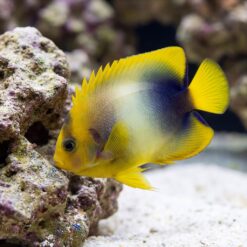
The Africanus Angel (Holacanthus africanus), also called the Guinean or West African Angelfish, is a large Holacanthus angelfish from the eastern Atlantic off West Africa. Juveniles can show strong blue striping, while adults develop warmer brown-to-gold tones with a bold mid-body band that reads differently as it turns through the rockwork.
What You’ll Observe:
- Regular “patrol laps” along rock faces, then short pauses to inspect ledges and overhangs
- A noticeable shift in coloration as it matures from juvenile to adult patterning
- Confident, in-the-open swimming once it has mapped out the tank’s main routes
- Strong awareness of activity outside the glass, especially around routine feeding times
Provide substantial live rock structure with clear swim lanes so the fish can move between open water and sheltered zones. Offer a varied menu built around marine angelfish preparations (including sponge-based options), plus algae and meaty foods to mirror the broad natural diet. With stable reef parameters and consistent daily routines, this angelfish settles into a predictable circuit and becomes a true “centerpiece” fish for large marine displays.
Will this fish keep its bright golden tones from wild photos as it grows?
Some experienced keepers report adults can look more gray/brown in captivity, and the “gold” look is influenced heavily by lighting and surroundings.
How quickly does the juvenile blue coloration fade?
Hobbyists note the blue juvenile look can diminish earlier than expected, with subadults showing mixed transitional patterning before settling into adult coloration.
In a mixed display, what kind of “sampling” behavior do keepers commonly talk about with large angelfish?
Reports commonly describe curiosity-driven picking that can be coral-specific, where some pieces are ignored while others get repeated attention.
Does adding a large Holacanthus angel last actually change how it behaves with other established fish?
Many hobbyists introduce large angels after other community fish are already settled, so the angel adopts the existing layout instead of reshaping the whole social order at once.
Is it normal for these angelfish to have a “route” they swim every day?
Yes—keepers often describe a repeatable pattern of patrol laps and checkpoints, especially once the fish is comfortable and recognizes the tank’s structure.
We source from vetted suppliers known for healthy, long-lived specimens.
Recently viewed products