
Yellow-Ear Angelfish
Apolemichthys xanthotis
| Stock | Variations | Price | Quantity |
|---|
Every order ships with our standard 3-hour live arrival guarantee. Need more time? Add our 5-Day Guarantee at checkout.
Full guarantee terms →Ships Monday – Thursday for next-day arrival at your nearest FedEx Hold location — typically ready by 9 AM. We monitor every delivery.
Shipping details →
Monday – Friday 8 AM – 9 PM
Saturday 12 PM – 4 PM
Sunday 12 PM – 9 PM
Healthy, stable animals from vetted suppliers — inspected before packing, shipped overnight. Decades of experience built this model so we can deliver premium livestock at 30%+ less than you'd pay elsewhere.
| Care Level | Moderate |
|---|---|
| Temperament | Semi-Aggressive |
| Reef Safe | With Caution |
| Functional Benefit | Ornamental Only |
| Diet Type | Omnivore |
| Mininum Tank Size | 90 gallons |
| Max Size | 8 inches |
| Temperature | 72–78°F |
| pH Range | 8.1–8.4 |
| Specific Gravity | 1.022–1.025 |
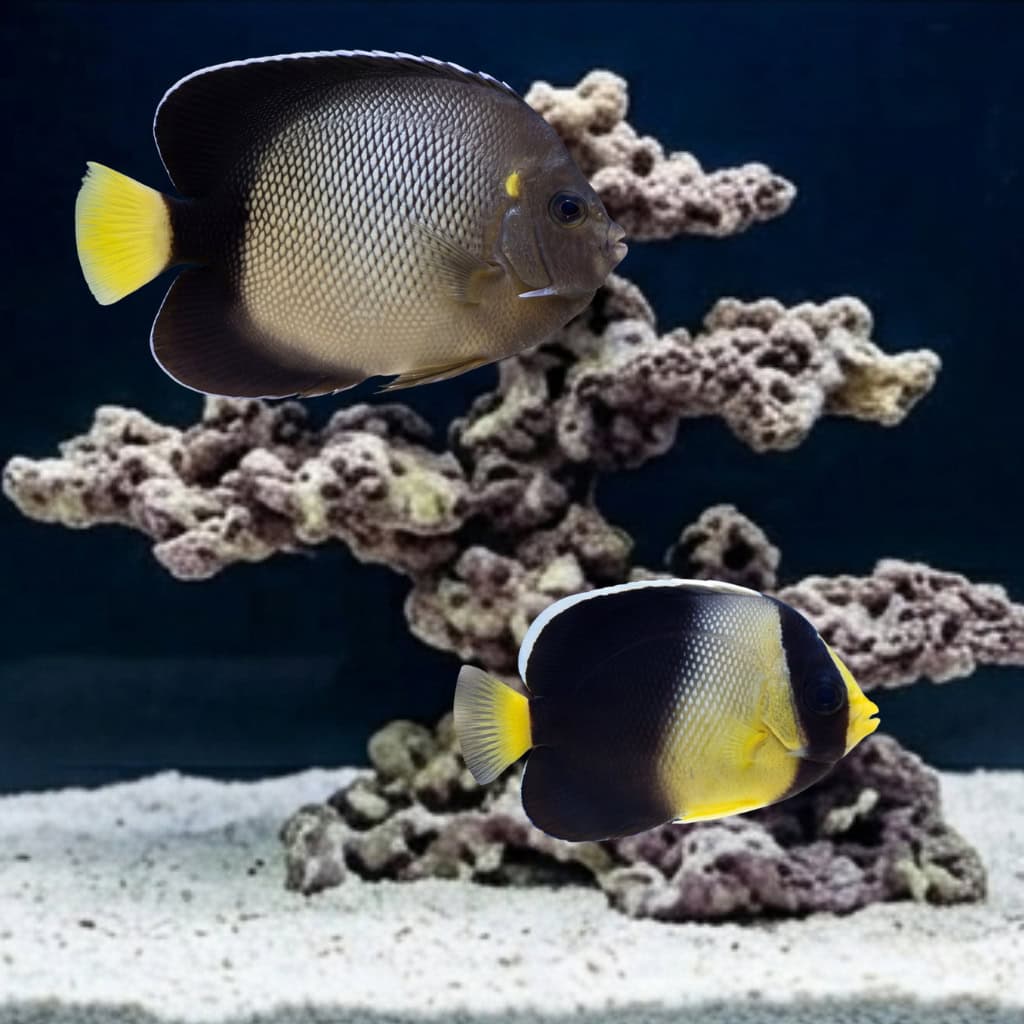
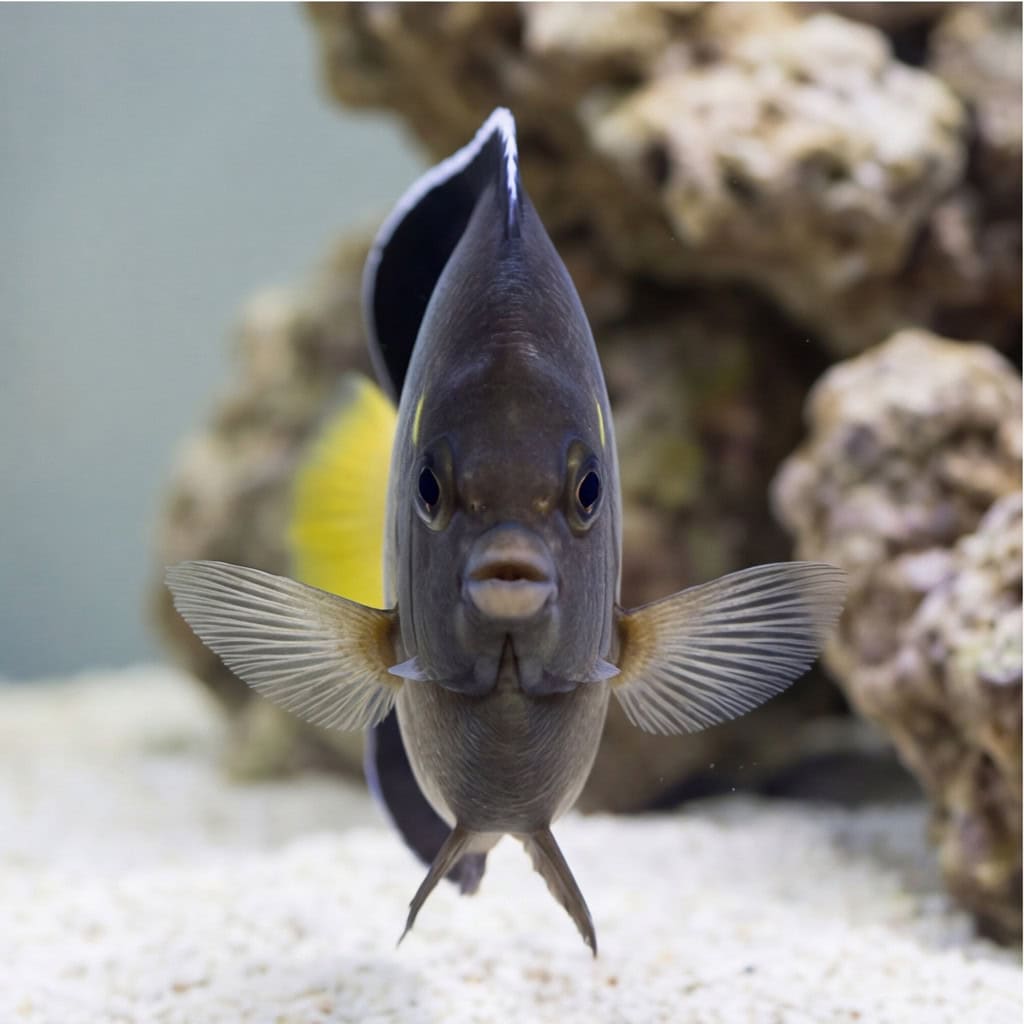
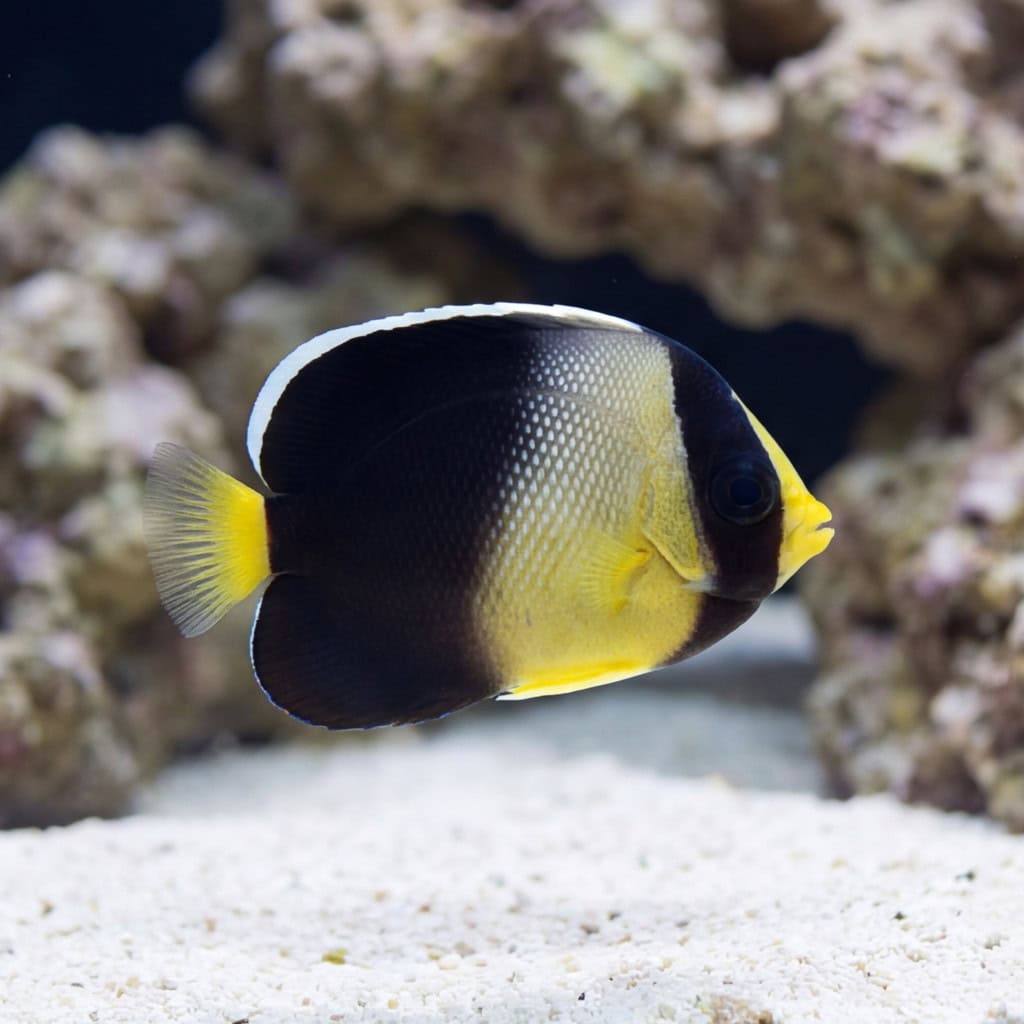
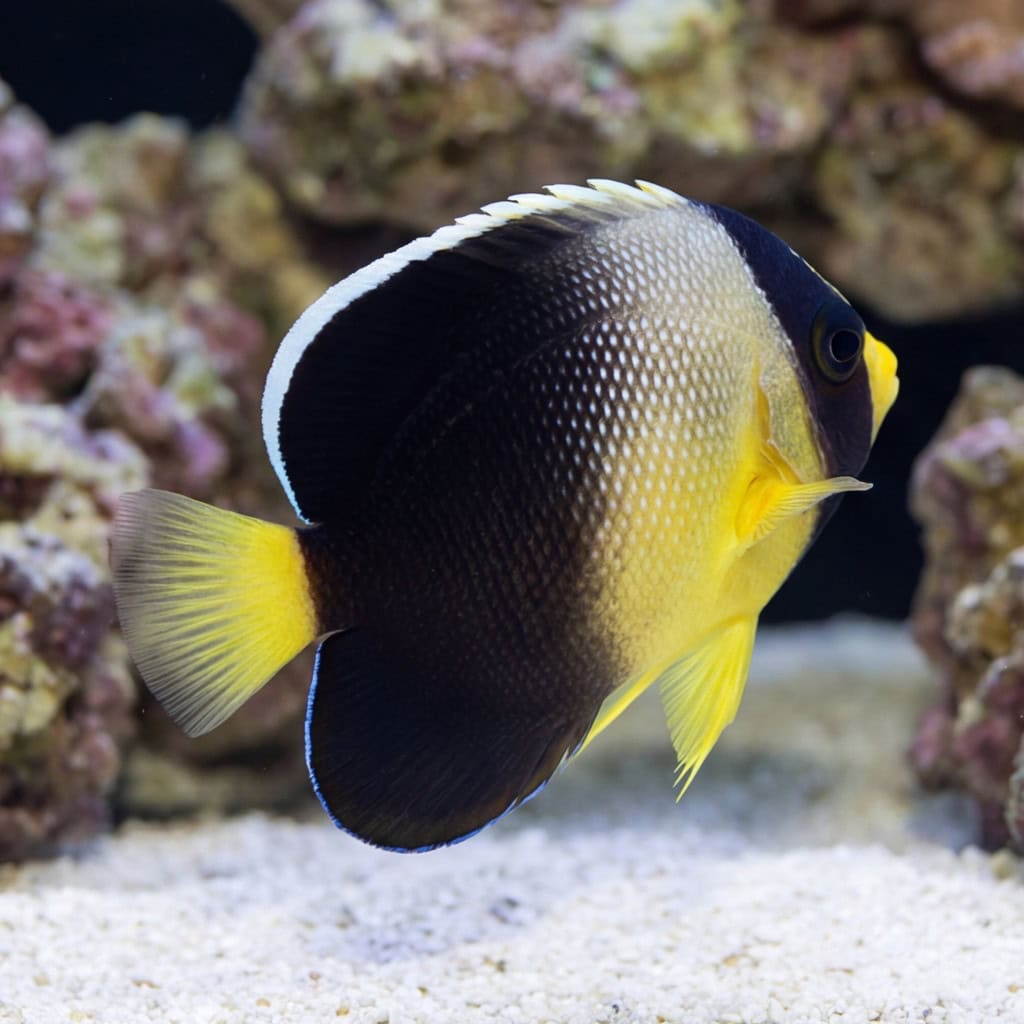
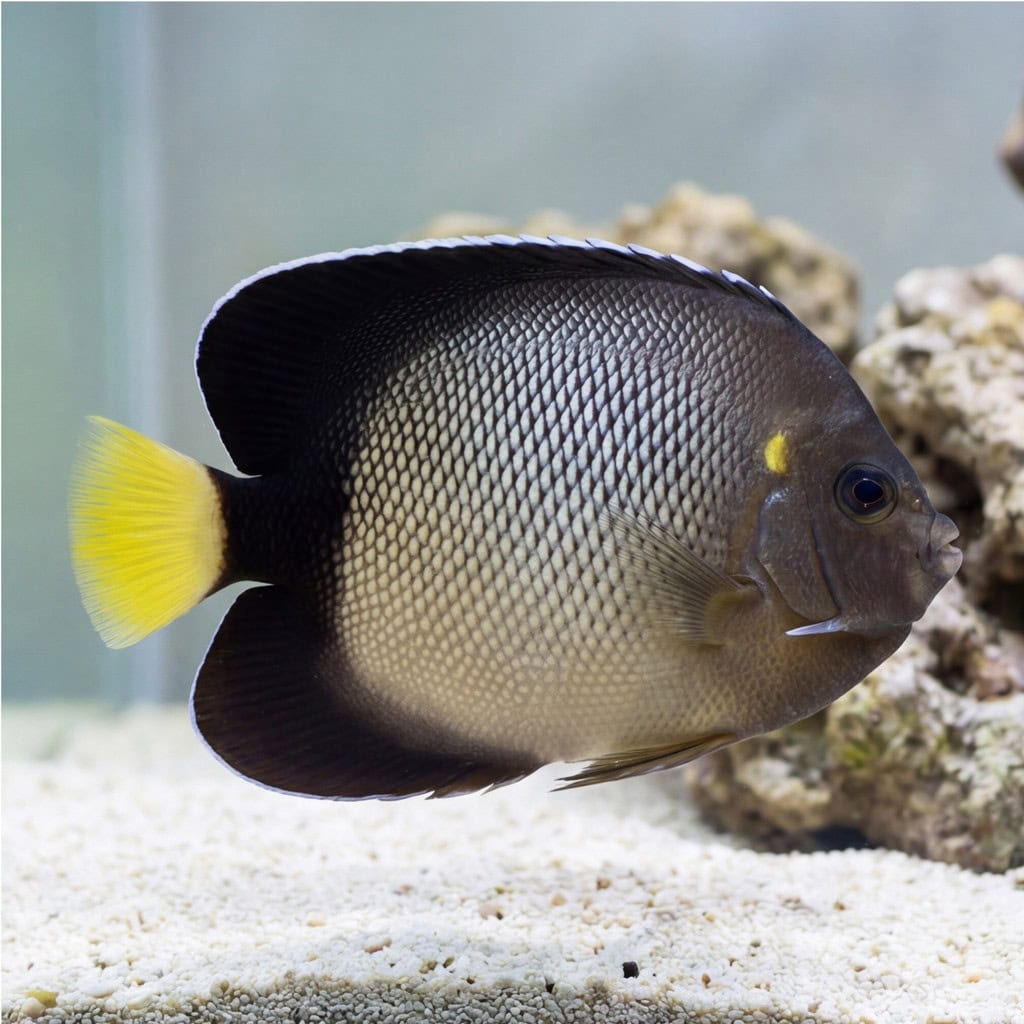
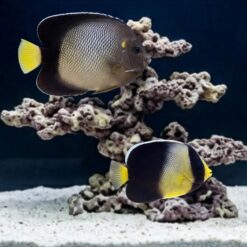
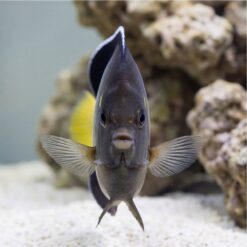
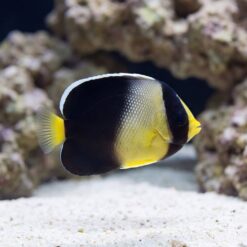
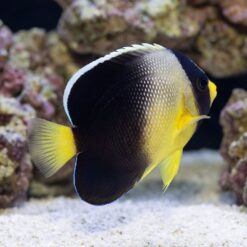
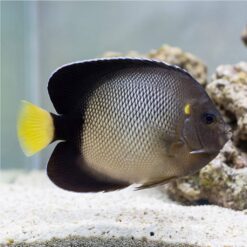
The Yellow-Ear Angelfish (Apolemichthys xanthotis) is a Red Sea angelfish with a high-contrast pattern: a light body, a dark head area, and a bright yellow tail with a small yellow “ear” spot near the gill cover. In aquariums it tends to look best when it has both open swimming room and rockwork to weave through.
What You’ll Observe:
- A steady cruising pattern through the middle of the tank, with regular laps along the rock line
- Frequent grazing and “picking” at live rock surfaces between feedings
- A routine of checking the same caves/overhangs, especially as it settles in over the first couple of weeks
- A noticeable increase in activity around feeding time, often following movement outside the glass
Provide an established aquarium with plenty of live rock, caves, and shaded overhangs so it can browse naturally throughout the day. Offer a varied menu (including angelfish preparations that contain sponge plus meaty foods and algae-based options) in multiple smaller feedings for best consistency.
Does the face/head area get darker as the fish matures?
Many keepers report the dark mask becomes more defined with age, though the exact “finished” look can vary from fish to fish.
Can this species be kept as a pair?
Some hobbyists report better results when an established pair is acquired together, while mixing two single fish later is less predictable.
How quickly do they usually transition onto prepared foods?
When they’re already eating at purchase, they often take frozen and pellet foods quickly, especially when offered alongside algae sheets and angelfish blends.
Is it normal for them to spend a lot of time inspecting rockwork?
Yes—regular browsing and picking at the rock is typical “angel” behavior and is often seen even in well-fed tanks.
When adding to a community, does introduction timing matter?
Keepers commonly discuss adding angelfish later in the stocking plan (after more peaceful fish are settled) to reduce early territorial behavior.
We work with trusted suppliers who keep our specimens healthy and well-fed before shipping.
Recently viewed products