
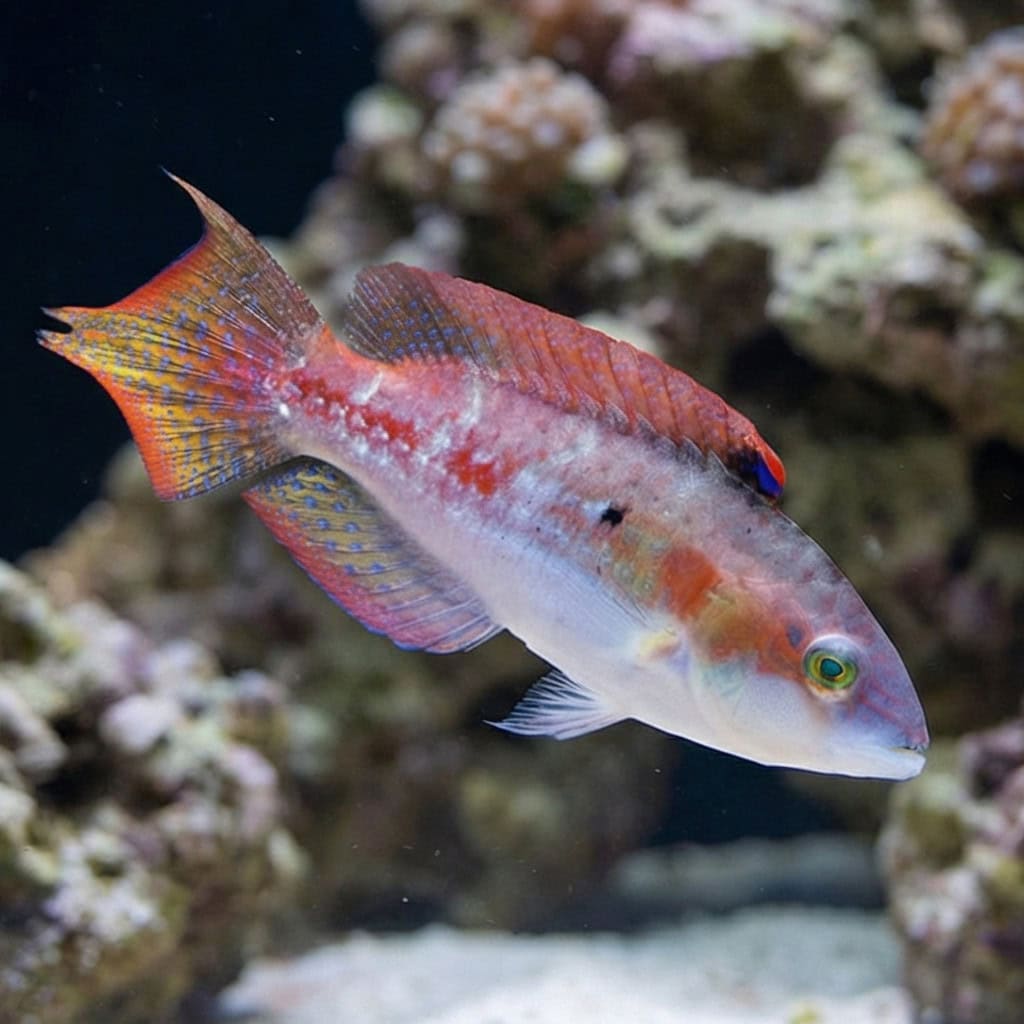
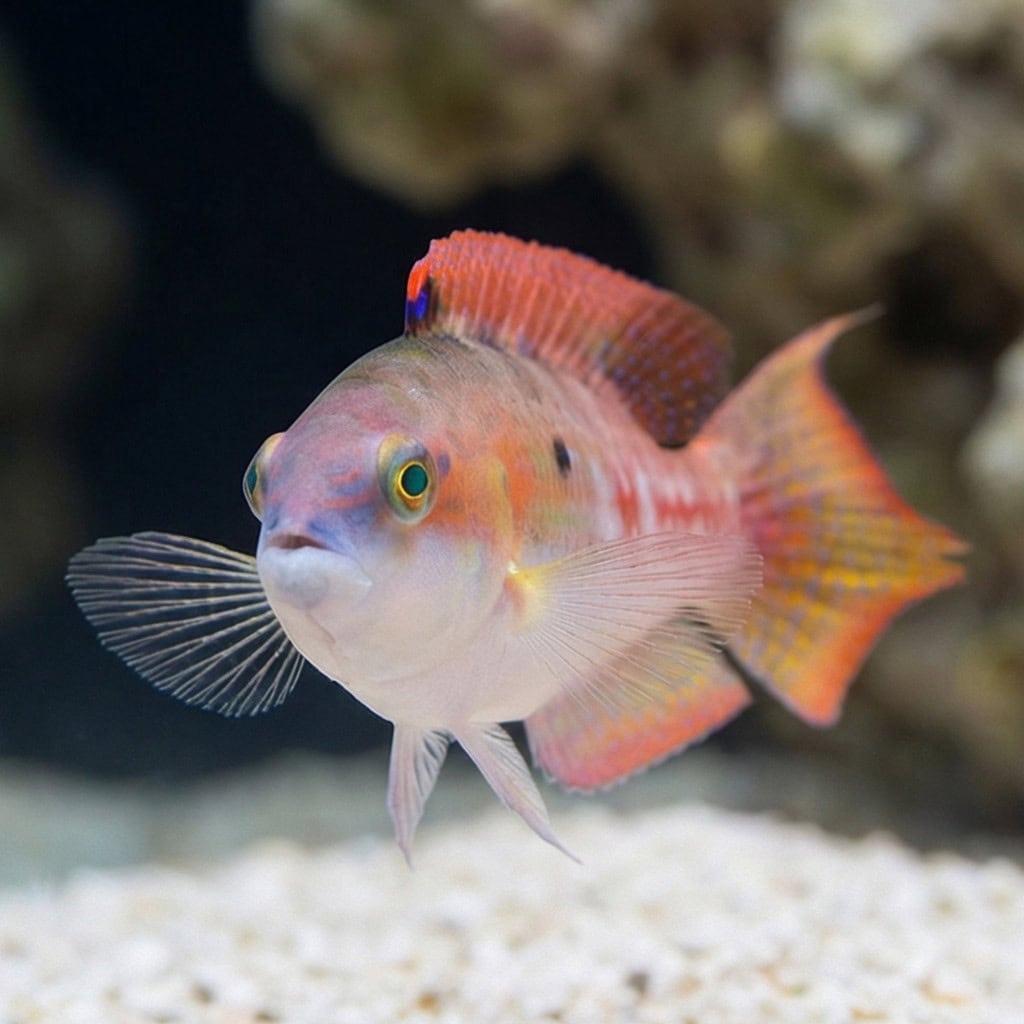
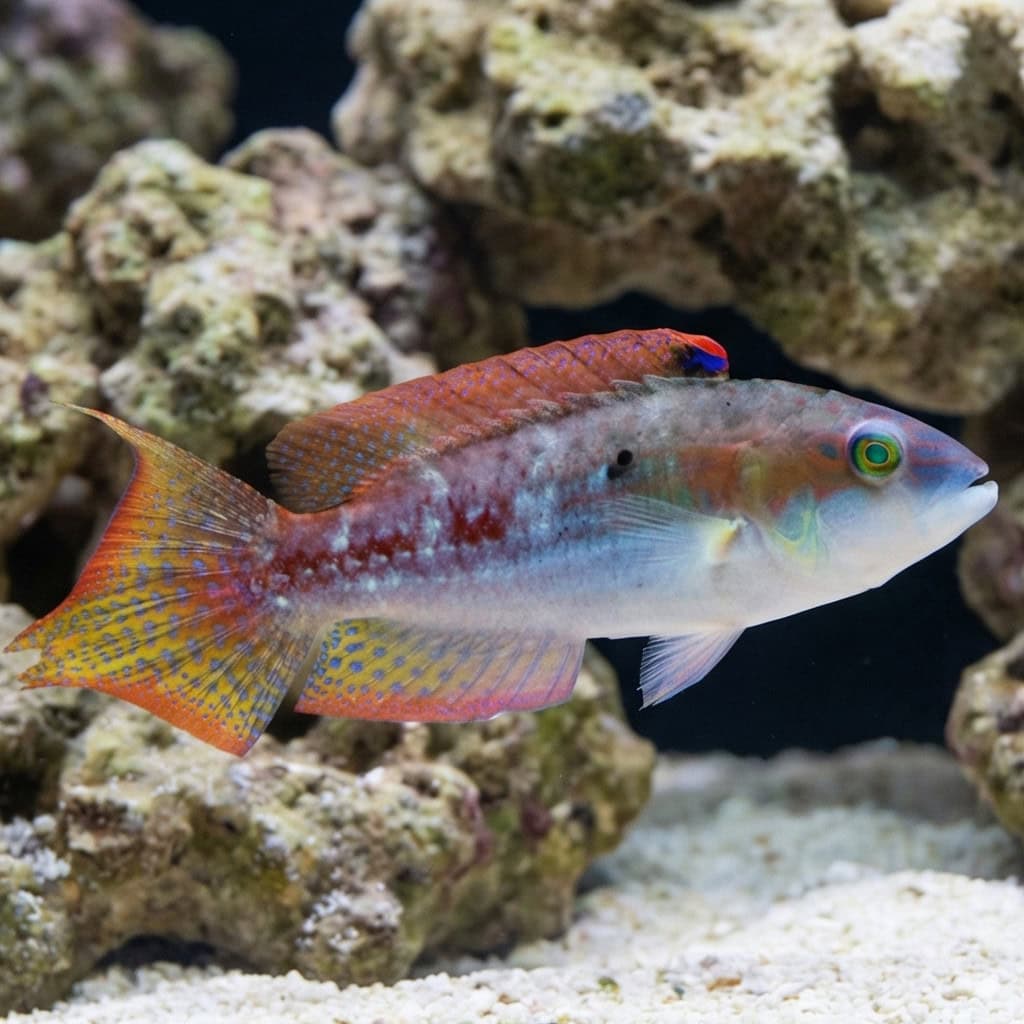
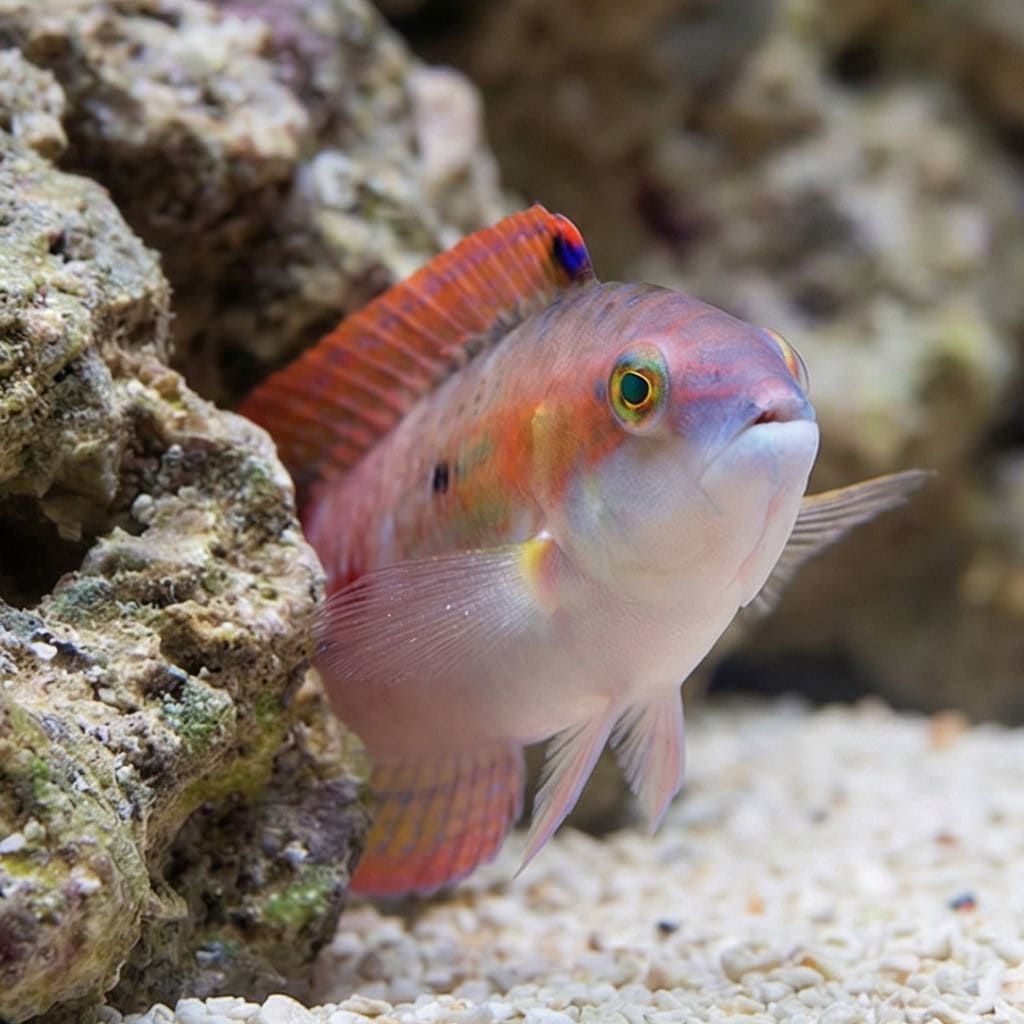
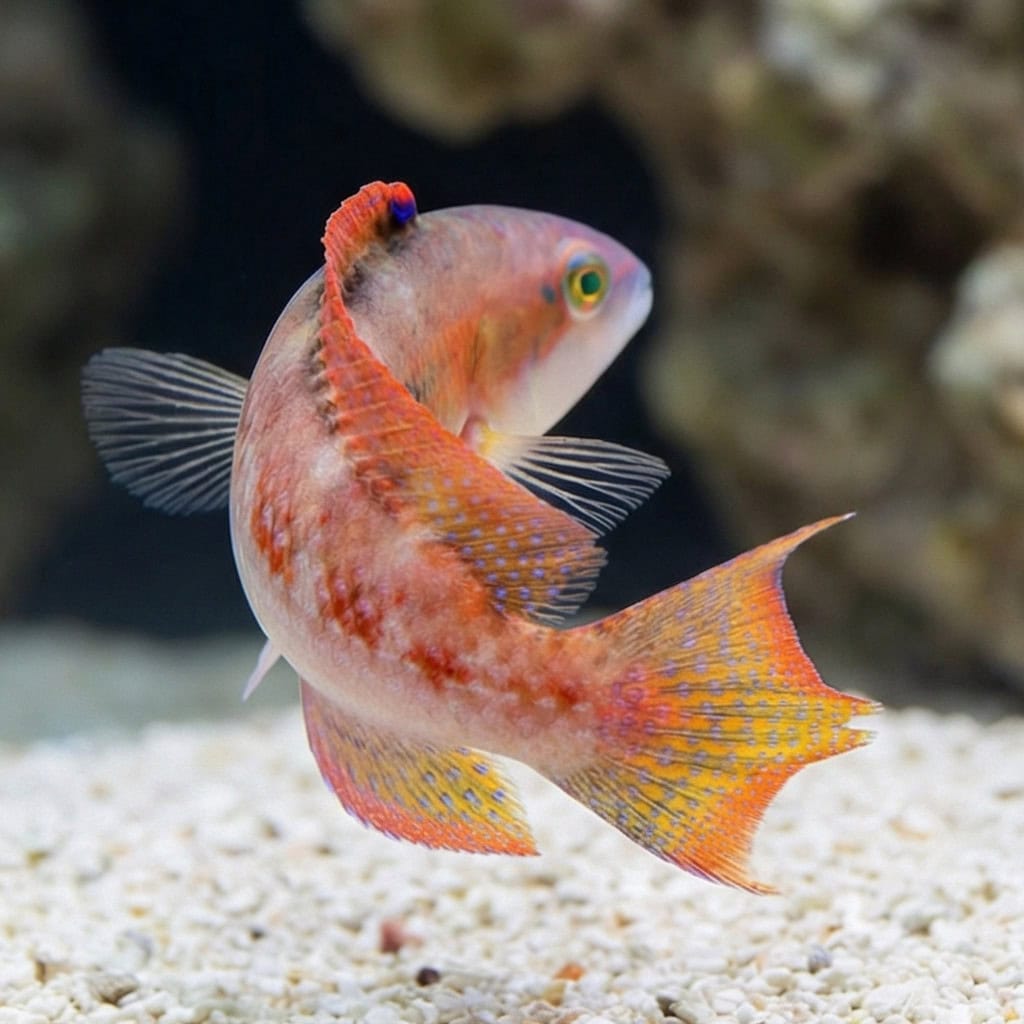
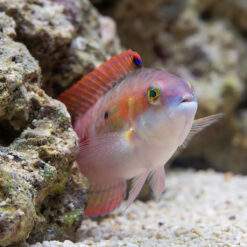
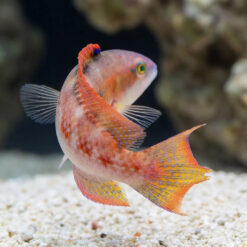
Two Spot Wrasse
Oxycheilinus bimaculatus
| Stock | Variations | Price | Quantity |
|---|
Every order ships with our standard 3-hour live arrival guarantee. Need more time? Add our 5-Day Guarantee at checkout.
Full guarantee terms →Ships Monday – Thursday for next-day arrival at your nearest FedEx Hold location — typically ready by 9 AM. We monitor every delivery.
Shipping details →
Monday – Friday 8 AM – 9 PM
Saturday 12 PM – 4 PM
Sunday 12 PM – 9 PM
Healthy, stable animals from vetted suppliers — inspected before packing, shipped overnight. Decades of experience built this model so we can deliver premium livestock at 30%+ less than you'd pay elsewhere.
| Care Level | Moderate |
|---|---|
| Temperament | Semi-Aggressive |
| Reef Safe | No |
| Functional Benefit | Ornamental Only |
| Diet Type | Carnivore |
| Mininum Tank Size | 70 gallons |
| Max Size | 6 inches |
| Temperature | 72–78°F |
| pH Range | 8.1–8.4 |
| Specific Gravity | 1.022–1.025 |
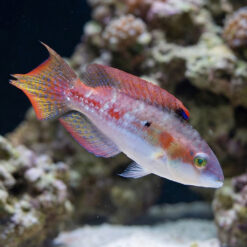
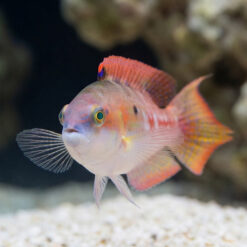
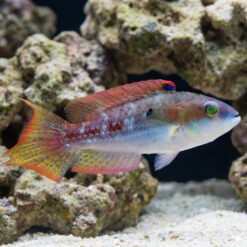
The Two Spot Wrasse is often listed as a Twinspot (Two-Spot) Maori Wrasse, and is recognized by the small dark spot just behind each eye and its mottled tan-to-olive patterning. It brings active, purposeful movement to the aquarium as it cruises the rockwork and sand edge looking for small meaty items.
What You’ll Observe:
- Repeating “patrol routes” through rockwork, with frequent stops to inspect crevices
- Quick, darting strikes at food items as they pass by
- Regular use of caves and overhangs as resting and retreat spots
- Sand-sifting bursts while it searches for bite-sized prey on the bottom
Provide stable rockwork with plenty of crevices plus some open sand so it can forage naturally. Offer a variety of meaty foods (mysis, chopped shrimp, quality frozen blends) and feed in smaller portions so it has repeated chances to eat. A tight-fitting lid or mesh top helps keep this active wrasse in the aquarium.
Will it bother cleaner shrimp, snails, or small crabs?
Many keepers report it may hunt or consume common clean-up crew invertebrates over time, even if it ignores corals.
Why does it spend long stretches weaving through the rocks instead of swimming in the open?
This is normal for its foraging style—much of its “activity” is close-up inspection of rock and sand surfaces for edible bits.
Is it normal for it to move sand while it hunts?
Yes—some individuals will dig and toss sand in short bursts while searching for food, which can dust nearby bottom-placed frags.
How do I prevent food from being stolen by faster tankmates?
Try feeding smaller portions more than once, and use a baster/feeding tube to place meaty foods near the areas it regularly patrols.
What’s the best order to add it if I already keep other wrasses?
Adding it after the most established “bossy” fish (or at the same time as similarly sized wrasses) often leads to smoother sharing of swim paths and hiding spots; observe early interactions and adjust rockwork sight-lines if needed.
We work with trusted suppliers who keep our specimens healthy and well-fed before shipping.
Only logged in customers who have purchased this product may leave a review.
Recently viewed products
Reviews
There are no reviews yet.