
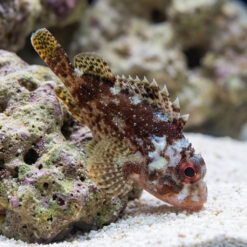
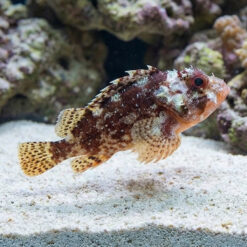
Scorpion Fish
Scorpaenopsis sp.
| Stock | Variations | Price | Quantity |
|---|
Every order ships with our standard 3-hour live arrival guarantee. Need more time? Add our 5-Day Guarantee at checkout.
Full guarantee terms →Ships Monday – Thursday for next-day arrival at your nearest FedEx Hold location — typically ready by 9 AM. We monitor every delivery.
Shipping details →
Monday – Friday 8 AM – 9 PM
Saturday 12 PM – 4 PM
Sunday 12 PM – 9 PM
Healthy, stable animals from vetted suppliers — inspected before packing, shipped overnight. Decades of experience built this model so we can deliver premium livestock at 30%+ less than you'd pay elsewhere.
| Care Level | Moderate |
|---|---|
| Temperament | Semi-Aggressive |
| Reef Safe | With Caution |
| Functional Benefit | Ornamental Only |
| Diet Type | Carnivore |
| Mininum Tank Size | 40 gallons |
| Max Size | 8 inches |
| Temperature | 72–78°F |
| pH Range | 8.1–8.4 |
| Specific Gravity | 1.022–1.025 |
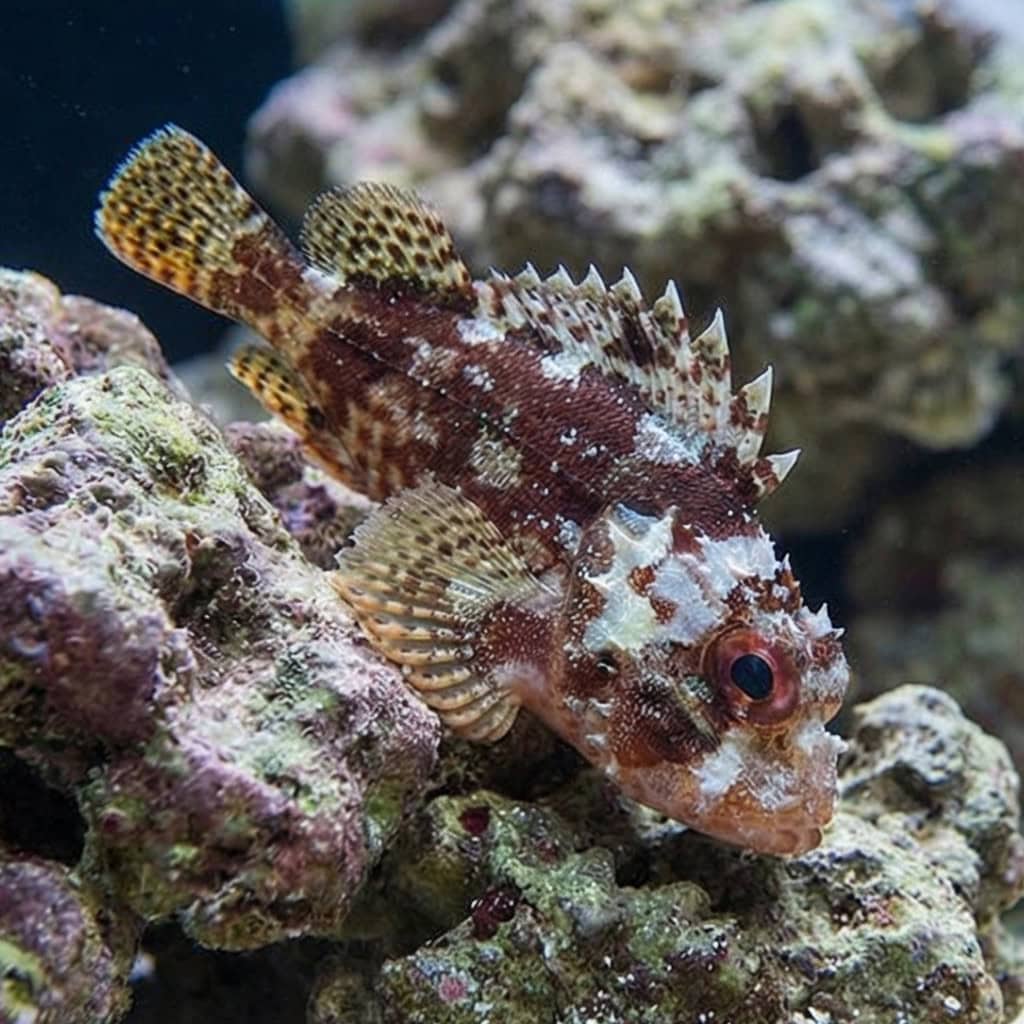
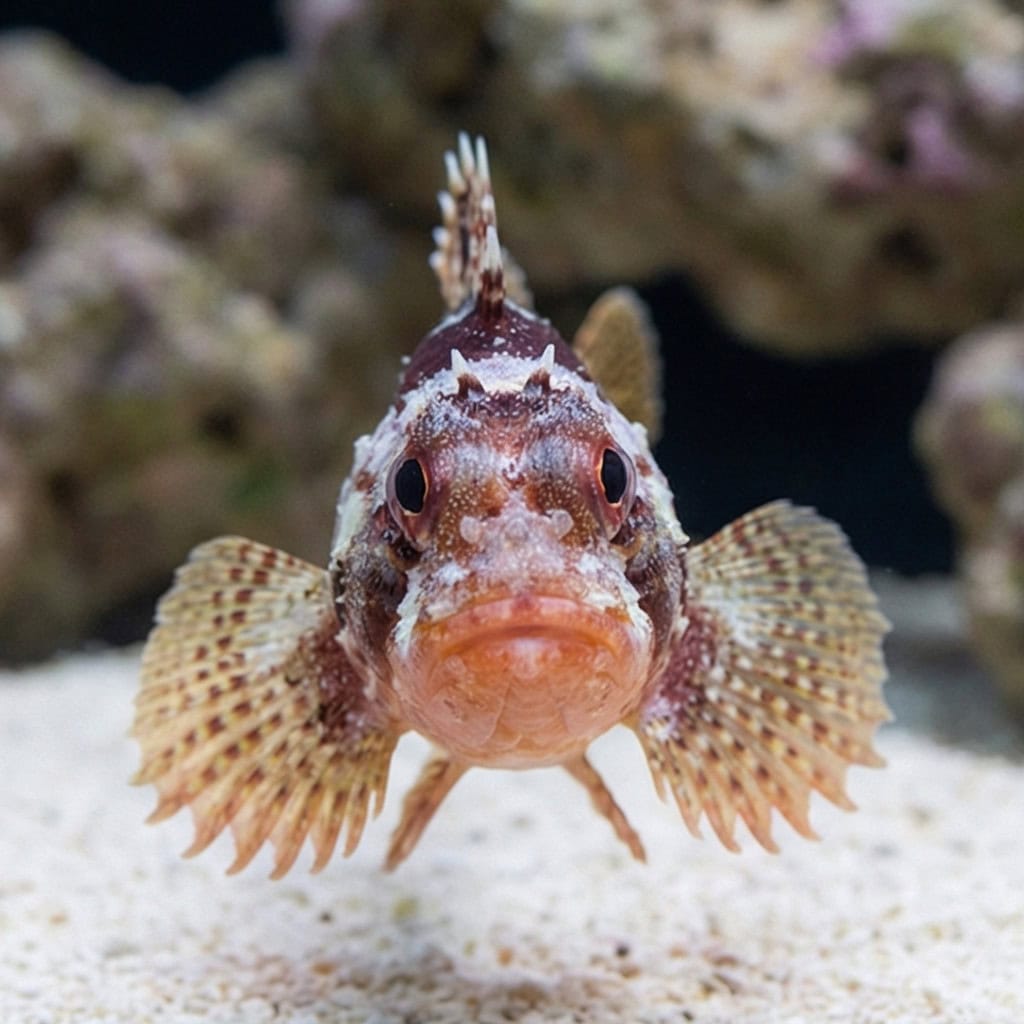
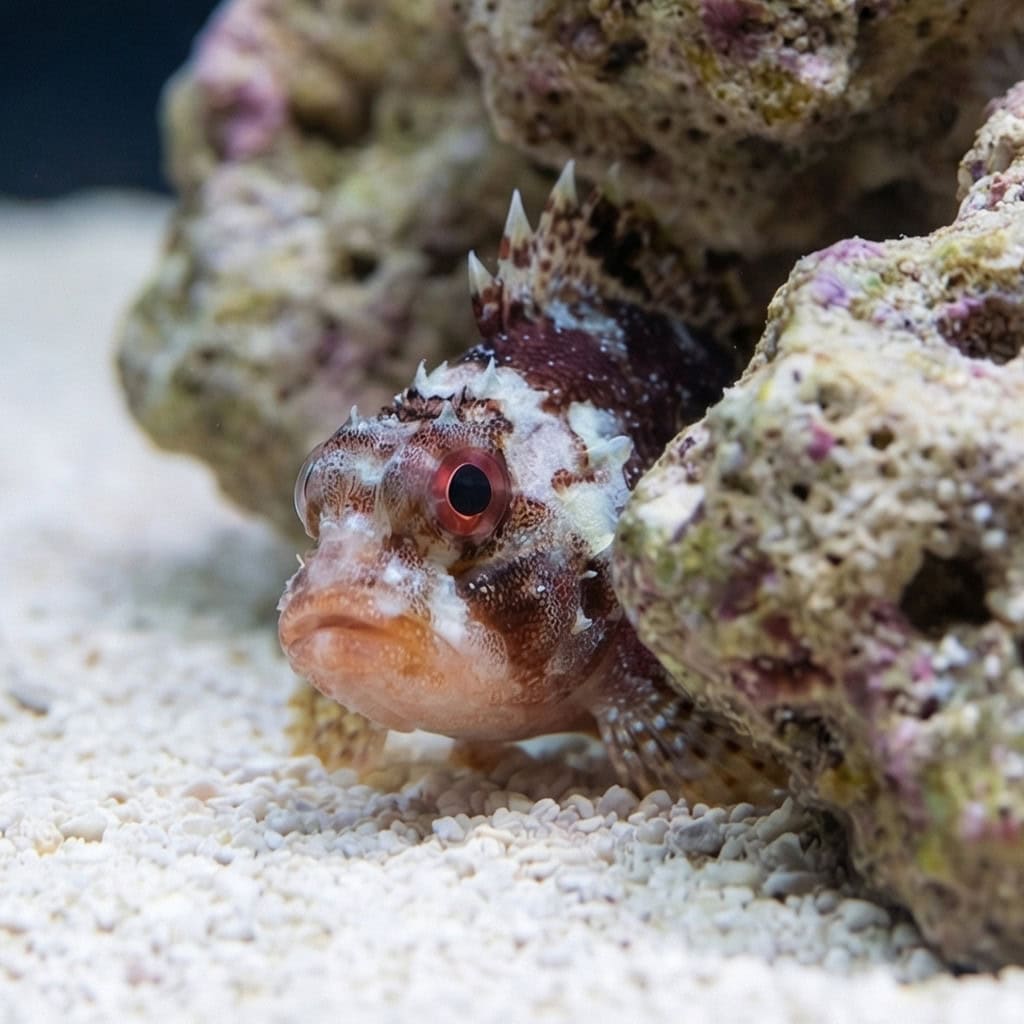
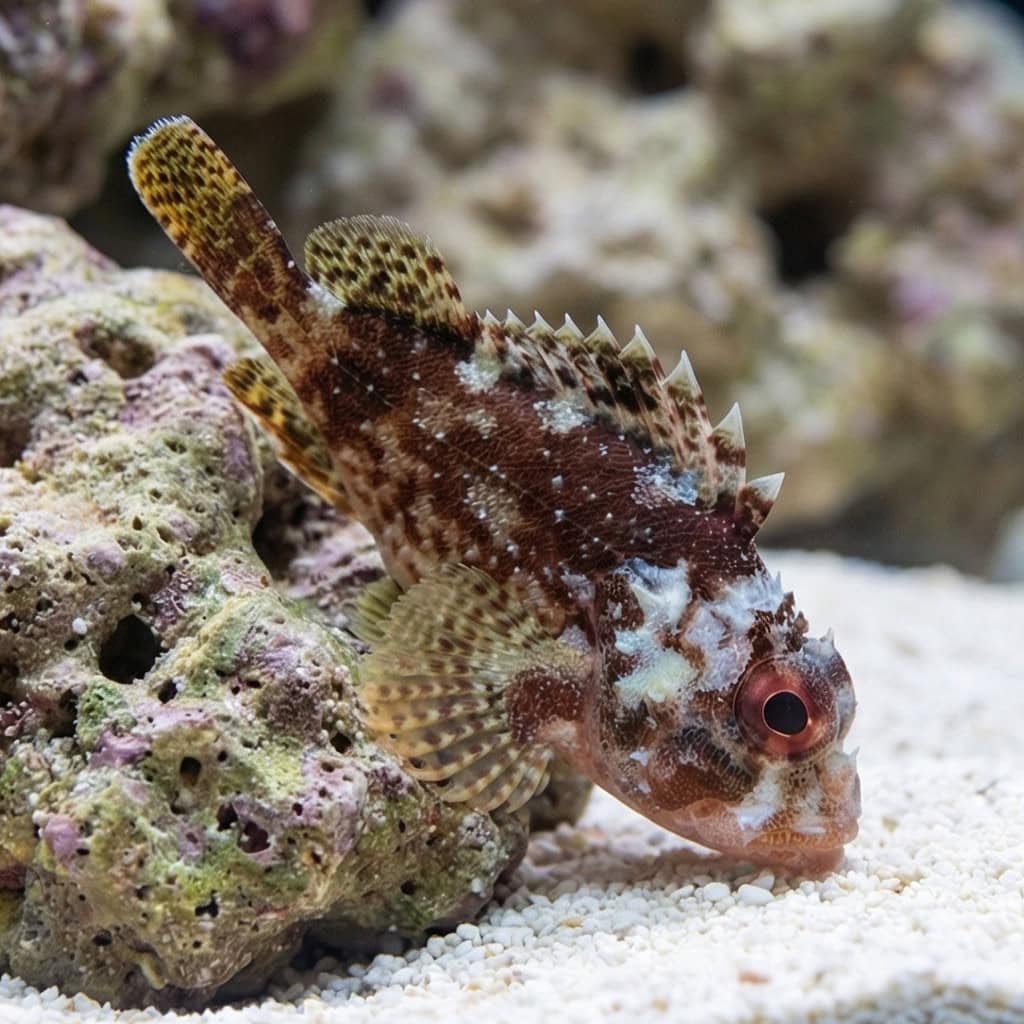
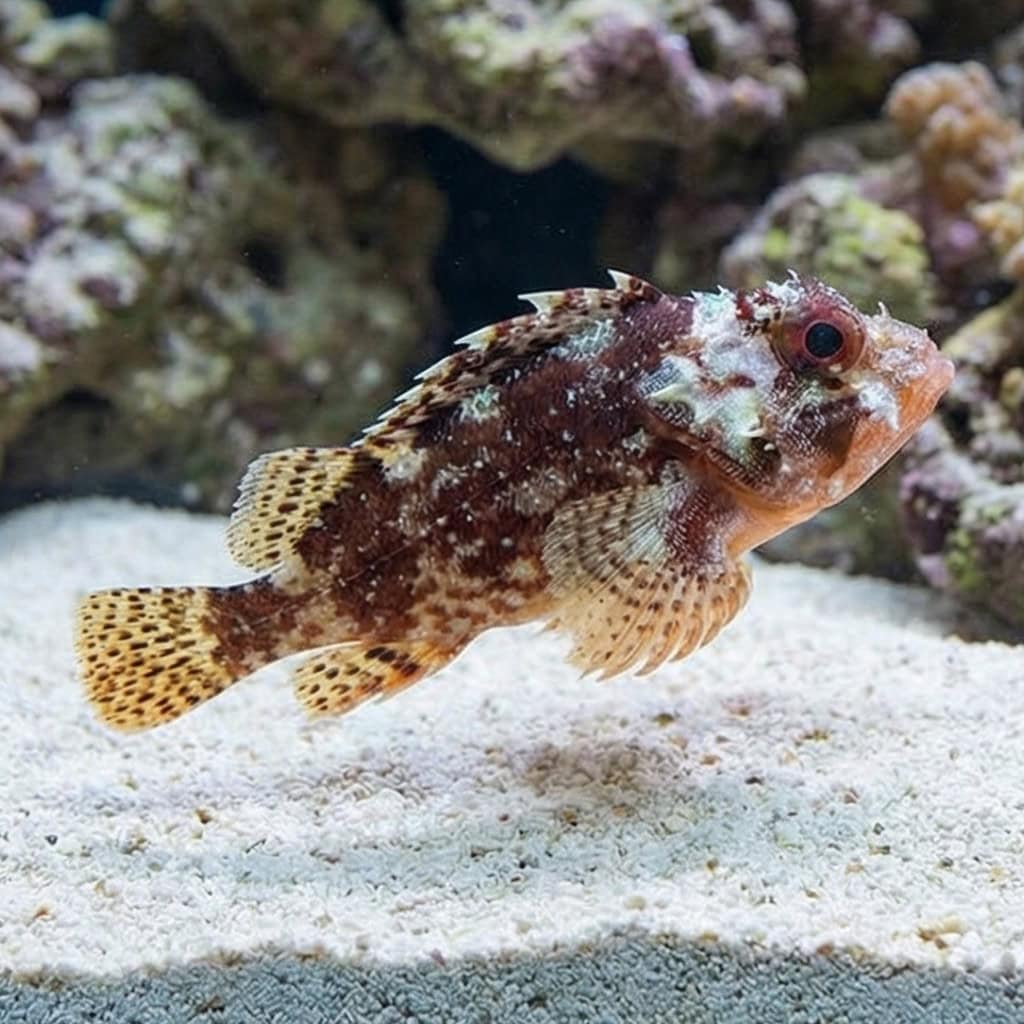
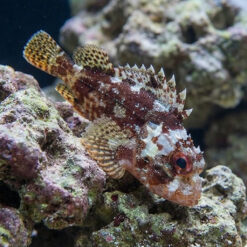
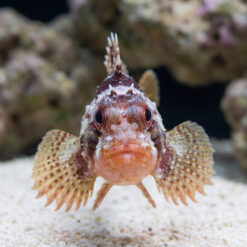
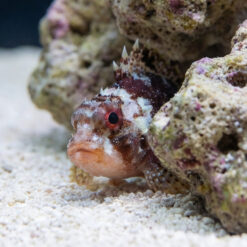
Scorpionfish (Scorpaenopsis sp.) are bottom-perching ambush predators that rely on camouflage, texture, and stillness to blend into live rock and sand. In a saltwater aquarium, they spend long stretches resting in a chosen spot and then strike quickly at passing food.
What You’ll Observe:
- Long “perching” sessions on rock ledges, coral rubble, or open sand while it watches the tank
- Short, fast bursts of movement during feeding, followed by returning to the same perch
- A preference for shaded overhangs and crevices, especially during the first few weeks
- Strong response to target-feeding tools (feeding stick, tongs, or a wide-tip syringe)
To help your Scorpionfish settle in, provide stable rockwork with multiple ledges and caves, plus open areas it can use as a feeding zone. Offer marine-based meaty foods by target feeding on a consistent schedule, and keep feeding interactions calm and repeatable so it learns where food appears. Choose tankmates that won’t crowd it during meals and are far too large to be considered prey.
Is it normal for a scorpionfish to “do nothing” most of the day?
Yes—extended stillness is typical ambush behavior, and many individuals only show brief activity spikes around feeding time.
How do hobbyists usually get them onto frozen foods?
Many keepers start with live items to trigger a feeding response, then transition by offering thawed foods on a stick/tongs and slowly reducing live feedings as acceptance improves.
What’s the easiest way to make sure it actually gets the food in a mixed tank?
Target feeding (tongs, feeding stick, or a wide-tip syringe) helps place the food right in front of the fish and reduces competition from faster swimmers.
How often should I feed once it’s eating well?
Most aquarists do best with consistent, moderate portions a few times per week, adjusting based on body condition and how eagerly it takes food.
What’s a safer way to move it for cleaning or tank transfers?
Many keepers use a specimen container rather than a net, guiding the fish in gently so fins don’t snag and the transfer stays controlled.
We source from vetted suppliers known for healthy, long-lived specimens.
Recently viewed products