
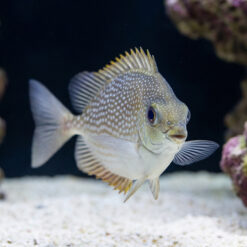
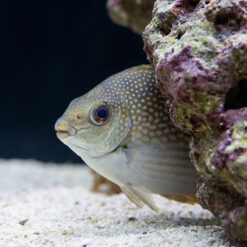
Streaked Spinefoot Rabbitfish
Siganus javus
Price range: $112.99 through $122.99
| Stock | Variations | Price | Quantity | |
|---|---|---|---|---|
| Only 5 left | 4.25 - 6.25" - Indo-Pacific | Original price was: $233.99.$122.99Current price is: $122.99. |
-
+
|
|
| Only 4 left | 2.25 - 4.25" - Indo-Pacific | Original price was: $214.99.$112.99Current price is: $112.99. |
-
+
|
Every order ships with our standard 3-hour live arrival guarantee. Need more time? Add our 5-Day Guarantee at checkout.
Full guarantee terms →Ships Monday – Thursday for next-day arrival at your nearest FedEx Hold location — typically ready by 9 AM. We monitor every delivery.
Shipping details →
Monday – Friday 8 AM – 9 PM
Saturday 12 PM – 4 PM
Sunday 12 PM – 9 PM
Healthy, stable animals from vetted suppliers — inspected before packing, shipped overnight. Decades of experience built this model so we can deliver premium livestock at 30%+ less than you'd pay elsewhere.
| Care Level | Moderate |
|---|---|
| Temperament | Peaceful |
| Reef Safe | With Caution |
| Functional Benefit | Algae Control |
| Diet Type | Herbivore |
| Mininum Tank Size | 180 gallons |
| Max Size | 12 inches |
| Temperature | 72–78°F |
| pH Range | 8.1–8.4 |
| Specific Gravity | 1.022–1.025 |
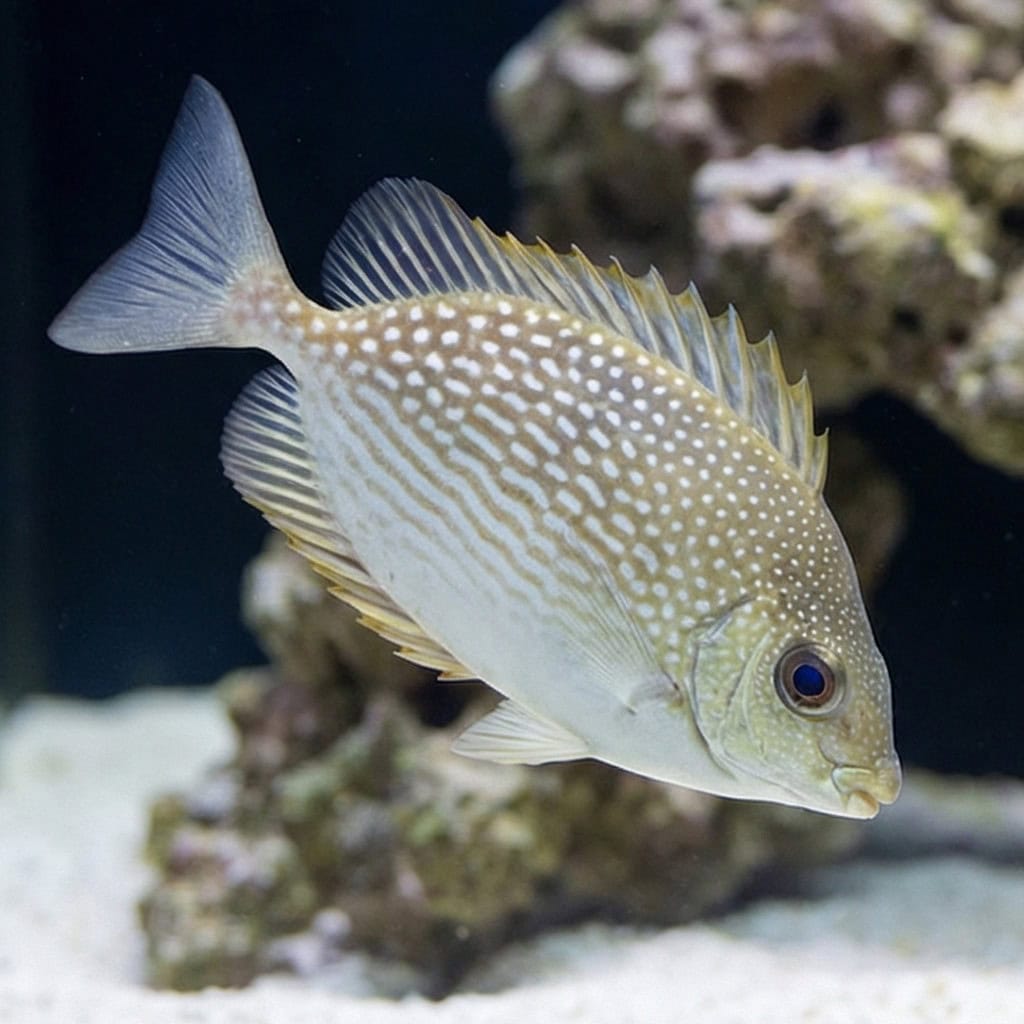
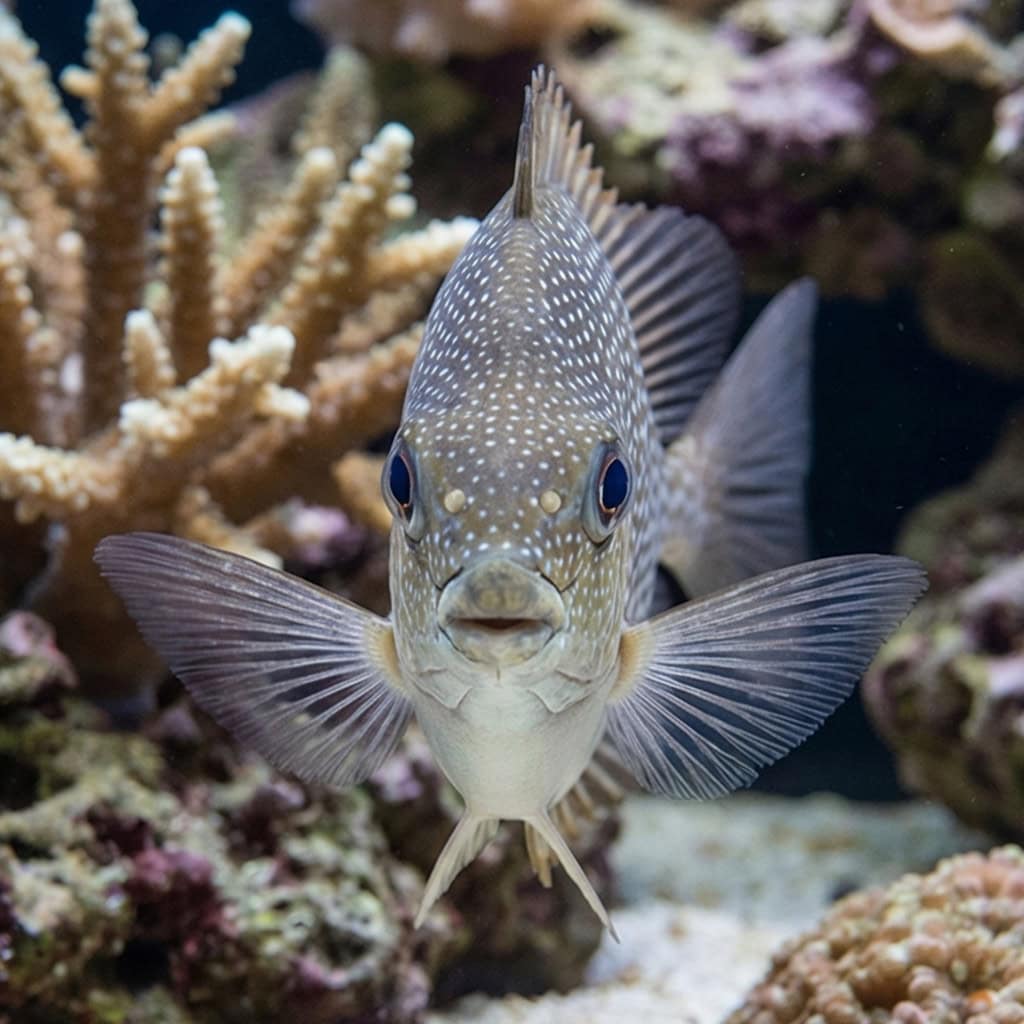
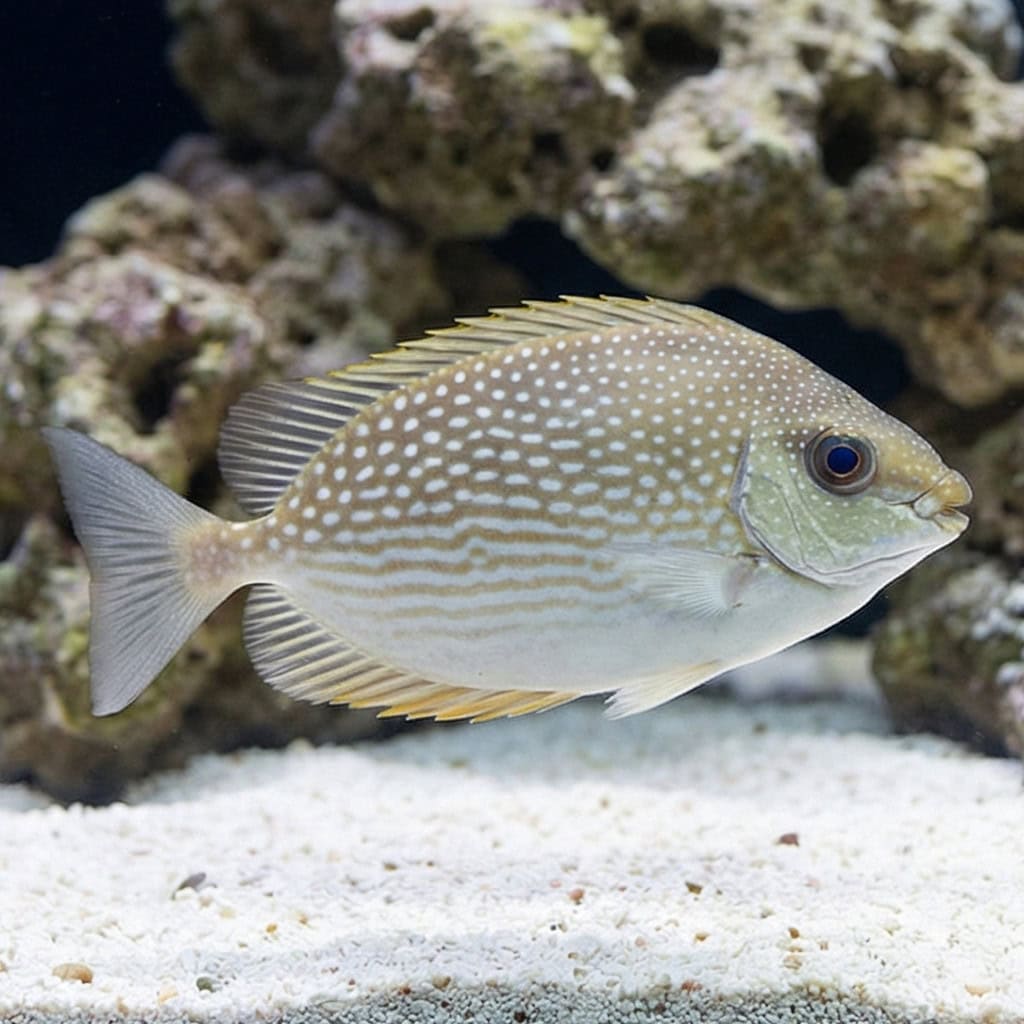
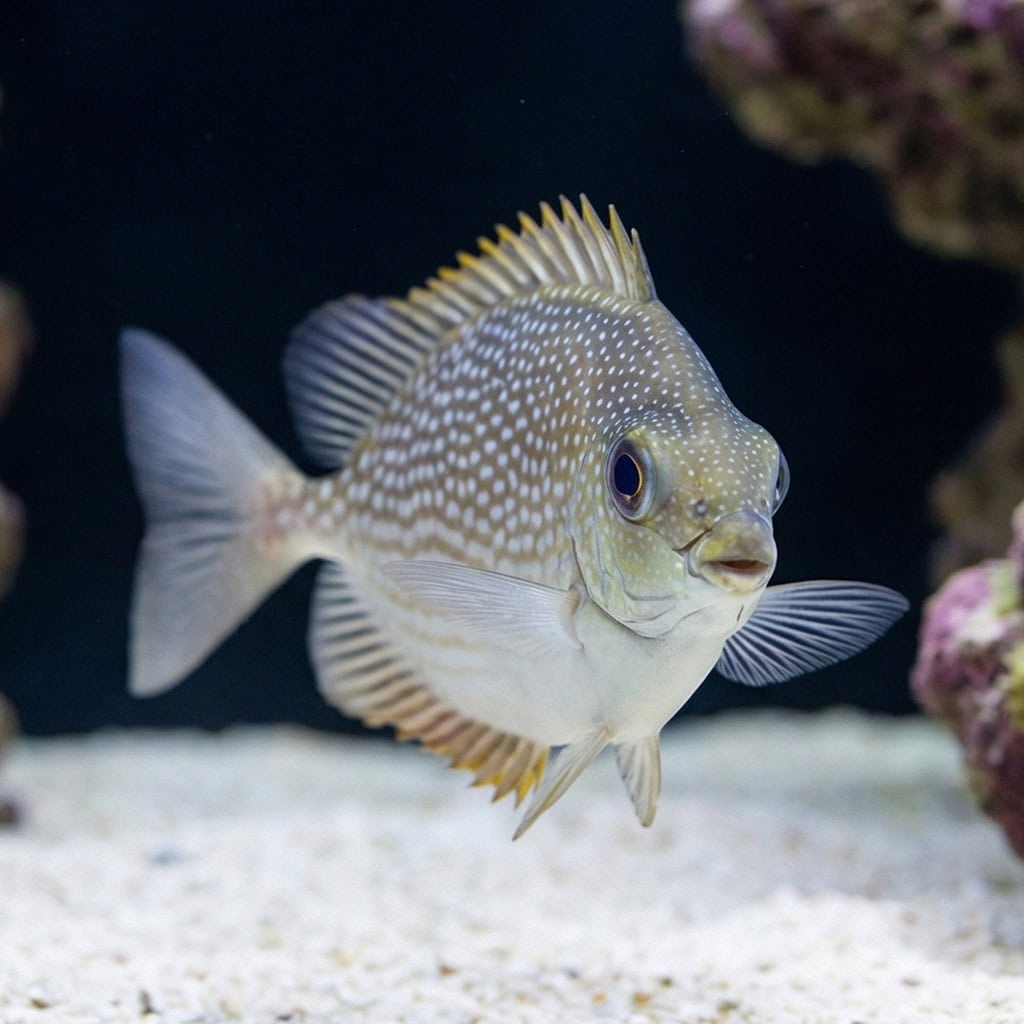
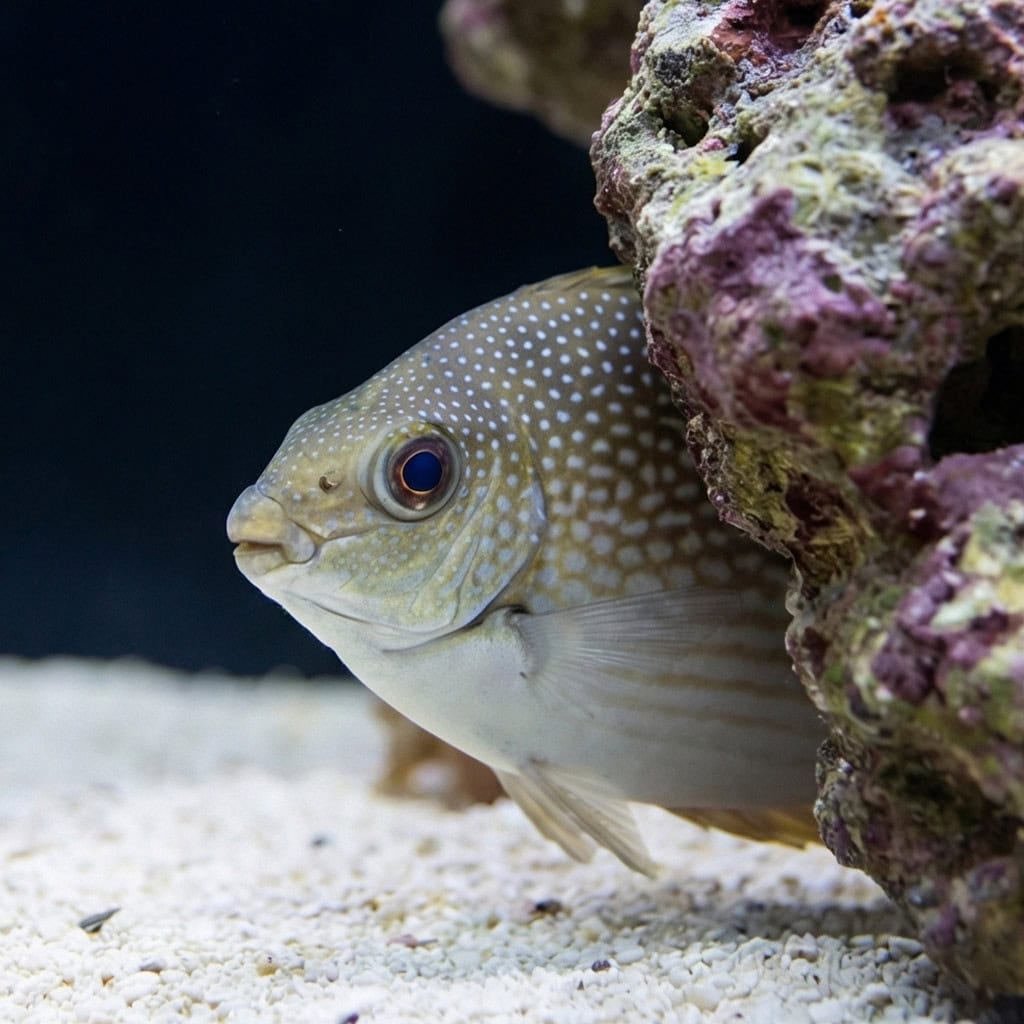
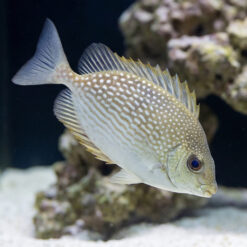
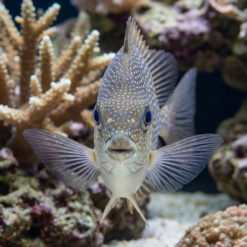
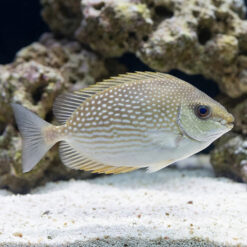
The Streaked Spinefoot Rabbitfish (Siganus javus) is a steady, day-active grazer that helps manage film algae and nuisance growth on rockwork. Its pattern mixes fine streaking and light spotting over a gray-to-whitish body, with yellow accents on the face and fins. This species is found across the Indo-Pacific and is commonly seen moving between open water and reef structure.
What You’ll Observe:
- Repeated grazing passes over rock and glass
- Midwater “parking” breaks between feeding runs
- Quick, efficient bites with a small, rabbit-like mouth
- A noticeable shift to a muted resting pattern at night
To help it settle in, provide mature live rock for natural grazing plus open swim lanes along the front of the tank. Offer dried seaweed on a clip and supplement with herbivore-focused frozen foods and pellets. With consistent grazing options available, it stays busy and integrates smoothly with community reef fish.
Why does it look pale or blotchy after lights-out?
Rabbitfish often shift to a muted resting pattern at night and return to normal coloration when the lights come on.
What’s the easiest way to get it eating nori reliably?
Place a strip on a veggie clip (or rubber-band it to a small rock) in a spot it already grazes, and replace once it’s picked clean.
Will it “sample” corals even if I’m feeding it daily?
Some individuals will test fleshy polyps; keeping algae available to graze throughout the day helps reduce random picking.
Does it need a specific sleeping spot?
Many choose a consistent nook in the rockwork and will return to it each evening once they feel established.
Is it normal for it to wedge into rock or rest against the sand?
Yes—rabbitfish can sleep in odd positions, then resume normal daytime grazing once the tank lights are up.
Shipped with pure oxygen and temperature control so it arrives stress-free and ready to eat.
Recently viewed products