
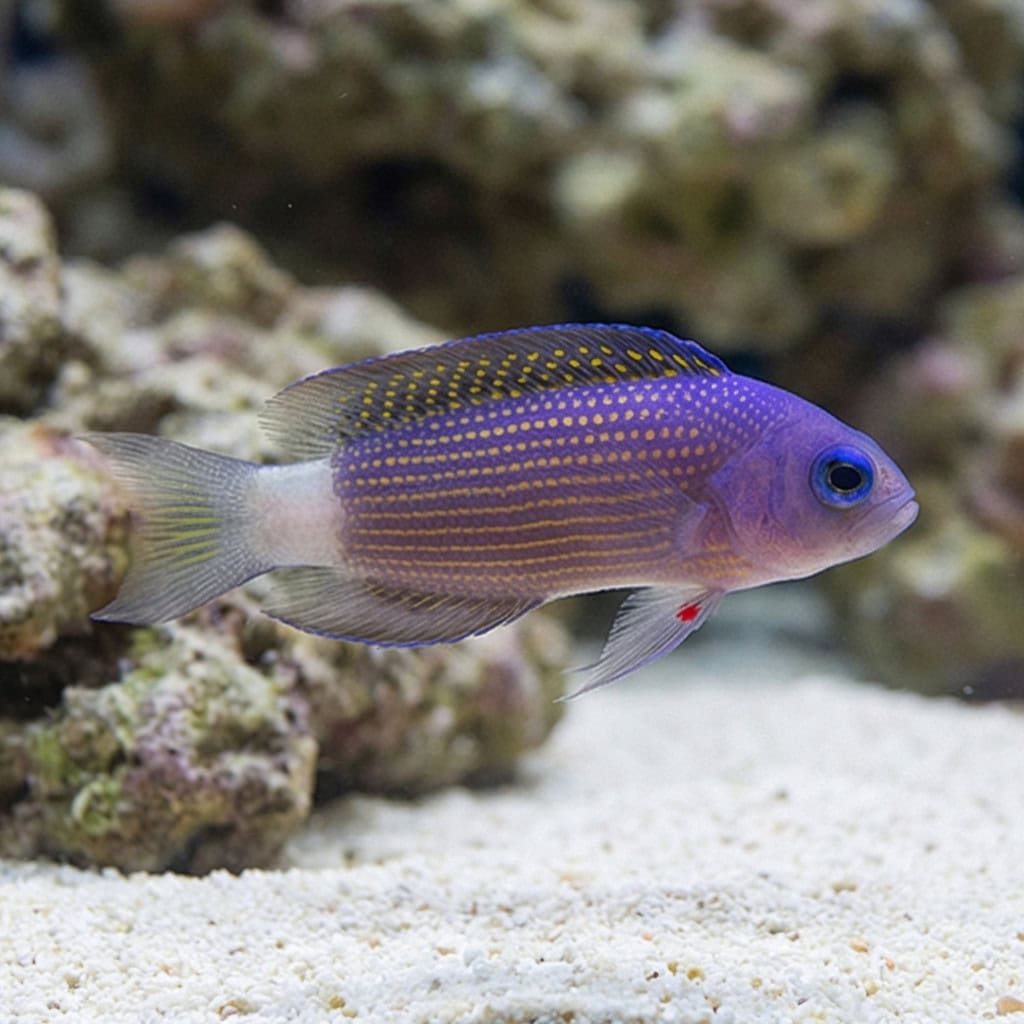
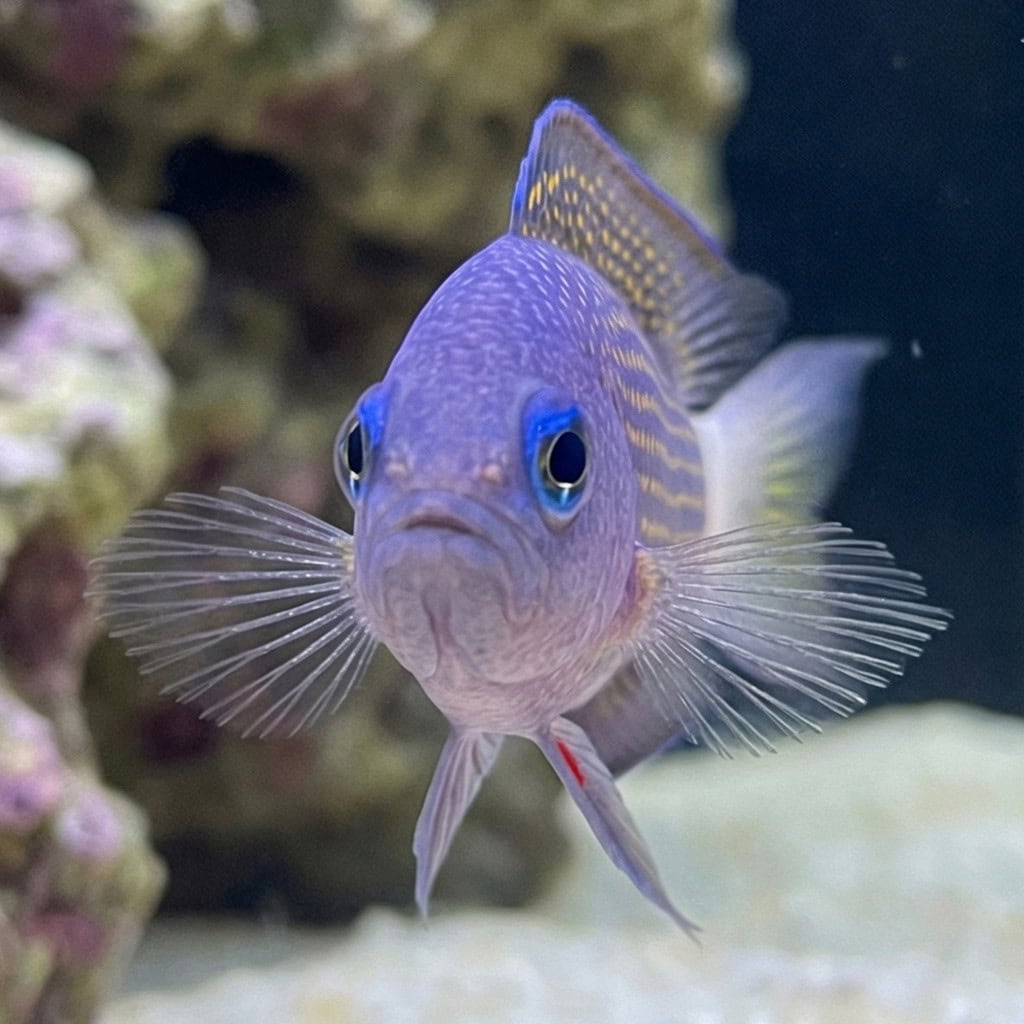
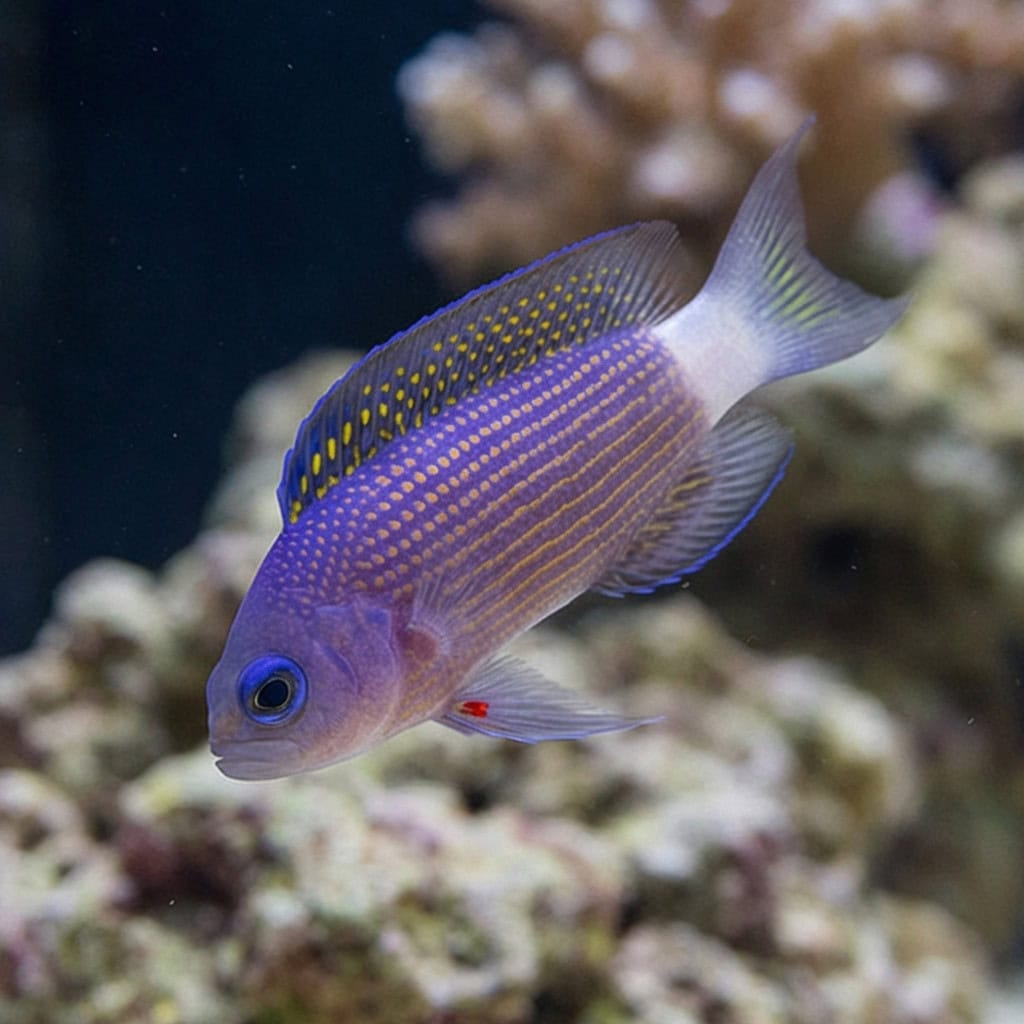
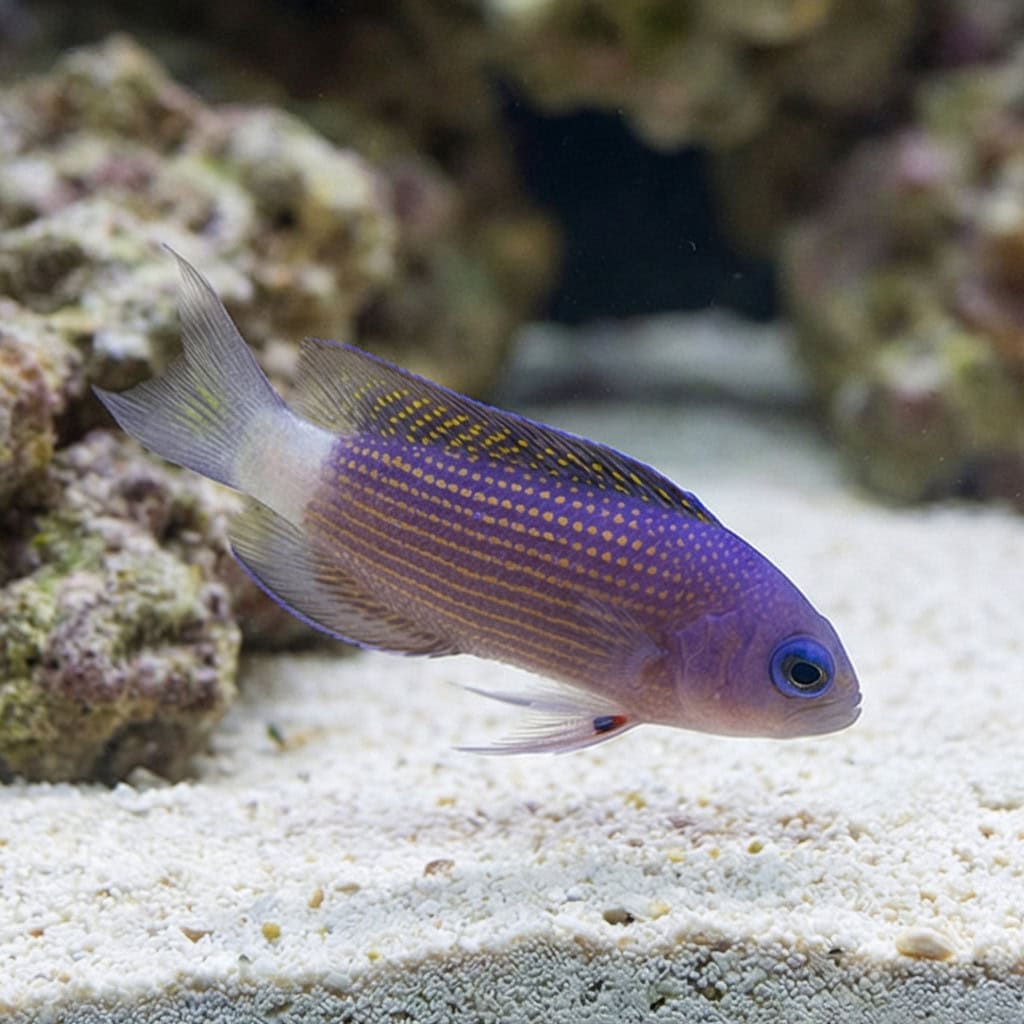
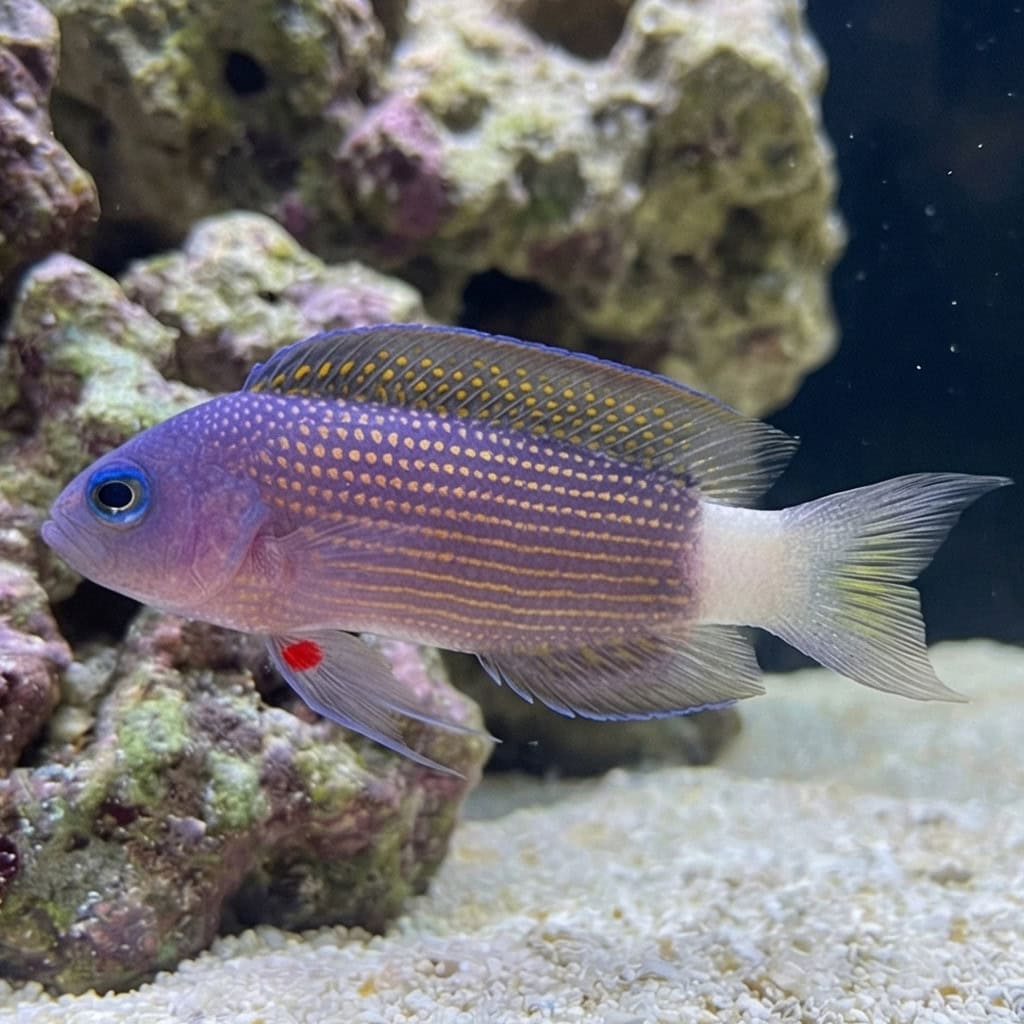
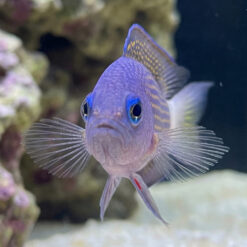
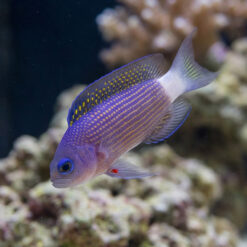
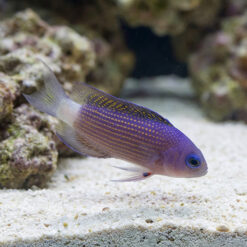
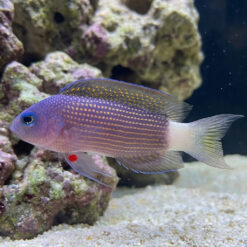
Sabah Dottyback
Manonichthys alleni
| Stock | Variations | Price | Quantity |
|---|
Every order ships with our standard 3-hour live arrival guarantee. Need more time? Add our 5-Day Guarantee at checkout.
Full guarantee terms →Ships Monday – Thursday for next-day arrival at your nearest FedEx Hold location — typically ready by 9 AM. We monitor every delivery.
Shipping details →
Monday – Friday 8 AM – 9 PM
Saturday 12 PM – 4 PM
Sunday 12 PM – 9 PM
Healthy, stable animals from vetted suppliers — inspected before packing, shipped overnight. Decades of experience built this model so we can deliver premium livestock at 30%+ less than you'd pay elsewhere.
| Care Level | Easy |
|---|---|
| Temperament | Semi-Aggressive |
| Reef Safe | Yes |
| Functional Benefit | Ornamental Only |
| Diet Type | Carnivore |
| Mininum Tank Size | 30 gallons |
| Max Size | 5 inches |
| Temperature | 72–78°F |
| pH Range | 8.1–8.4 |
| Specific Gravity | 1.022–1.025 |
The Sabah Dottyback (Manonichthys alleni) is a compact dottyback that stays close to rockwork, using caves and ledges as its “home base.” It’s a reef-aquarium fish that does best when it can weave through tight crevices and make quick, confident dashes back to cover. In nature it’s associated with Indonesia and Malaysia, and it’s only an occasional find in the aquarium trade.
What You’ll Observe:
- Short patrol loops around a favorite cave, with quick darting starts and stops
- A “peek-out” routine: watching the open water from a shaded ledge, then popping out for food
- Rock-focused exploration, inspecting holes and overhangs throughout the day
- Strong feeding response once it learns where food enters the tank
For best results, provide stable rock structures with multiple bolt-holes so it can settle into one territory and still have alternate retreats. Offer small meaty foods (for example mysis and other finely chopped marine fare) on a consistent schedule, and keep feeding in the same general zone so it learns the routine.
Is it normal for a dottyback to “disappear” for days after introduction?
Yes—many will stay deep in the rockwork at first and become a lot more visible once they’ve picked a primary cave.
Why does a dottyback move sand or dump sand on nearby corals/anemones?
Some individuals excavate under rocks to improve a cave entrance, and the displaced sand can land on nearby pieces; directing flow or relocating the coral slightly usually solves it.
Will it bother cleaner shrimp, peppermint shrimp, or small decorative shrimp?
It depends on the individual and the shrimp’s size; keeping shrimp provided with their own tight hiding spaces in the rockwork tends to improve coexistence.
What’s the best way to add one to a tank with small, calm fish (firefish/gobies)?
Adding it later (after calm fish are established) and ensuring lots of separated caves can reduce “lane guarding” around one favorite nook.
Why does it “blow” at new corals or hover close and fan them?
Keepers often describe this as investigative behavior around new objects; once the coral is settled and the fish is used to it, the behavior usually becomes less frequent.
Our selection process means you get robust, well-adjusted specimens that settle in quickly.
Recently viewed products