
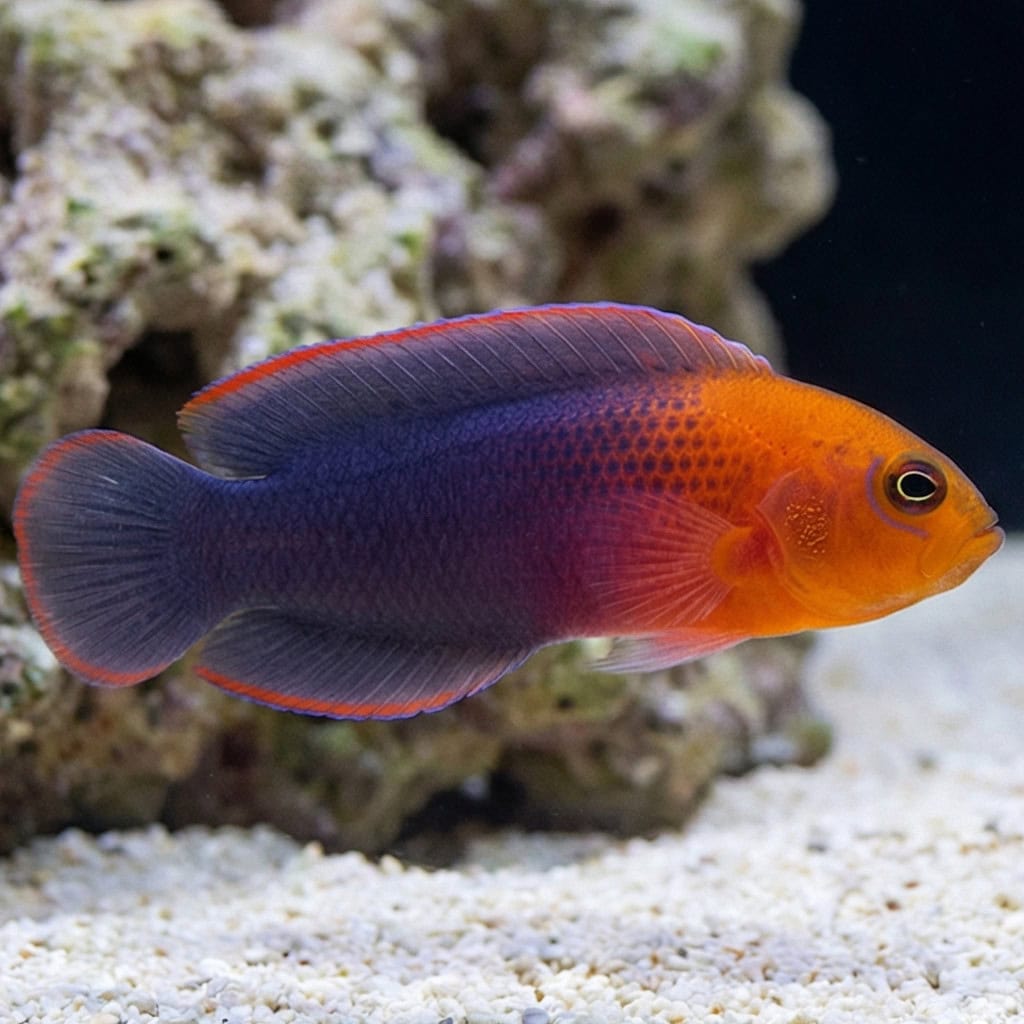
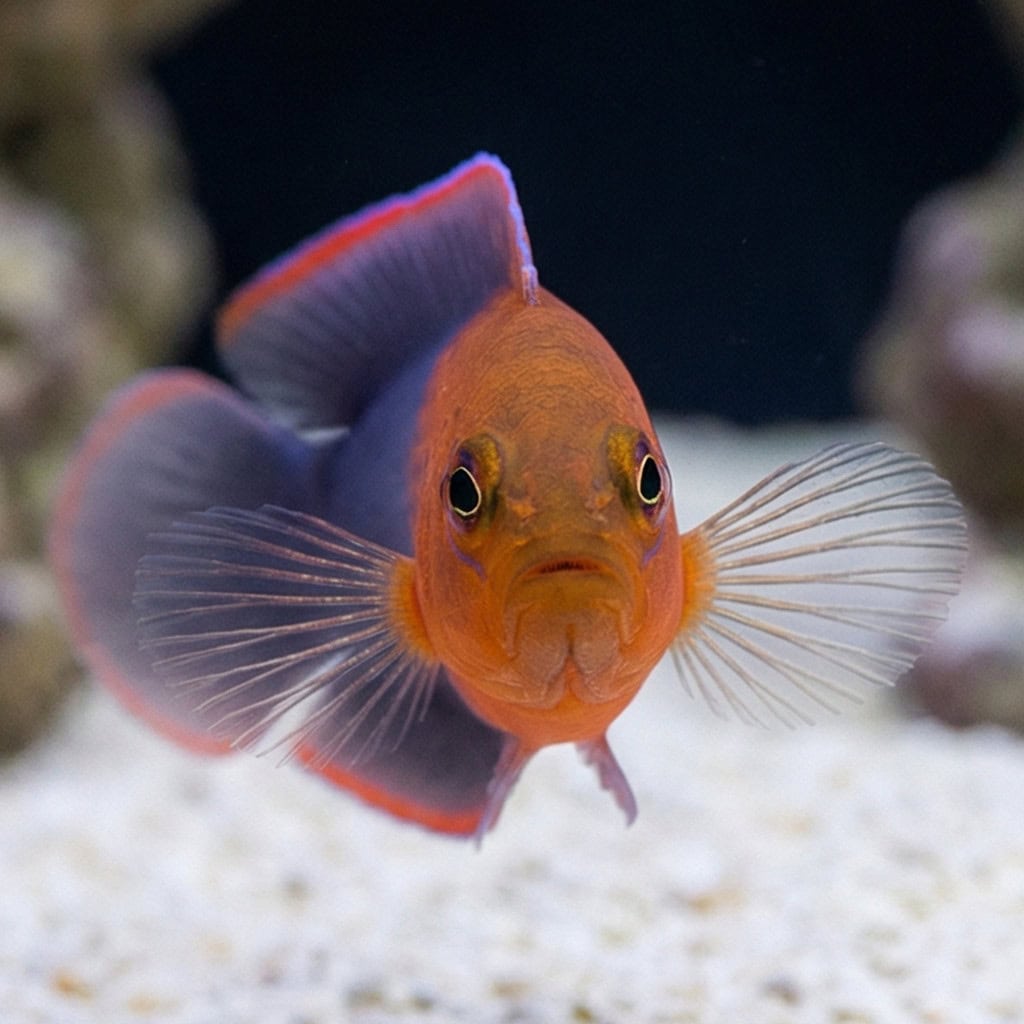
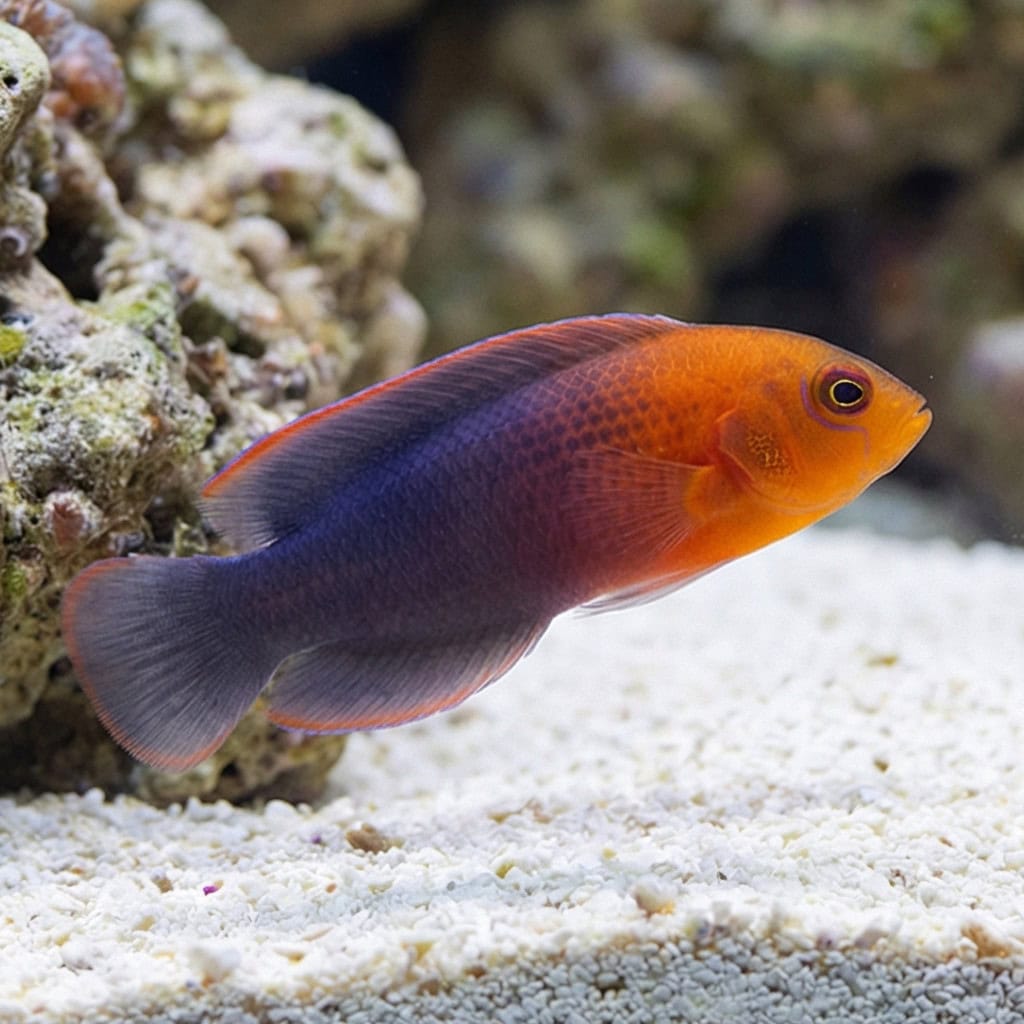
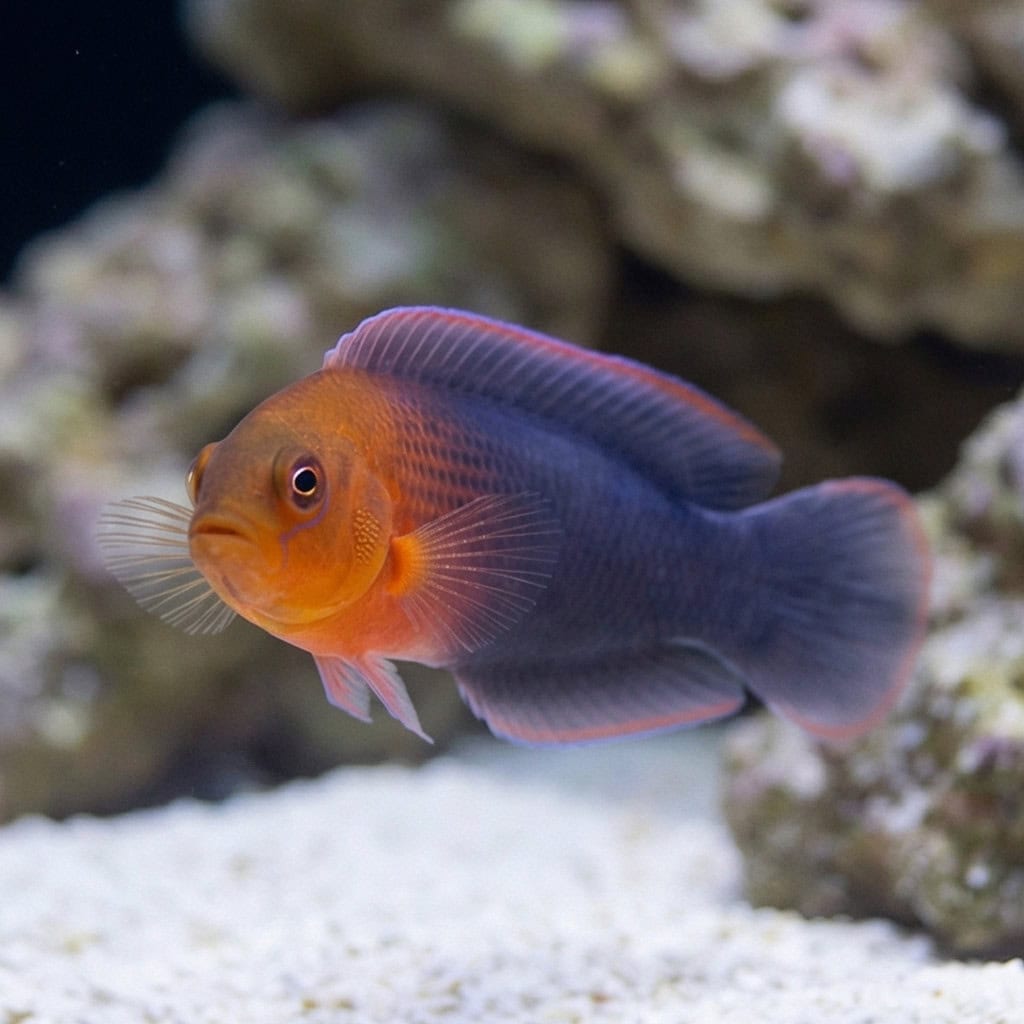
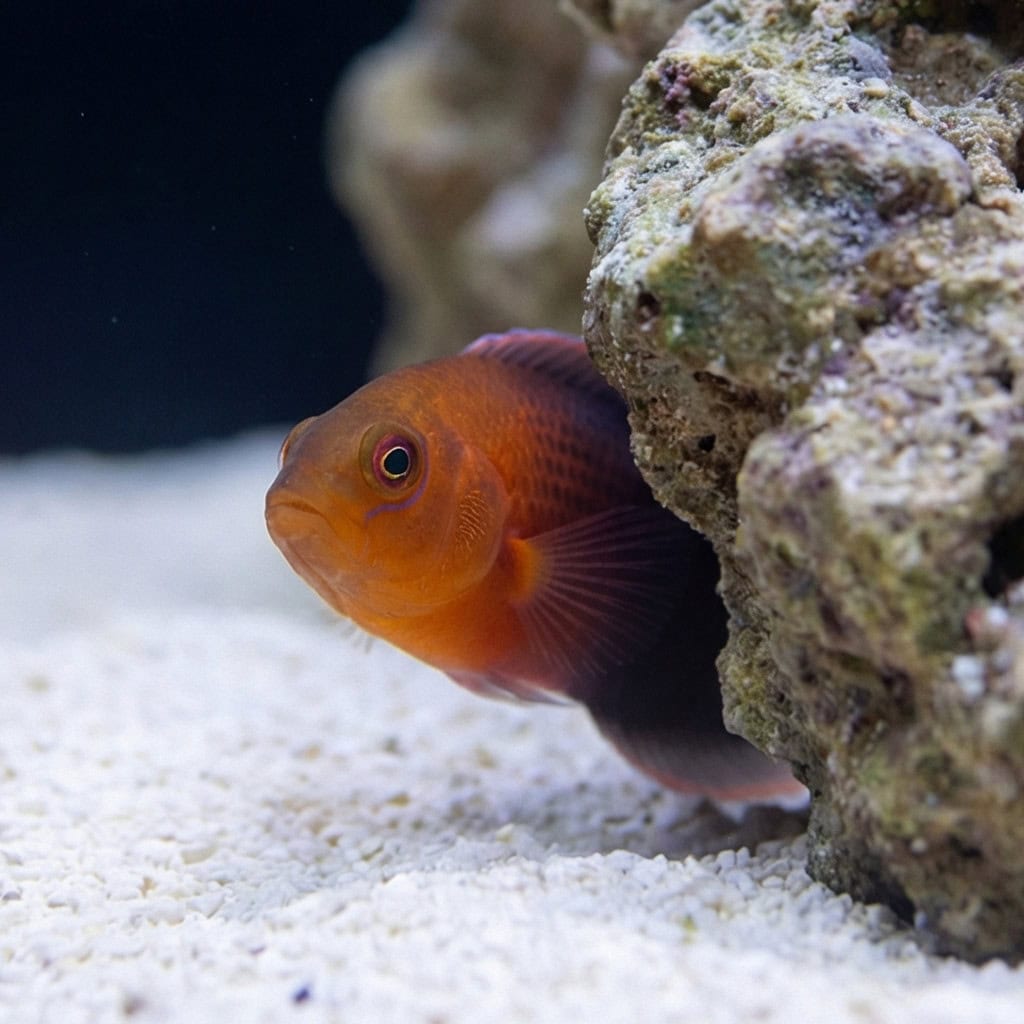
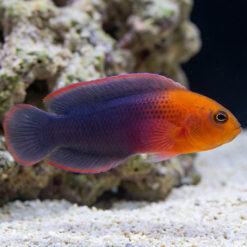
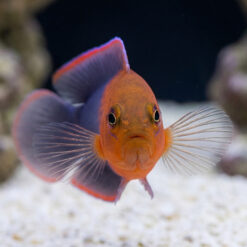
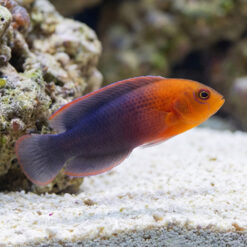
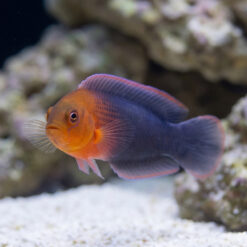
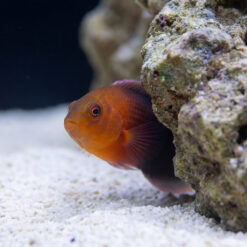
Dilectus Dottyback
Pseudochromis dilectus
| Stock | Variations | Price | Quantity |
|---|
Every order ships with our standard 3-hour live arrival guarantee. Need more time? Add our 5-Day Guarantee at checkout.
Full guarantee terms →Ships Monday – Thursday for next-day arrival at your nearest FedEx Hold location — typically ready by 9 AM. We monitor every delivery.
Shipping details →
Monday – Friday 8 AM – 9 PM
Saturday 12 PM – 4 PM
Sunday 12 PM – 9 PM
Healthy, stable animals from vetted suppliers — inspected before packing, shipped overnight. Decades of experience built this model so we can deliver premium livestock at 30%+ less than you'd pay elsewhere.
| Care Level | Easy |
|---|---|
| Temperament | Semi-Aggressive |
| Reef Safe | Yes |
| Functional Benefit | Pest Control |
| Diet Type | Carnivore |
| Mininum Tank Size | 30 gallons |
| Max Size | 3 inches |
| Temperature | 72–78°F |
| pH Range | 8.1–8.4 |
| Specific Gravity | 1.022–1.025 |
The Dilectus Dottyback (often sold as the Sri Lanka Dottyback) is a small rock-dwelling Pseudochromis that actively forages through live rock and may help reduce nuisance bristleworms. It has an elongated body with a darker base tone and contrasting light markings that stand out well against reef rock.
What You’ll Observe:
- Short, quick dashes between caves, followed by longer “patrol” laps once it learns the tank’s routine
- Regularly pausing at a favorite crevice entrance to watch the tank from cover
- A fast response at feeding time, taking small meaty pieces from the water column
- Returning to the same rockwork “home zone” between brief explorations
Provide a rockscape with multiple tight crevices and separated bolt-holes so it can choose a home and still move around the tank. Offer a mix of meaty frozen foods and quality prepared options so it can feed in the water column as well as hunt between rocks. In larger systems, introducing it after more passive fish helps everyone settle into their spaces and keeps the display active.
How long until it stops hiding and shows itself more?
Many keepers observe it staying close to one cave at first, then making more frequent open-water laps after several days to a couple of weeks as it locks onto the feeding schedule.
Is a lid or screen top really necessary?
A snug screen top is commonly recommended because dottybacks are often reported to jump when newly introduced or startled.
Will it eat pellets or flakes, or only frozen?
A common approach is to start with frozen foods (like mysis) and then mix in small pellets or flakes once it is eating confidently.
Can I keep more than one Dilectus Dottyback?
Most hobbyists suggest keeping a single specimen unless the aquarium is very large with clearly separated rockwork zones, and both fish are introduced at the same time.
What tankmates tend to create “rockwork space” conflicts?
Fish that hover in similar caves (like grammas and some small gobies/dartfish) can overlap pathways; adding extra cave options and using an acclimation box during introduction is often used to smooth out the transition.
Our selection process means you get robust, well-adjusted specimens that settle in quickly.
Recently viewed products