
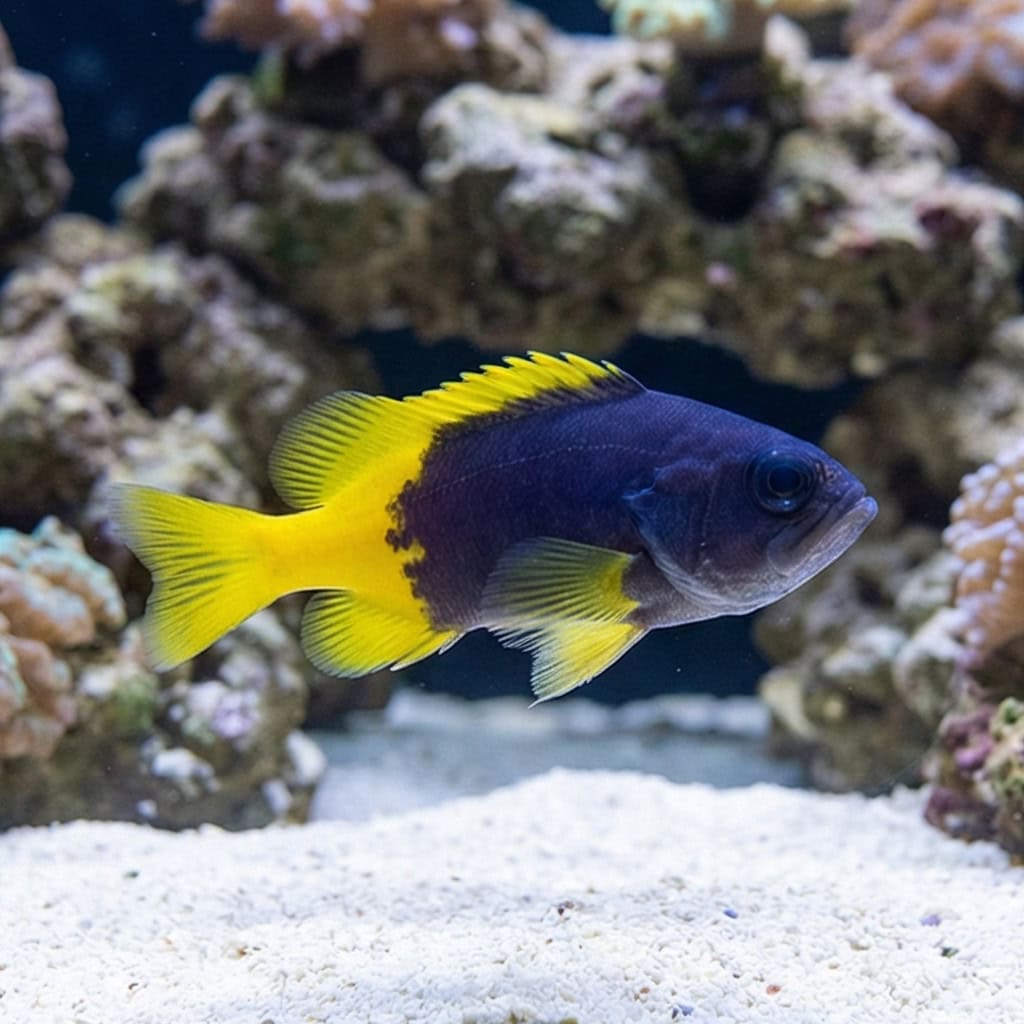
Blue and Yellow Grouper
Epinephelus flavocaeruleus
| Stock | Variations | Price | Quantity |
|---|
Every order ships with our standard 3-hour live arrival guarantee. Need more time? Add our 5-Day Guarantee at checkout.
Full guarantee terms →Ships Monday – Thursday for next-day arrival at your nearest FedEx Hold location — typically ready by 9 AM. We monitor every delivery.
Shipping details →
Monday – Friday 8 AM – 9 PM
Saturday 12 PM – 4 PM
Sunday 12 PM – 9 PM
Healthy, stable animals from vetted suppliers — inspected before packing, shipped overnight. Decades of experience built this model so we can deliver premium livestock at 30%+ less than you'd pay elsewhere.
| Care Level | Expert |
|---|---|
| Temperament | Semi-Aggressive |
| Reef Safe | No |
| Functional Benefit | Ornamental Only |
| Diet Type | Carnivore |
| Mininum Tank Size | 300 gallons+ |
| Max Size | 24 inches |
| Temperature | 72–78°F |
| pH Range | 8.1–8.4 |
| Specific Gravity | 1.022–1.025 |
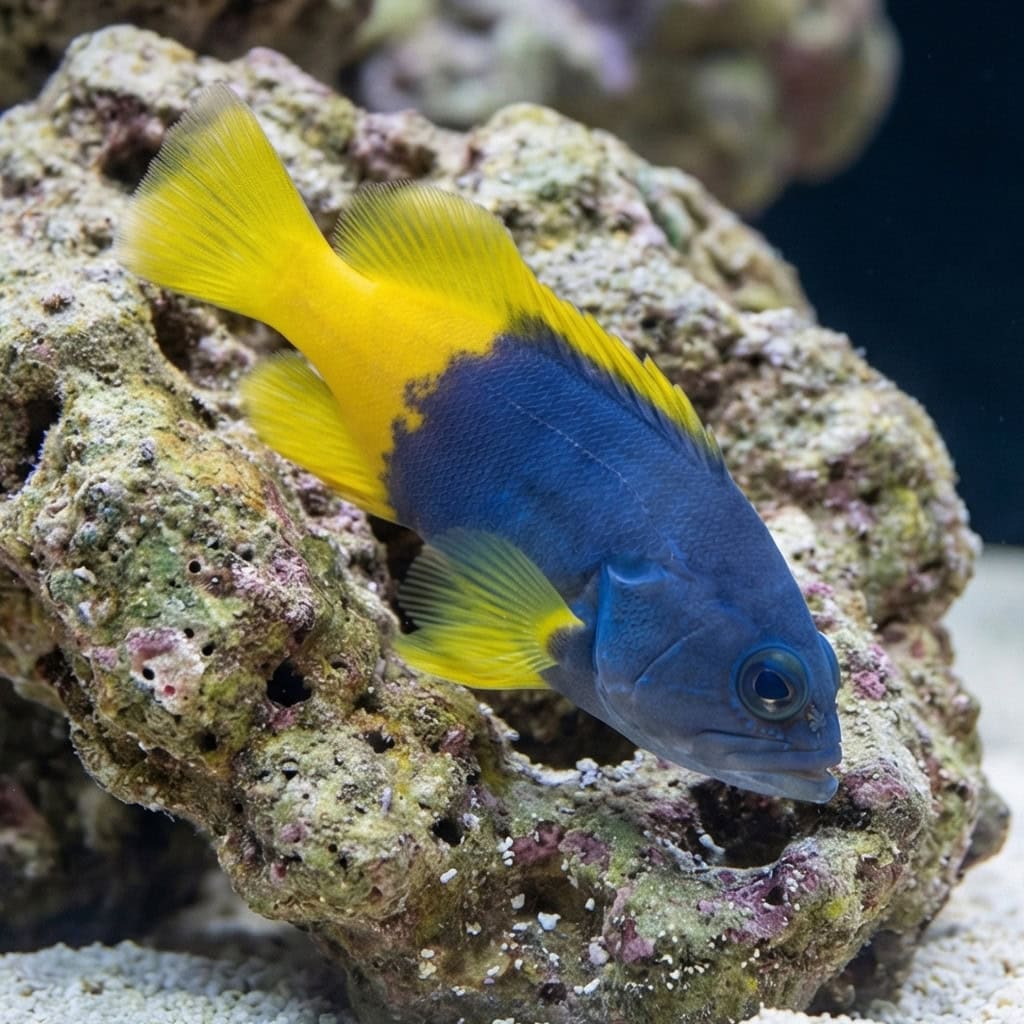
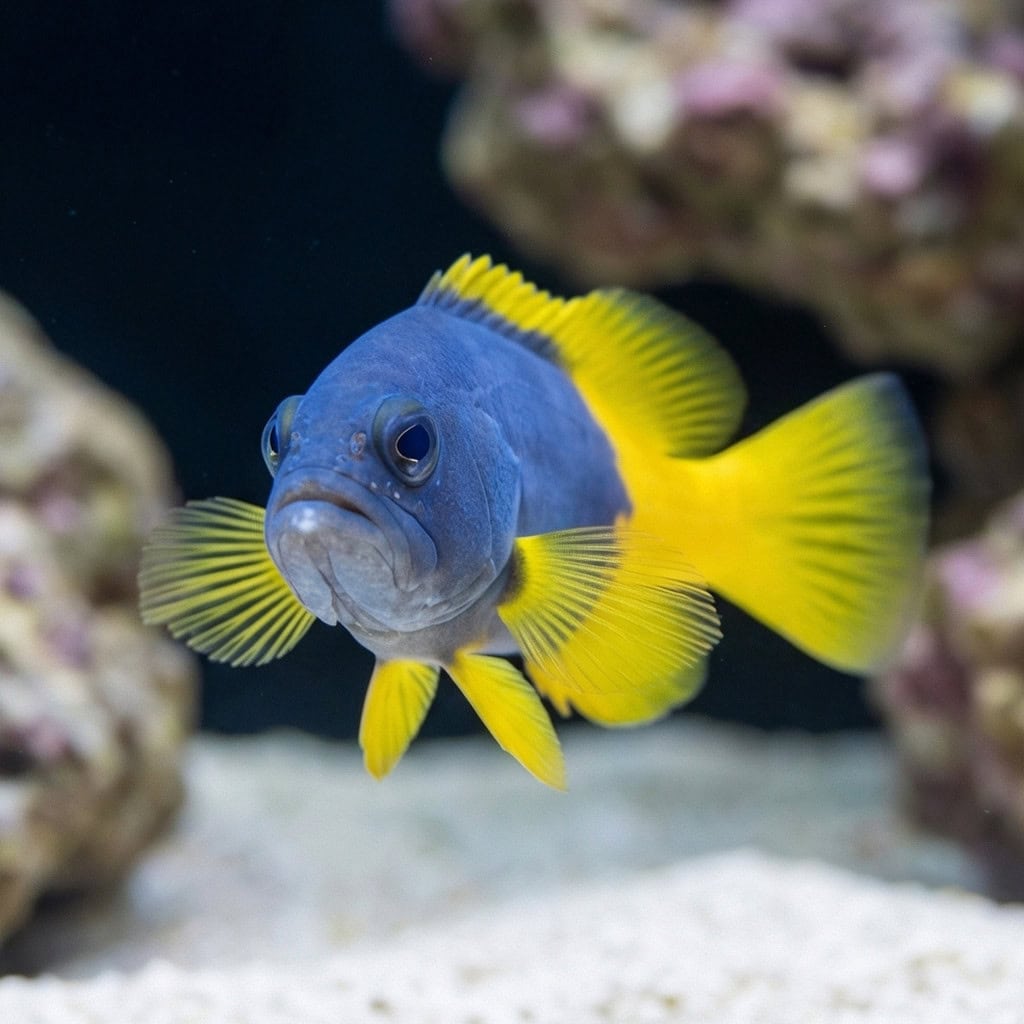
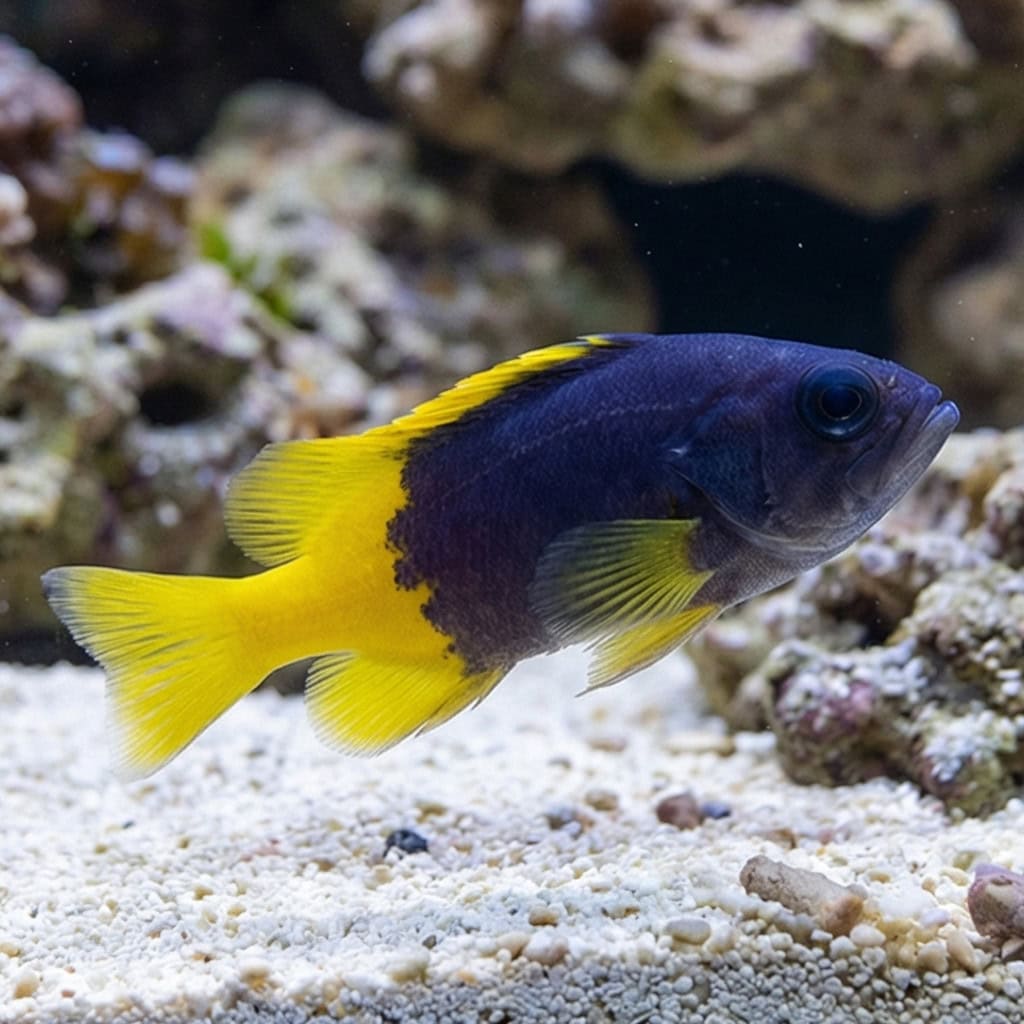
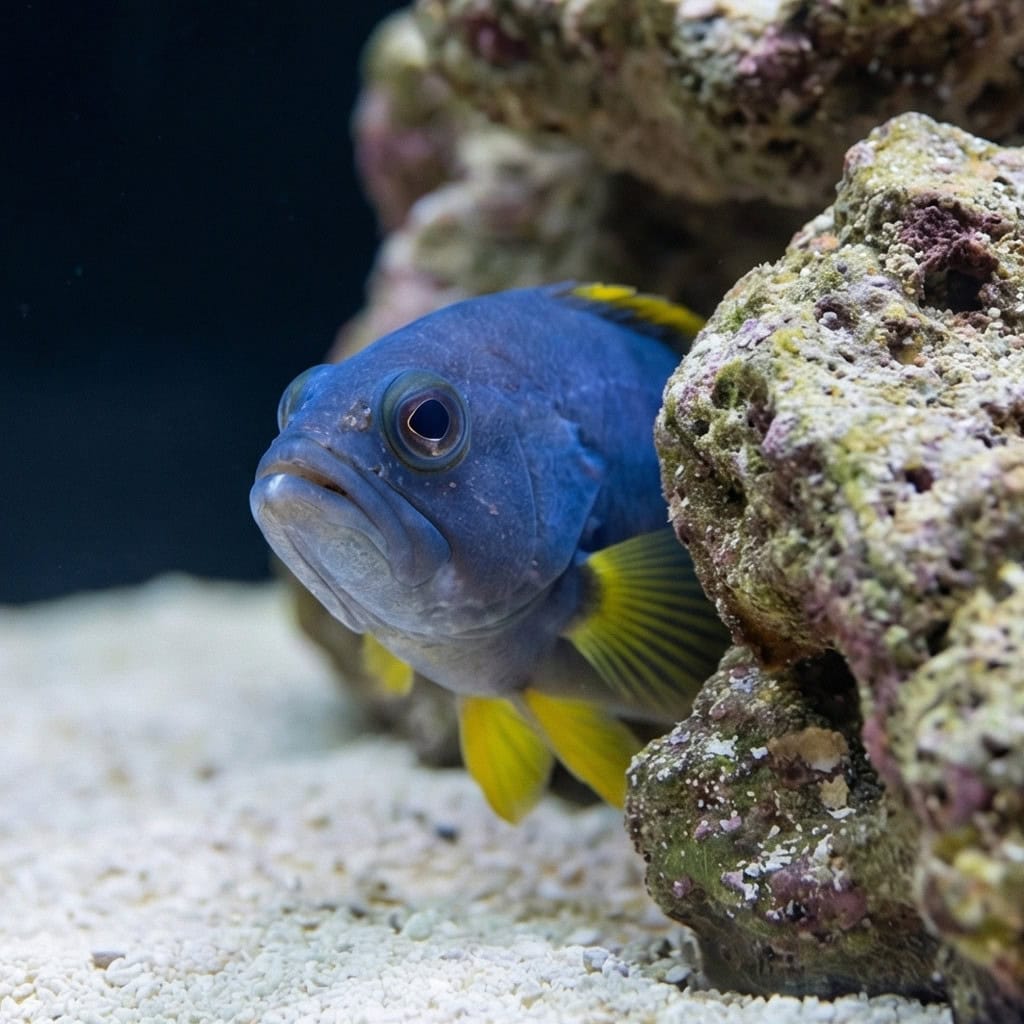
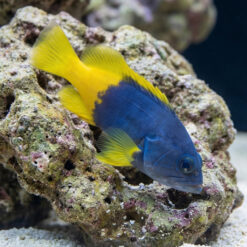
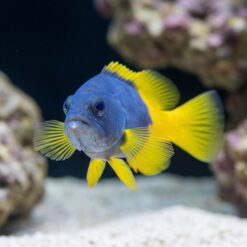
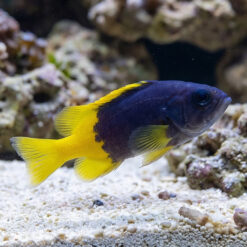
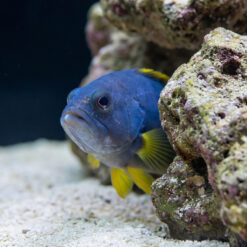
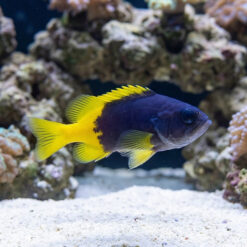
The Blue and Yellow Grouper (Epinephelus flavocaeruleus)—often listed as a Blue and Yellow Cod Grouper or Coral Cod—has a deep blue body with bright yellow fins and yellow around the mouth, especially when young. It’s a reef-associated Indian Ocean predator that becomes a large, bold centerpiece fish as it matures.
What You’ll Observe:
- A “sit-and-watch” hunting style: hovering near rock ledges, then cruising open areas
- A quick, direct feeding response once it learns your routine and your feeding spot
- A favorite cave or overhang it returns to, especially between meals and at night
- Color shifts between brighter and darker tones depending on mood, lighting, and activity
- Increasing recognition of the aquarist, often coming forward when you approach the glass
To succeed, provide a very large aquarium with sturdy rockwork, multiple roomy caves, and open swim lanes, plus heavy-duty filtration for a messy eater. Offer varied marine meaty foods (chunked shrimp, squid, clam, and quality frozen blends) and use tongs to keep feeding consistent and targeted. Plan tankmates around size and confidence so the grouper can settle into a steady routine.
Why does my Blue and Yellow Grouper hide most of the day at first?
It’s common for new groupers to “claim” a cave and observe before spending more time out front. Once the fish learns the feeding schedule and feels secure in its shelter, daytime activity usually increases.
How do I transition a grouper onto frozen foods?
Many keepers start with a strong scent trail (thawed seafood) and use feeding tongs to create a repeatable routine. If it refuses at first, keep offerings consistent and try different textures (soft chunks vs. firmer pieces).
Is it normal for the yellow to look less intense sometimes?
Yes—these fish can look darker, lighter, or less yellow depending on stress level, lighting spectrum, and maturity. Short-term shifts are commonly reported, especially during acclimation and around feeding time.
Will it learn to take food from tongs?
Often, yes—tongs help the fish “target” the food and reduce food drifting into rockwork. Once it associates tongs with feeding, many individuals become very consistent at the surface or a chosen feeding corner.
How often should I feed it once it’s established?
A steady schedule with measured portions works better than frequent “bonus” snacks for most groupers. Many hobbyists rotate foods and adjust portion size based on body condition and activity rather than feeding extra just because the fish acts hungry.
We work with trusted suppliers who keep our specimens healthy and well-fed before shipping.
Recently viewed products